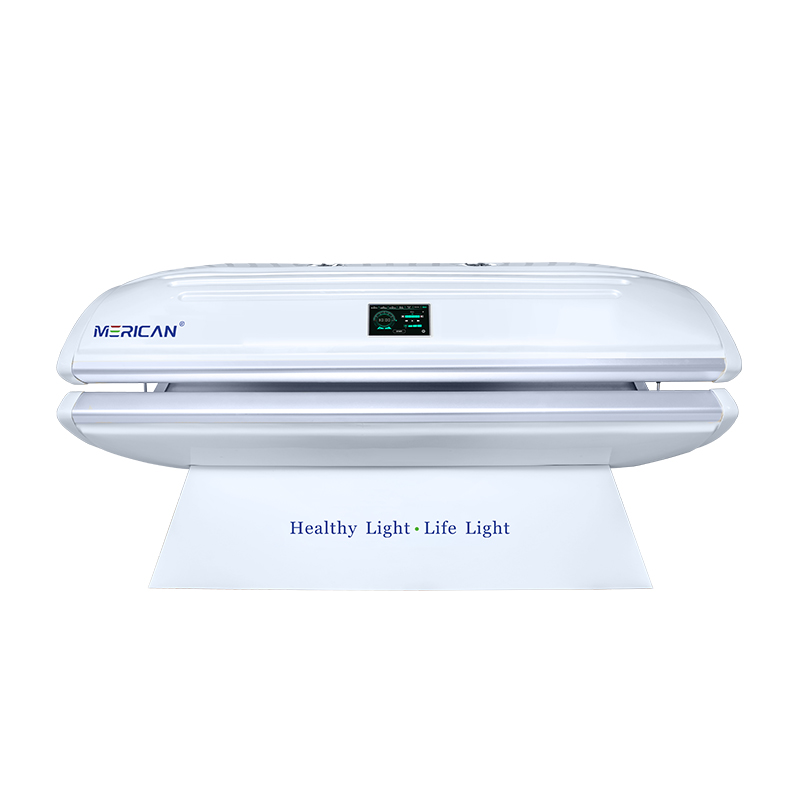
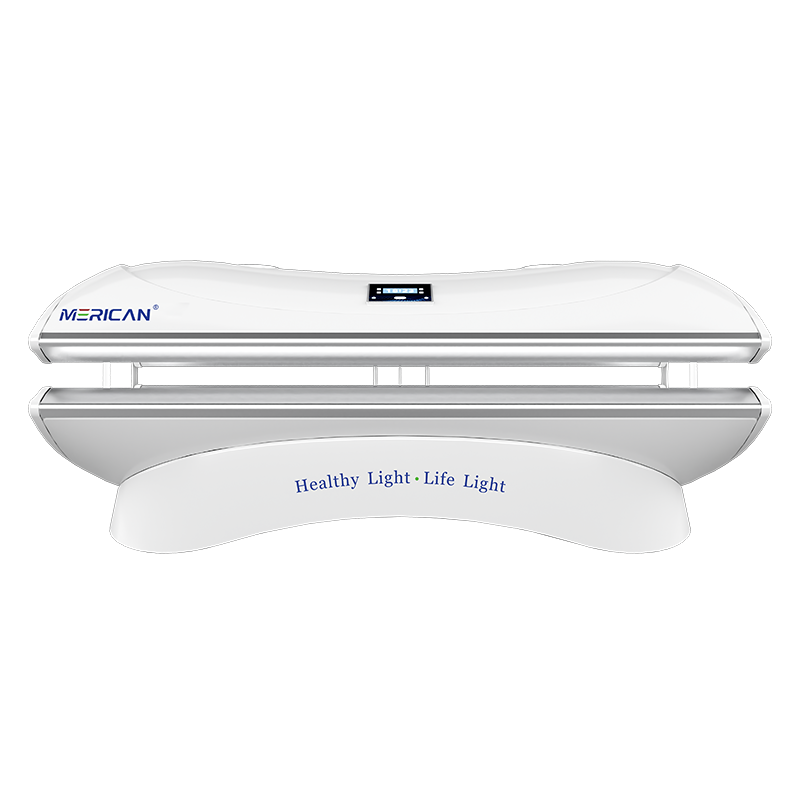
Red light therapy is widely used for skin care, pain relief, and overall wellness. But if you wear contact lenses, you might wonder: Is it safe to keep them in during a session, or should you remove them first?
The short answer is: you can wear contact lenses during red light therapy—but it’s not always recommended, especially for facial treatments.
How Red Light Therapy Interacts with the Eyes
Red light therapy uses non-UV wavelengths (typically 630–850nm), which are generally considered safe for the skin. However, your eyes are much more sensitive to light exposure than your skin.
Even though red light is not as harmful as UV radiation, prolonged or direct exposure can still lead to:
- Eye strain
- Dryness or irritation
- Temporary visual discomfort
Is It Safe to Wear Contact Lenses?
Wearing contact lenses does not directly react with red light therapy. The lenses themselves are not damaged by red or near-infrared wavelengths.
However, safety concerns arise from how your eyes respond during treatment, not from the lenses themselves.
Potential Risks of Wearing Contacts During Treatment
1. Increased Dryness
Contact lenses can reduce natural tear flow. Combined with light exposure and possible heat from devices, this may lead to:
- Dry eyes
- Irritation
- Discomfort during or after sessions
2. Eye Exposure to Light
If your eyes are open during treatment (for example, when using your phone), both the red light and ambient light can reach your eyes more directly.
Contact lenses do not provide protection against light exposure.
3. Sensitivity During Facial Treatments
When red light therapy is applied to the face, the proximity increases the chance of:
- Light entering the eyes
- Discomfort for contact lens wearers
When It May Be Okay to Wear Contacts
You can usually keep your contact lenses in if:
- You are treating areas away from the face (e.g., back, legs, stomach)
- Your eyes are closed or shielded
- The device is low to moderate intensity
- Sessions are short (10–15 minutes)
When You Should Remove Them
It’s better to remove contact lenses if:
- You are doing facial red light therapy
- You plan to keep your eyes open during the session
- You already experience dry or sensitive eyes
- You are using high-intensity or professional devices
Best Practices for Eye Safety
To protect your eyes during red light therapy:
- Wear protective goggles whenever possible
- Keep your eyes closed during facial treatments
- Remove contact lenses if you experience dryness or irritation
- Limit session time according to device guidelines
Extra Caution for Sensitive Eyes
If you have:
- Chronic dry eye
- Recent eye procedures
- High sensitivity to light
You should take extra precautions and consider removing contacts before treatment.
Final Thoughts
While you can technically wear contact lenses during red light therapy, it’s not always the most comfortable or safest choice—especially for facial treatments. Prioritizing eye protection and minimizing exposure will help ensure a safer and more effective experience.
When in doubt, removing your contacts and using proper eye protection is the best approach.