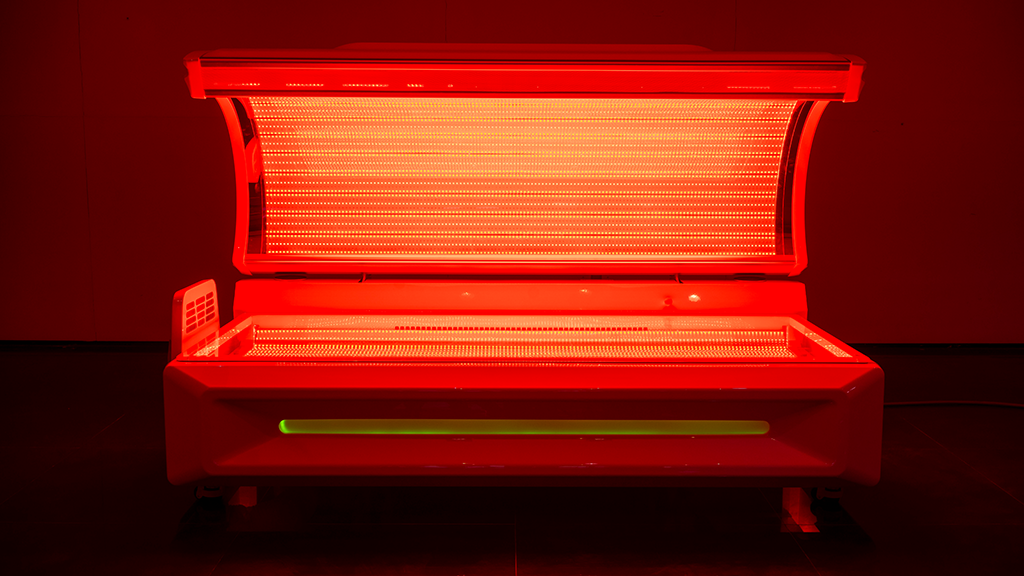
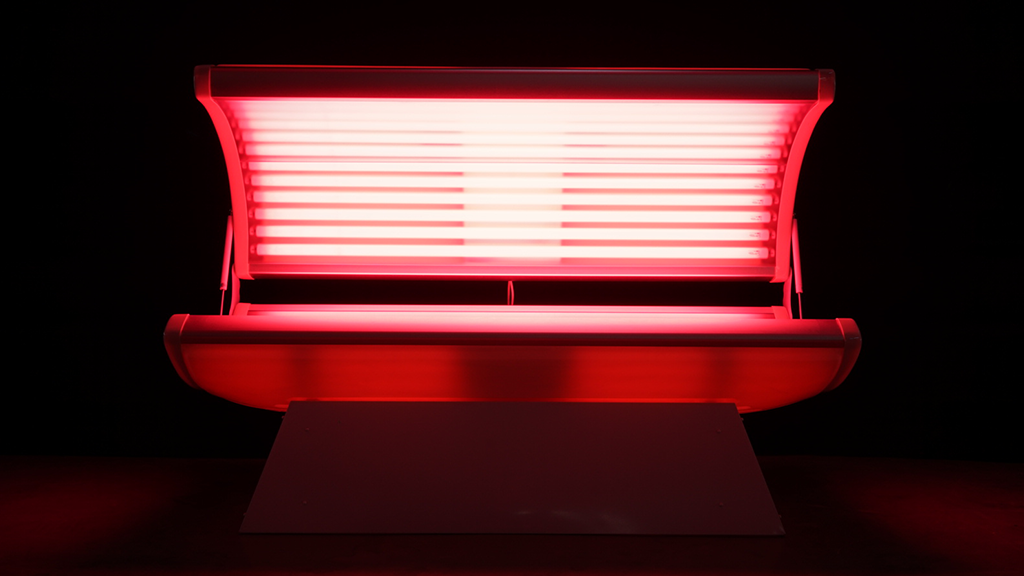
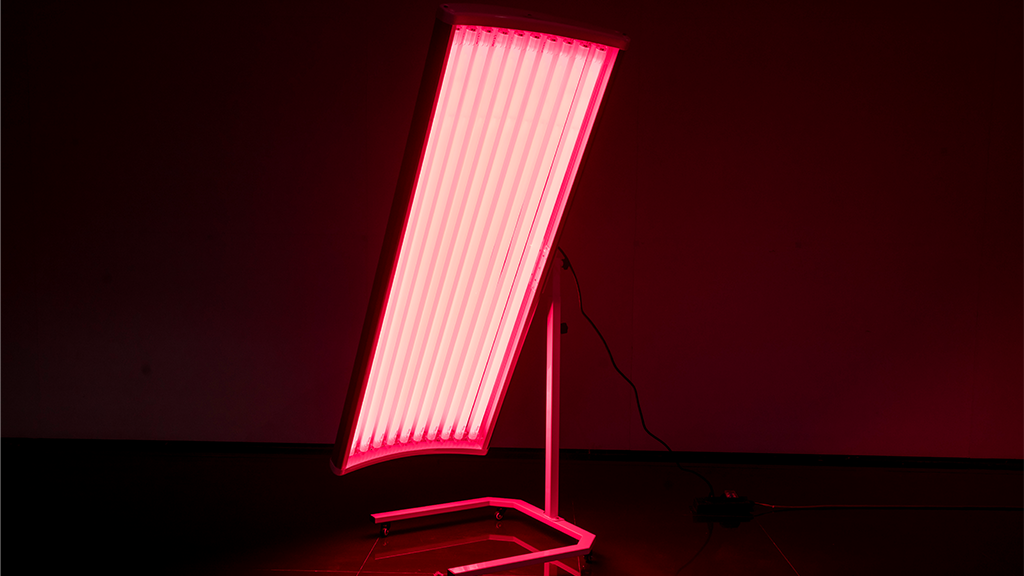
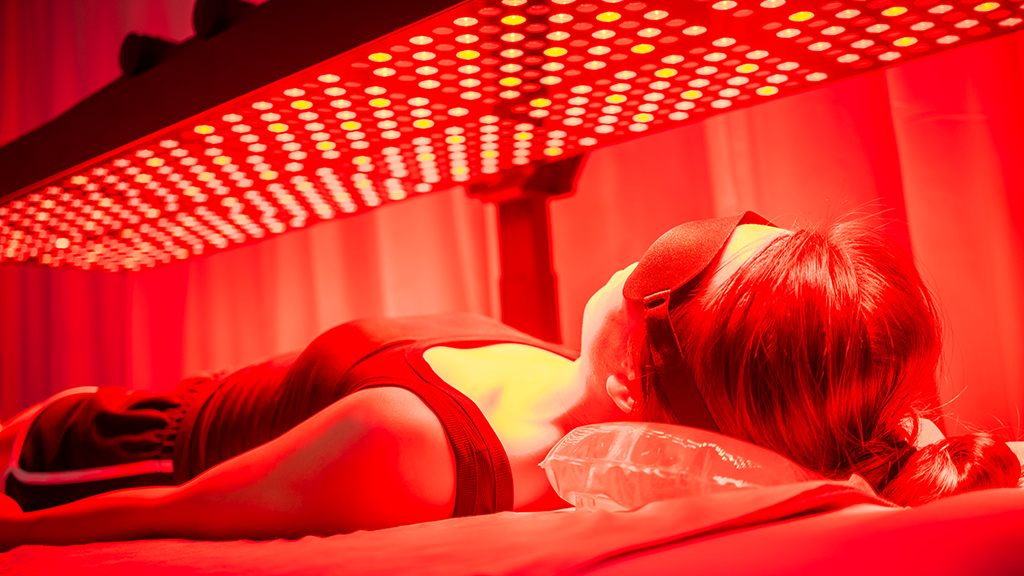
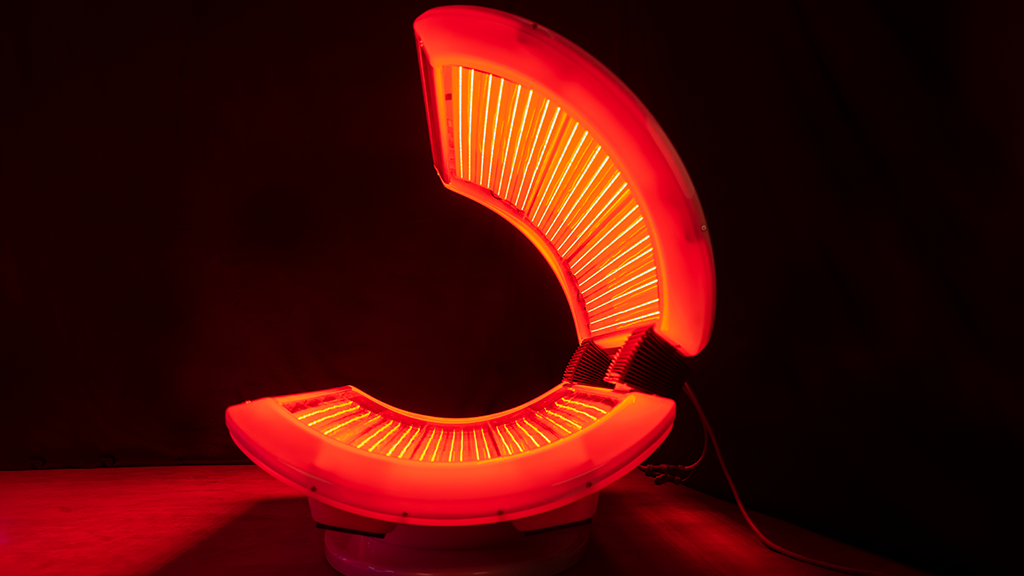
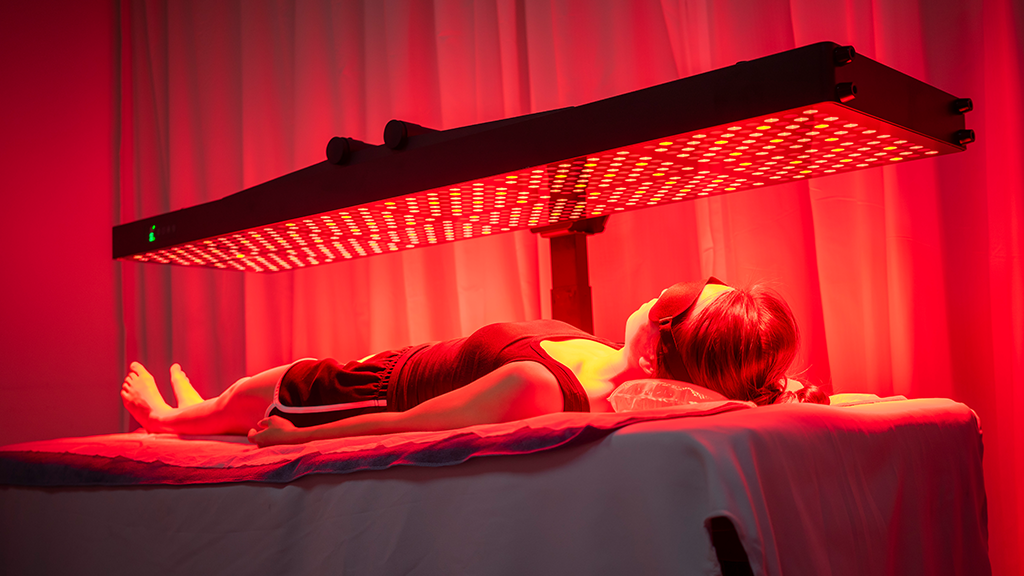
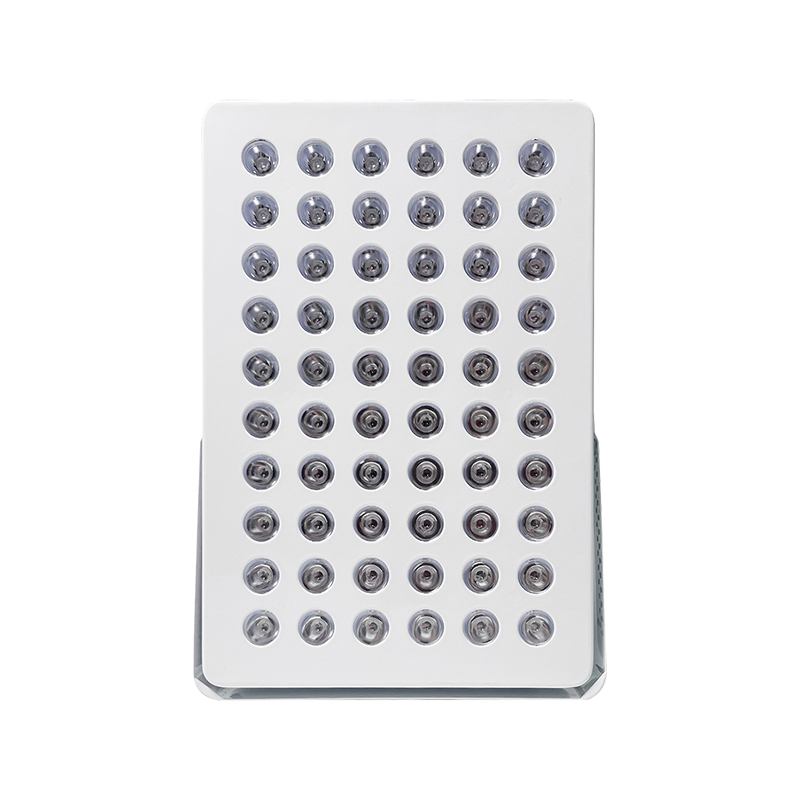
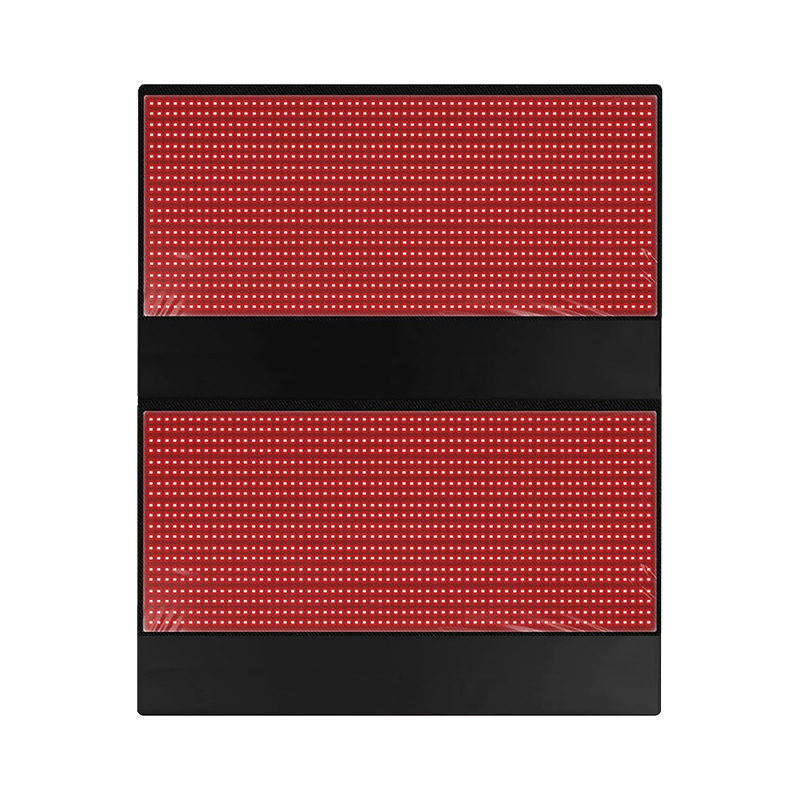
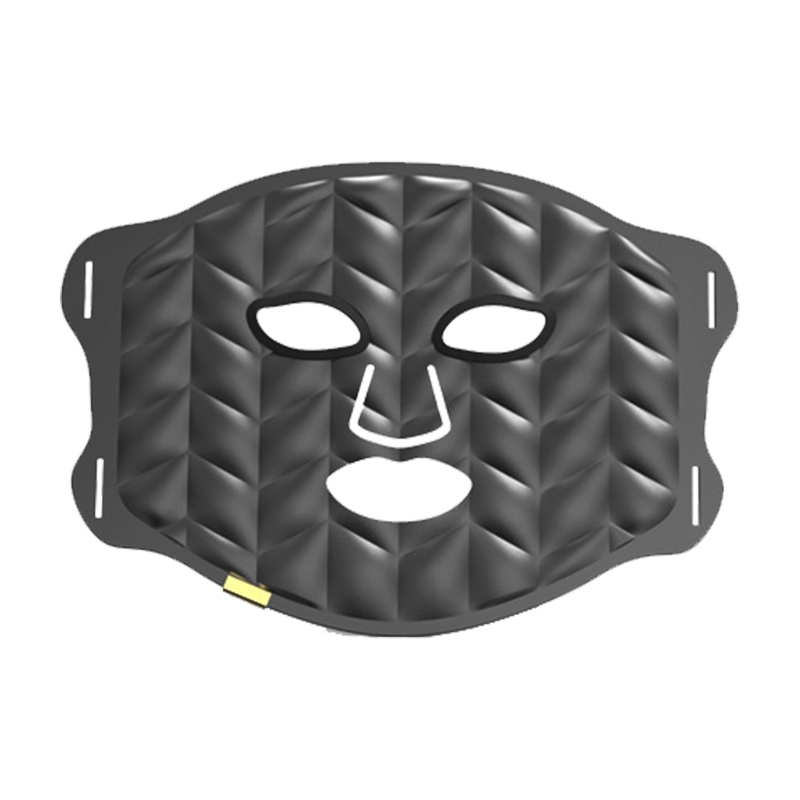
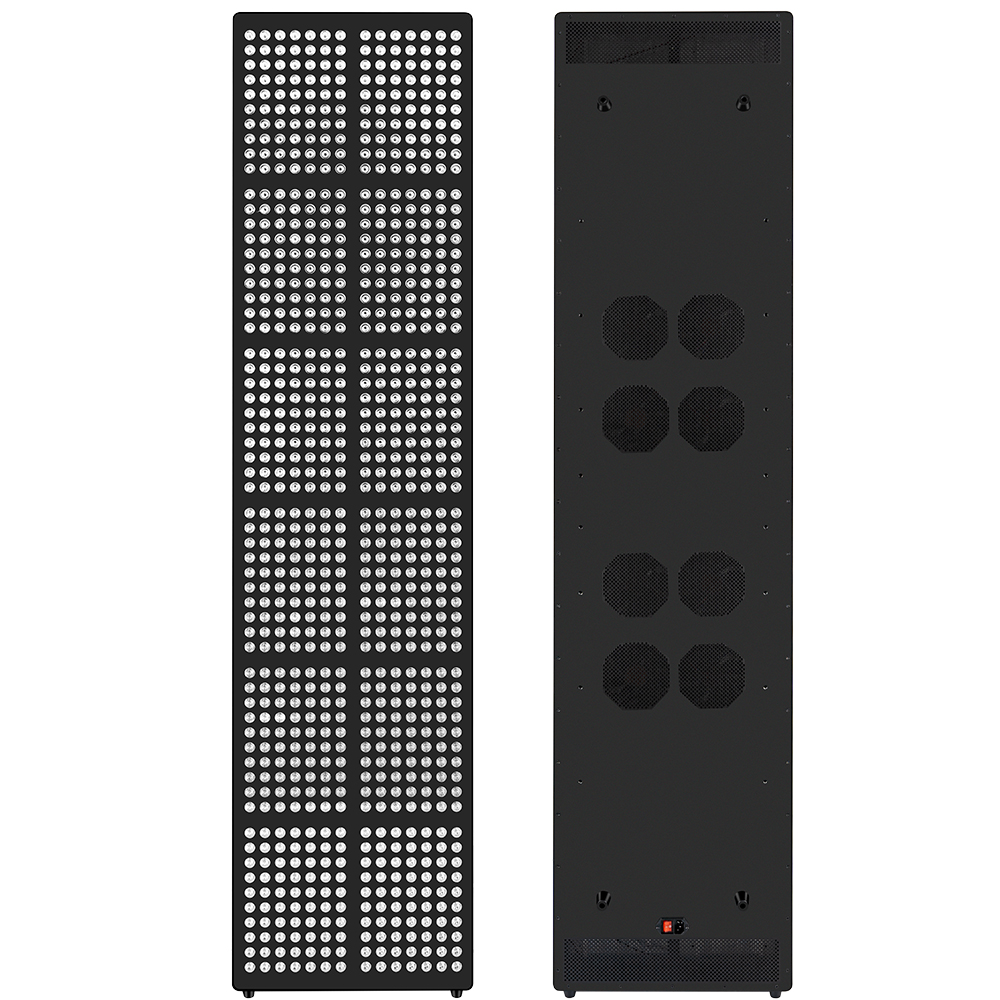
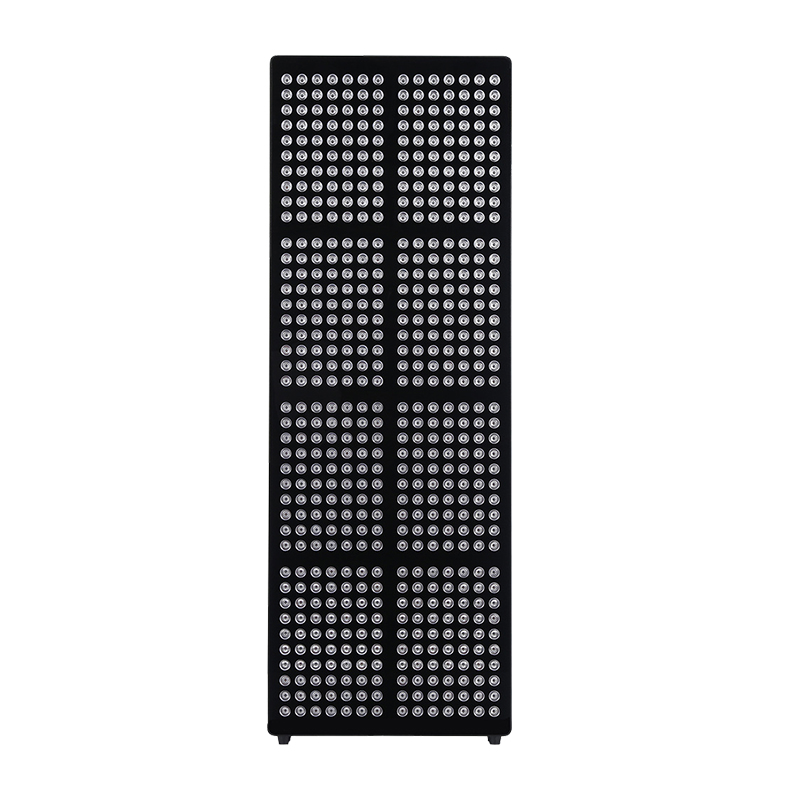
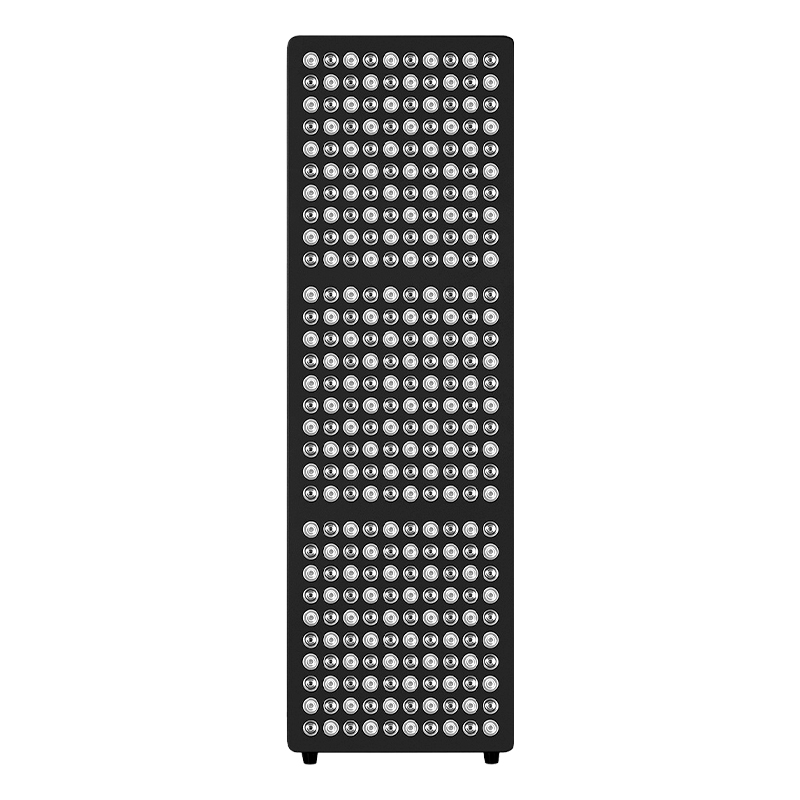
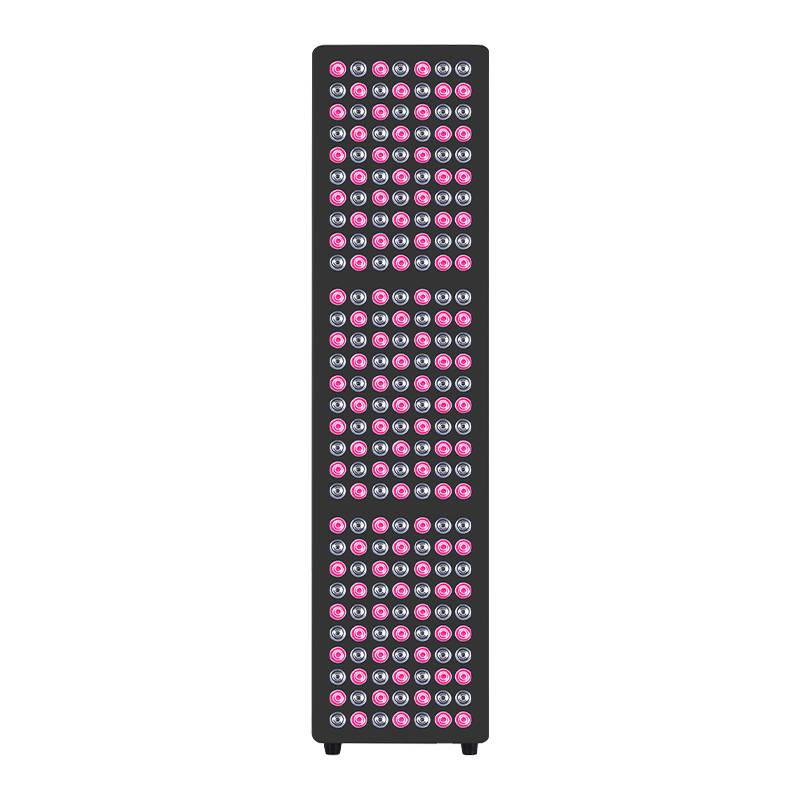
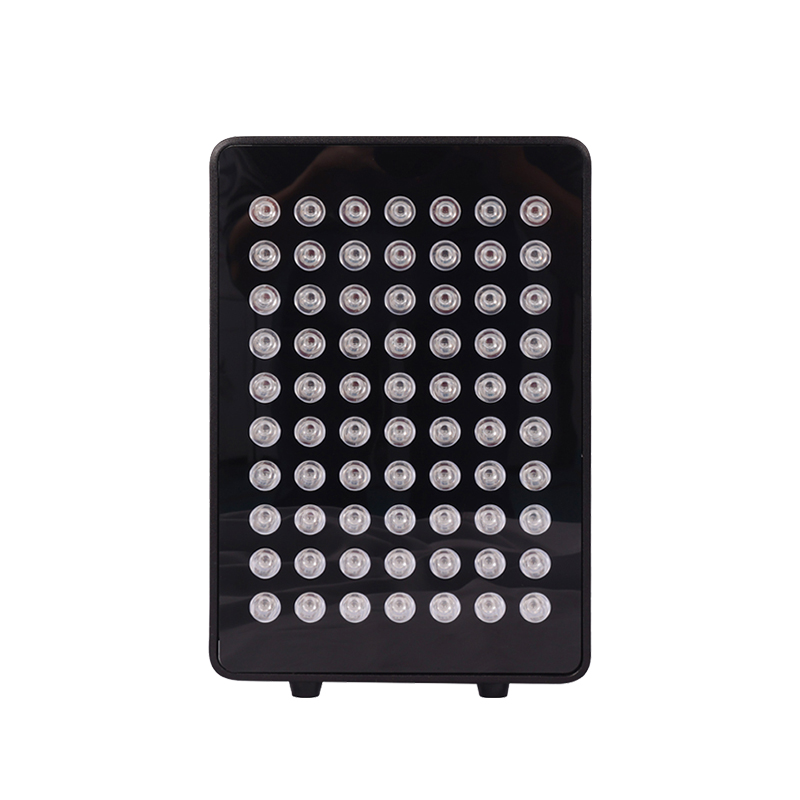
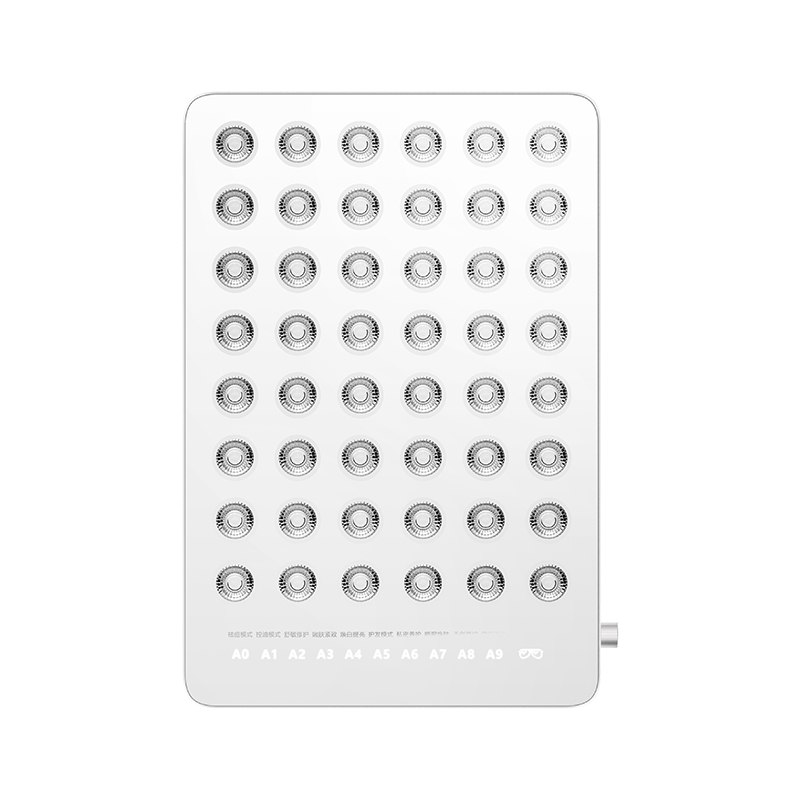
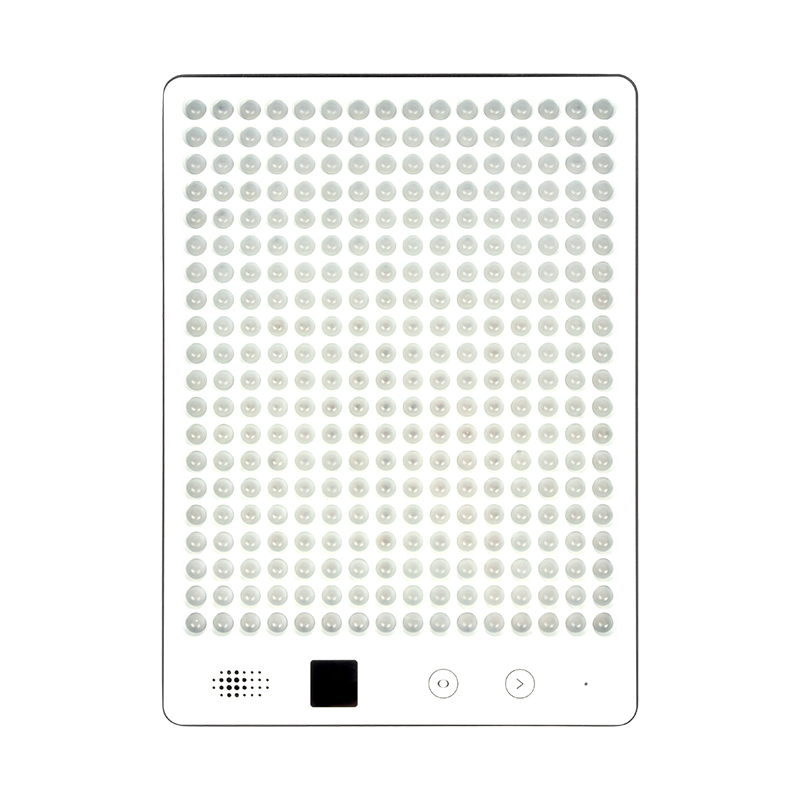
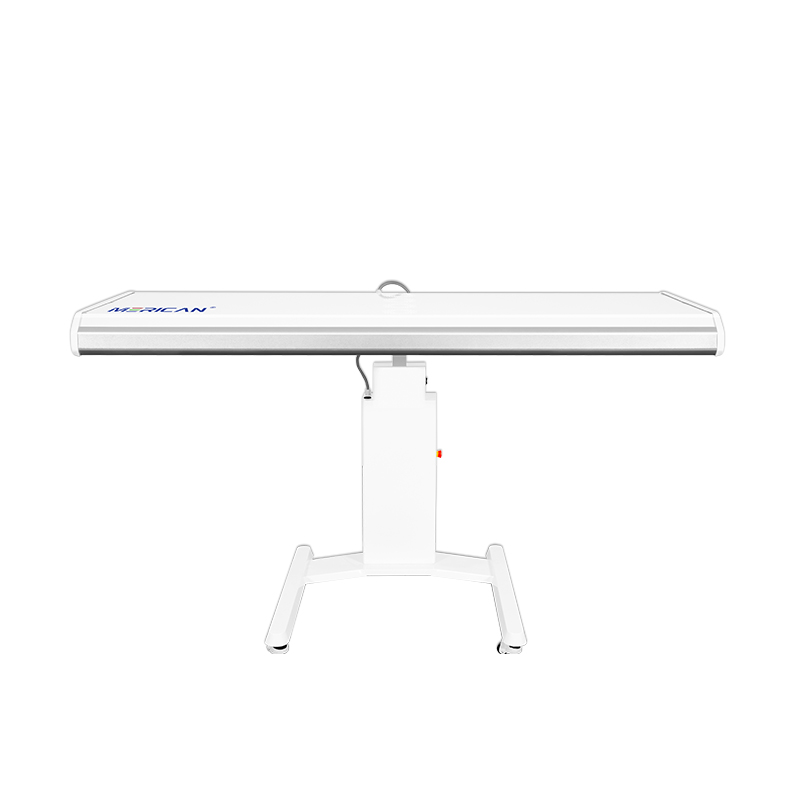
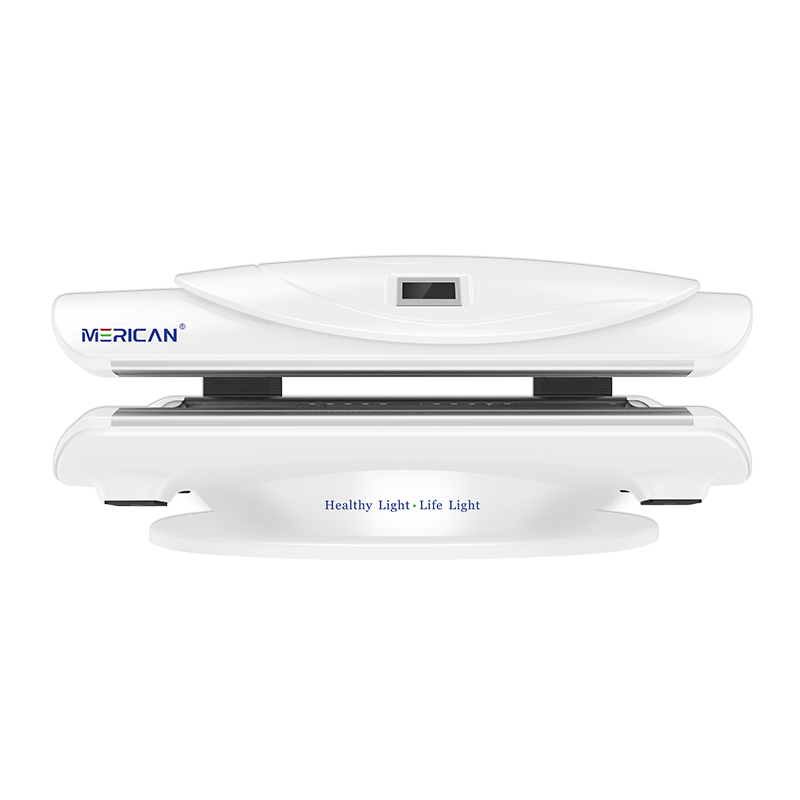
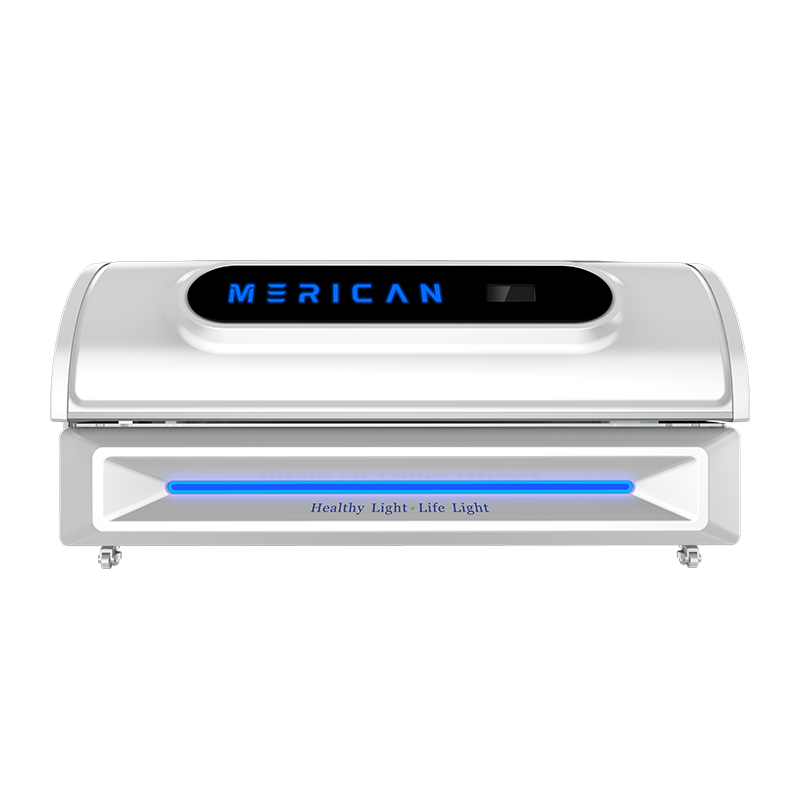
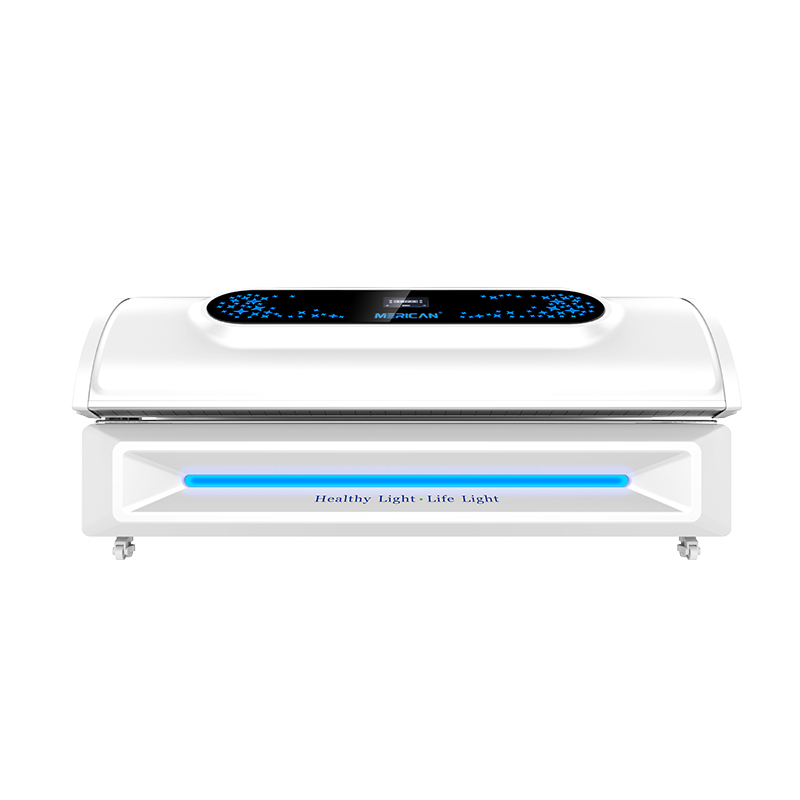
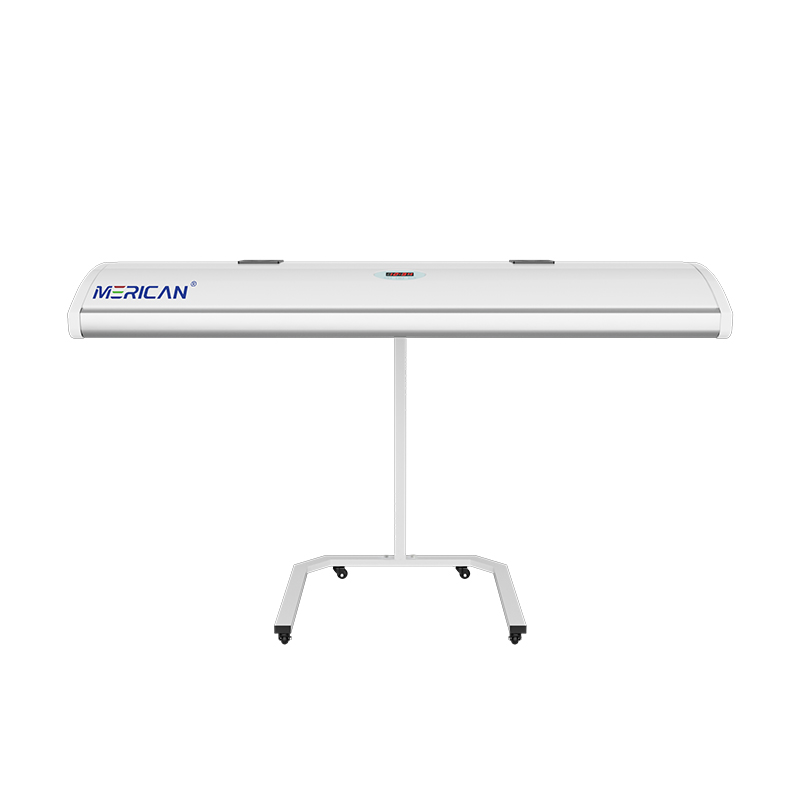
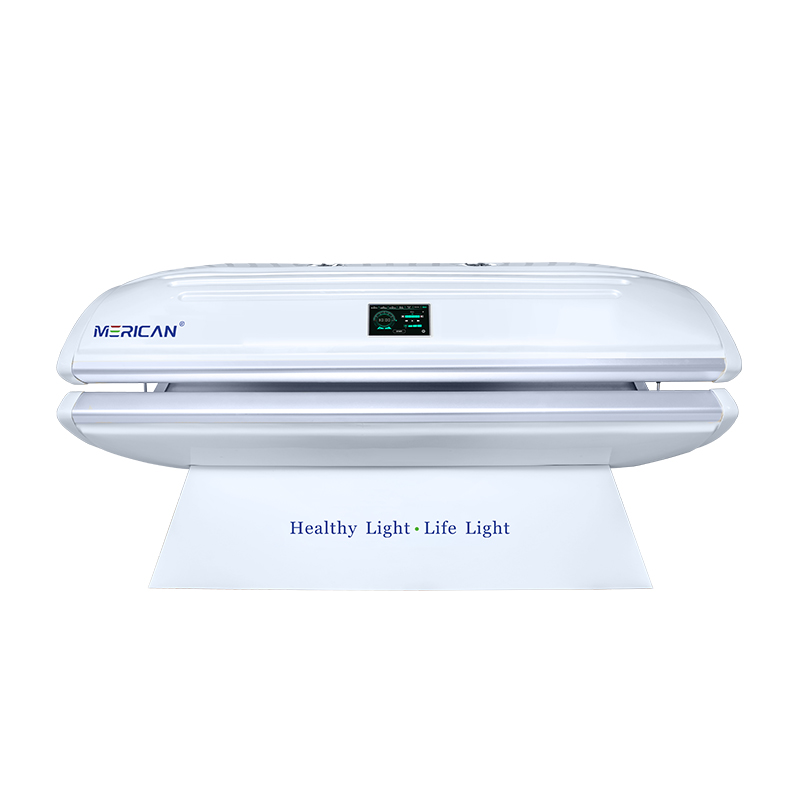
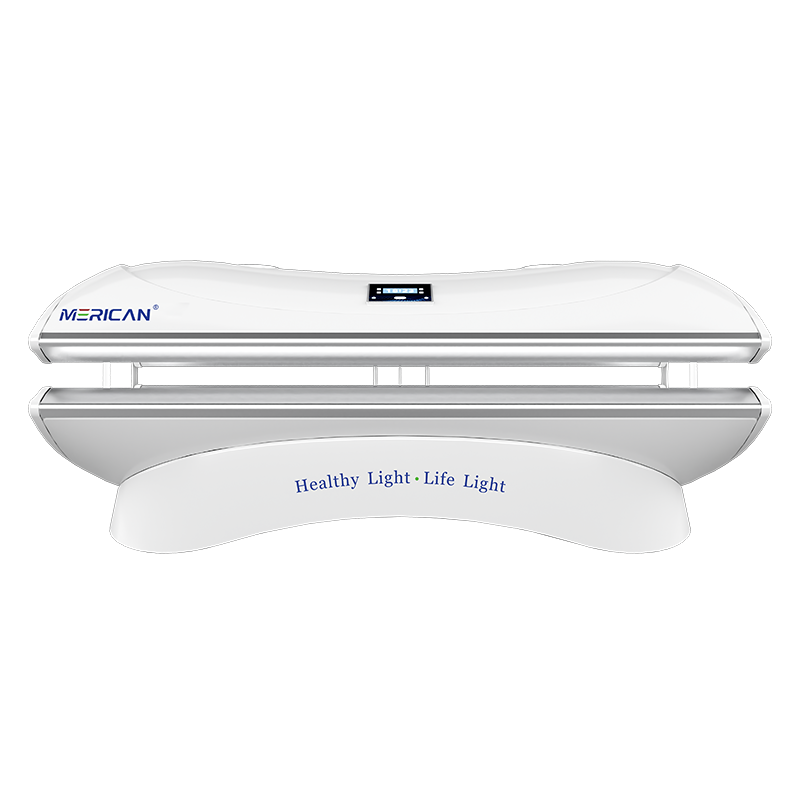
Terapia de luz roja (RLT), también conocido como fotobiomodulación, es un método no invasivo que utiliza longitudes de onda específicas del rojo y del infrarrojo cercano para apoyar los procesos biológicos naturales. A continuación se muestra una descripción general estructurada de los beneficios más comúnmente discutidos., Basado en investigaciones actuales y uso clínico..
1. Energía celular y soporte mitocondrial
La luz roja y la del infrarrojo cercano pueden:
- Estimular la actividad mitocondrial.
- Soporte ATP (energía celular) producción
- Mejorar la eficiencia celular
Este efecto fundamental ayuda a explicar muchos beneficios posteriores..
2. Salud y apariencia de la piel
Uno de los beneficios más reconocidos tiene que ver con la piel.:
- Tono y textura mejorados de la piel
- Apoyo a la producción de colágeno y elastina.
- Reducción de la apariencia de líneas finas.
- Apoyo a la cicatrización de heridas y cicatrices.
Estos efectos suelen estar asociados con 630–luz roja de 660 nm.
3. Recuperación muscular y rendimiento físico
Longitudes de onda del infrarrojo cercano (comúnmente ~850 nm) se utilizan a menudo para:
- Recuperación post-ejercicio
- Alivio temporal del dolor muscular.
- Apoyo a la reparación y circulación de tejidos.
Los deportistas y las clínicas de fisioterapia incorporan con frecuencia la terapia con luz roja en sus rutinas de recuperación..
4. Comodidad en las articulaciones y los tejidos blandos
La terapia con luz roja puede ayudar:
- Apoyar la flexibilidad de las articulaciones.
- Reducir la rigidez después de la actividad.
- Promover el confort en los tejidos conectivos.
Esta aplicación se beneficia de una penetración más profunda en el tejido..
5. Circulación y utilización de oxígeno.
La exposición a la luz puede:
- Fomentar la microcirculación.
- Mejorar el suministro de oxígeno a nivel celular.
- Apoyar el equilibrio metabólico
La mejora de la circulación contribuye tanto a la recuperación como a la salud de la piel..
6. Modulación de la inflamación
En lugar de "bloquear" la inflamación, La terapia con luz roja puede ayudar.:
- Apoyar respuestas inflamatorias saludables
- Promover una resolución más rápida después del estrés o una lesión.
Esto lo convierte en una herramienta complementaria en entornos de bienestar y rehabilitación..
7. Apoyo al sueño y al ritmo circadiano
Algunos usuarios reportan:
- Relajación mejorada
- Mejor calidad del sueño cuando se utiliza en rutinas nocturnas.
A diferencia de la luz azul, La luz roja es menos perjudicial para la producción de melatonina..
Conclusión
Los beneficios de la terapia con luz roja abarcan la salud de la piel, recuperación, circulación, y soporte de energía celular. Su versatilidad proviene de su capacidad para trabajar al mismo tiempo. nivel celular, Influir en múltiples sistemas sin intervención invasiva..