Sinus issues—such as congestion, pressure, facial pain, dolores de cabeza, and postnasal drip—are commonly caused by sinus inflammation due to allergies, infections, or chronic sinusitis. These symptoms can significantly affect breathing, dormir, and overall quality of life.
As more people seek non-invasive wellness approaches, red light therapy has gained attention as a potential supportive option. But can red light therapy help sinus problems? Let’s explore how it may work and what current research suggests.
¿Qué es la terapia con luz roja??
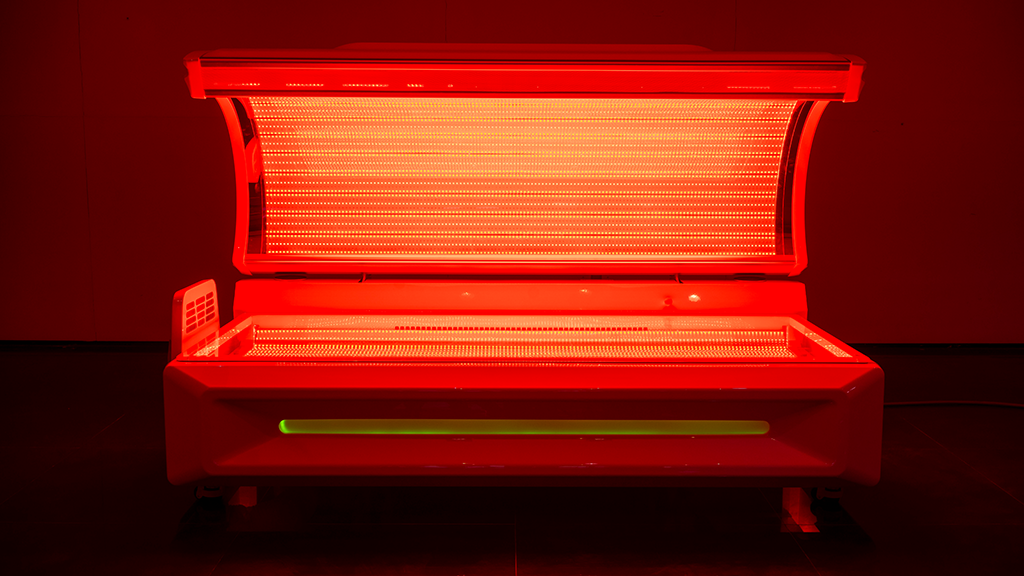
Terapia de luz roja, también conocido como fotobiomodulación (Pbm), utiliza longitudes de onda de bajo nivel rojo e infrarrojo cercano, generalmente entre 630 nm y 880 nm—para estimular la actividad celular.
A diferencia de la luz UV, red light therapy does not damage tissues. En cambio, it works at a cellular level to support circulation, inflammation regulation, y recuperación de tejidos.
How Red Light Therapy May Support Sinus Health
Red light therapy is not a cure for sinus infections or structural sinus problems, but it may help relieve symptoms through several mechanisms:
1. Helps Reduce Sinus Inflammation
Inflammation of the sinus lining is a key cause of congestion and pressure. Red light therapy may help modulate inflammatory responses and reduce swelling in sinus tissues.
2. Supports Natural Drainage
By improving local circulation, red light therapy may help reduce fluid buildup, supporting more comfortable sinus drainage.
3. May Help Relieve Sinus Pressure and Facial Pain
Reduced inflammation and improved circulation may ease pressure around the forehead, mejillas, and nasal passages.
4. Supports Tissue Recovery
Photobiomodulation can support cellular energy production, helping sinus tissues recover after irritation or infection.
¿Qué dice la investigación??
Research on photobiomodulation suggests beneficial effects for inflammation control, tissue healing, y alivio del dolor. Some small studies and clinical observations indicate that low-level light therapy may help improve symptoms in chronic sinusitis and nasal inflammation.
Sin embargo, red light therapy does not replace antibiotics, antihistamines, nasal corticosteroids, or medical sinus treatments when needed. It should be viewed as a complementary wellness approach.
How Red Light Therapy Is Used for Sinus Support
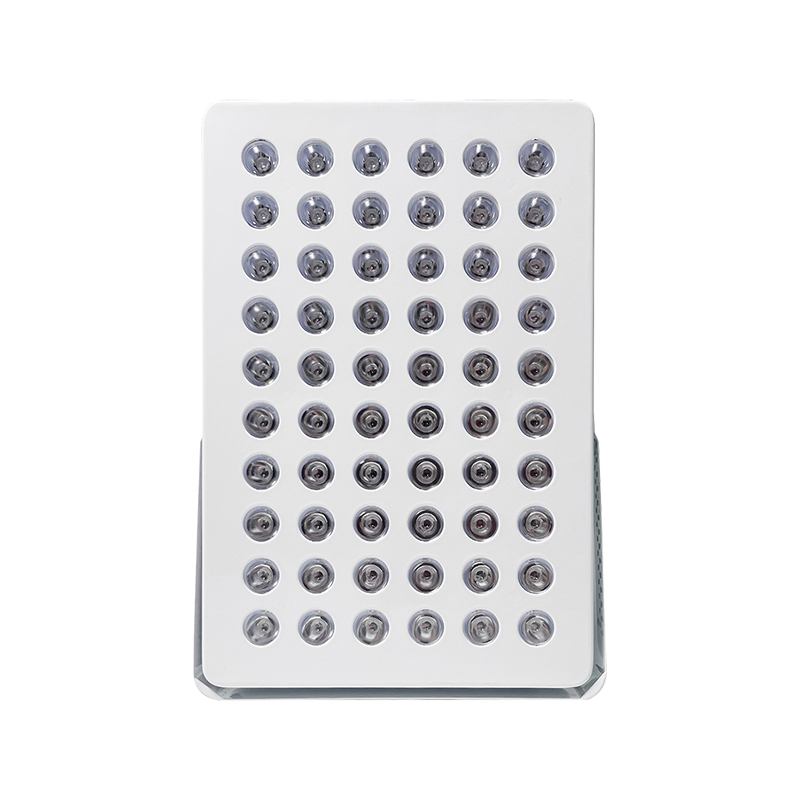
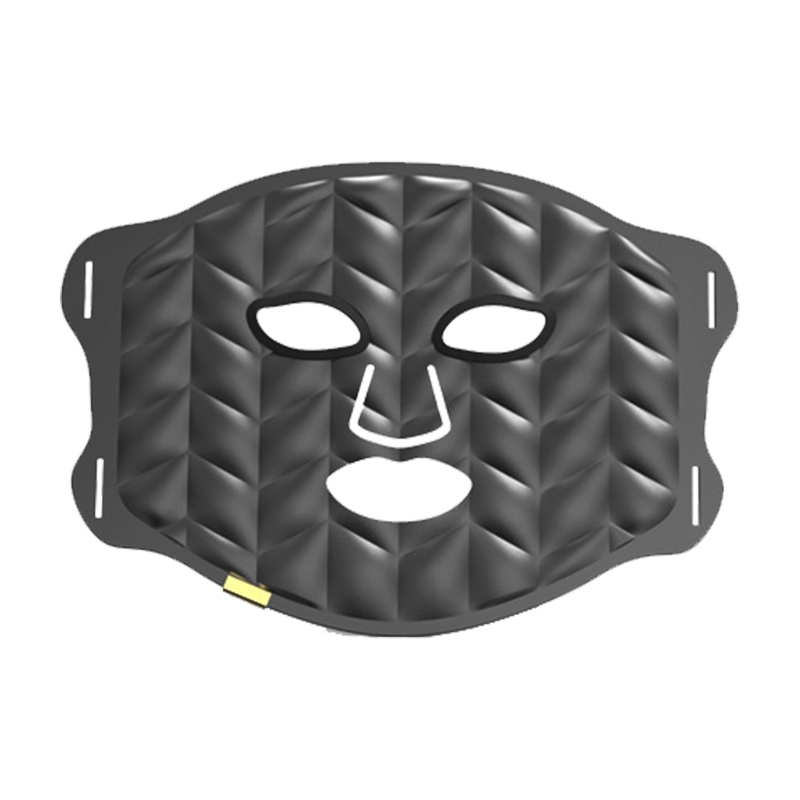
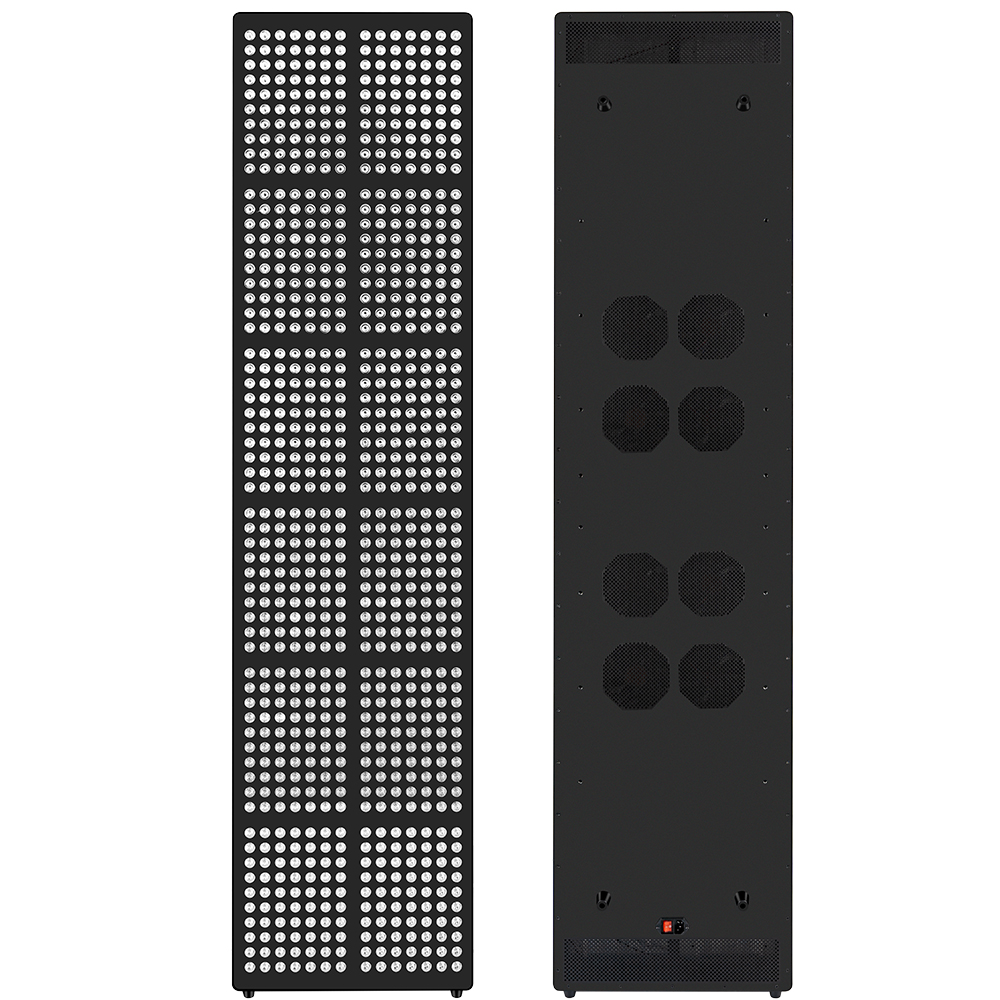
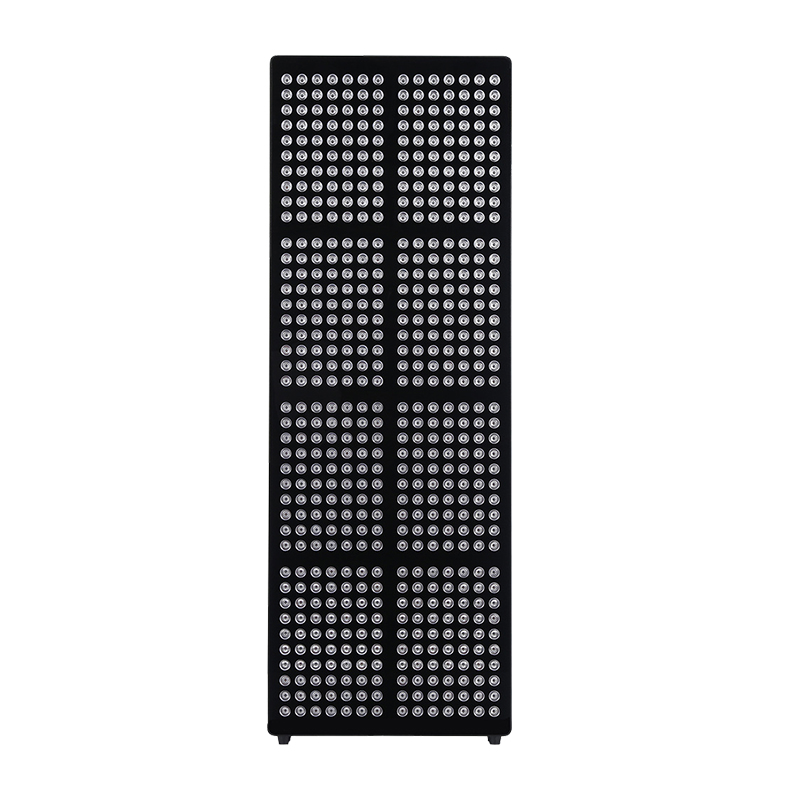
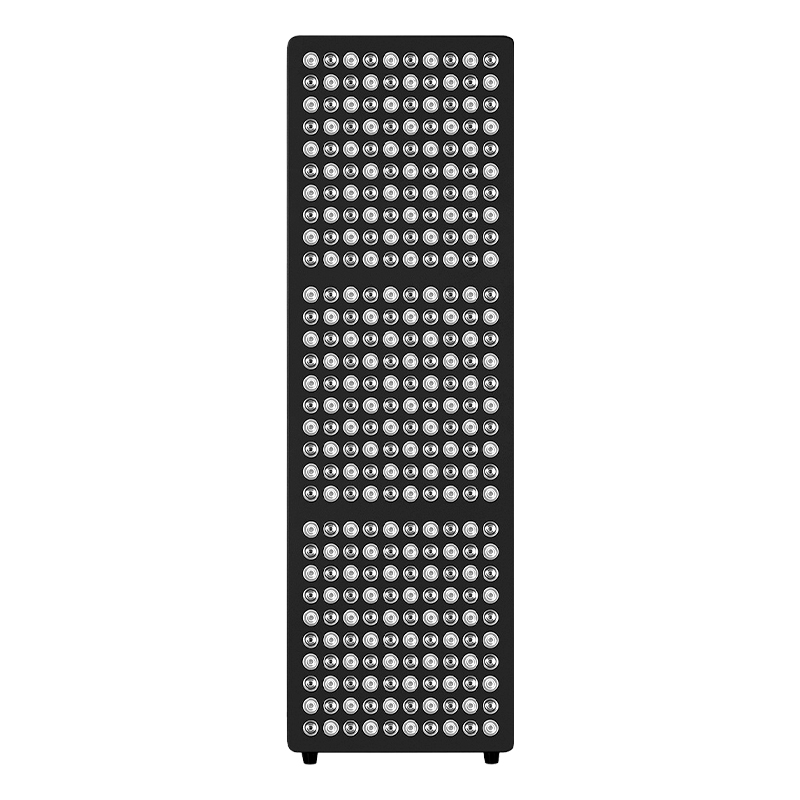
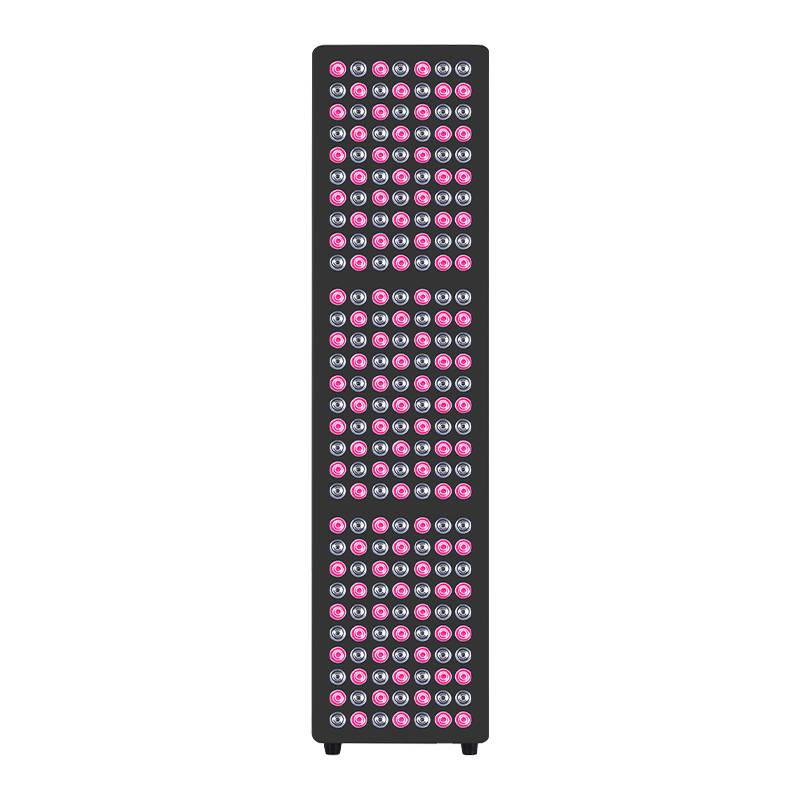
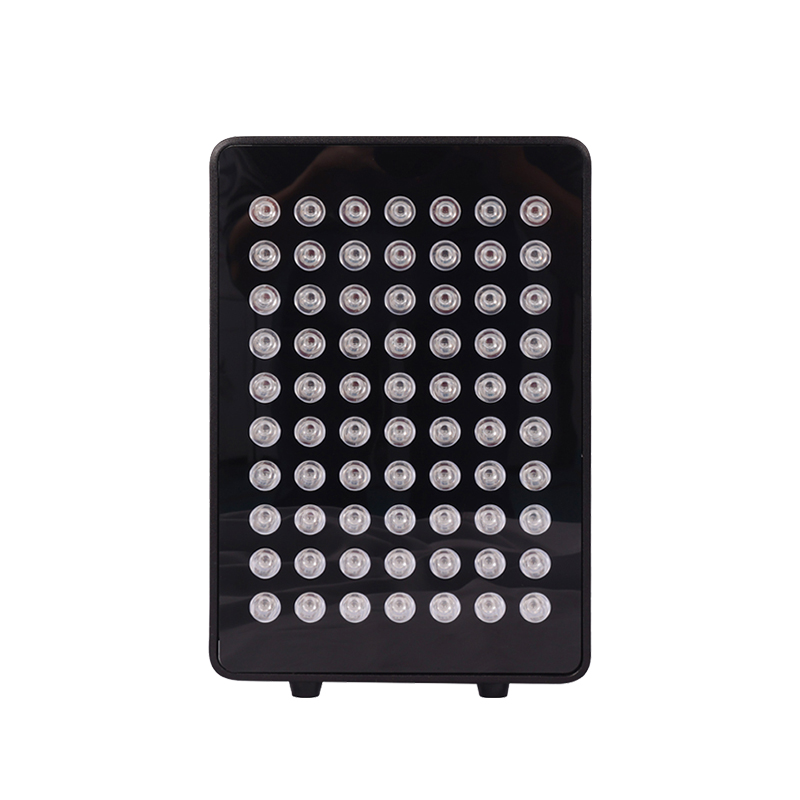
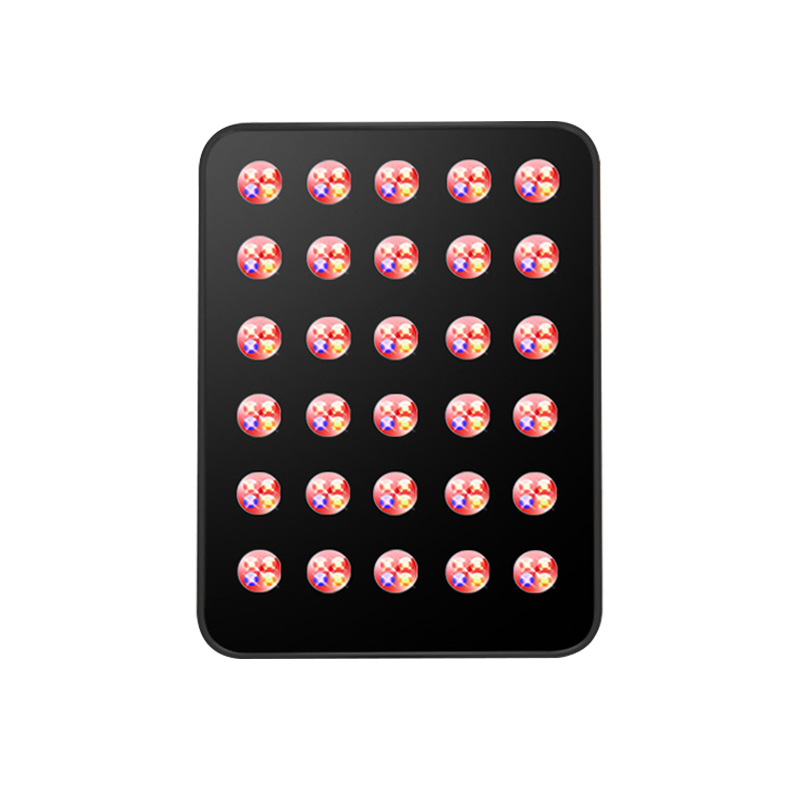
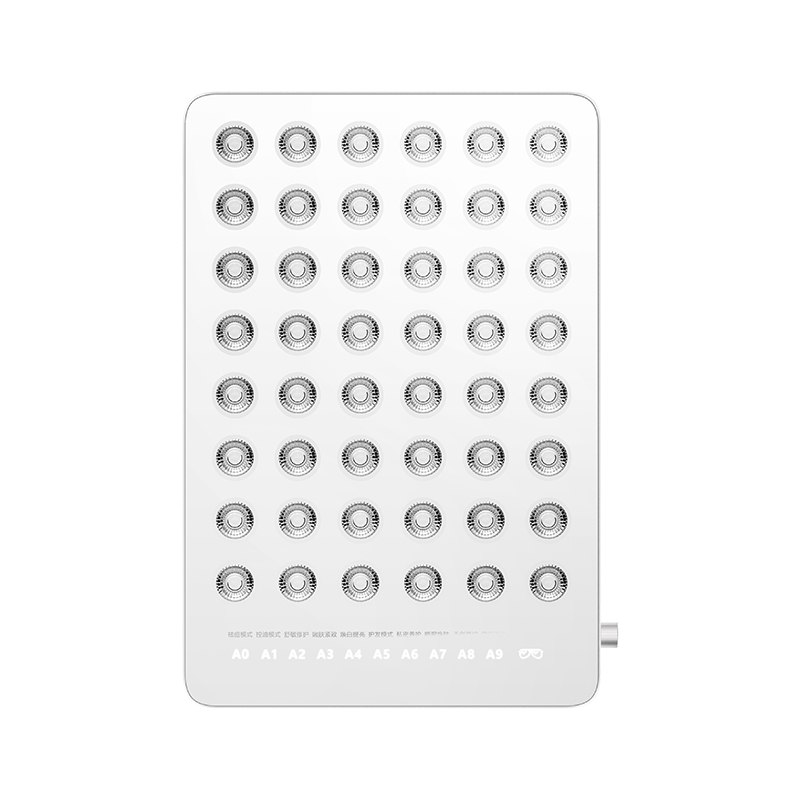
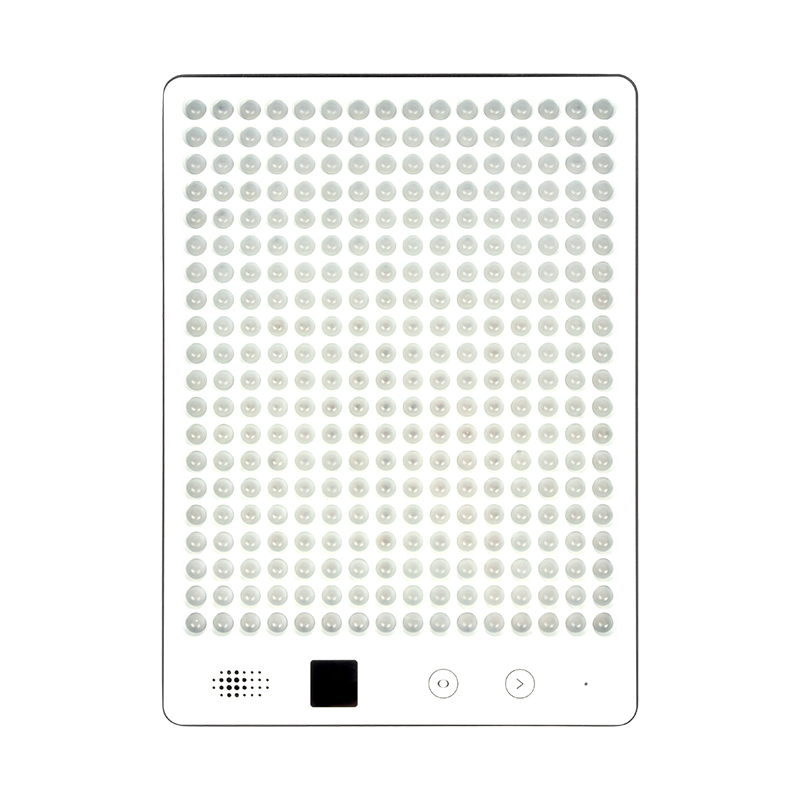
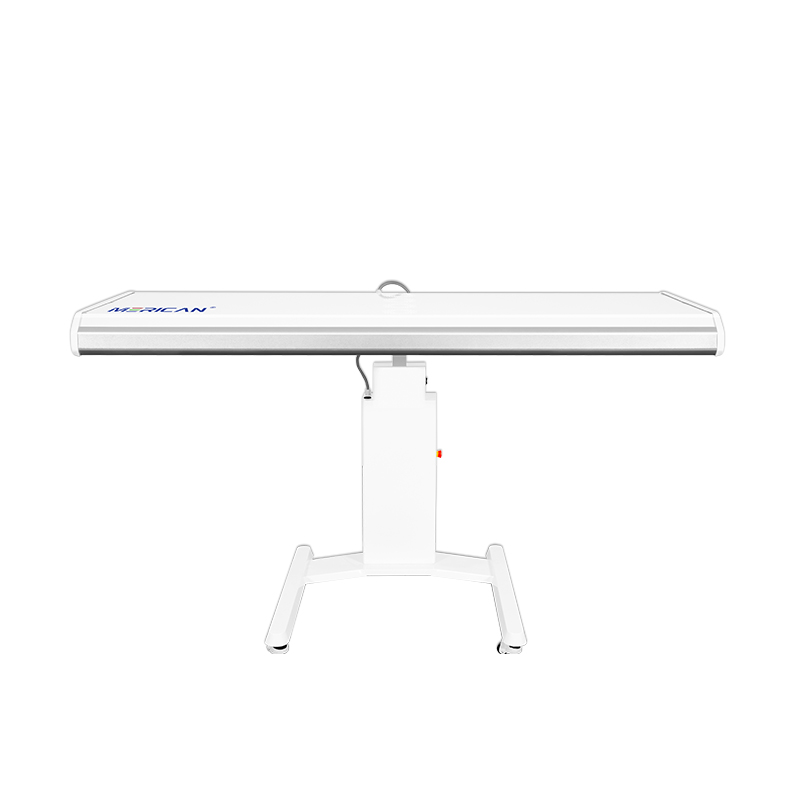
Red light therapy may be applied externally to the facial sinus areas or upper nasal region using low-power, targeted devices or professional-grade systems.
Las pautas generales orientadas al bienestar incluyen:
- Longitudes de onda: 630–660 nm (rojo) and 830–850 nm (infrarrojo cercano)
- Duración de la sesión: 5–10 minutos por área
- Frecuencia: 3–5 sesiones por semana
- Áreas de aplicación: Forehead, mejillas, y puente nasal (eyes protected)
Consistency over several weeks is typically required to notice symptom improvement.
Seguridad y consideraciones importantes
- Red light therapy should not be used directly in the nasal cavity unless under professional supervision
- Eye protection is recommended when treating facial areas
- Persistent sinus pain, fiebre, or thick nasal discharge should be evaluated by a healthcare professional
Red light therapy is best used as part of a broader sinus care plan, including hydration, nasal rinses, and allergen management.
Pensamientos finales
Entonces, can red light therapy help sinuses? While it cannot cure sinus infections or structural sinus issues, La terapia con luz roja puede ayudar. reducir la inflamación, ease pressure, mejorar la circulación, and support sinus comfort when used consistently and safely.
For individuals looking for a gentle, non-invasive way to support sinus health and breathing comfort, red light therapy may be a valuable complementary option.
Preguntas frecuentes
q: Can red light therapy clear a sinus infection?
A: No. Sinus infections require medical treatment. Red light therapy may help support symptom relief during recovery.
q: Is red light therapy safe for the face?
A: Sí, when used properly with appropriate wavelengths and eye protection.
q: ¿Cuánto tiempo se tarda en ver resultados??
A: Some users notice improvement within 1–2 weeks of consistent use, while chronic sinus issues may take longer.