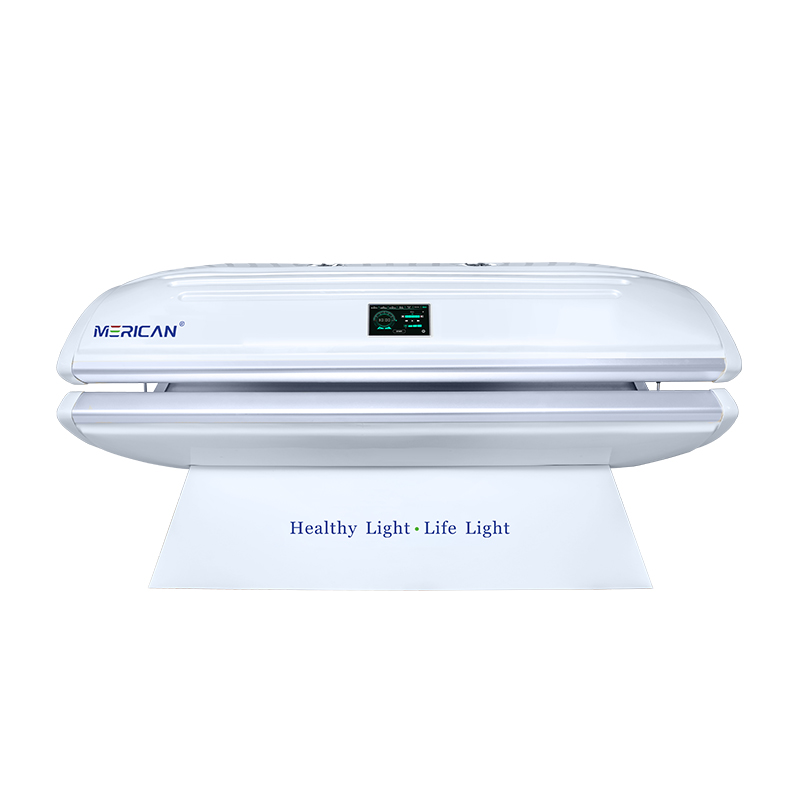
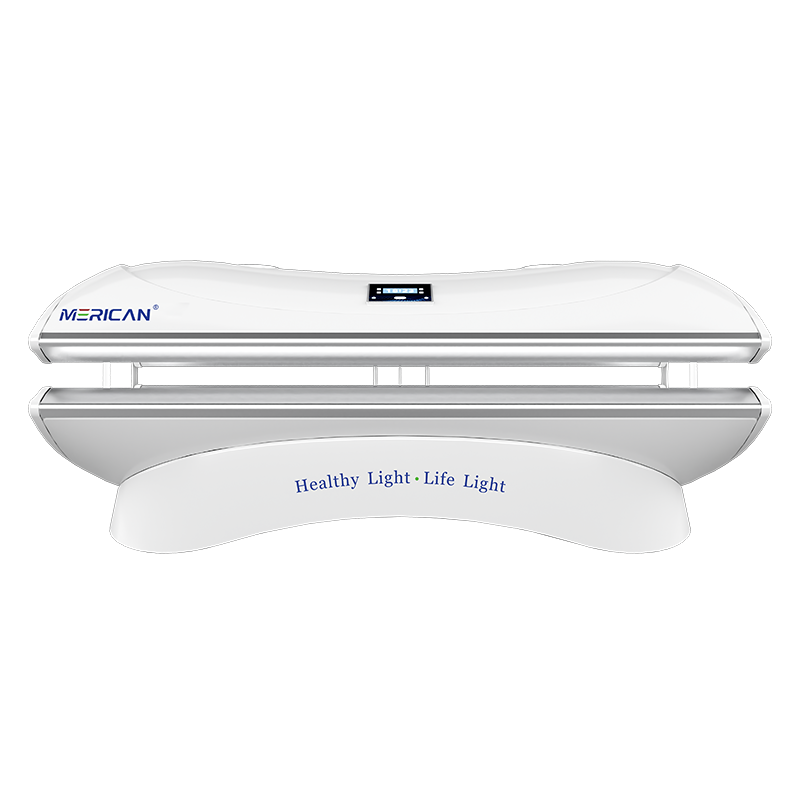
Introducción
Skin rashes are a common concern caused by allergies, irritación, infections, heat, or chronic skin conditions. Many people searching for non-invasive skincare solutions ask: Is red light therapy good for rashes?
Terapia de luz roja (RLT), también conocido como fotobiomodulación, is widely used for skin rejuvenation and inflammation reduction. But can it help calm irritated skin?
What Causes Skin Rashes?
A rash is not a diagnosis — it’s a symptom. Common causes include:
- Dermatitis de contacto (allergic or irritant reactions)
- Heat rash
- Eczema (dermatitis atópica)
- Soriasis
- Mild inflammatory skin conditions
Most rashes involve inflammation, enrojecimiento, picor, and sometimes swelling. Reducing inflammation and supporting skin repair are central to treatment.
How Red Light Therapy May Help
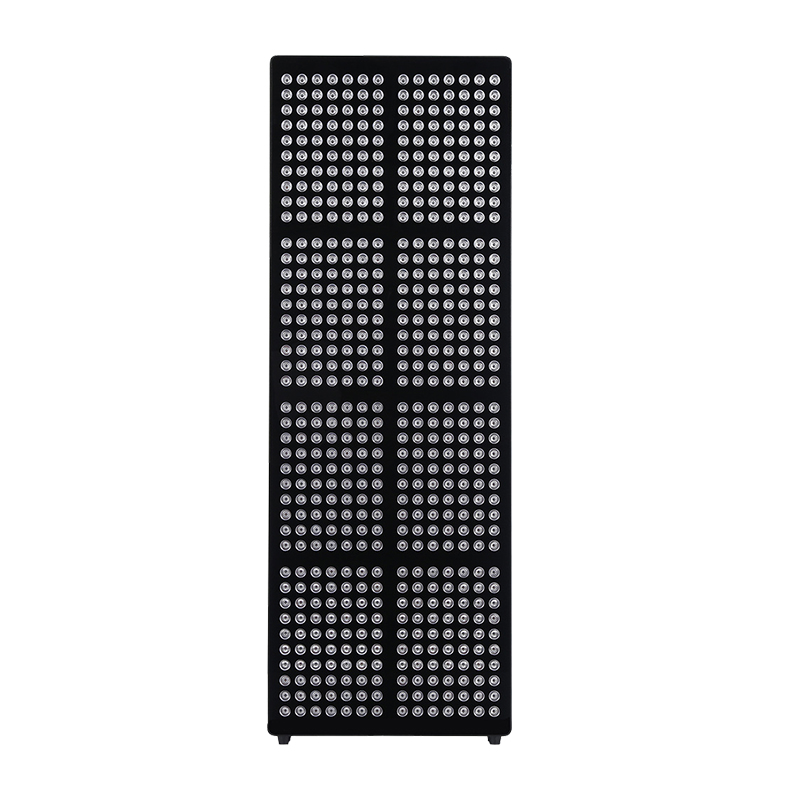
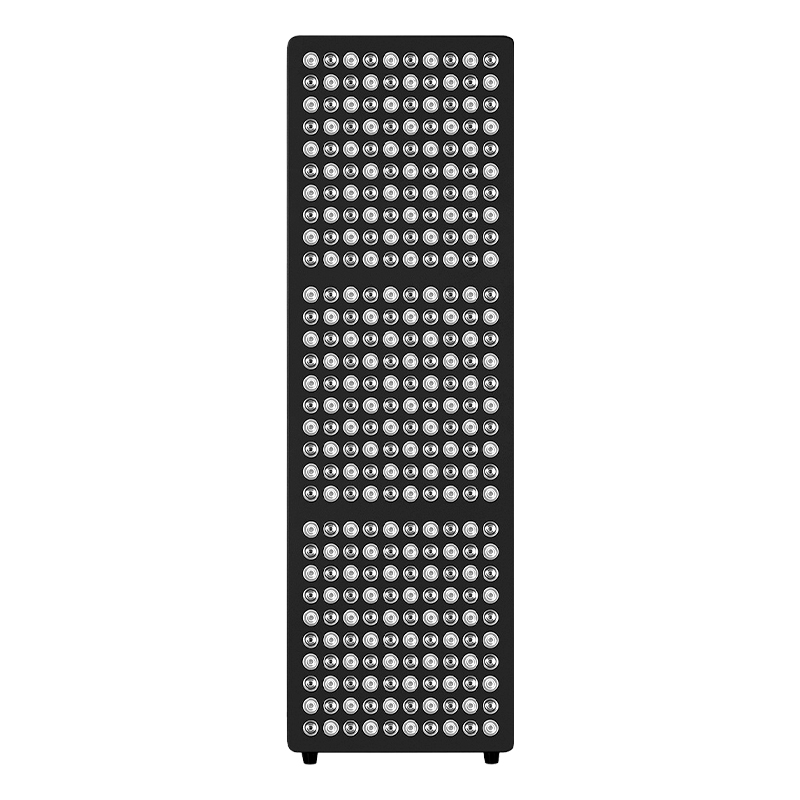
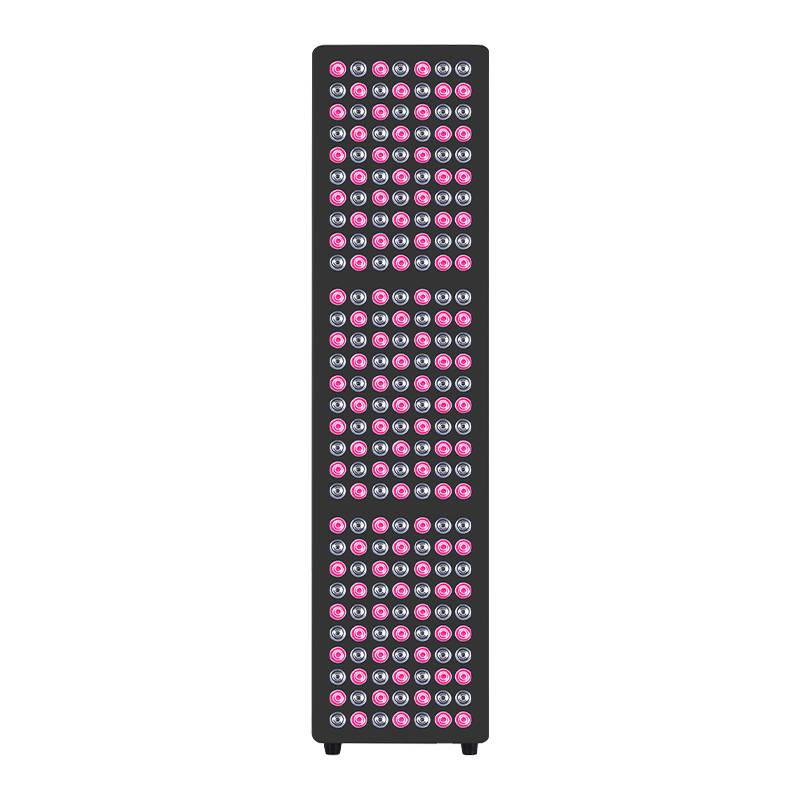
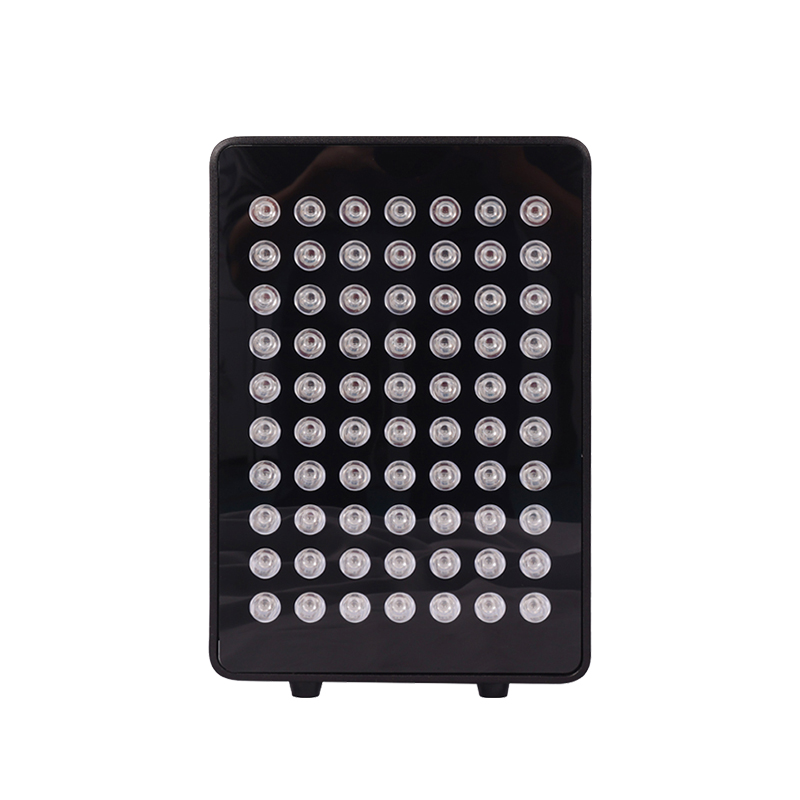
Red light therapy typically uses wavelengths between 630–660nm, sometimes combined with near-infrared light (810–850 nm). These wavelengths may:
- Reduce inflammatory cytokines
- Mejorar la circulación sanguínea local.
- Stimulate collagen production
- Apoya la reparación de la barrera cutánea.
- Decrease redness and irritation
Al mejorar la energía celular (Producción de ATP), red light therapy helps skin cells regenerate more efficiently.
What Research Suggests
Clinical studies show photobiomodulation may benefit inflammatory skin conditions such as:
- Mild eczema
- Soriasis
- Acne-related inflammation
While red light therapy is not a cure for underlying dermatological disorders, it may reduce visible redness and discomfort associated with certain non-infectious rashes.
Important Safety Considerations
Red light therapy may be helpful for inflammatory rashes, but it is no recomendado para:
- Bacterial or fungal infections without medical treatment
- Open wounds unless supervised
- Undiagnosed severe skin eruptions
If a rash worsens, spreads rapidly, or is accompanied by fever, medical evaluation is necessary.
Veredicto final
Is red light therapy good for rashes?
It may help soothe inflammatory, non-infectious rashes by reducing redness and supporting skin healing. Sin embargo, proper diagnosis is essential before starting treatment.