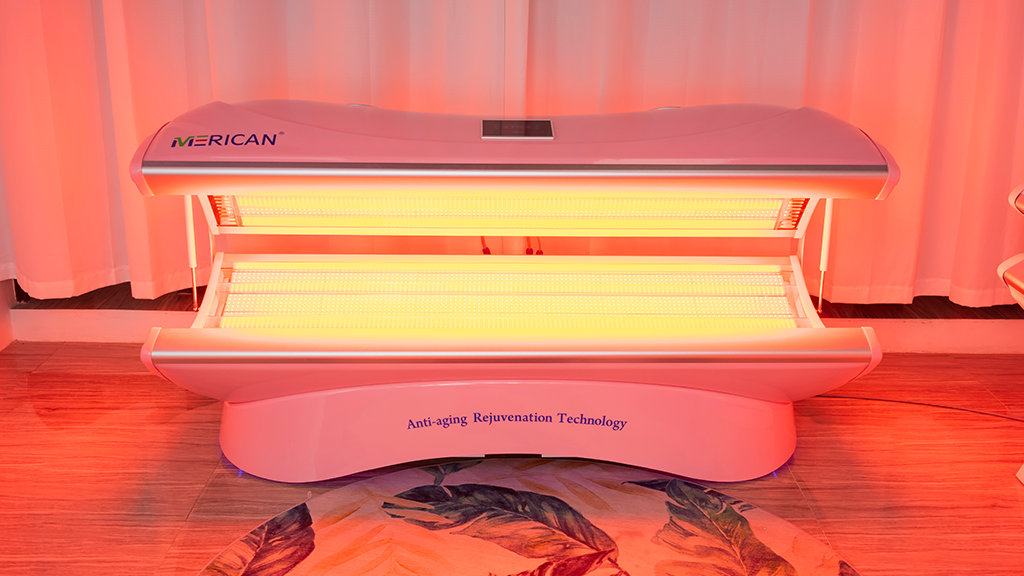
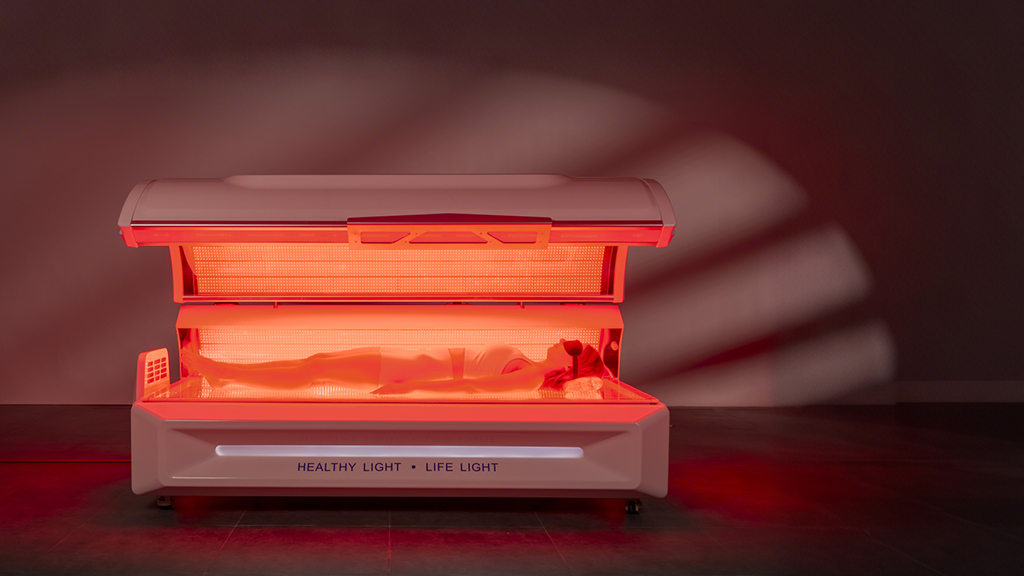
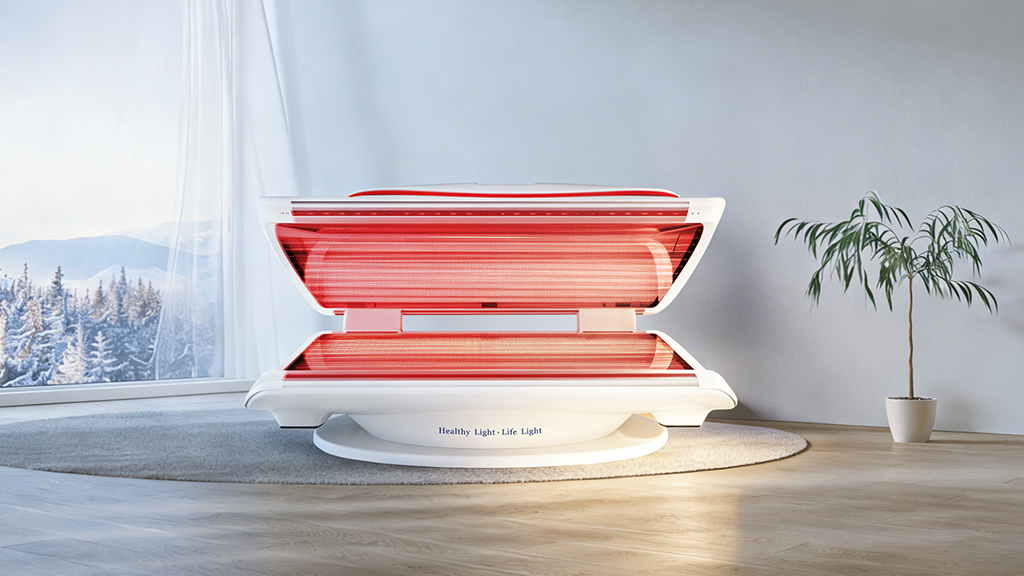
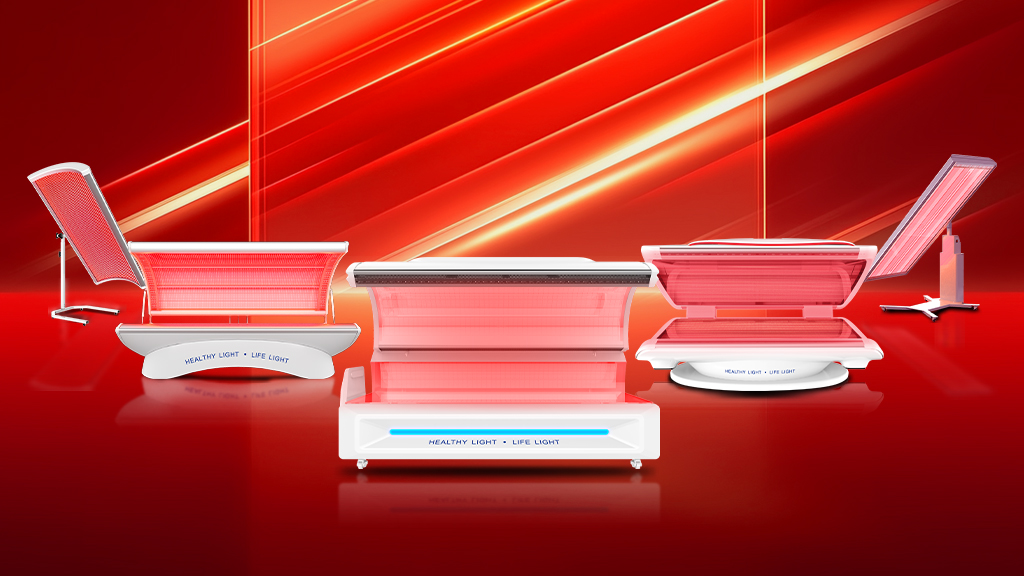
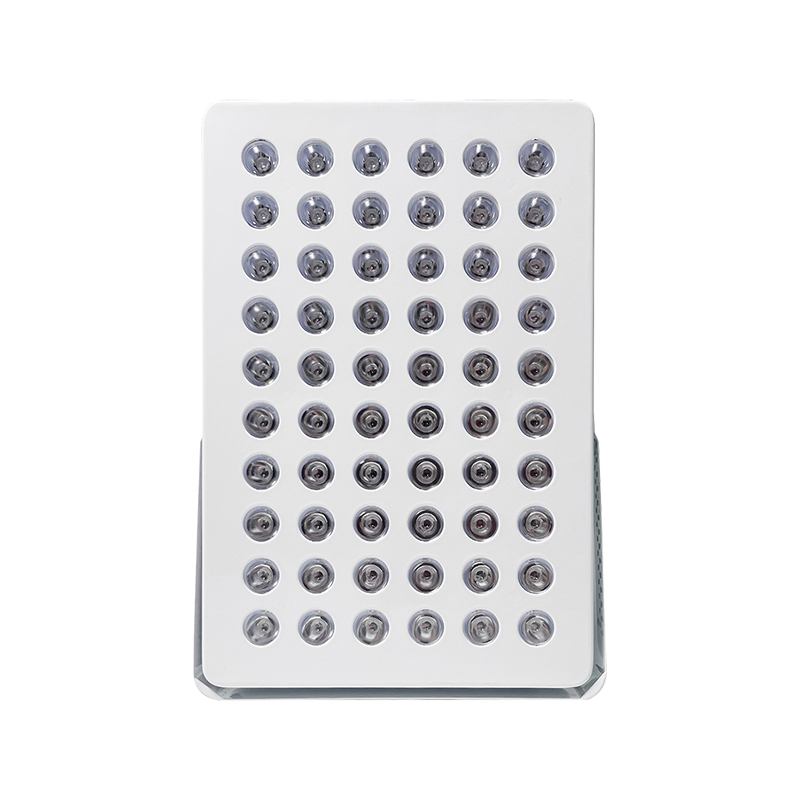
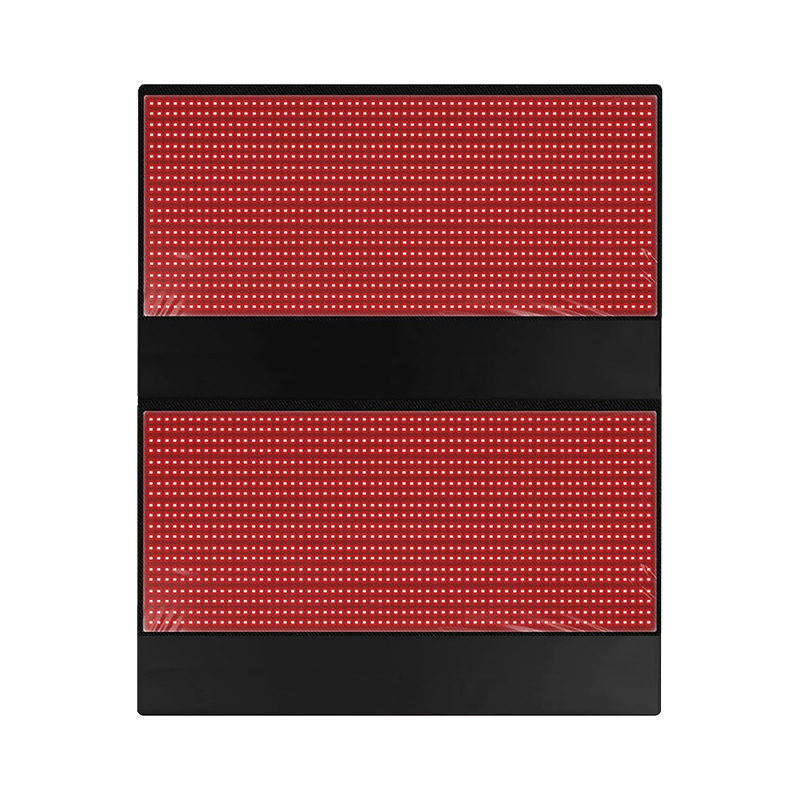
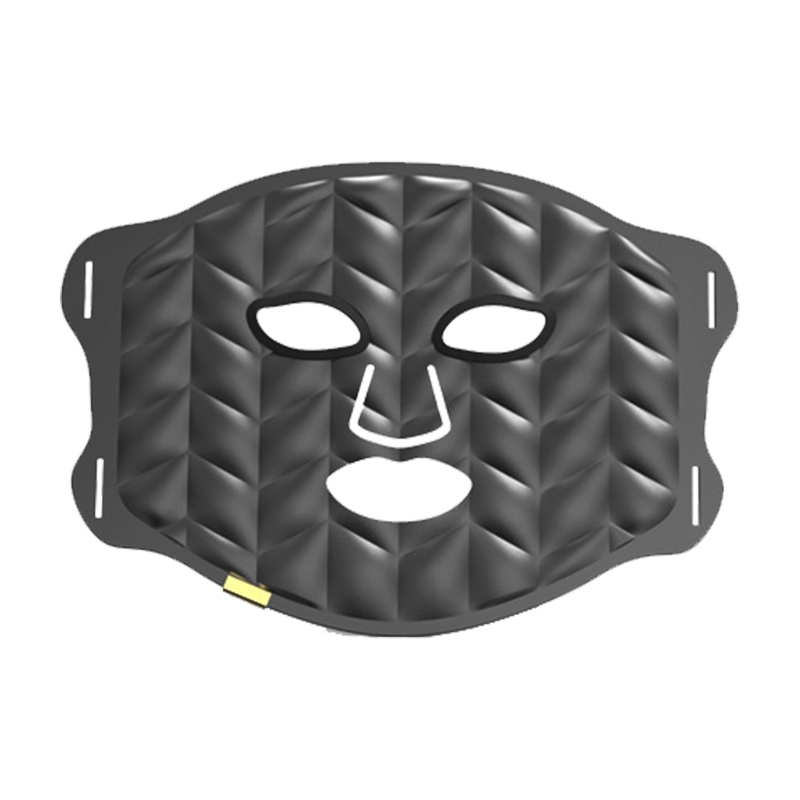
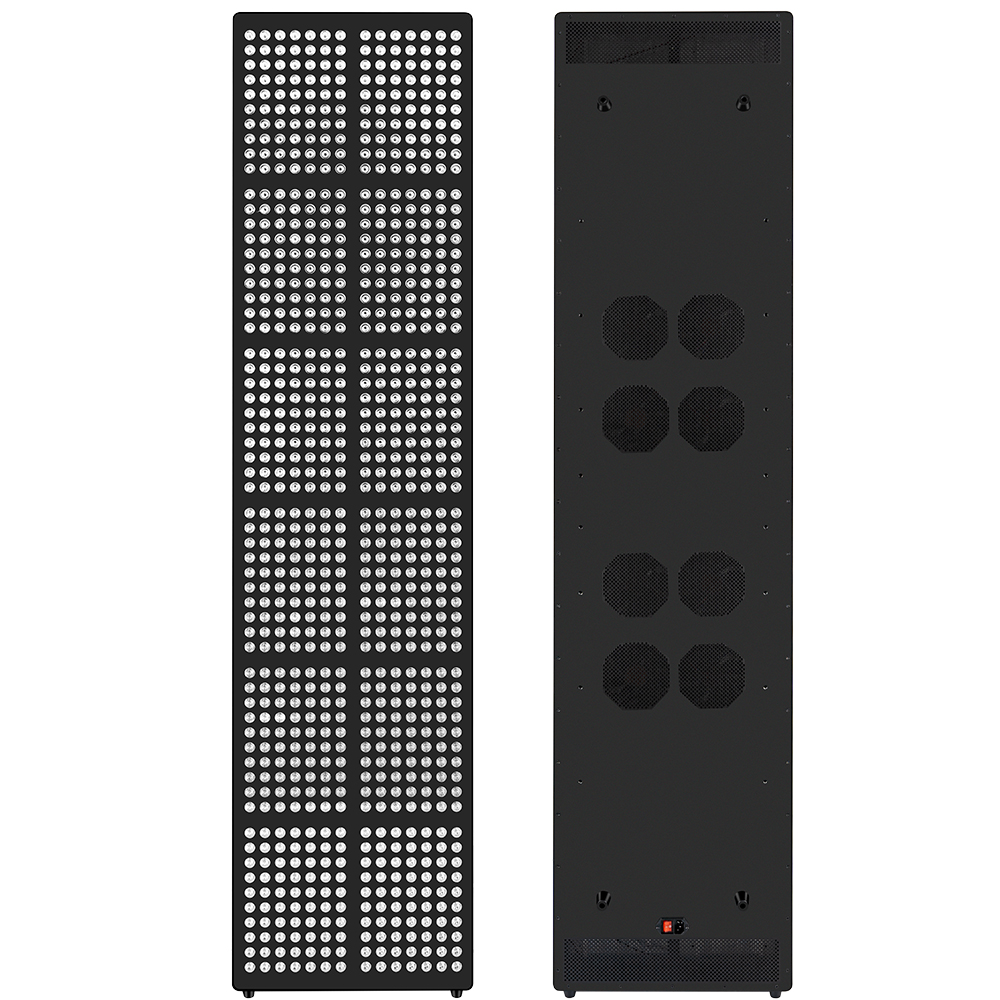
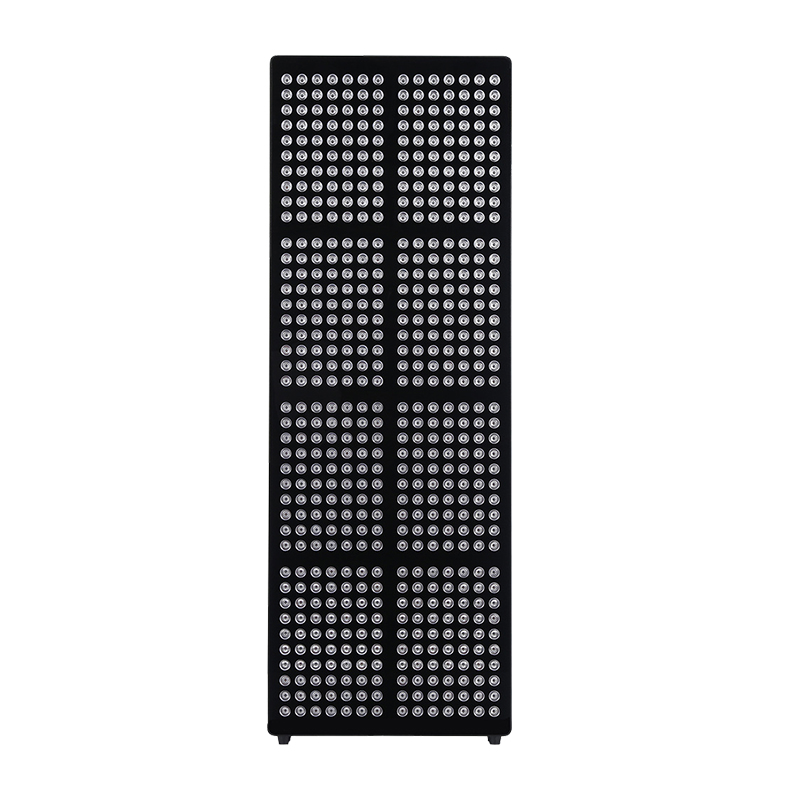
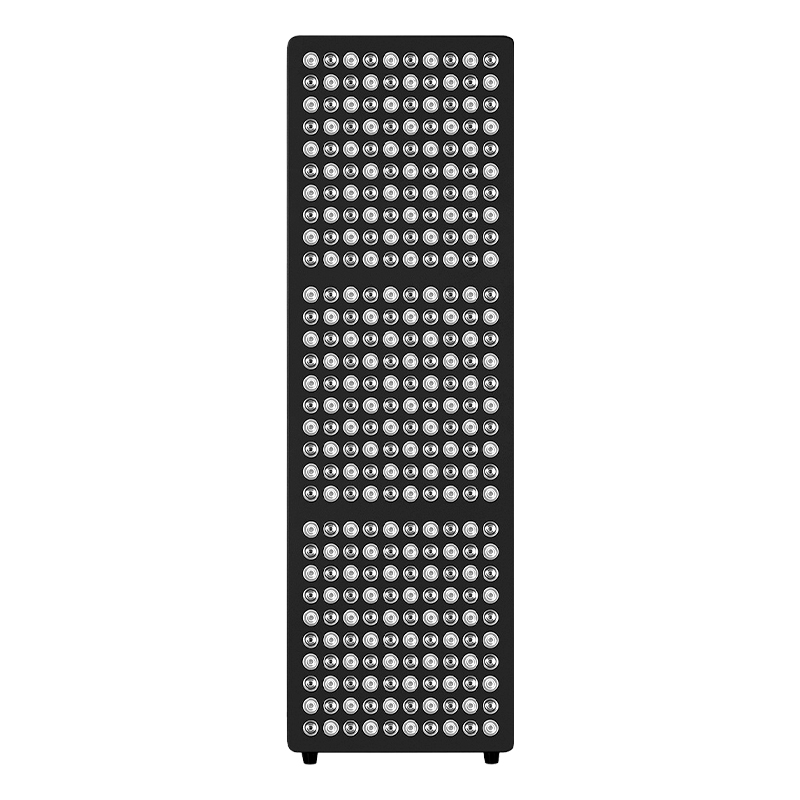
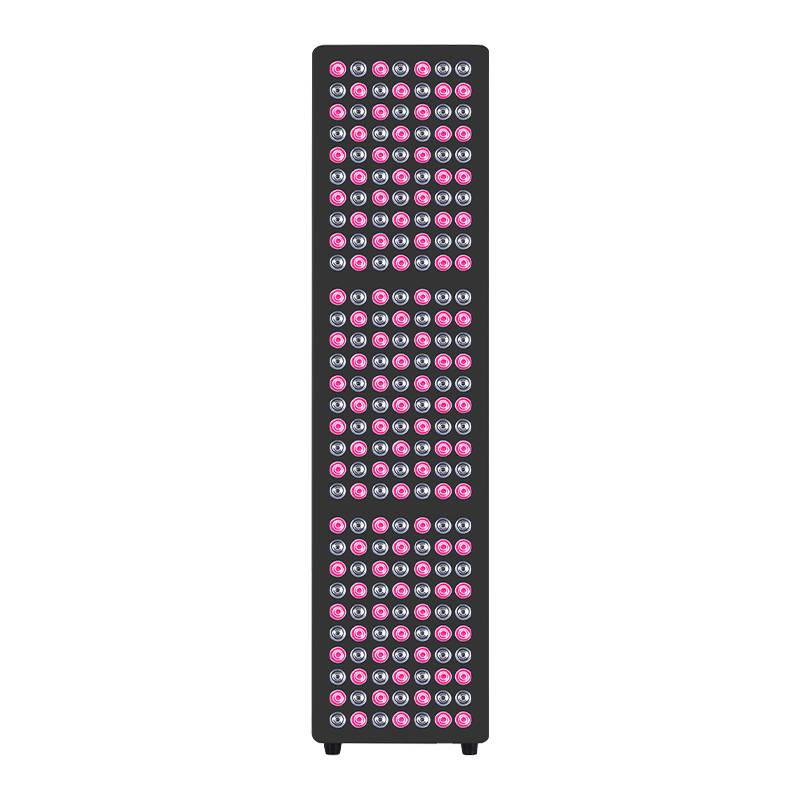
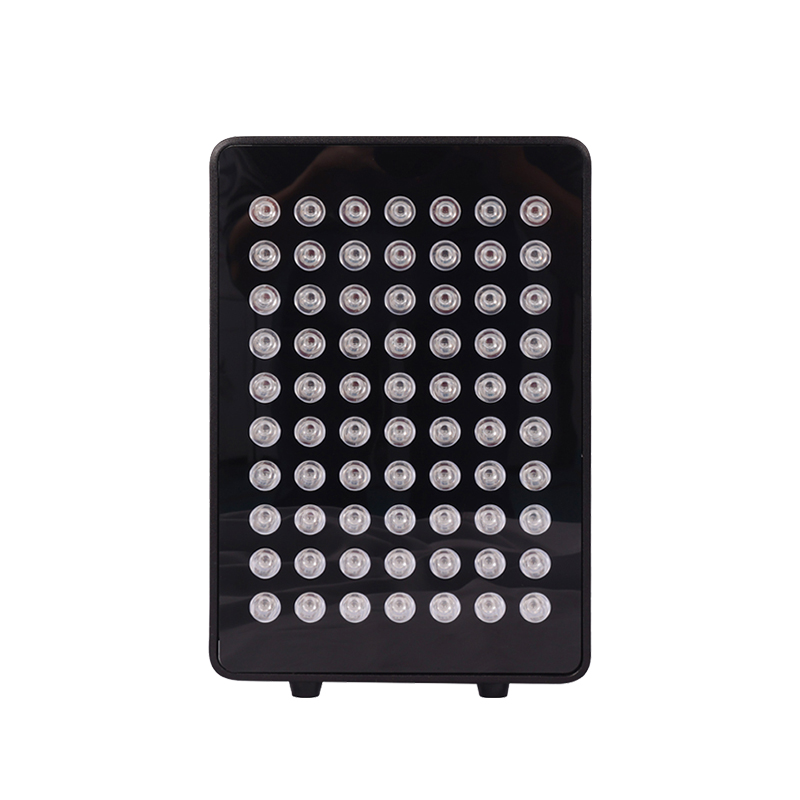
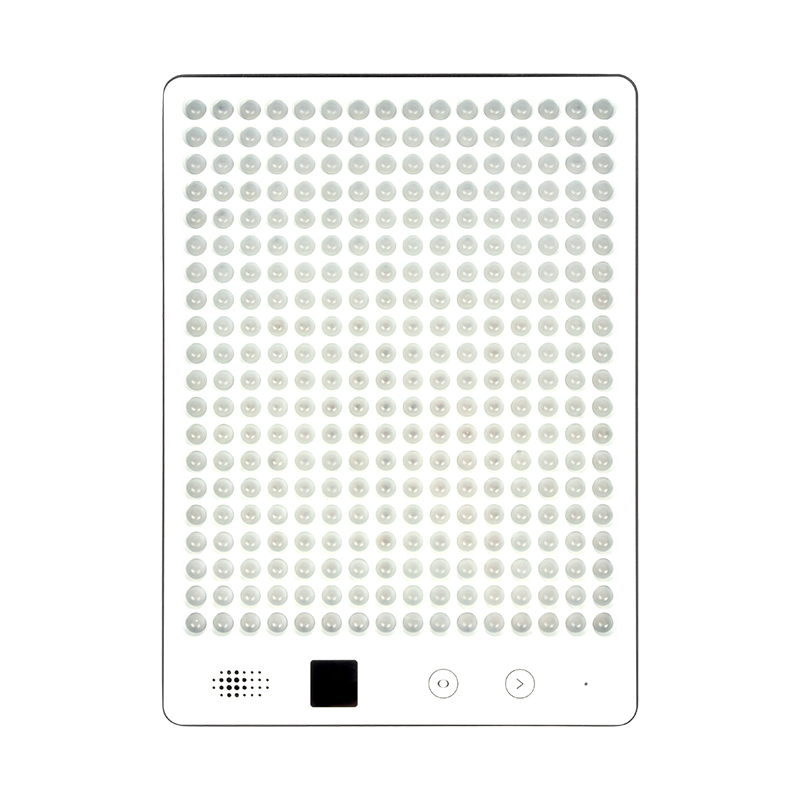
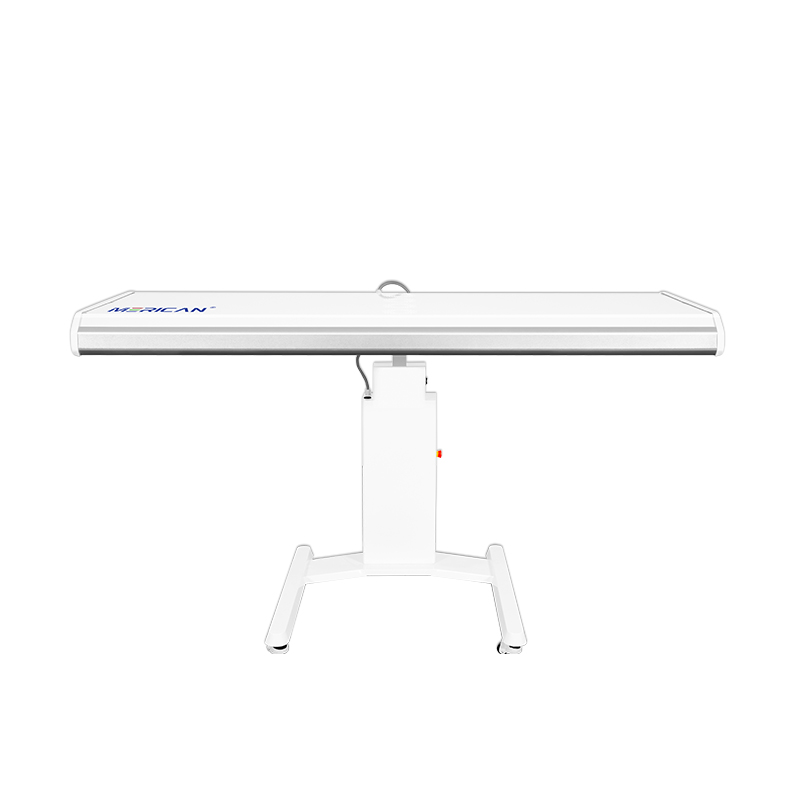
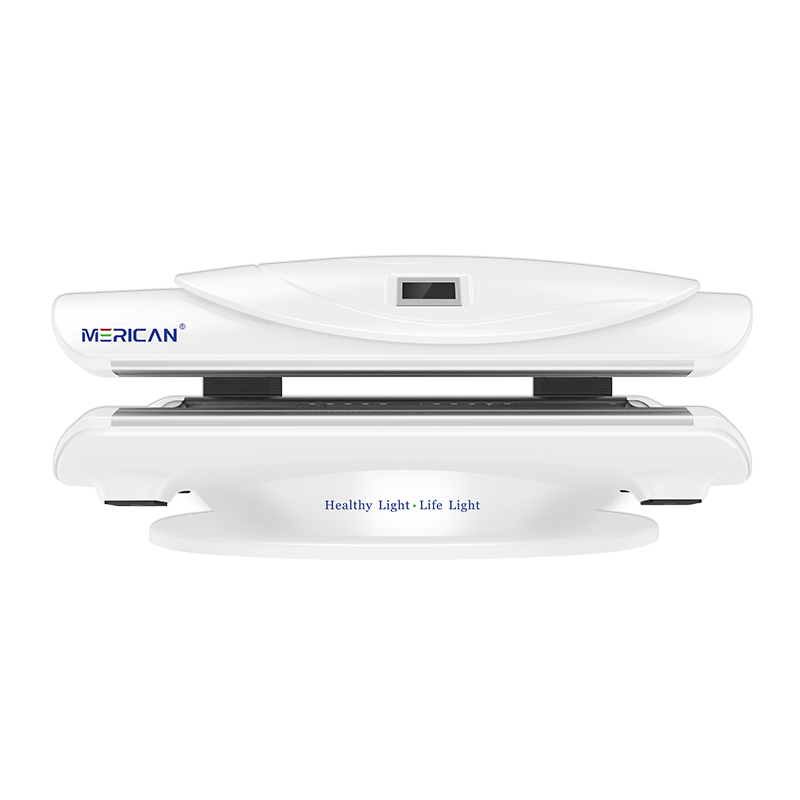
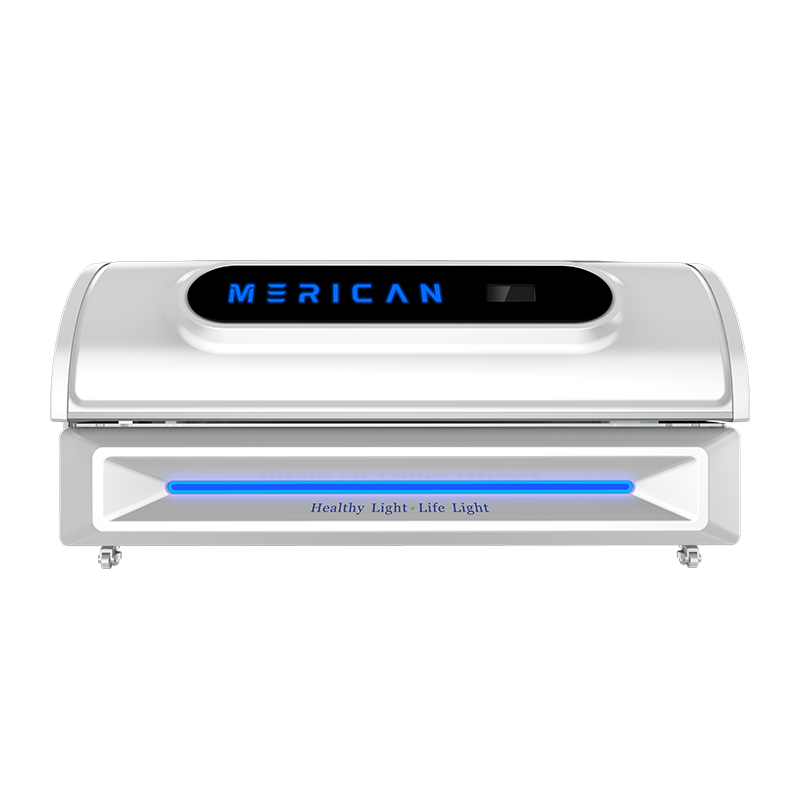
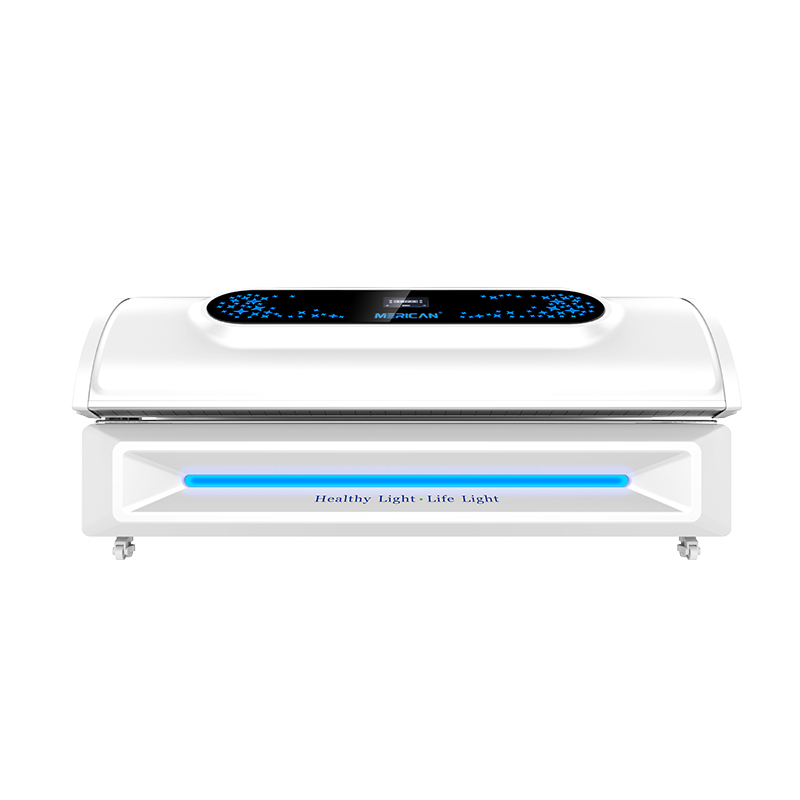
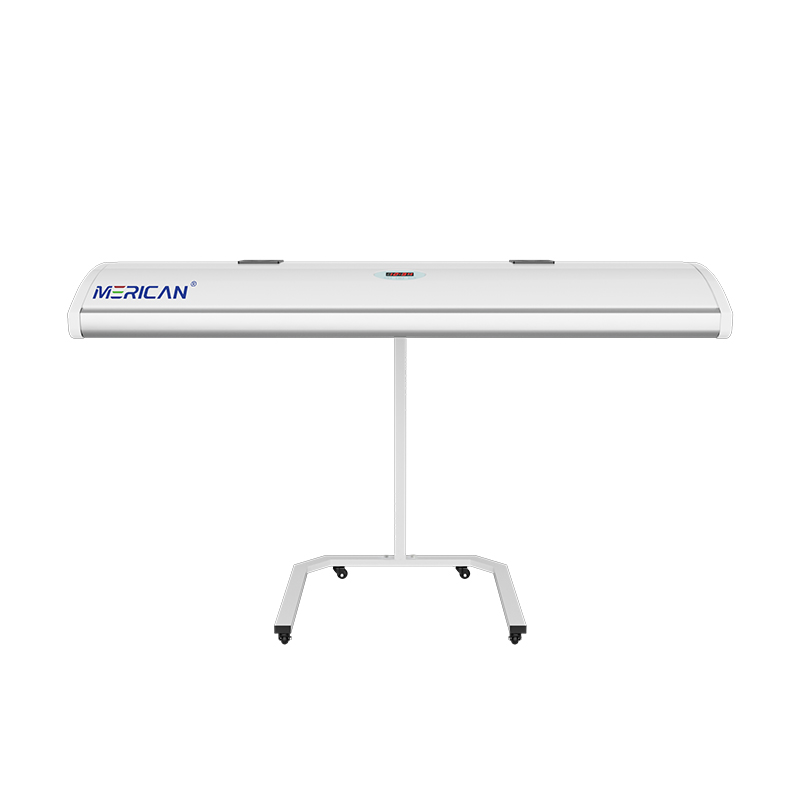
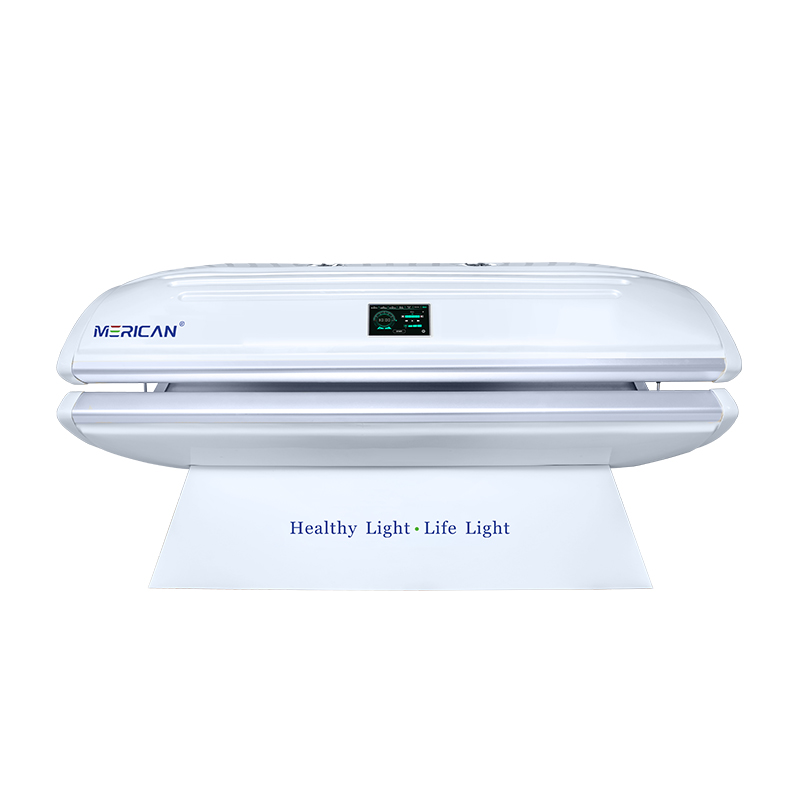
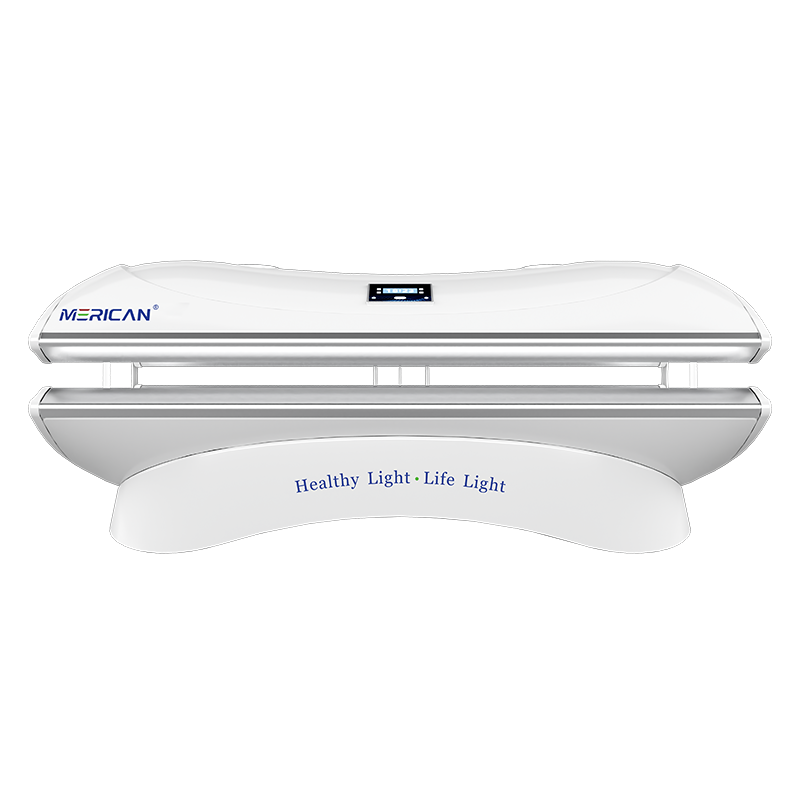
No, terapia de luz roja y camas de bronceado no son lo mismo, y tienen propósitos muy diferentes. Aquí hay un desglose de las diferencias clave.:
1. Tipo de luz
- Camas de bronceado: Las camas de bronceado utilizan principalmente ultravioleta (ultravioleta) luz, específicamente los rayos UVA y UVB, para estimular la producción de melanina en la piel, lo que resulta en un bronceado. La exposición prolongada a los rayos UV puede aumentar el riesgo de daño a la piel, envejecimiento prematuro, y cáncer de piel.
- Terapia de luz roja: Usos de la terapia con luz roja. luz roja de baja longitud de onda (normalmente entre 630 y 700 nm), que no provoca bronceado ni daña la piel. Esta luz está diseñada para penetrar la superficie de la piel y estimular procesos biológicos como producción de colágeno, reparación celular, y curación de heridas.
2. Objetivo
- Camas de bronceado: El objetivo principal de las camas solares es broncear la piel promoviendo la producción de melanina.. Los rayos ultravioleta en las camas de bronceado estimulan la pigmentación, oscureciendo la piel. Algunas camas solares también ofrecen una combinación de Luz ultravioleta y roja. para beneficios adicionales como antienvejecimiento o rejuvenecimiento de la piel.
- Terapia de luz roja: El objetivo de la terapia con luz roja no es broncear la piel sino promover salud de la piel, reducir arrugas, mejorar el tono de la piel, ayuda en alivio del dolor, y ayuda con curación de heridas. A menudo se utiliza con fines terapéuticos, como mejorar la circulación., reducir la inflamación, y acelerar la recuperación de las lesiones.
3. Efecto sobre la piel
- Camas de bronceado: Las camas de bronceado exponen la piel a la radiación ultravioleta., que puede causar daños con el tiempo, incluyendo el envejecimiento prematuro (arrugas, líneas finas, e hiperpigmentación), mayor riesgo de quemaduras solares, y un mayor riesgo de desarrollar cancer de piel (especialmente con uso excesivo o sin protección).
- Terapia de luz roja: La terapia con luz roja generalmente se considera segura para la piel y no provoca quemaduras solares ni bronceado.. En cambio, promueve la curación, producción de colágeno, y reparación de tejidos. Se utiliza comúnmente para tratar acné, cicatriz, y líneas finas y se cree que tiene efectos rejuvenecedores en la piel..
4. Riesgo
- Camas de bronceado: Las camas de bronceado conllevan importantes riesgos para la salud porque utilizan luz ultravioleta. La sobreexposición a los rayos ultravioleta aumenta el riesgo de cancer de piel, especialmente melanoma, y puede provocar un envejecimiento prematuro de la piel.. Los dermatólogos generalmente no recomiendan las camas solares..
- Terapia de luz roja: Se considera la terapia con luz roja. seguro, con riesgos muy bajos de efectos secundarios cuando se usa correctamente. No conlleva los mismos riesgos que la exposición a los rayos UV., y la mayoría de las personas pueden utilizar la terapia con luz roja sin problemas importantes. Sin embargo, algunas personas pueden experimentar efectos secundarios menores como enrojecimiento o irritación leves, especialmente si se usa durante demasiado tiempo.
5. Duración y frecuencia
- Camas de bronceado: Las sesiones en una cama solar pueden durar desde 5 a 20 minutos, dependiendo del tipo de cama y de la intensidad de los rayos UV. El uso excesivo puede provocar daños en la piel..
- Terapia de luz roja: Las sesiones de terapia con luz roja suelen durar desde 5 a 20 minutos también, dependiendo del dispositivo y del área de tratamiento prevista. Para resultados óptimos, Las sesiones a menudo se realizan varias veces por semana durante un período de tiempo..
En resumen:
- Camas de bronceado usar luz ultravioleta broncear la piel, lo que conlleva riesgos como daños en la piel, envejecimiento, y el cáncer.
- Terapia de luz roja usos luz roja no ultravioleta para el rejuvenecimiento de la piel, cicatrización, y otros beneficios terapéuticos, sin bronceado ni efectos secundarios nocivos.
Si tu objetivo es broncearse, necesitarás usar un cama de bronceado con luz ultravioleta. Si estas buscando curación de la piel, antienvejecimiento, o alivio del dolor, entonces terapia de luz roja es la opción correcta.