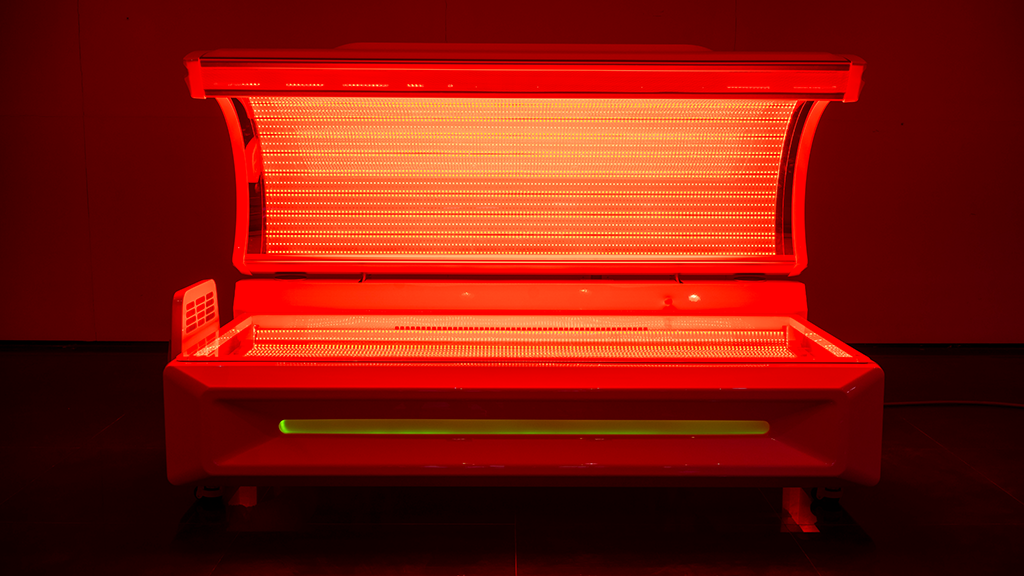
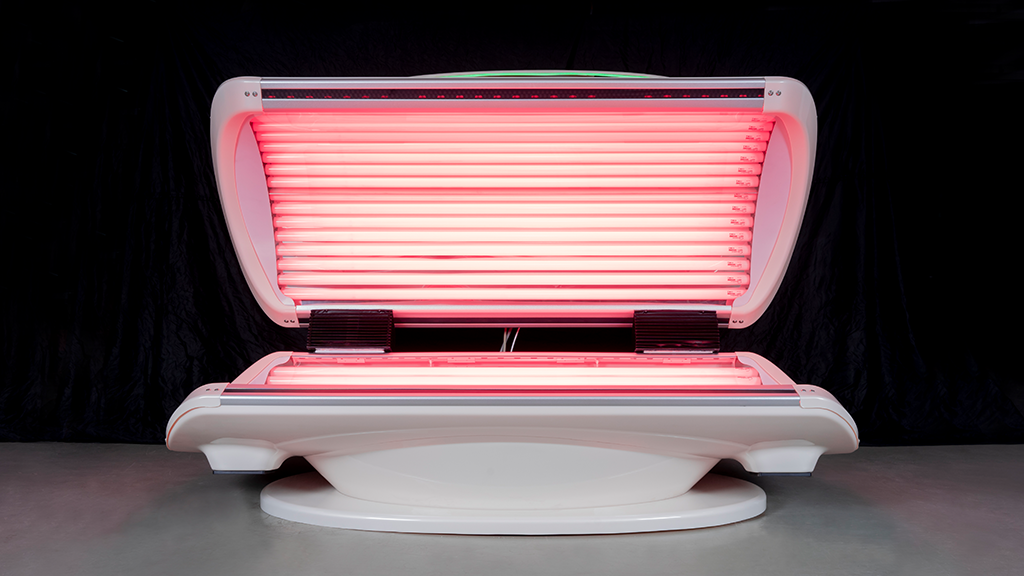
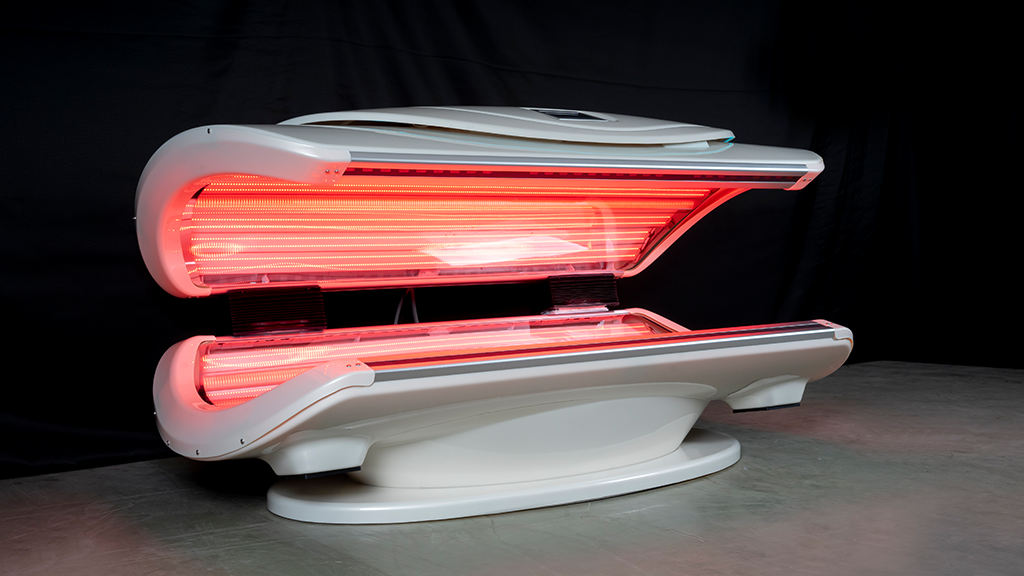
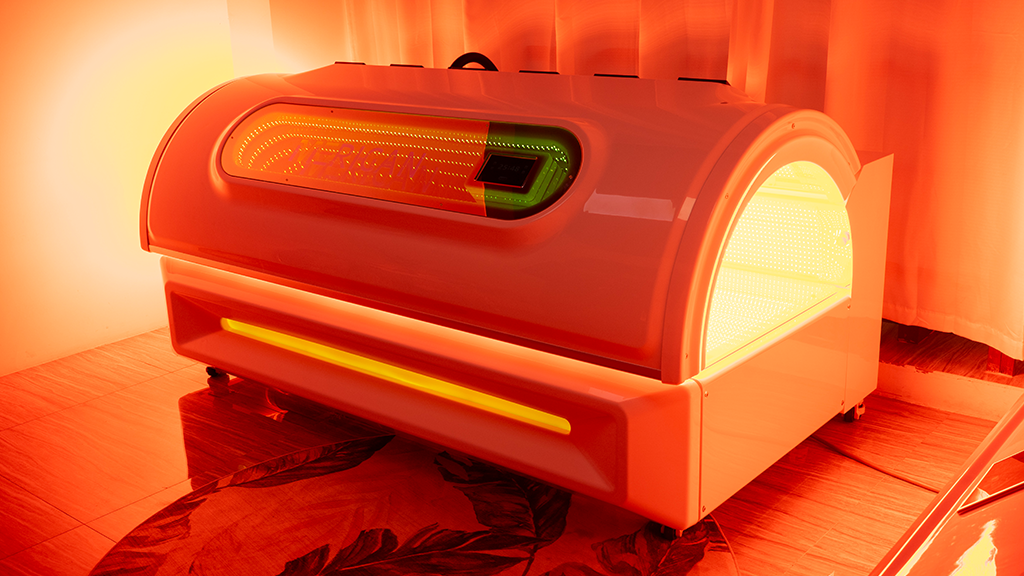
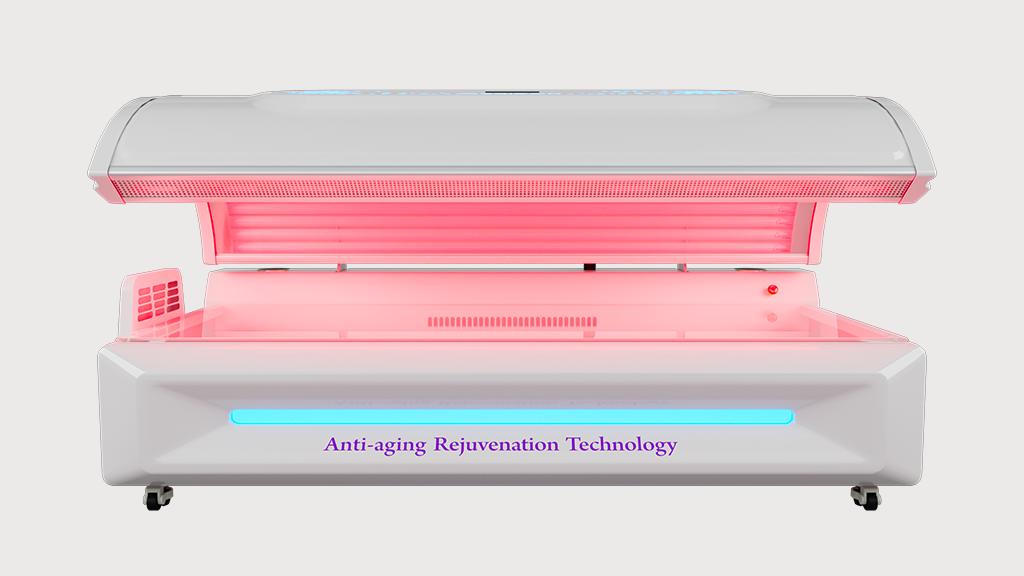
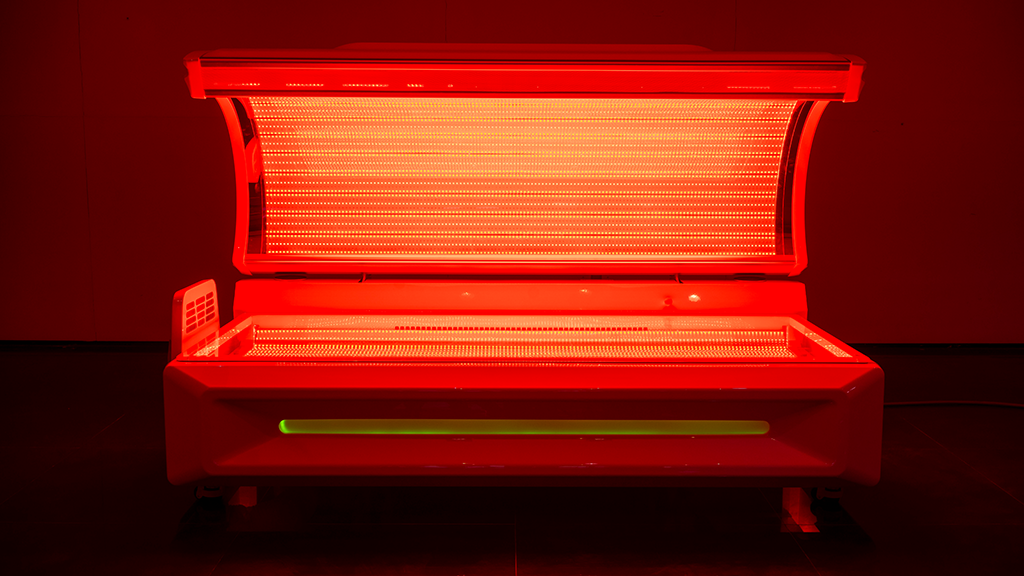
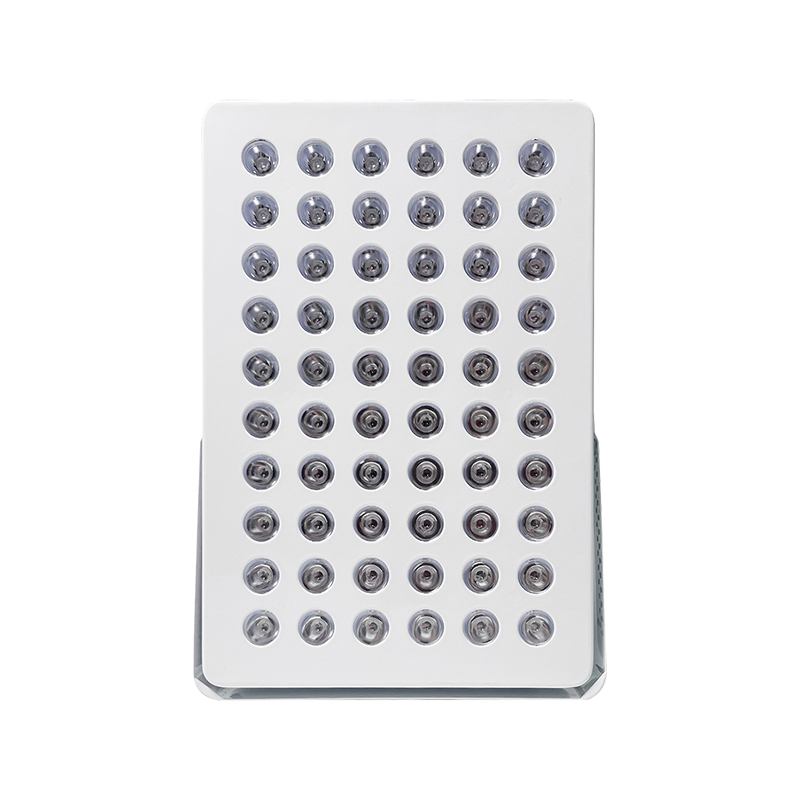
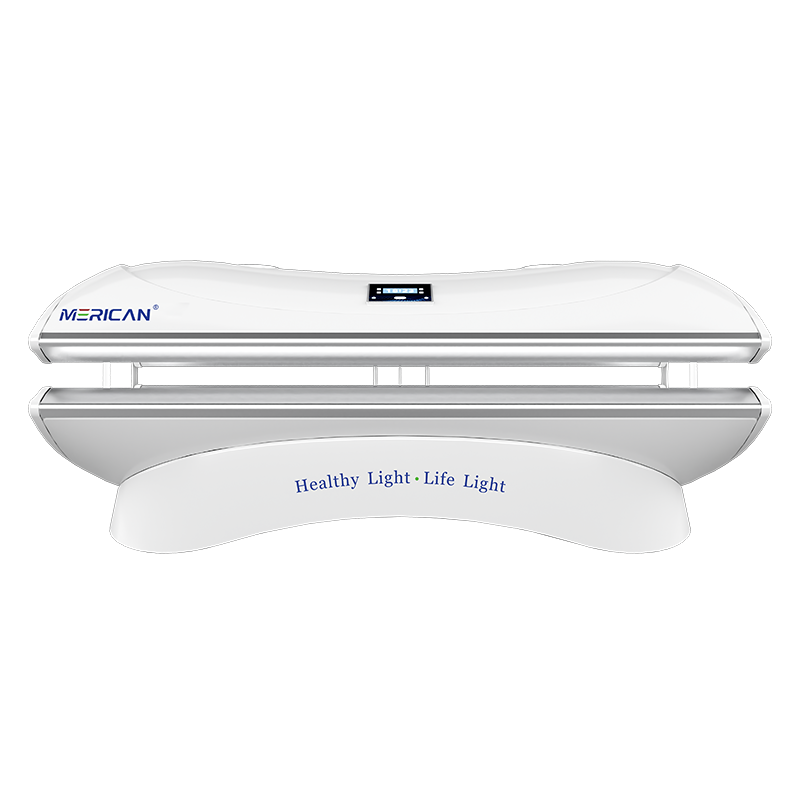
Autism spectrum disorder (ASD) is a neurodevelopmental condition that affects communication, comportamiento, sensory processing, and daily functioning. A medida que crece el interés en las tecnologías de bienestar no invasivas, terapia de luz roja (RLT)—also known as photobiomodulation—has been explored for its potential to support brain and nervous system health.
It is important to note that red light therapy is not a treatment or cure for autism, but rather an emerging area of supportive research.
Cómo funciona la terapia de luz roja
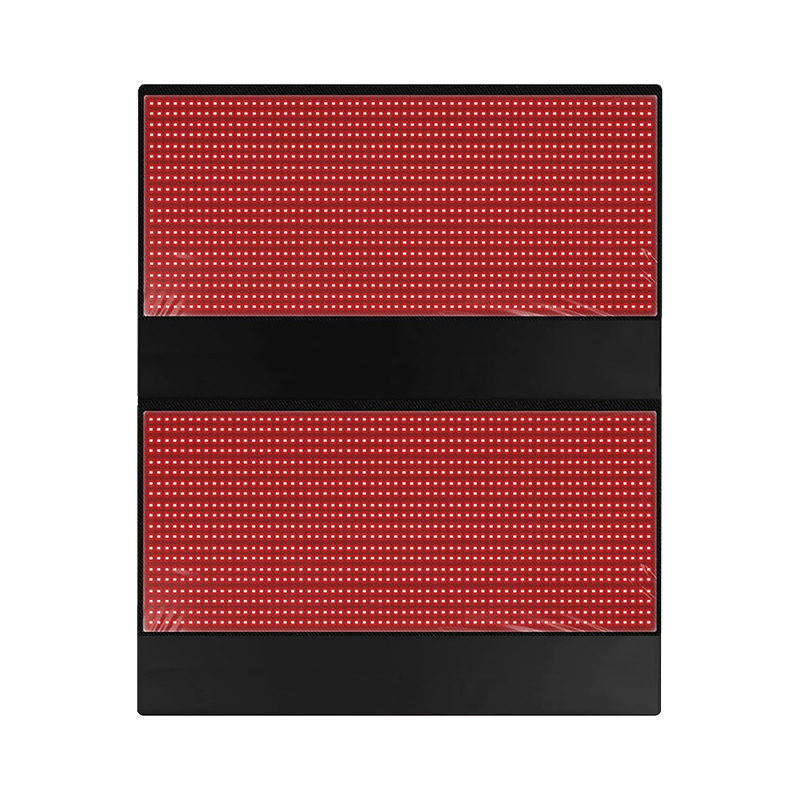
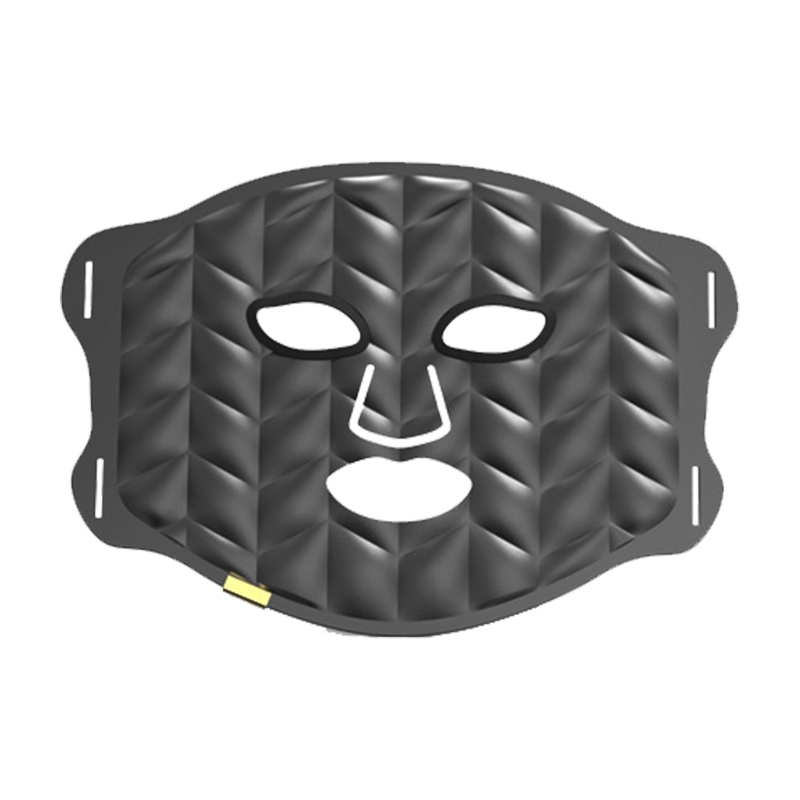
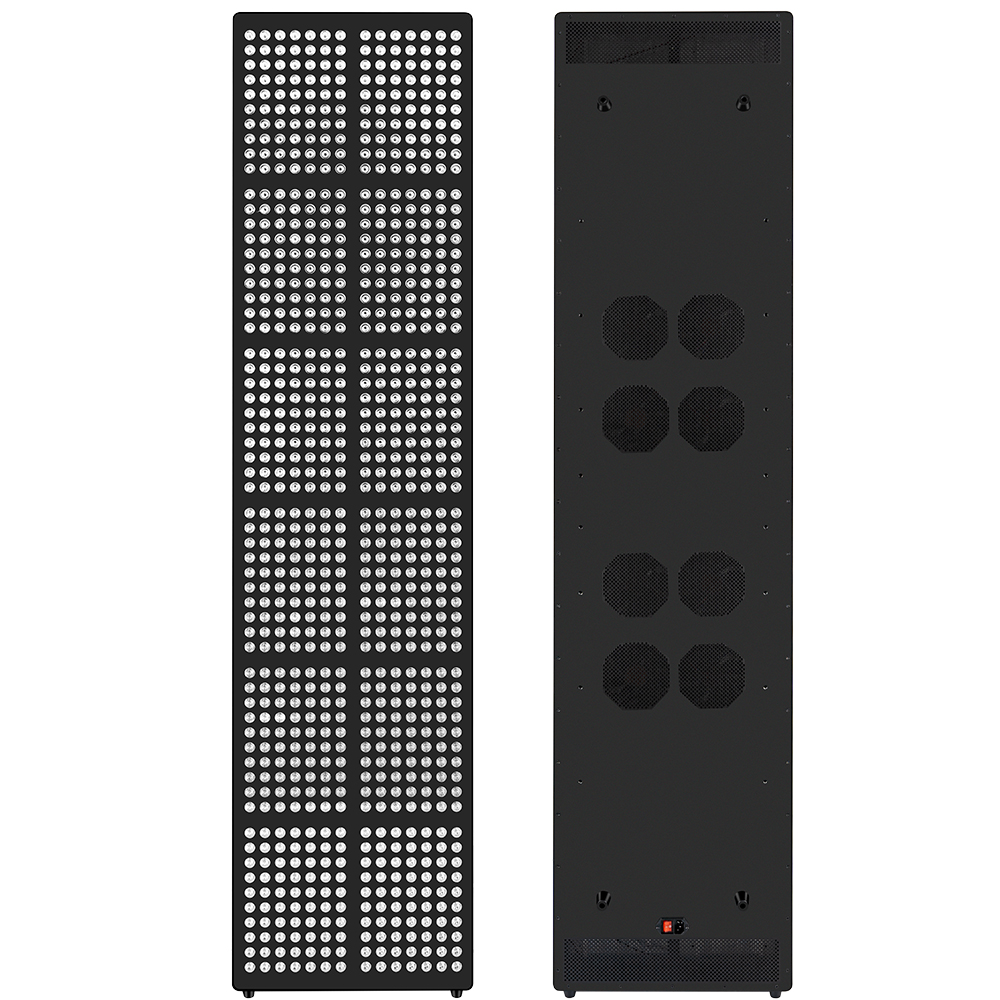
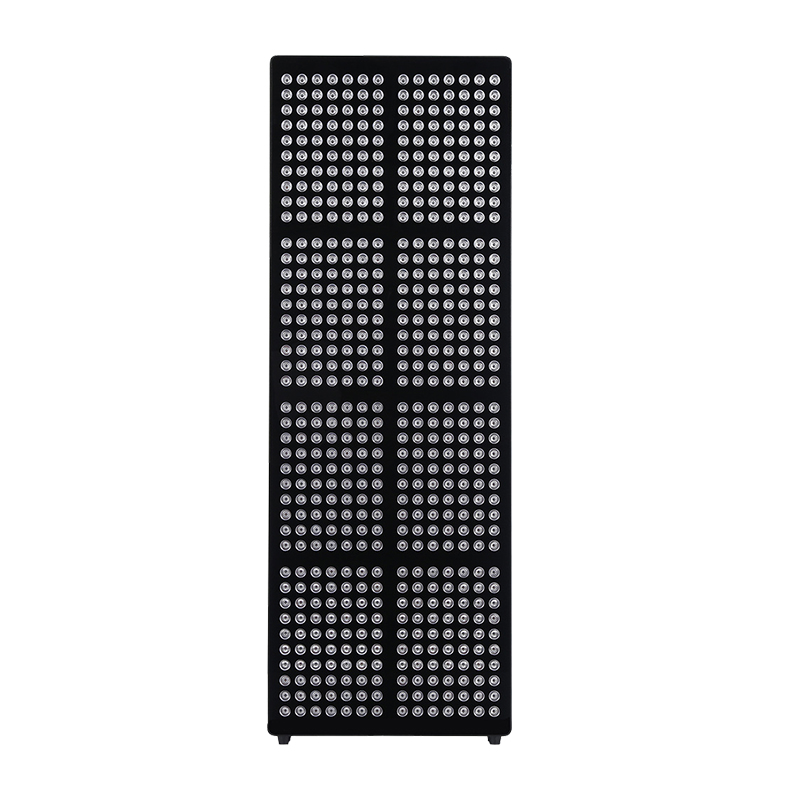
Red light therapy uses red and near-infrared wavelengths, normalmente entre 630–880 millas náuticas, which may penetrate tissue and influence cellular activity. Research suggests these wavelengths can:
- Support mitochondrial function and energy (atp) producción
- Mejorar la circulación sanguínea
- Modulate inflammation and oxidative stress
These mechanisms are relevant because some studies associate autism with altered brain energy metabolism and neuroinflammatory processes.
Red Light Therapy and Brain Function
Photobiomodulation has been studied in various neurological contexts. In exploratory autism-related research, red light therapy has been discussed for its potential to:
- Support neural signaling efficiency
- Promote neuroplasticity
- Assist overall brain metabolic balance
While early findings are promising, current evidence remains limited and primarily investigational.
What Does Current Research Indicate?
Small-scale studies and case observations have examined red light therapy in individuals with ASD, focusing on areas such as:
- Cognitive engagement
- Sleep patterns
- Sensory regulation
Los resultados varían, and researchers emphasize the need for larger, controlled clinical trials before drawing conclusions.
Consideraciones de seguridad
Red light therapy is generally considered safe when used appropriately:
- Sin radiación ultravioleta
- No invasivo e indoloro
- Minimal reported side effects
Sin embargo, individuals with autism should only use red light therapy under professional guidance, especially children or individuals with sensory sensitivities.
Resumen
Red light therapy represents an emerging, research-driven area of interest in autism support. While not a medical treatment, it may offer potential benefits related to brain health and nervous system balance, warranting further scientific investigation.