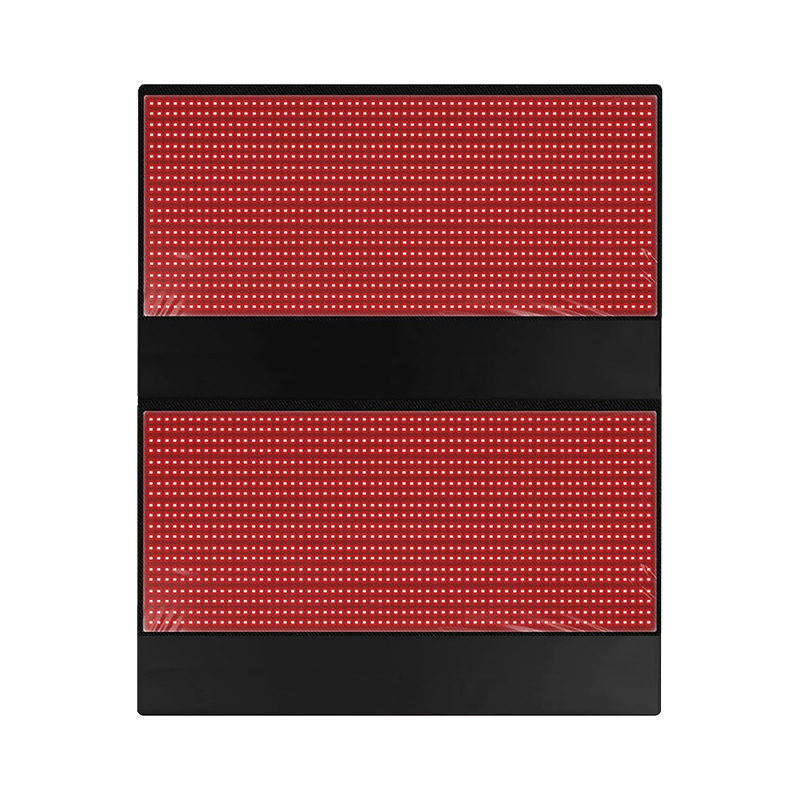
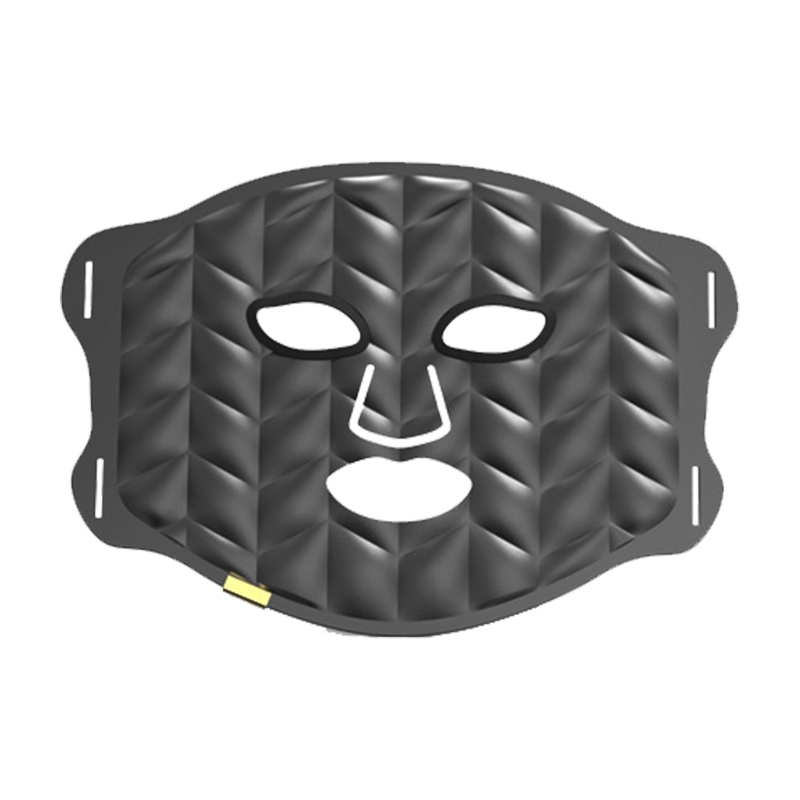
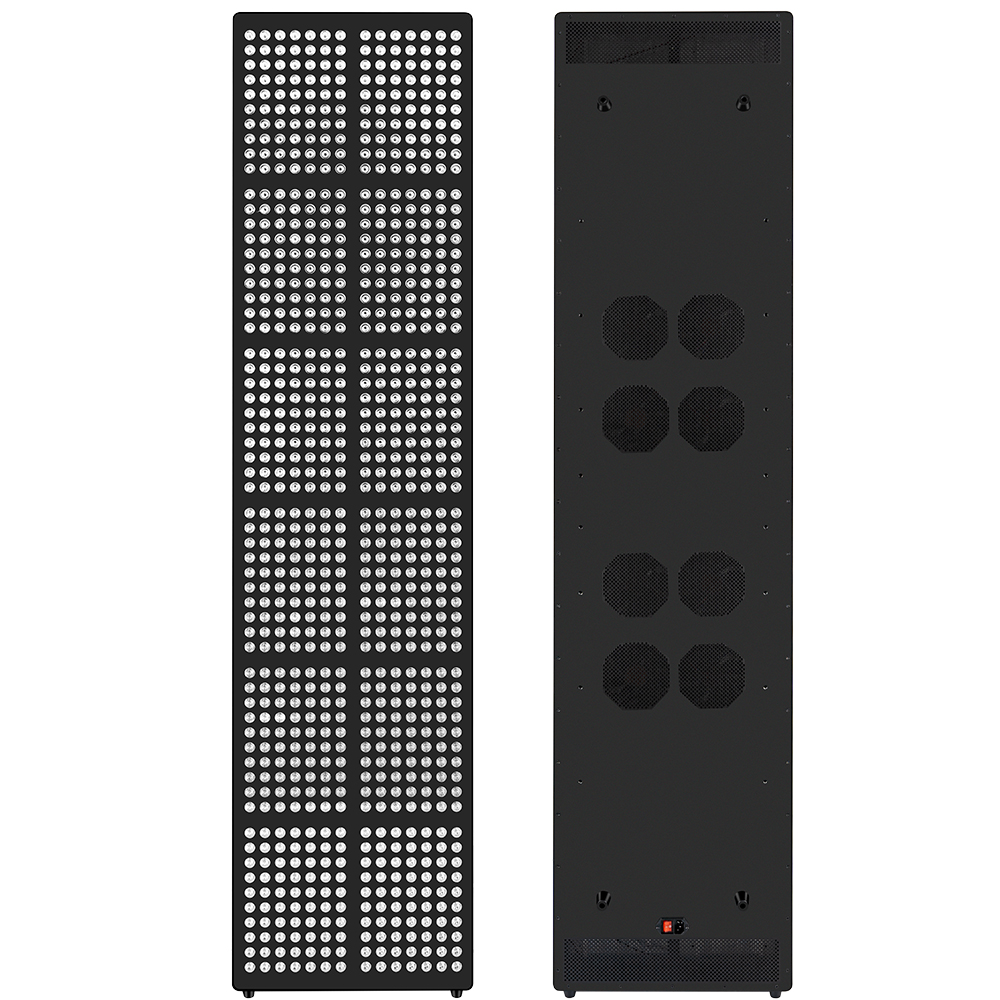
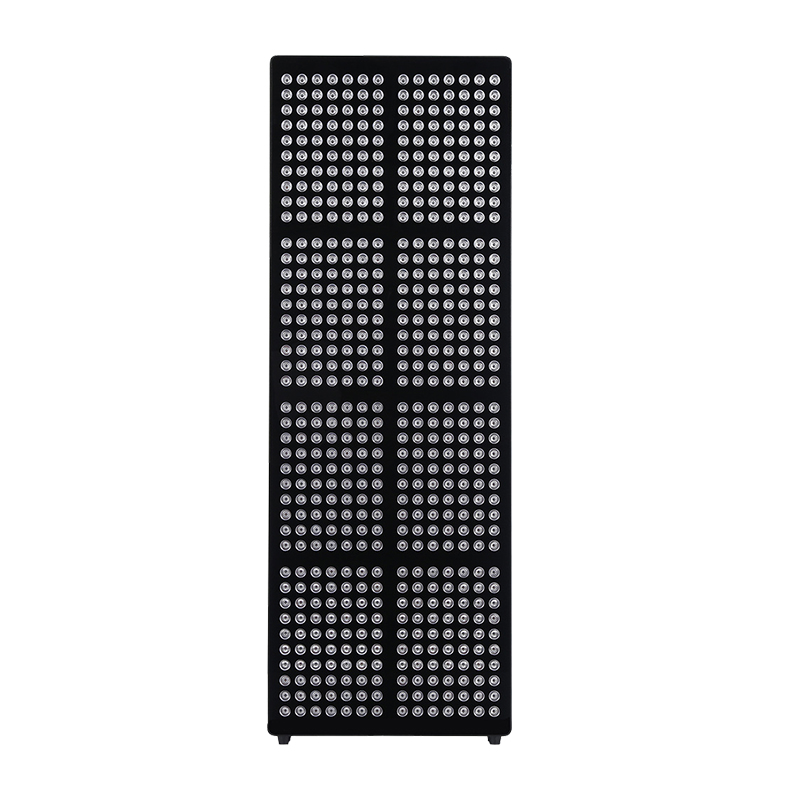
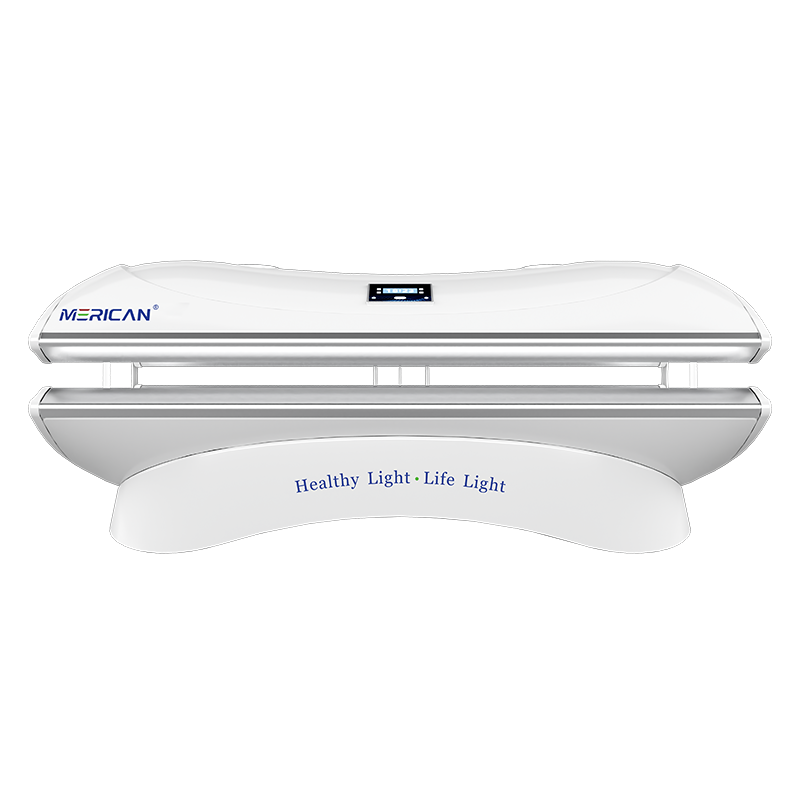
Depression is a complex mental health condition influenced by biological, psychological, and environmental factors. En los últimos años, terapia de luz roja (RLT) has gained attention as a non-invasive approach that may support mood regulation and brain health. While not a replacement for medical treatment, growing research suggests red and near-infrared light could play a supportive role in managing depressive symptoms.
Cómo funciona la terapia de luz roja
Red light therapy uses specific wavelengths of red and near-infrared light—typically between 630–880 millas náuticas—to stimulate cellular activity. These wavelengths penetrate the skin and may influence mitochondrial function, increasing atp (energía celular) producción, which is essential for brain and nervous system health.
Key biological effects linked to depression include:
- Improved cellular energy metabolism
- Reduced neuroinflammation
- Enhanced blood circulation and oxygen delivery
These mechanisms are relevant because depression has been associated with mitochondrial dysfunction, inflamación crónica, and impaired cerebral blood flow.
Red Light Therapy and Brain Function
Emerging studies suggest that transcranial or whole-body red light therapy may help:
- Support neurotransmitter balance (such as serotonin and dopamine)
- Improve neural signaling efficiency
- Promote neuroplasticity
By optimizing cellular energy in brain tissue, La terapia con luz roja puede ayudar a mejorar la claridad cognitiva., motivation, and emotional regulation—areas often affected in individuals with depression.
¿Qué dice la investigación??
Several small-scale studies and clinical observations have reported:
- Improvements in mood scores
- Reduced fatigue and brain fog
- Better sleep quality, which is closely linked to depression severity
While large-scale clinical trials are still ongoing, current findings suggest red light therapy is seguro, well-tolerated, and worthy of further investigation as a complementary wellness technology.
Safety and Limitations
Red light therapy is generally considered safe when used according to guidelines. Sin embargo:
- debería not replace professional mental health care
- Results may vary depending on wavelength, exposure time, and consistency
Pensamientos finales
Red light therapy represents a promising, science-backed wellness tool that may support mood balance by addressing underlying biological factors associated with depression. As research evolves, it may become an increasingly valuable addition to holistic mental health strategies.