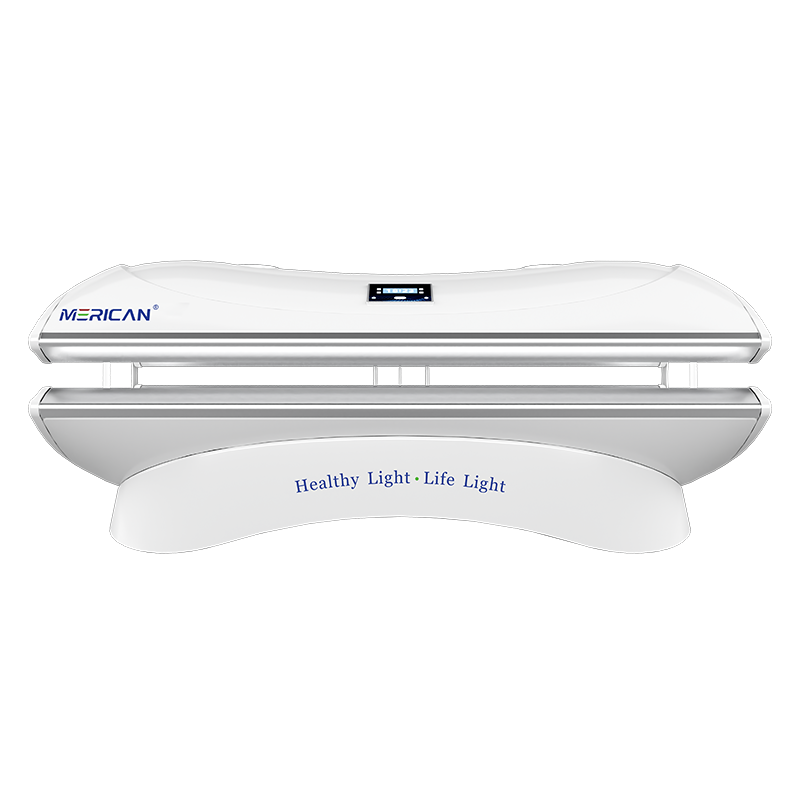
Al elegir un dispositivo de terapia con luz roja, Una de las especificaciones más confusas y más importantes es irradiancia. Muchos productos anuncian niveles de potencia extremadamente altos., pero más no siempre es mejor.
Entonces, ¿Cuál es una buena irradiancia para la terapia con luz roja?, y cuánto necesita realmente para obtener resultados seguros y eficaces?
¿Qué es la irradiancia en la terapia de luz roja??
irradiancia Se refiere a la cantidad de potencia luminosa entregada al cuerpo por unidad de área y generalmente se mide en:
MW/cm² (milivatios por centímetro cuadrado)
En términos simples, la irradiancia te lo dice qué tan intensa es la luz en la superficie de tratamiento.
Irradiación ≠ potencia total del dispositivo
Lo que importa es cuánta luz llega realmente a tu piel..
Por qué es importante la irradiación
La irradiación afecta directamente:
- Efectividad del tratamiento
- Duración de la sesión
- Seguridad y comodidad
- Riesgo de bajo- o sobreexposición
La terapia con luz roja sigue un respuesta a la dosis bifásica, significado:
- Muy poca luz = resultados mínimos
- Demasiada luz = eficacia reducida o irritación
Lo que se considera una irradiación "buena" para la terapia con luz roja?
La mayoría de las investigaciones y el uso clínico sugieren lo siguiente rangos de irradiancia efectivos:
🔴 Irradiación recomendada general
| Solicitud | Rango de irradiancia efectiva |
|---|---|
| Piel & tratamientos faciales | 10–50 mW/cm² |
| Recuperación muscular & articulaciones | 20–100 MW/cm² |
| tejido profundo & tratamientos corporales | 50–150 mW/cm² |
| Clínico / uso profesional | hasta ~200 mW/cm² |
👉 Para la mayoría de aplicaciones de hogar y bienestar, 30–100 mW/cm² es ideal.
¿Una mayor irradiancia significa mejores resultados??
No necesariamente.
Irradiancia extremadamente alta (300–1000+ mW/cm²):
- Puede causar molestias o sobrecalentamiento.
- Puede reducir los beneficios terapéuticos debido a una sobredosis.
- A menudo requiere tiempos de tratamiento mucho más cortos.
- No está respaldado por la mayoría de las investigaciones sobre fotobiomodulación.
La consistencia y la dosis correcta importan más que la potencia bruta.
Irradiancia vs dosis de energía (J/cm²)
La irradiancia trabaja junto con tiempo de tratamiento para determinar la dosis total de energía.
Energía (J/cm²) = irradiancia (W/cm²) × Hora (artículos de segunda clase)
Pautas típicas de dosis de energía
| Objetivo del tratamiento | Dosis de energía |
|---|---|
| Rejuvenecimiento de la piel | 3–10 J/cm² |
| Recuperación muscular | 10–30 J/cm² |
| Dolor & inflamación | 20–60 j/cm² |
Una irradiancia moderada con el momento adecuado a menudo ofrece mejores resultados que una alta potencia con sesiones apresuradas..
Cómo la distancia afecta la irradiación
La irradiancia disminuye a medida que aumenta la distancia desde el dispositivo..
- Distancia cercana = mayor intensidad
- Mayor distancia = más ancho, cobertura más suave
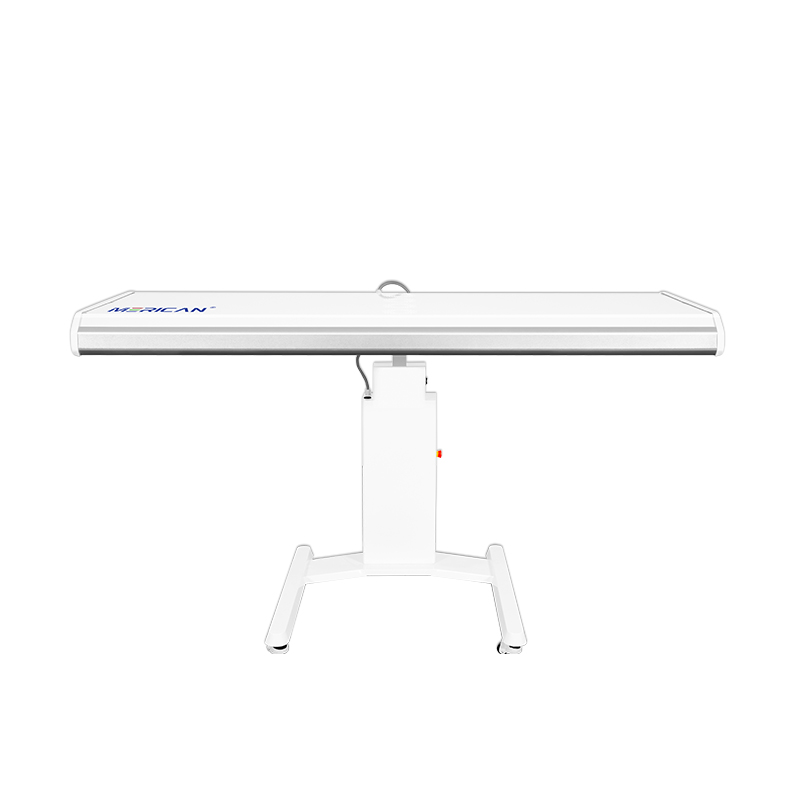
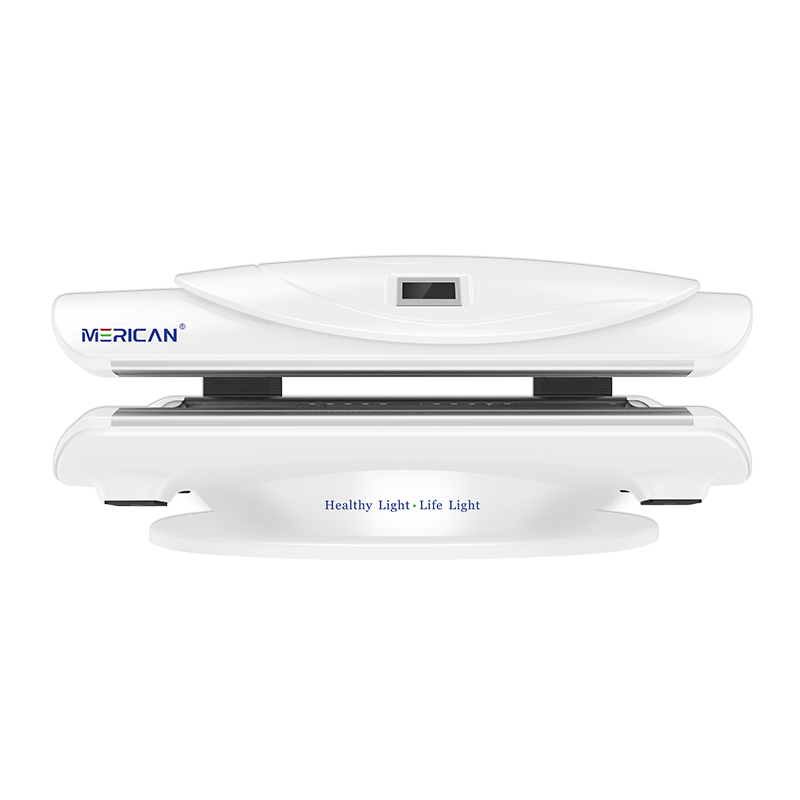
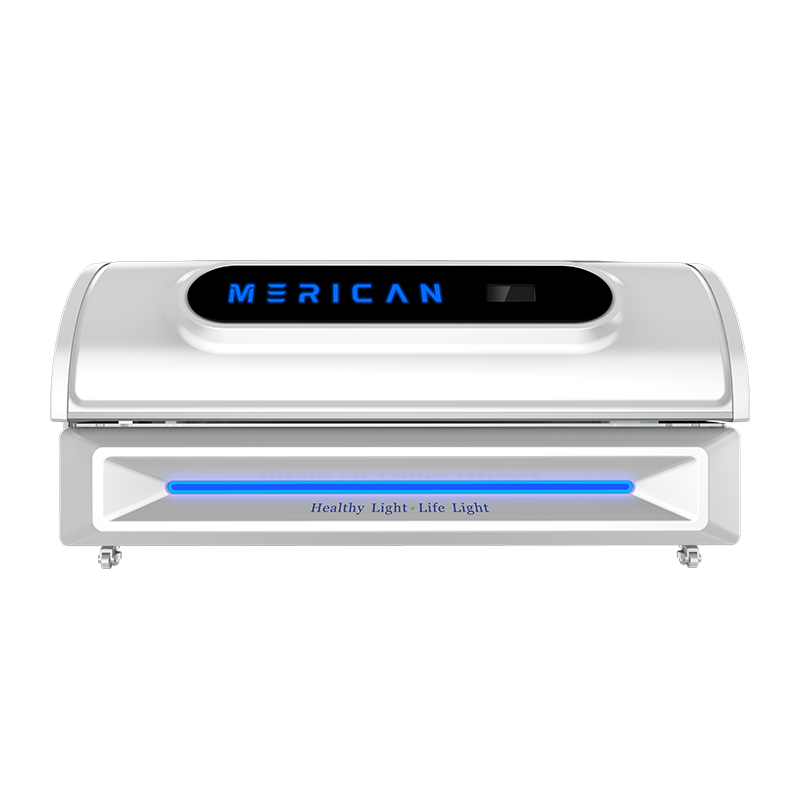
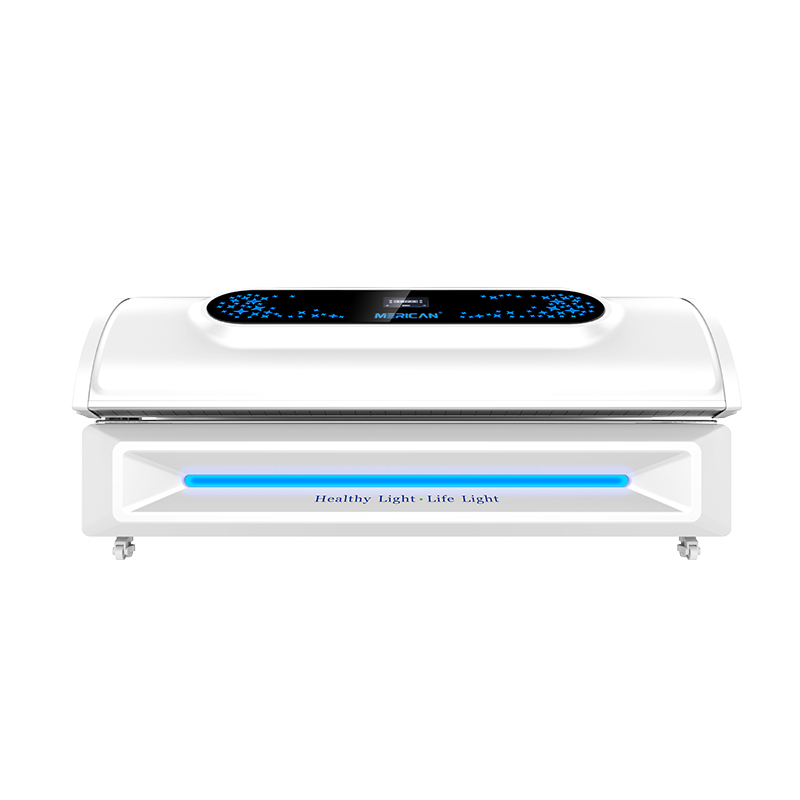
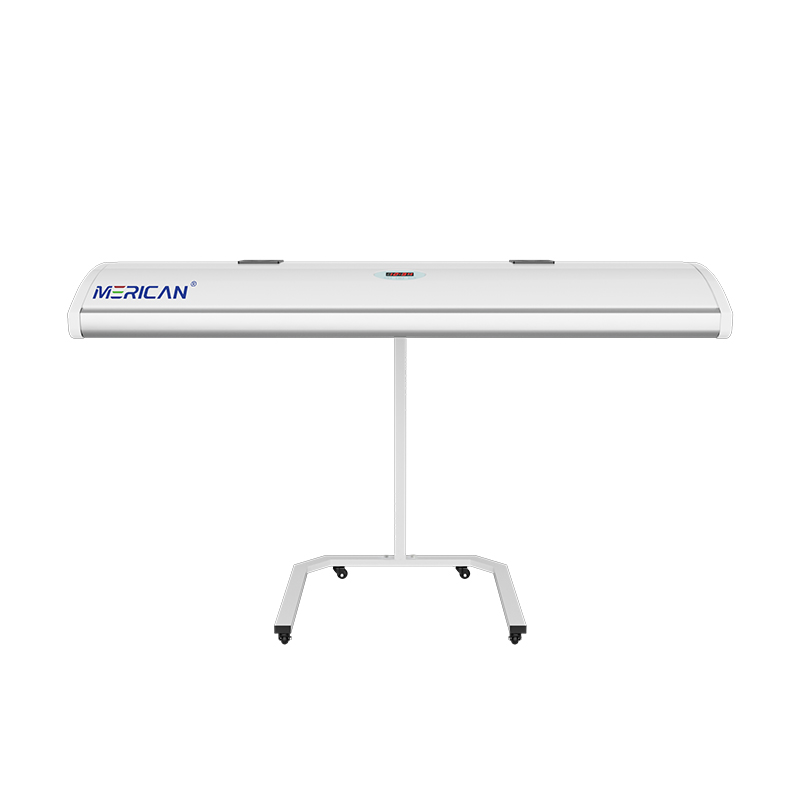
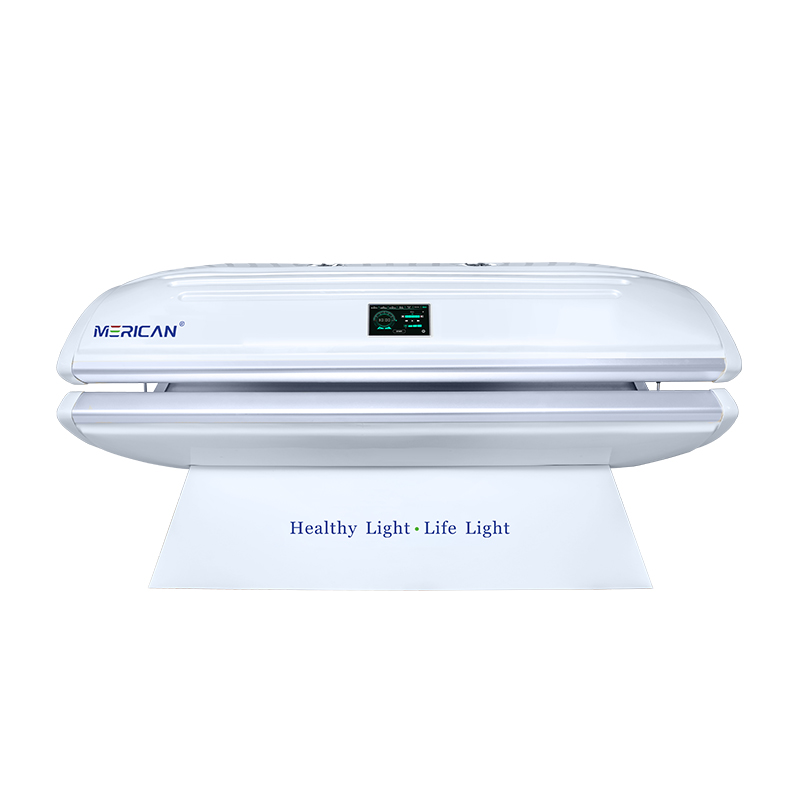
Las camas y paneles profesionales de terapia de luz roja están diseñados para:
- Entregar incluso irradiancia
- Mantener una intensidad efectiva en áreas más grandes.
- Evite los puntos calientes y la sobreexposición.
¿Existe un límite superior seguro??
Si bien la terapia con luz roja se considera segura, muchos expertos recomiendan:
- Quedarse abajo 200 mW/cm² en la piel para uso rutinario
- Evitar sesiones prolongadas con irradiancia muy alta.
- Siguiendo las pautas clínicas y del fabricante.
Los dispositivos de grado médico se centran en revisado, salida consistente, potencia máxima no extrema.
Cómo elegir el nivel de irradiancia adecuado
Haz estas preguntas:
- ¿Se mide la irradiancia? en la piel, no en los LED?
- ¿Es la salida uniforme en toda el área de tratamiento?
- ¿El uso recomendado está respaldado por investigaciones??
- ¿Se puede ajustar fácilmente el tiempo de tratamiento??
Los sistemas de alta calidad priorizan dosificación precisa, no números de marketing.
Pensamientos finales
Una buena irradiancia para la terapia con luz roja es aquella que:
- cae dentro rangos científicamente respaldados
- Coincide con su objetivo de tratamiento
- Permite consistente, uso cómodo
- Ofrece lo correcto dosis de energía en el tiempo
Para la mayoría de los usuarios, 30–100 MW/cm² proporciona un excelente equilibrio de seguridad, eficacia, y usabilidad.