Les acouphènes sont la perception d'une sonnerie, bourdonnant, sifflant, ou des bourdonnements dans les oreilles sans source externe. Elle touche des millions de personnes dans le monde et peut varier de légère et occasionnelle à chronique et perturbatrice.. Les causes courantes incluent les dommages auditifs induits par le bruit, perte auditive liée à l'âge, infections de l'oreille, problèmes circulatoires, stresser, et facteurs neurologiques.
Alors que l’intérêt pour les technologies de bien-être non invasives grandit, beaucoup de gens demandent: La thérapie par la lumière rouge peut-elle aider les acouphènes? Alors que la thérapie par la lumière rouge est pas un remède contre les acouphènes, des recherches émergentes suggèrent qu'il pourrait offrir prestations de soutien pour certaines personnes, en fonction de la cause sous-jacente.
Qu'est-ce que la thérapie rouge?
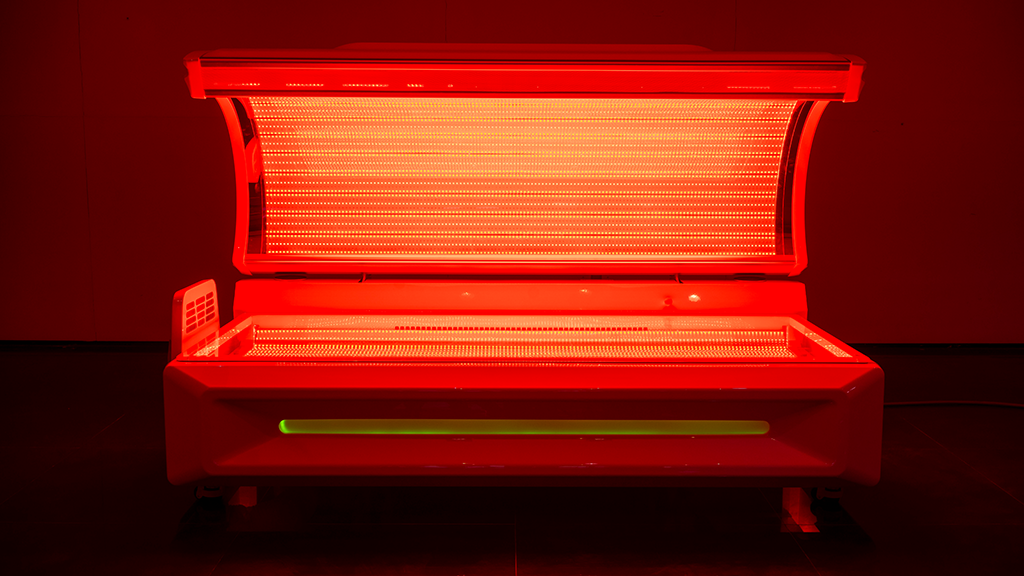
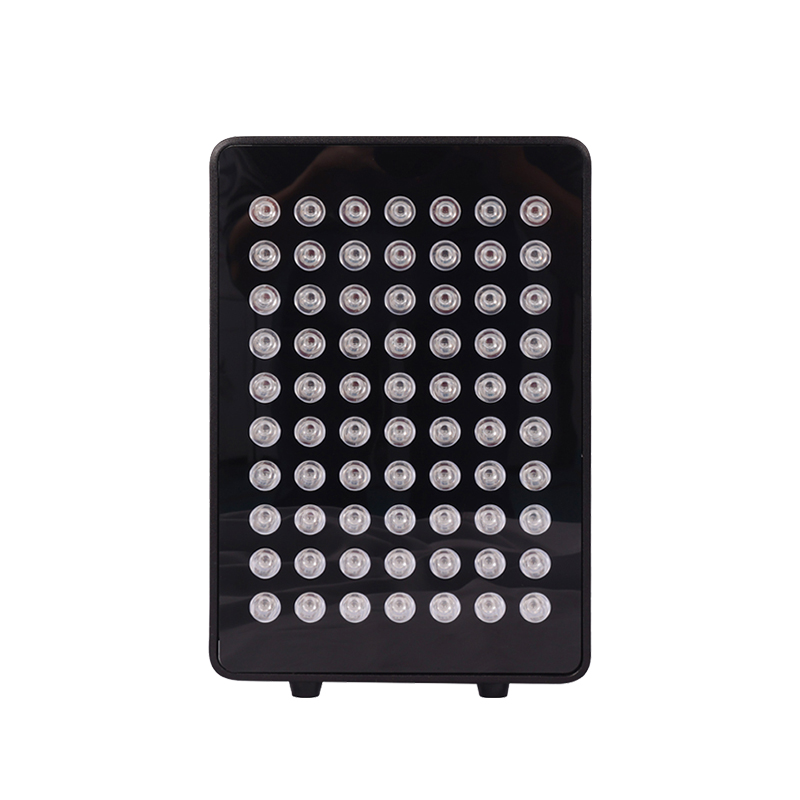
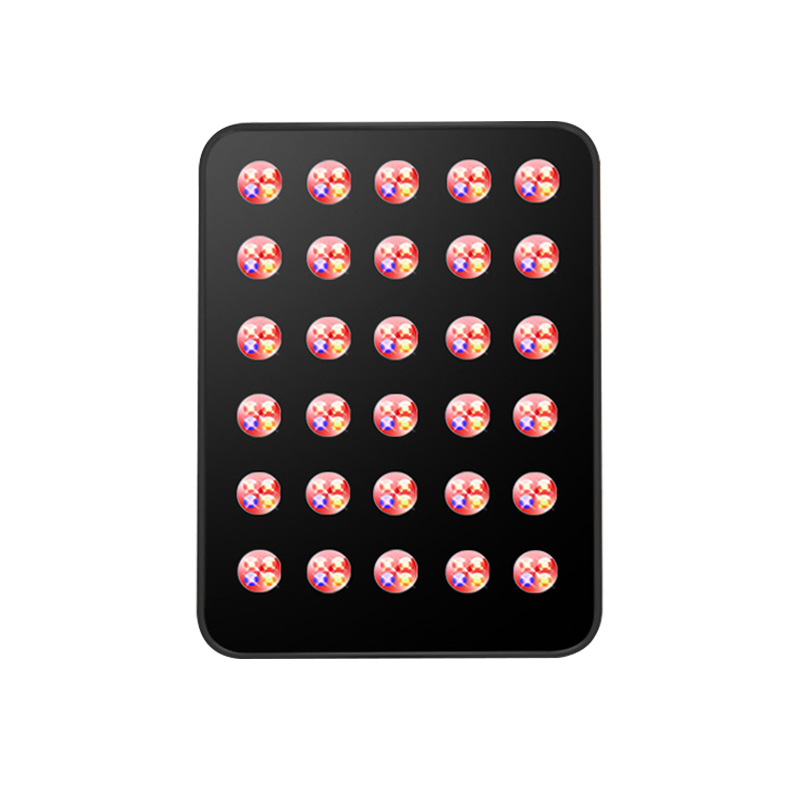
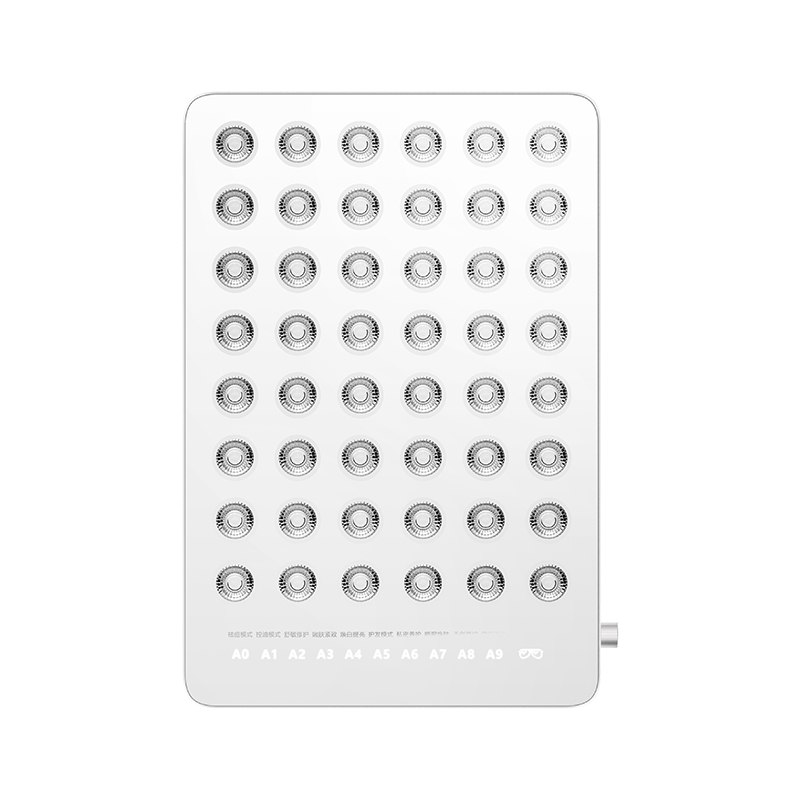
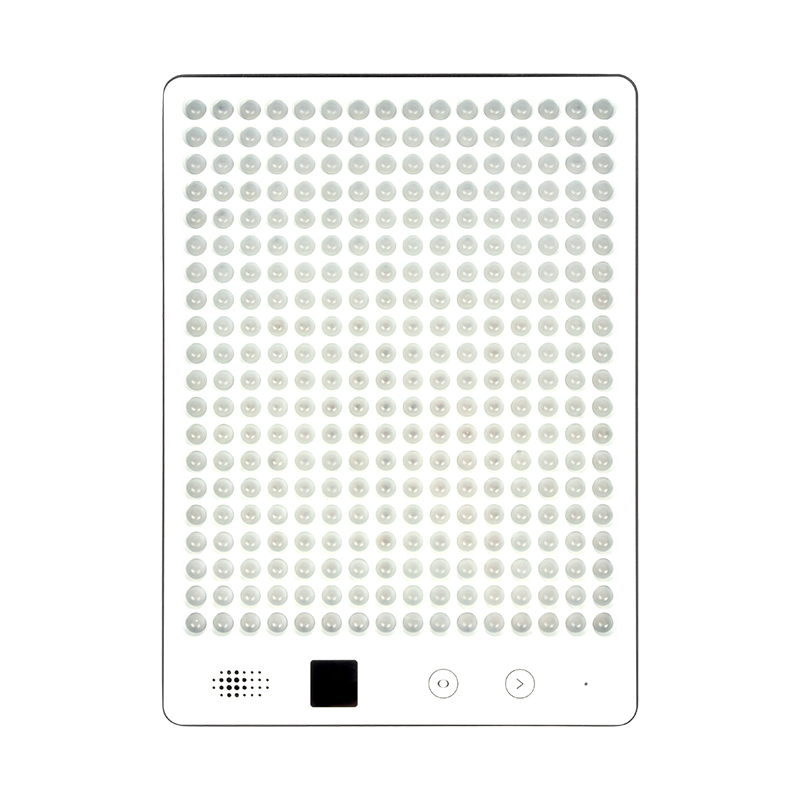
Thérapie par la lumière rouge, également connue sous le nom de photobiomodulation (PBM), utilise une lumière rouge et proche infrarouge de faible niveau, généralement entre 630 nm et 880 nm – pour stimuler l’activité cellulaire.
Contrairement aux thérapies sonores ou médicamenteuses, La thérapie par la lumière rouge agit en influençant la production d'énergie cellulaire, circulation, et régulation de l'inflammation. Il est non invasif et n’endommage pas les tissus lorsqu’il est utilisé correctement.
Comment la thérapie par la lumière rouge peut soutenir la gestion des acouphènes
La thérapie par la lumière rouge n’élimine pas directement les bruits des acouphènes, mais cela peut aider à traiter les facteurs contributifs à travers plusieurs mécanismes:
1. Peut améliorer la circulation de l’oreille interne
Certaines formes d'acouphènes sont liées à une réduction du flux sanguin dans la cochlée et les voies auditives. La thérapie par la lumière rouge peut soutenir la microcirculation, aidant à fournir de l'oxygène et des nutriments aux structures sensibles de l'oreille interne.
2. Prend en charge l'énergie cellulaire dans les cellules auditives
La photobiomodulation stimule la production d'ATP mitochondriale, qui peut soutenir la fonction et la résilience des cellules ciliées auditives et des tissus environnants.
3. Aide à réduire l'inflammation
L'inflammation du système auditif ou des tissus environnants peut contribuer aux acouphènes. La thérapie par la lumière rouge a été étudiée pour ses effets anti-inflammatoires et antioxydants, ce qui peut aider à réduire l’irritation.
4. Peut soutenir la régulation du système nerveux
Les acouphènes sont souvent associés à une activité accrue du système nerveux et au stress.. La thérapie par la lumière rouge a été explorée pour ses effets calmants sur le système nerveux, ce qui peut aider à réduire la détresse liée aux acouphènes.
Que dit la recherche?
La recherche sur la photobiomodulation des acouphènes est toujours en évolution. Certaines petites études cliniques et essais pilotes ont exploré la thérapie au laser de faible intensité ou à la lumière rouge appliquée autour de l'oreille ou de la région mastoïde., avec des résultats mitigés. Certaines personnes ont signalé une réduction de l'intensité des acouphènes ou une amélioration de leur qualité de vie, tandis que d'autres ont connu un changement minime.
Dans l'ensemble, les preuves restent limitées et incohérentes, et la thérapie par la lumière rouge doit être considérée comme un approche complémentaire, pas un traitement primaire.
Comment la thérapie par la lumière rouge est généralement utilisée pour la prise en charge des acouphènes
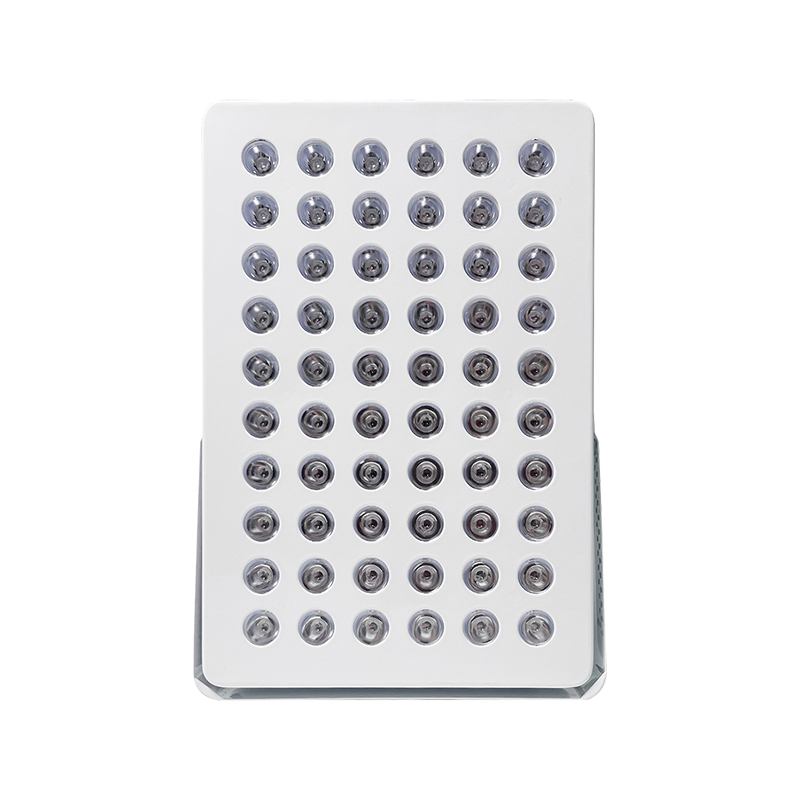
Dans les milieux de recherche ou de bien-être, la thérapie par la lumière rouge peut être appliquée à l’extérieur, près de l’oreille, mâchoire, ou l'os mastoïde en utilisant une faible puissance, appareils ciblés.
Les lignes directrices générales axées sur le bien-être comprennent:
- Longueurs d'onde: 630–660 nm (rouge) et/ou 810-850 nm (proche infrarouge)
- Durée de la session: 5–10 minutes par zone
- Fréquence: 2–4 séances par semaine
- Domaines d'application: Autour de l'oreille ou de la région mastoïde (jamais à l'intérieur du conduit auditif)
Un accompagnement professionnel est fortement recommandé en raison de la sensibilité du système auditif.
Sécurité et considérations importantes
- La thérapie par la lumière rouge fait ne répare pas la perte auditive ou les lésions nerveuses
- Acouphènes d’apparition soudaine, acouphène unilatéral, vertiges, ou une perte auditive nécessite une évaluation médicale
- Évitez de diriger la lumière dans le conduit auditif
- La thérapie par la lumière rouge ne devrait pas retarder le diagnostic ou le traitement des affections sous-jacentes
Consultez toujours un ORL ou un audiologiste avant de commencer tout nouveau traitement contre les acouphènes..
Réflexions finales
Donc, La thérapie par la lumière rouge peut-elle aider les acouphènes? Les preuves actuelles le suggèrent peut offrir des avantages de soutien à certaines personnes en améliorant la circulation, soutenir la santé cellulaire, réduire l'inflammation, et des réponses apaisantes du système nerveux-mais c'est pas un remède et ça ne marche pas pour tout le monde.
Pour ceux qui recherchent une douceur, moyen non invasif de favoriser le bien-être général de l'oreille et du système nerveux, la thérapie par la lumière rouge peut être envisagée dans le cadre d'un plan complet de gestion des acouphènes comprenant une évaluation auditive, thérapie sonore, gestion du stress, et conseils médicaux.
FAQ
Q: La thérapie par la lumière rouge peut-elle guérir les acouphènes ??
UN: Non. Les acouphènes ont de nombreuses causes, et la thérapie par la lumière rouge ne peut pas le guérir.
Q: La thérapie par la lumière rouge est-elle sans danger près des oreilles?
UN: Lorsqu'il est utilisé à l'extérieur et correctement, il est généralement considéré comme sûr, mais des conseils professionnels sont conseillés.
Q: Combien de temps avant que les résultats puissent apparaître?
UN: Certains utilisateurs signalent des changements au bout de plusieurs semaines, tandis que d'autres peuvent ne pas remarquer d'amélioration.