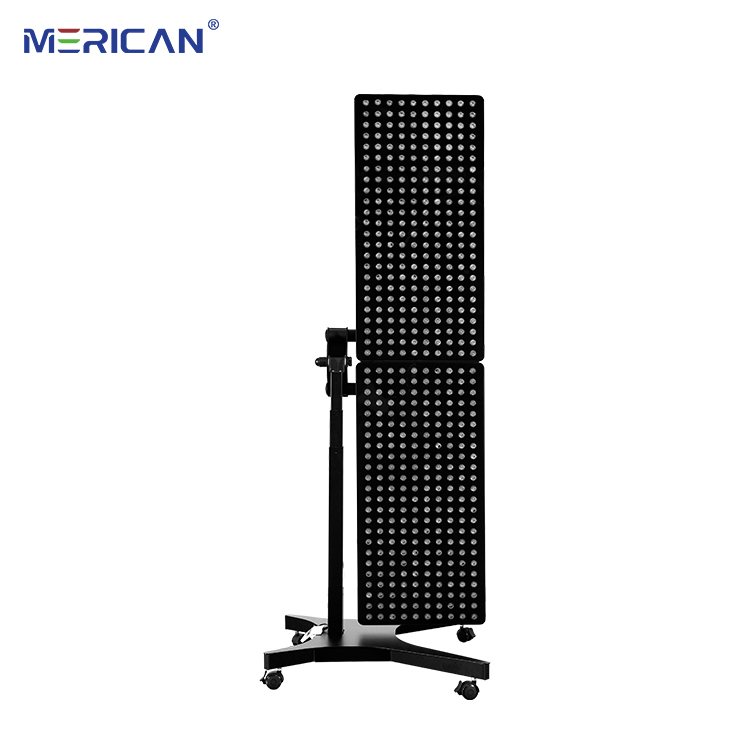
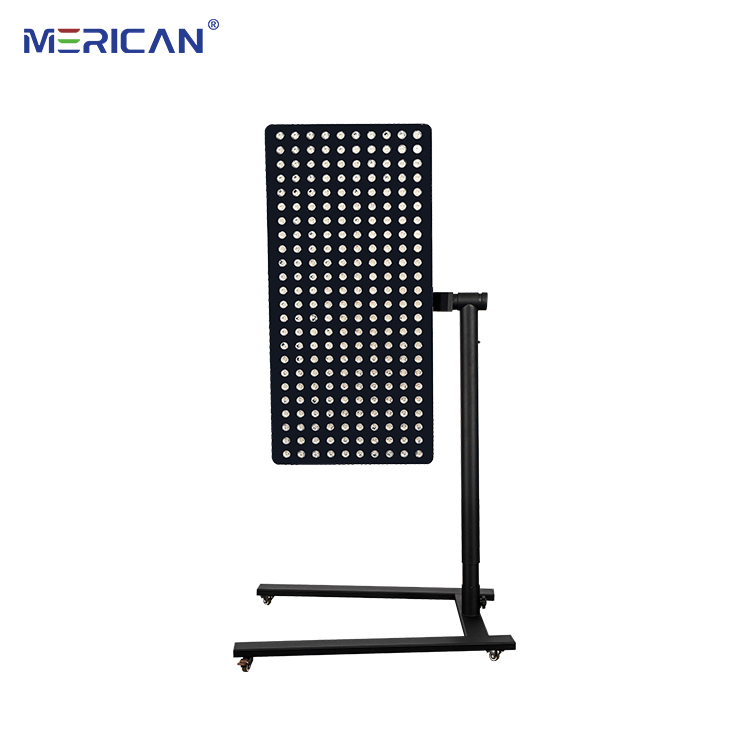
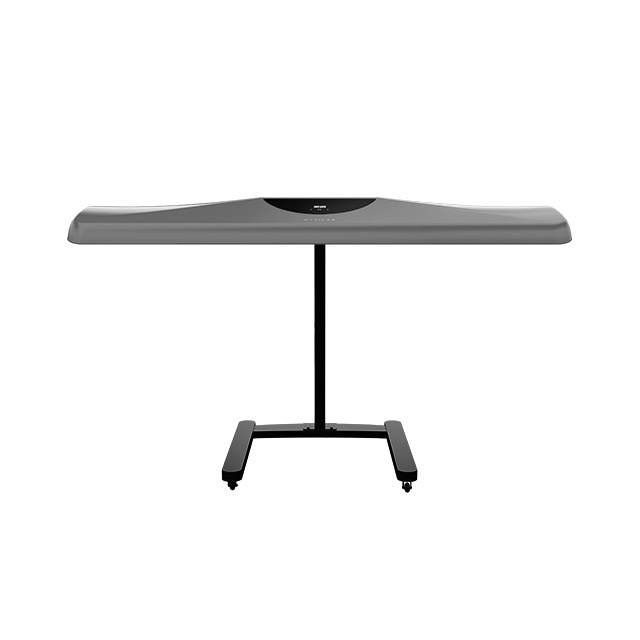
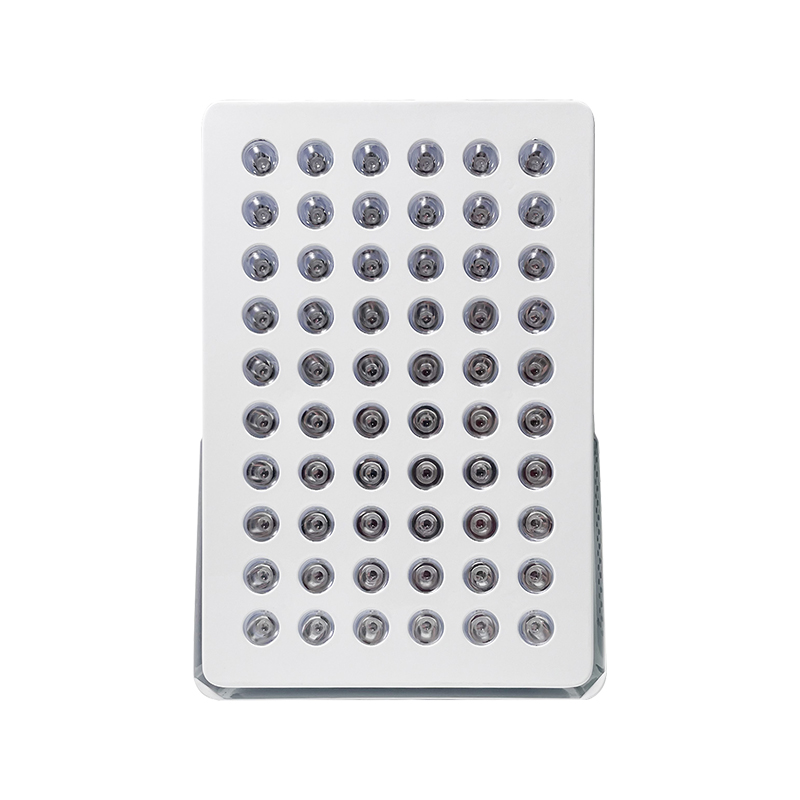
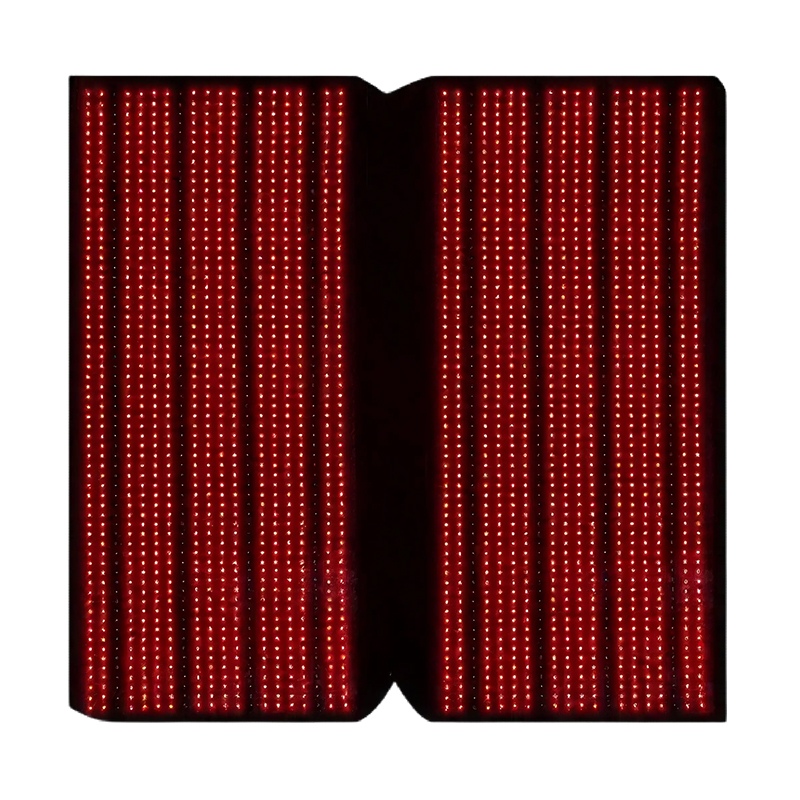
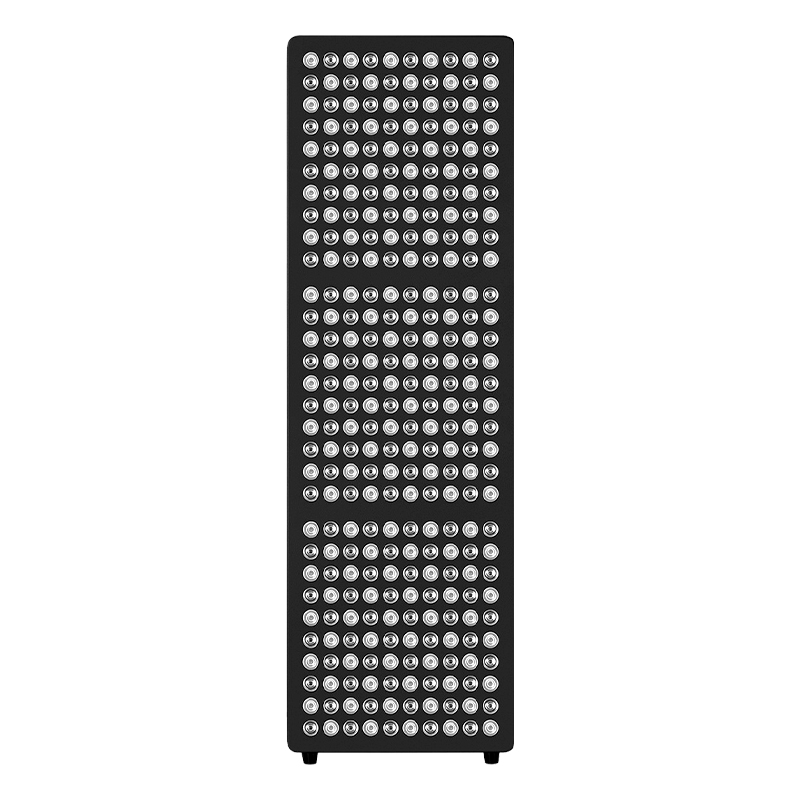
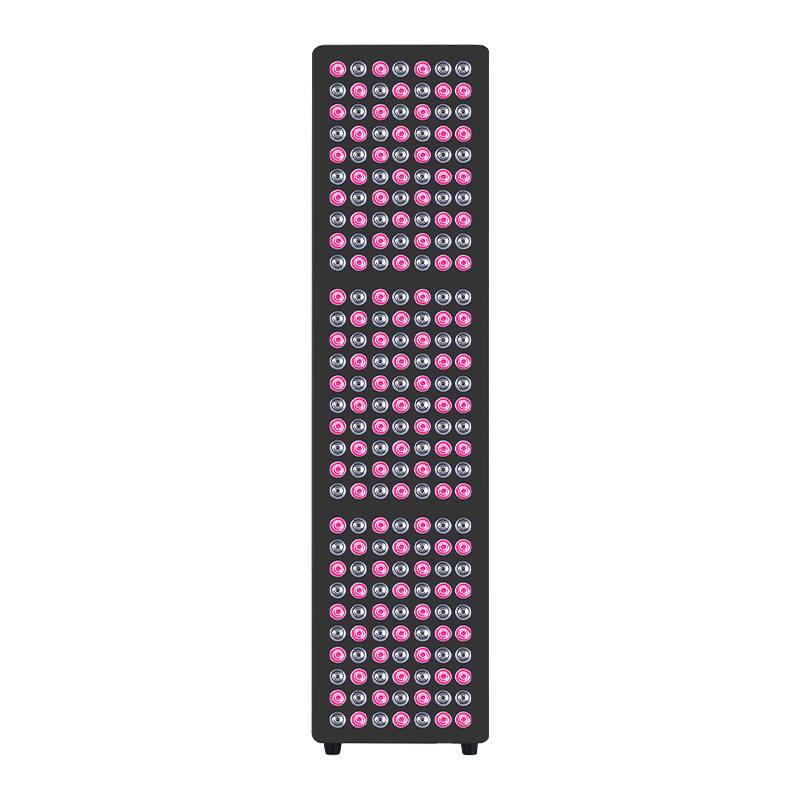
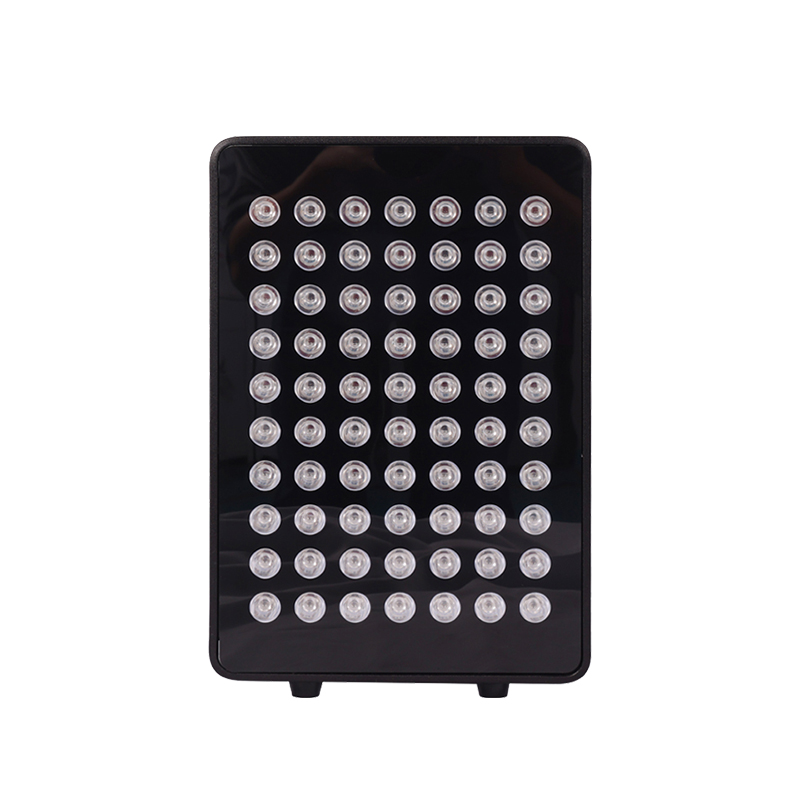
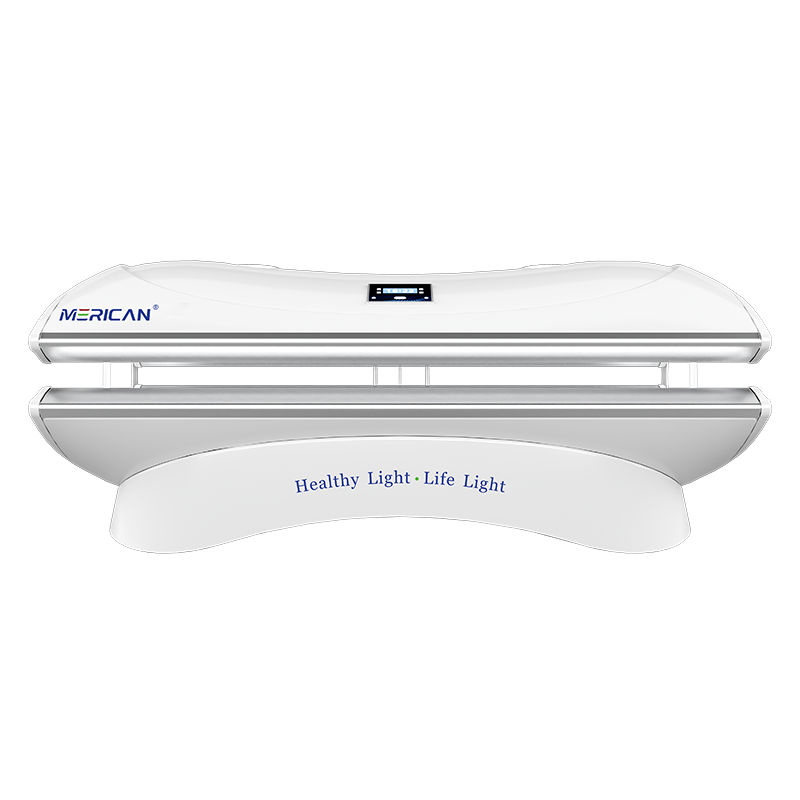
Light can affect the brain, but not simply because you lie in a bed with red panels. Transcranial photobiomodulation is a real research area: it uses red and near-infrared light delivered by devices designed to sit against the scalp, at doses calculated to survive the journey through skin, cheveux, and skull. A whole-body bed is engineered for the opposite problem. It spreads a modest output across a large surface so that skin is covered comfortably at a distance, which is the arrangement least suited to reaching tissue inside the head. The honest answer is two-part: the brain can be influenced by light under specific conditions, and a standard red light therapy bed is not built to create those conditions.
What transcranial photobiomodulation is
Photobiomodulation transcrânienne, often shortened to tPBM, describes light delivered through the skull to reach the outer layers of the brain.
The wavelengths are familiar ones: red around 660 nanometres and near-infrared around 810 à 850 nanometres, the same families found in skin devices.
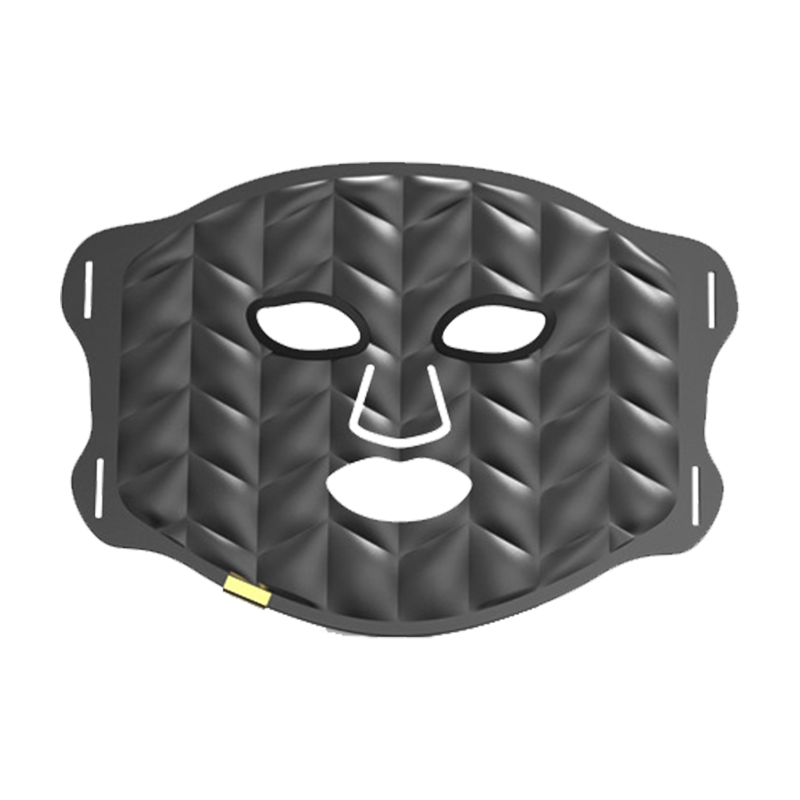
What differs is the delivery. Clinical and research devices typically sit directly on the scalp, use higher irradiance, and cover a defined area such as the forehead or the temples.
Dose is calculated for that geometry. The question is not only how much light leaves the device but how much arrives at the target after passing through tissue that scatters and absorbs it.
The distinction matters because the word therapy covers both a clinical protocol and a consumer product. One is defined by a dose at a target tissue; the other by a comfortable session with a panel. Confusing the two is how reasonable devices end up with unreasonable claims attached to them.
How much light actually reaches the brain
Cuir chevelu, cheveux, and skull all reduce what gets through. A large proportion of the emitted light is scattered or absorbed before it reaches the outer surface of the brain.
Hair is an underrated barrier. Thick or dark hair absorbs and scatters light before it even reaches the skin, which is why research protocols often specify parting the hair or using a device designed for contact.
Distance matters enormously at these doses. Every centimetre of air between the emitter and the scalp reduces the light arriving at the surface, and the effect compounds quickly.
A useful way to picture it is light through a hand. Hold a torch against your palm and the glow is visible on the other side; move it a metre away and the skin simply looks lit. The skull is thicker than a palm, and the falloff with distance is steeper than most people assume.
This is why a device held against the head and a panel a metre away are not interchangeable, even when the wavelength printed on the label is the same.
Why a bed is not a brain device
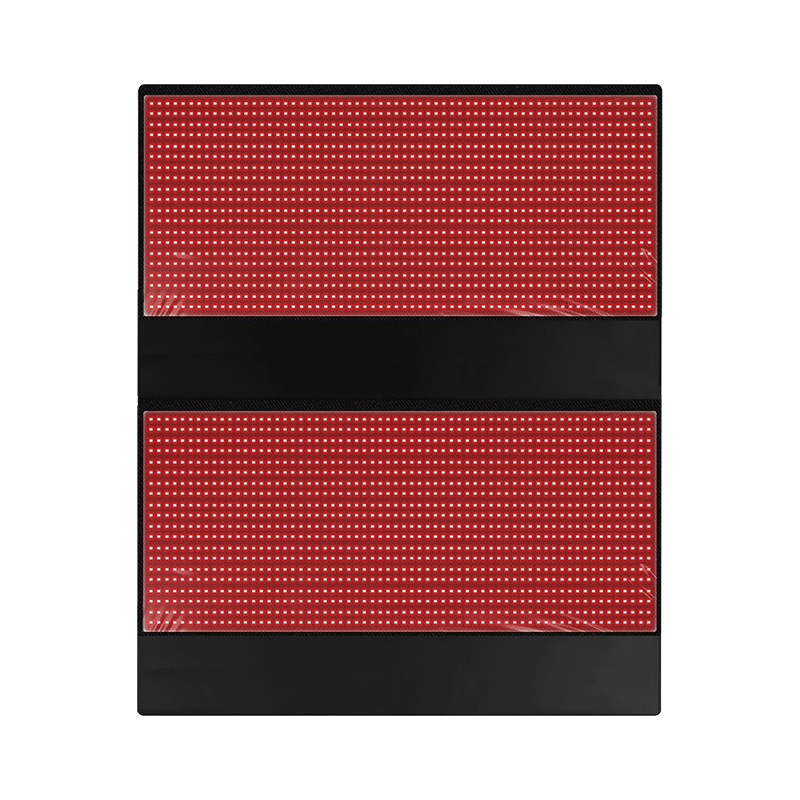
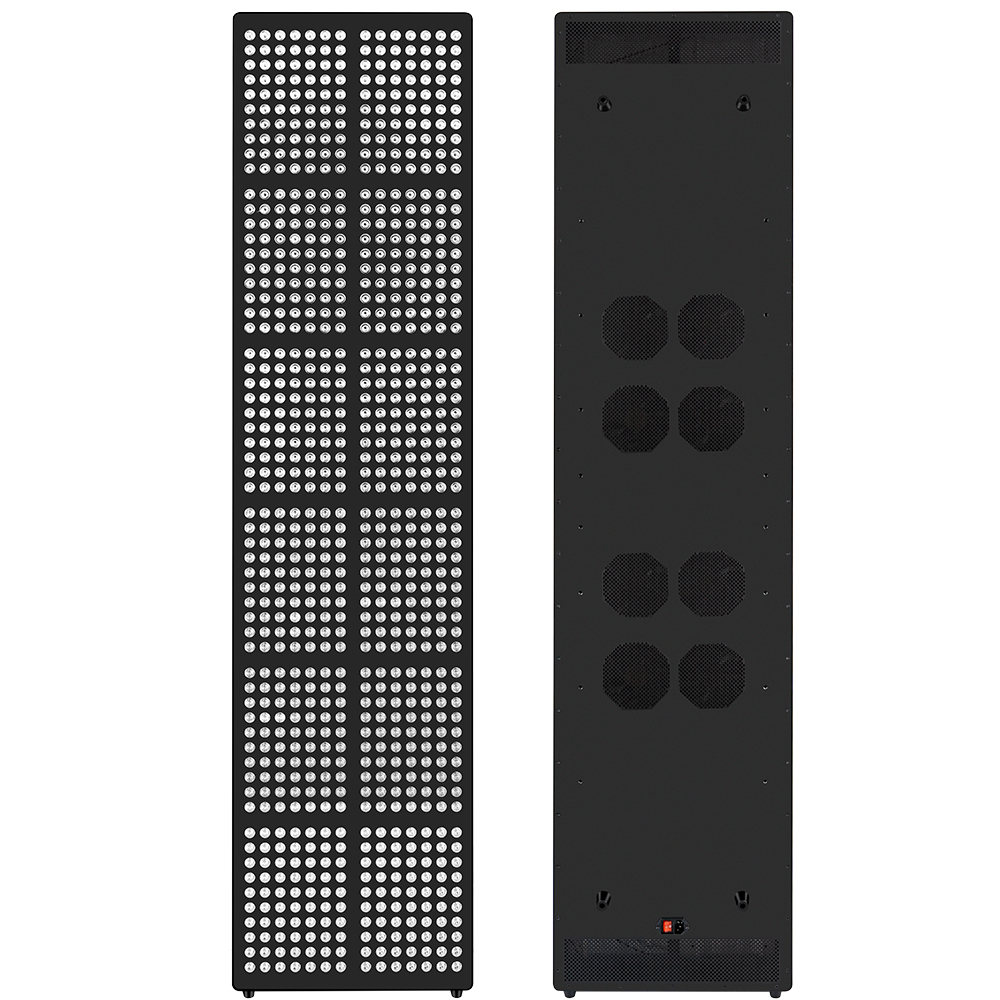
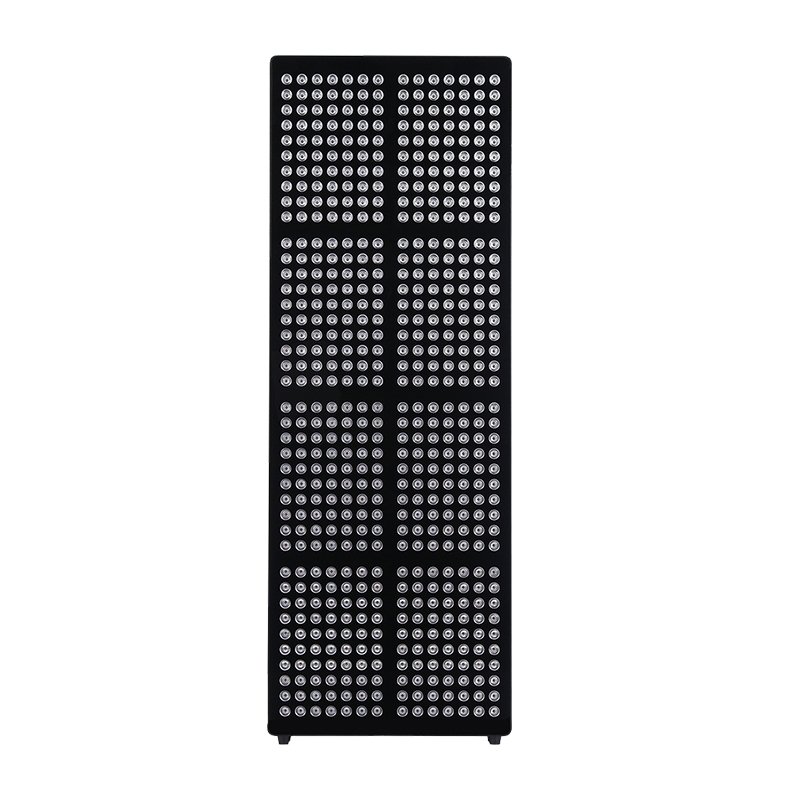
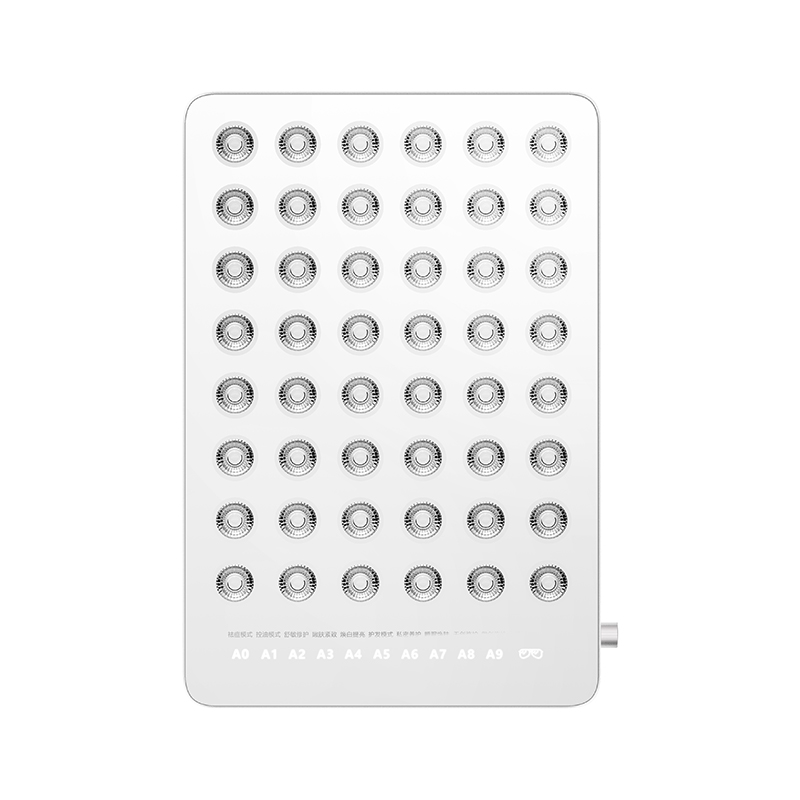
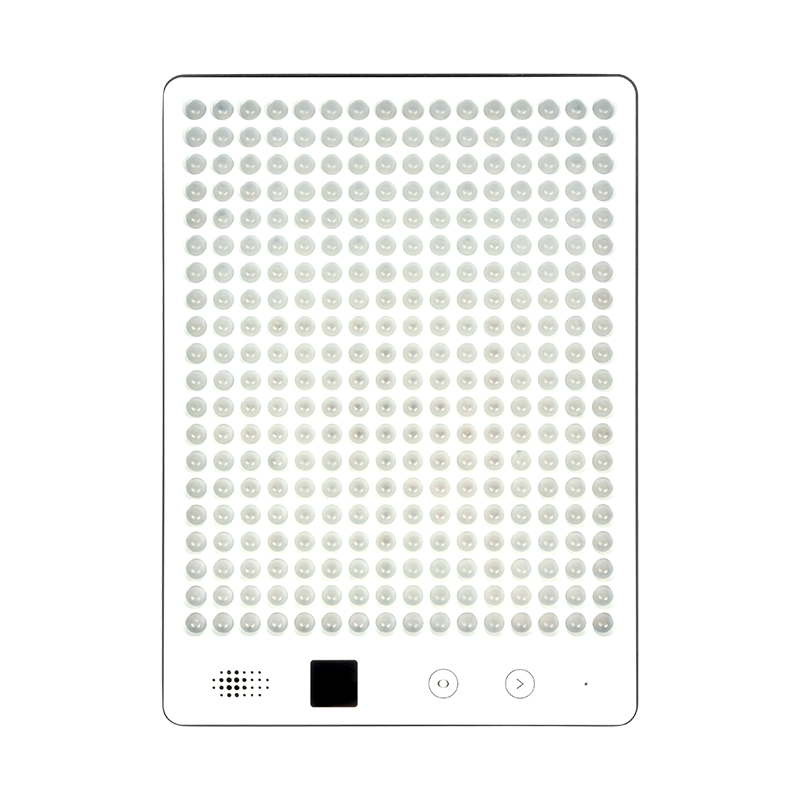
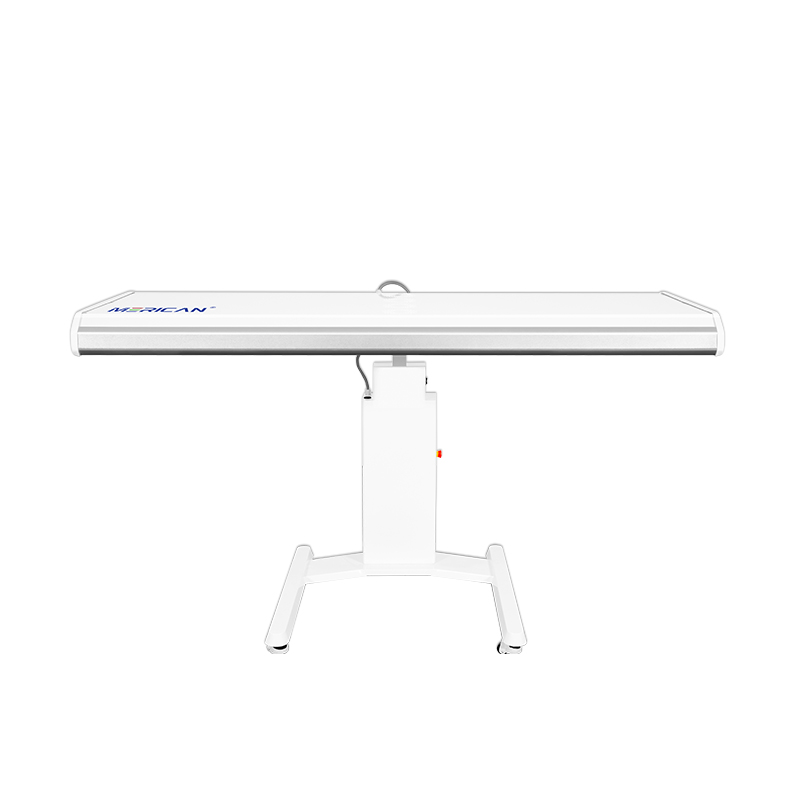
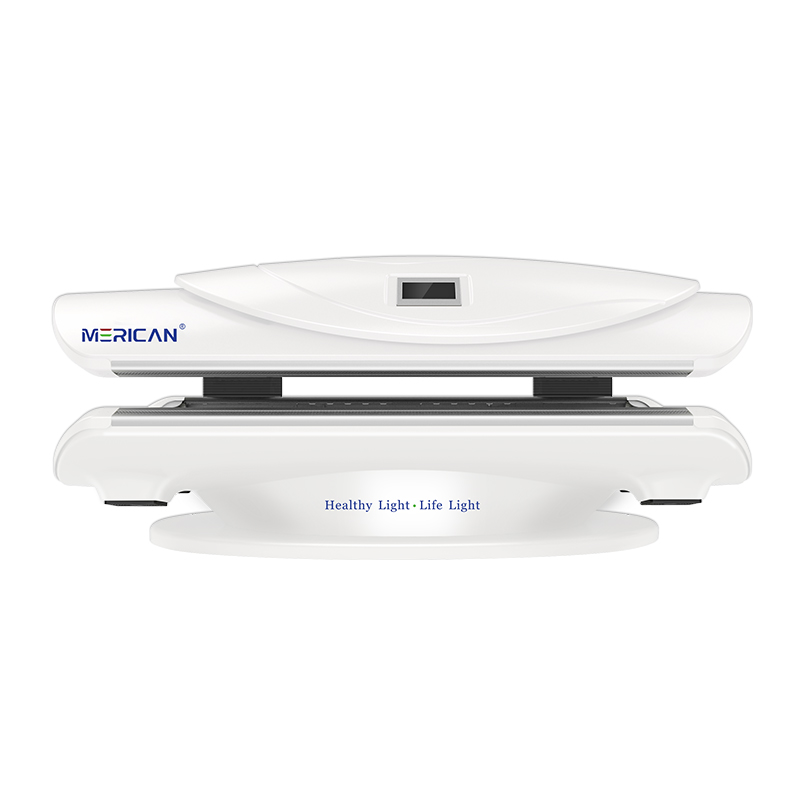
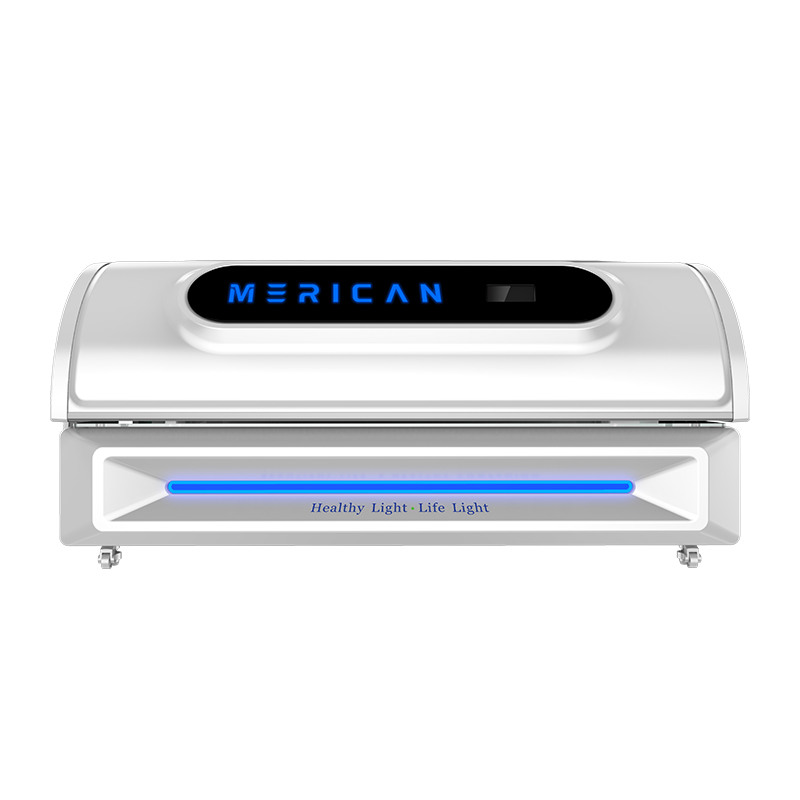
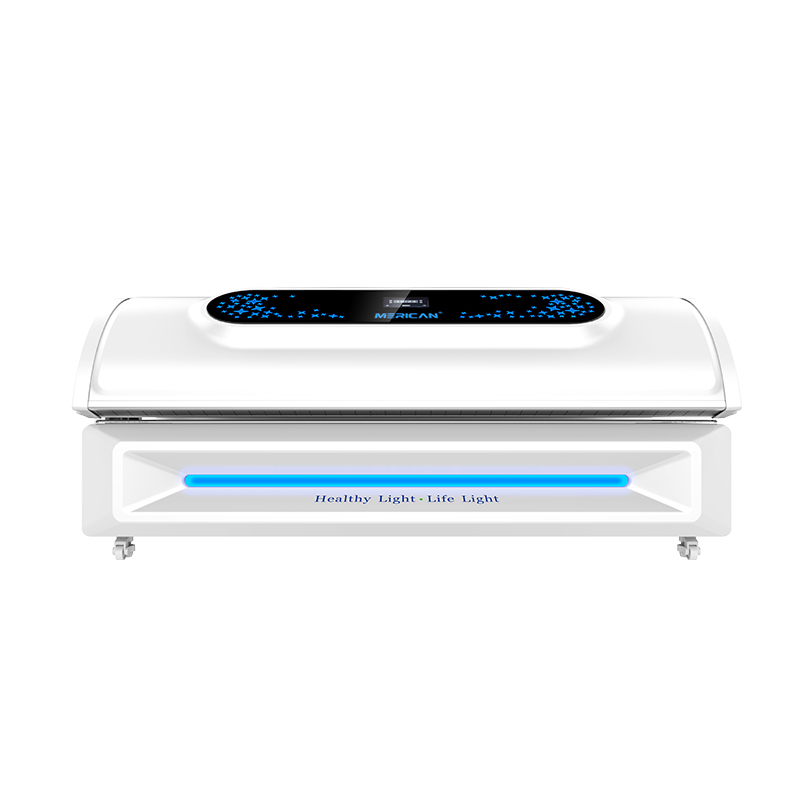
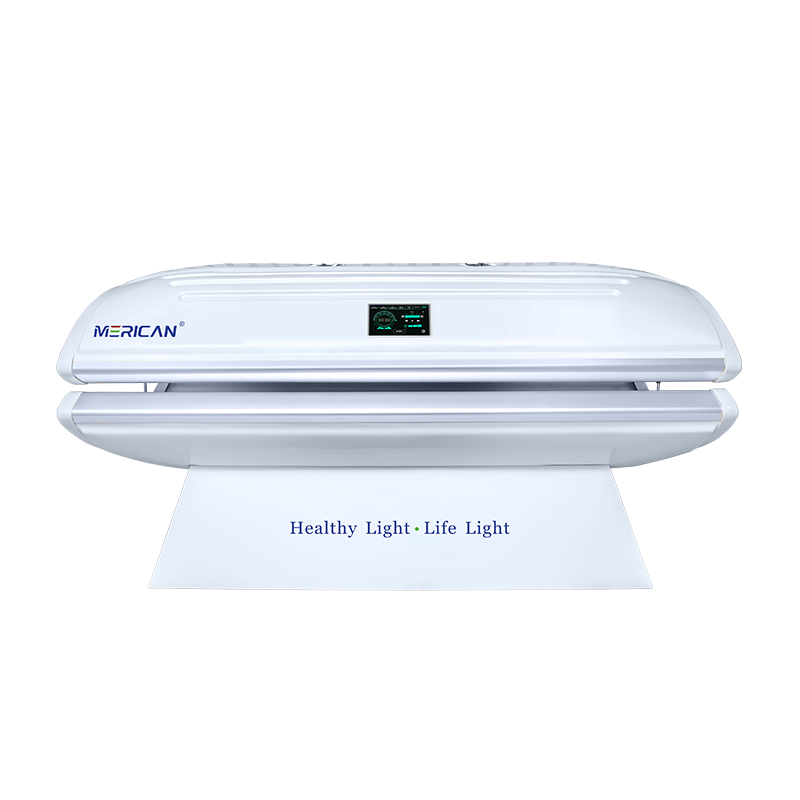
A bed is designed for coverage, not penetration. Its panels are positioned to illuminate the whole body evenly at a comfortable distance.
At that distance, the irradiance reaching the scalp is modest, and only a fraction of that modest figure continues through hair and bone.
There is also no dosimetry for the head. The protocol is written for skin, and the manual will not tell you what dose arrives at the cortex.
None of this makes a bed a bad product. It makes it a different product, and the difference matters when the marketing starts talking about cognition.
Manual writers know this, which is why most bed manuals describe skin and comfort rather than cognition. Those are the claims the device was tested for, and they are also the claims a user can verify for themselves. A manual that promises clear skin is making a modest claim; a seller who upgrades that claim to cognition is writing their own.
What the research actually covers
The most discussed applications are depression, cognitive performance, traumatic brain injury, and some neurodegenerative conditions.
Studies exist for each, and several report promising signals, but sample sizes are often small, protocols vary widely, and results have not been consistent across trials.
That is the normal state of an early research field. It is not the same as a proven home treatment, and it is certainly not a reason to buy a bed for the purpose.
A useful habit is to ask what was measured. A change in a symptom score is not the same as a change in brain function, and neither is the same as a change someone would notice in daily life.
None of this means the field is empty. It means the interesting findings are specific: a particular device, a particular placement, a particular population, and a particular outcome measure. Generalising from those to a home bed is a leap the studies do not make.
Where the claims outrun the evidence
Claims about boosting memory, preventing dementia, or optimising brain performance are not supported by evidence strong enough to justify buying a device.
Language is the giveaway. “Supports brain health” et “may influence” are cautious; “enhances cognition” et “protects against decline” are marketing.
Testimonials are not evidence either, particularly when the person also changed sleep, alcool, or exercise at the same time.
When a seller cannot name a study, un appareil, and a dose, the claim is describing a category rather than a result.
The simplest filter is to ask whether the sentence would survive a sceptical clinician reading it aloud. Claims about mood, mémoire, and cognition usually do not, while claims about relaxation and comfort usually do. That test is quick, free, and unusually effective at separating a product description from a wish. Apply it to every sentence on the page, and the page gets shorter quickly, because most of the confident language is doing work that no study supports.
Safety considerations
Heat is the main practical risk. A device pressed against the head, or a bed that warms a large area, can produce discomfort that is easy to attribute to something else.
Eye protection matters, particularly in a bed where the face is illuminated along with the body.
Personnes atteintes de photosensibilité, ceux qui prennent des médicaments photosensibilisants, and anyone with a significant neurological or psychiatric condition should speak to a clinician before experimenting with transcranial devices.
Anyone with a medical condition should be clear that light is not a substitute for treatment, and stopping prescribed care to try a device is a serious risk.
There is also a quieter problem: a person who buys a bed expecting cognitive change may attribute any improvement to the device and any decline to something else. That asymmetry makes self-evaluation almost useless without a written record and a review date. Write the expectation down before the first session, and the record will do the judging for you.
If you want to explore tPBM properly
Start with the clinical route. Ask whether a local research group or specialist clinic is running a trial or offering supervised treatment.
If you use a device, use one designed for transcranial application, with a documented protocol and a stated dose at the scalp.
Follow the protocol rather than improvising, and keep a record of sessions, paramètres, and any change in symptoms.
Set a review point and a stopping rule before you begin. Without them, an experimental routine can continue indefinitely without ever being assessed.
Practical access matters too. A trial may not exist in your city, and a supervised protocol may be expensive. That reality does not convert a body device into a head device, but it explains why people look for a shortcut. The honest alternative is to wait for better access rather than to substitute a different device and call it equivalent. Waiting is unglamorous, but it keeps the question open instead of answering it with a purchase.
What a bed can reasonably do
A bed can provide a comfortable, quiet twenty minutes, and many users find that valuable for relaxation and routine.
It can support skin goals across the body, which is what a red light therapy bed was designed for.
It can be part of an evening wind-down, provided the timing does not interfere with sleep.
What it cannot do is deliver a documented transcranial dose, and no amount of extra time converts a body device into a head device.
The most useful thing a bed does for mood is often indirect. A quiet twenty minutes away from a screen, at a predictable time, is a routine many people find calming, and the light is one part of that rather than the cause of it. That is a real benefit, and it does not need a neurological explanation to be worth having. Most people who keep using a bed keep using it for the routine rather than for a theory.
Questions to ask a clinic or supplier
Ask what dose is delivered at the scalp, not what the device emits at the panel.
Ask which condition the protocol was studied for, and whether the evidence comes from a trial or from a case series.
Ask who supervises the sessions and what training they have.
Ask what would make them recommend stopping, and what they would expect to change over the first month.
If you ask these questions and receive a paragraph about wavelengths instead of an answer about dose at the scalp, the conversation has told you what you needed to know. Specific questions rarely receive vague answers from people who do the work.
Bring the questions in writing, and ask the same four of every provider. The comparison takes ten minutes and usually settles the choice without any further reading. If two providers give the same vague answer, the answer is the finding. Neither is likely to supervise a protocol they cannot describe.
Claim and evidence level
| Réclamer | Evidence level | Reasonable interpretation |
|---|---|---|
| Light can reach superficial brain tissue | Established in research settings | True with suitable devices and doses |
| tPBM may help depression | Early trials, mixed results | Prometteur, not established |
| tPBM may improve cognition | Small studies, inconsistent | Unproven for healthy adults |
| A bed can deliver tPBM | Not supported | Different geometry and dose |
| Beds prevent cognitive decline | No supporting evidence | Marketing claim |
Read the table as a calibration of expectations rather than a verdict on the technology. Several rows may change as the research develops, and the row about beds is unlikely to. The stable row is the one that matters most when a product page borrows a clinical result. Borrowing is common in this category, and the borrowing is usually invisible to the reader.
Règle pratique: A red light therapy bed is a skin and comfort device. Transcranial work belongs with devices and protocols designed for the scalp, ideally under clinical supervision.
Final Takeaway
Light can influence the brain, but only when the delivery is designed for it: contact with the scalp, adequate irradiance, and a dose calculated for the tissue in between.
A red light therapy bed is built for coverage at a distance, which is the wrong geometry for transcranial delivery.
The research is interesting and early. Treat brain-related claims with the caution they deserve, and keep any experiment supervised and time-limited.
That is a narrower promise than the marketing often makes, and it is the one the evidence supports.
Keep the two questions separate: what light can do to the brain under research conditions, and what a red light therapy bed does in your living room. The first is genuinely interesting, and the second is a comfortable routine for skin.
If someone tells you otherwise, ask them for the dose at the scalp. The answer usually ends the discussion politely, and it costs nothing to ask.