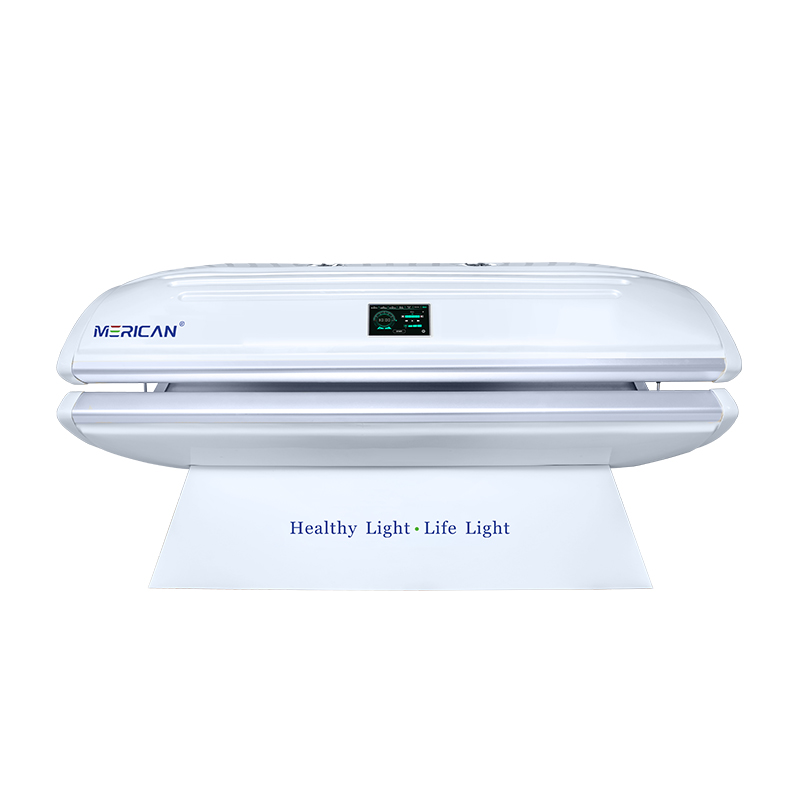
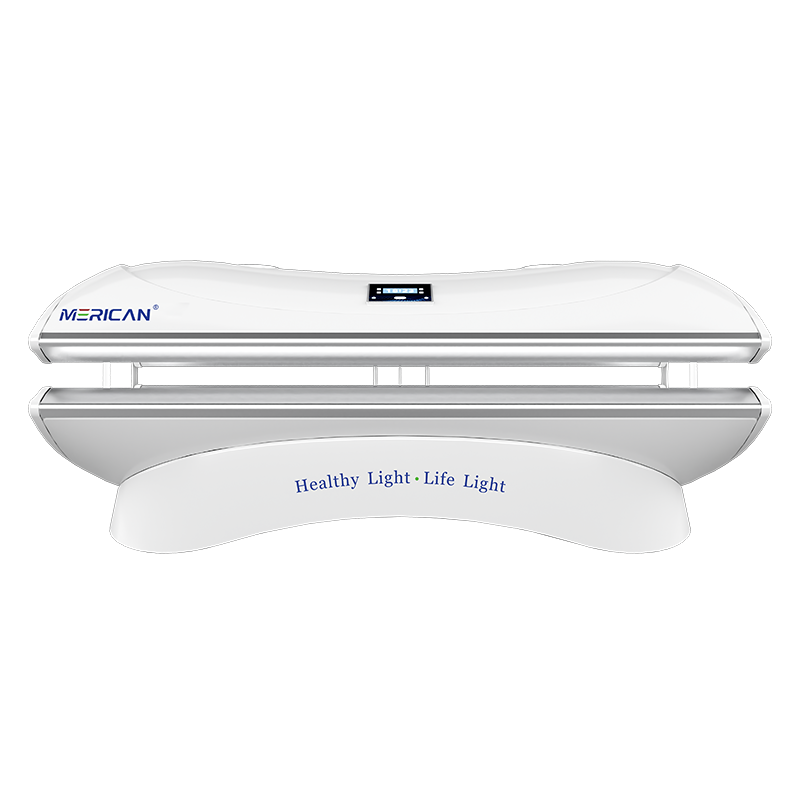
Une plongée profonde dans les mécanismes scientifiques sous-jacents.
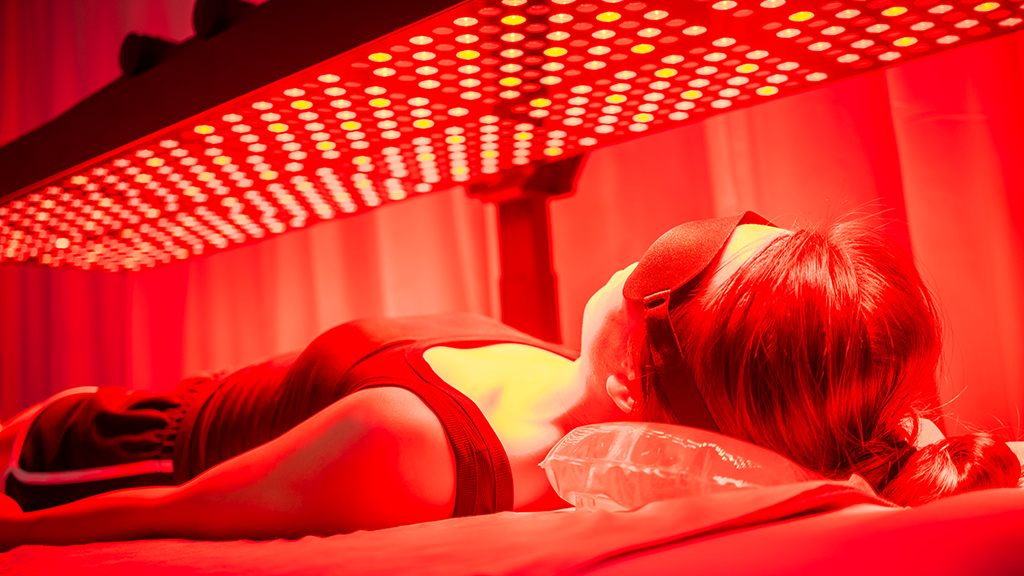
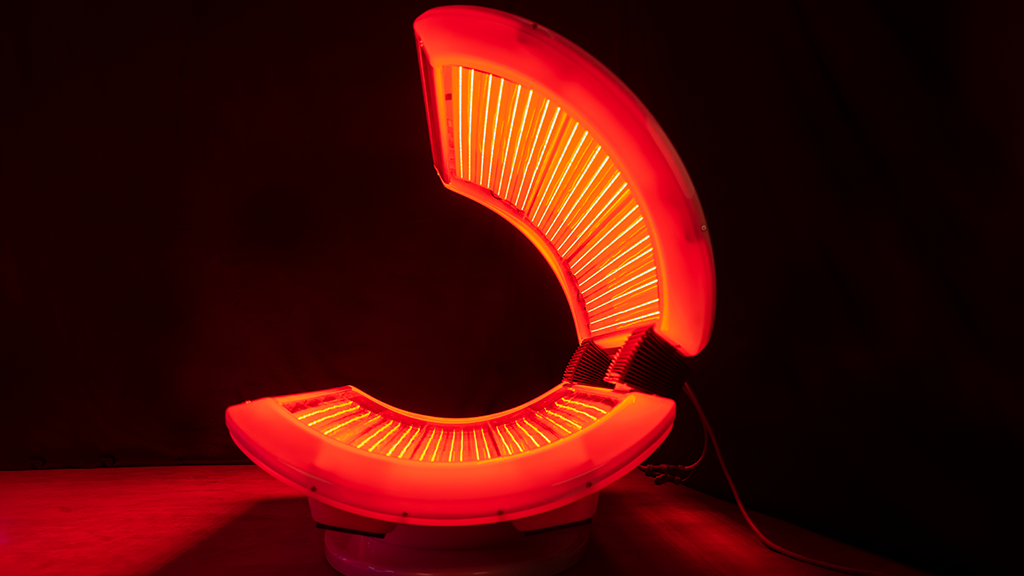
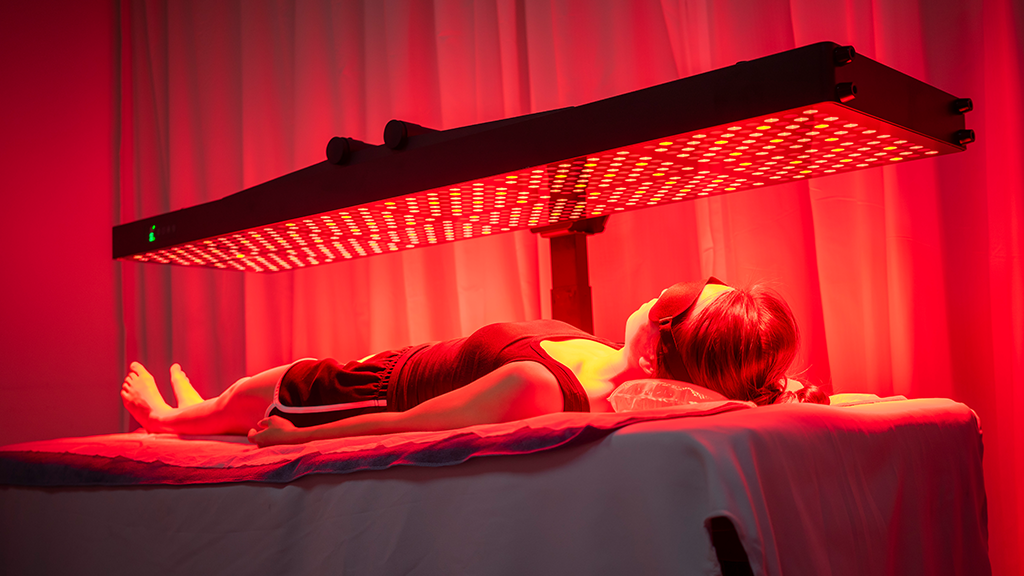
La cicatrisation des plaies est un processus biologique complexe, et la thérapie par la lumière rouge et bleue apparaît comme un traitement d'appoint prometteur. Ce n'est pas une lumière ordinaire, mais utilise plutôt une lumière à faible énergie de longueurs d'onde spécifiques pour moduler de manière non invasive les tissus humains.
Son mécanisme scientifique principal réside dans l’absorption mitochondriale. Quand les mitochondries (usines d'énergie) dans les cellules absorbent ces photons, leur efficacité augmente, produire plus d'adénosine triphosphate (ATP). L'ATP abondant fournit suffisamment d'énergie pour réparer les cellules (comme les fibroblastes et les cellules épithéliales), améliorer leur capacité à proliférer, émigrer, et synthétiser du collagène.
En outre, cette thérapie peut:
Réduire l'inflammation: Régule les cytokines pour prévenir les réponses inflammatoires excessives.
Favoriser l'angiogenèse: Améliorer l'apport sanguin et l'apport d'oxygène à la zone de la plaie.
Réduire le stress oxydatif: Aide à éliminer les radicaux libres nocifs et à protéger les cellules saines.
Des études ont montré des effets positifs sur les plaies aiguës et chroniques telles que les ulcères du pied diabétique, escarres, incisions chirurgicales, brûlures mineures, et écorchures. Bien sûr, il est généralement utilisé comme thérapie complémentaire au débridement standard, soins, et soutien nutritionnel, plutôt que le seul traitement.