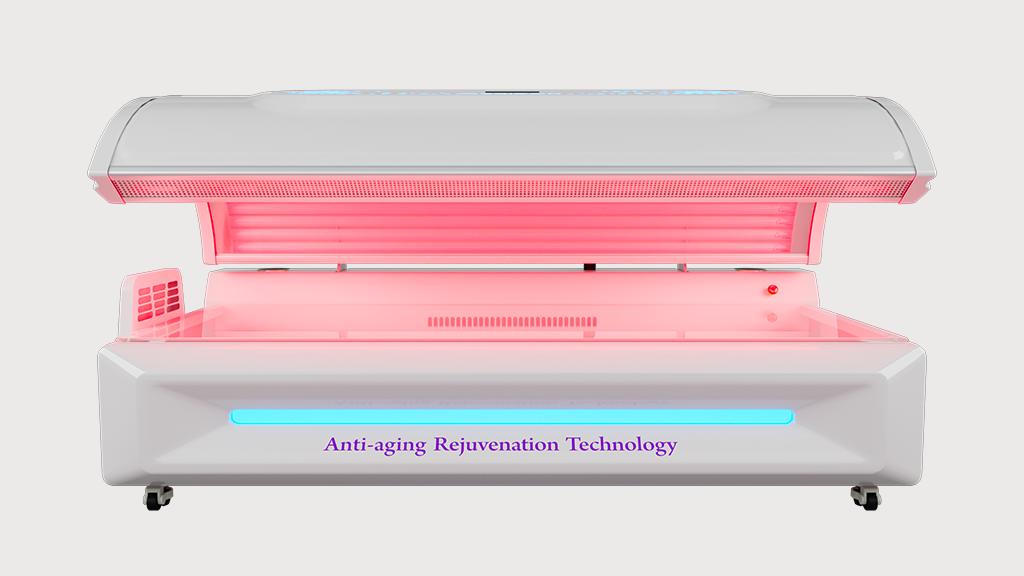
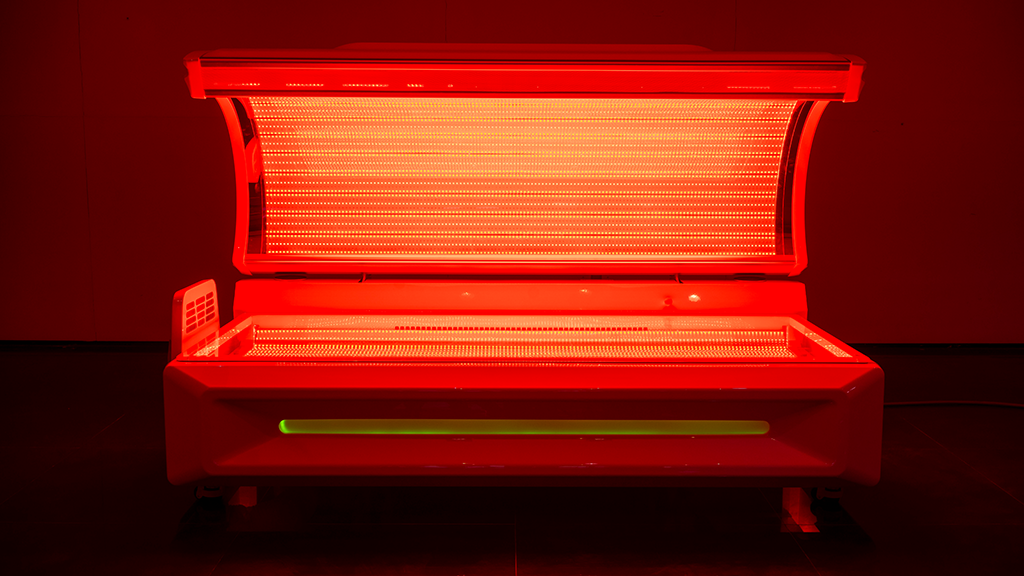
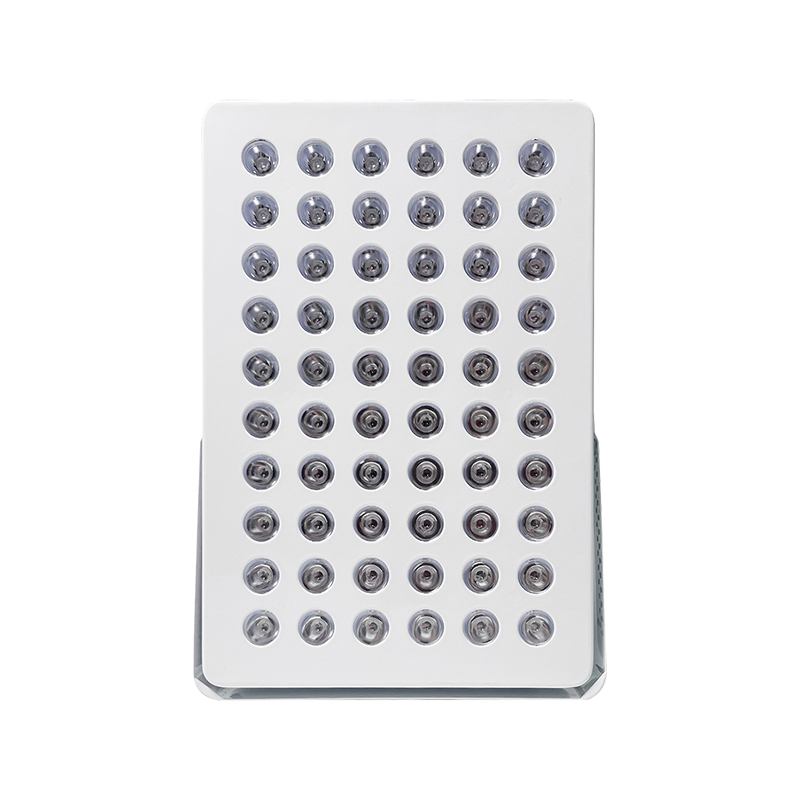
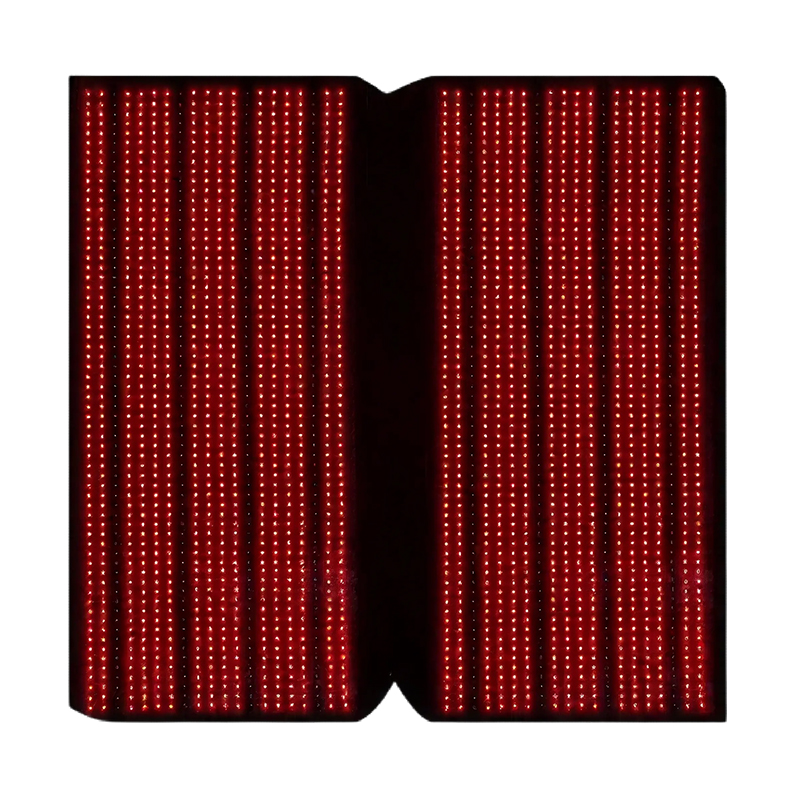
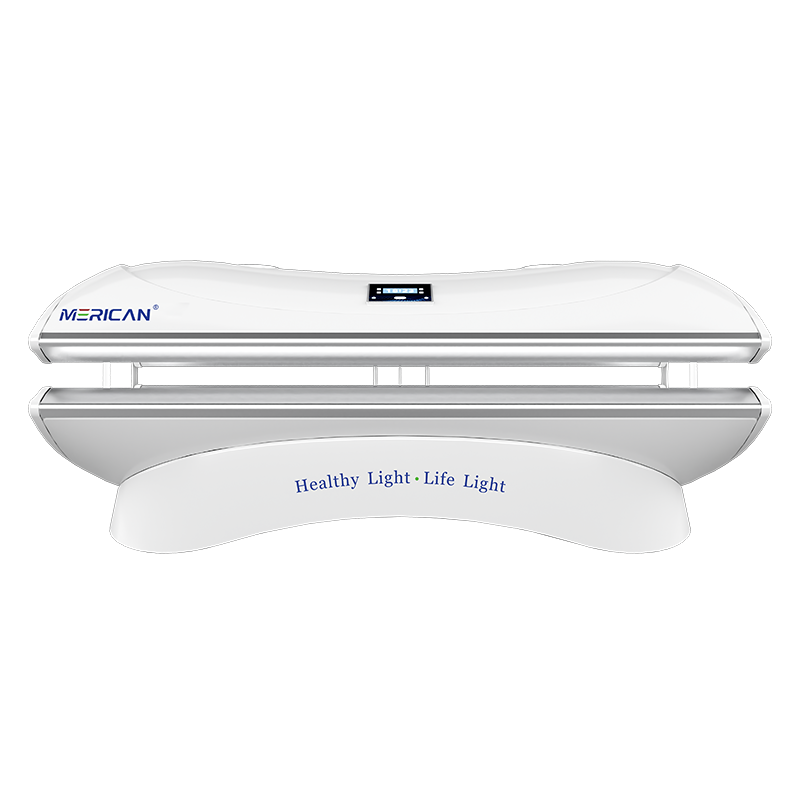
How It Helps Repair UV-Stressed Skin
Introduction
Excessive sun exposure can lead to premature aging, dark spots, fine lines, and uneven skin tone. As more people look for non-invasive skin repair solutions, a common question arises: Is red light therapy good for sun damage?
Red light therapy (RLT), also known as photobiomodulation, is widely used in dermatology and aesthetic medicine for skin rejuvenation. But can it really reverse UV-related damage?
What Happens to Skin After Sun Exposure?
Ultraviolet (UV) radiation penetrates the skin and causes:
- Breakdown of collagen and elastin
- Increased pigmentation (sunspots)
- Inflammation and redness
- Oxidative stress
- Fine lines and premature wrinkles
Over time, repeated UV exposure leads to photoaging — a primary cause of visible skin aging.
How Red Light Therapy Supports Sun-Damaged Skin
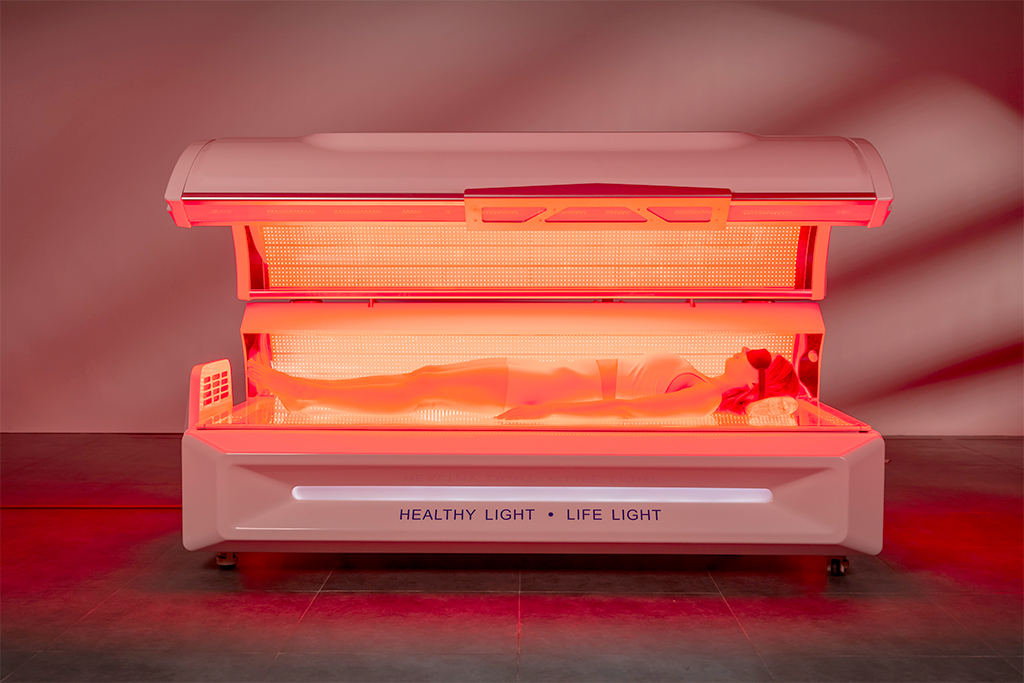
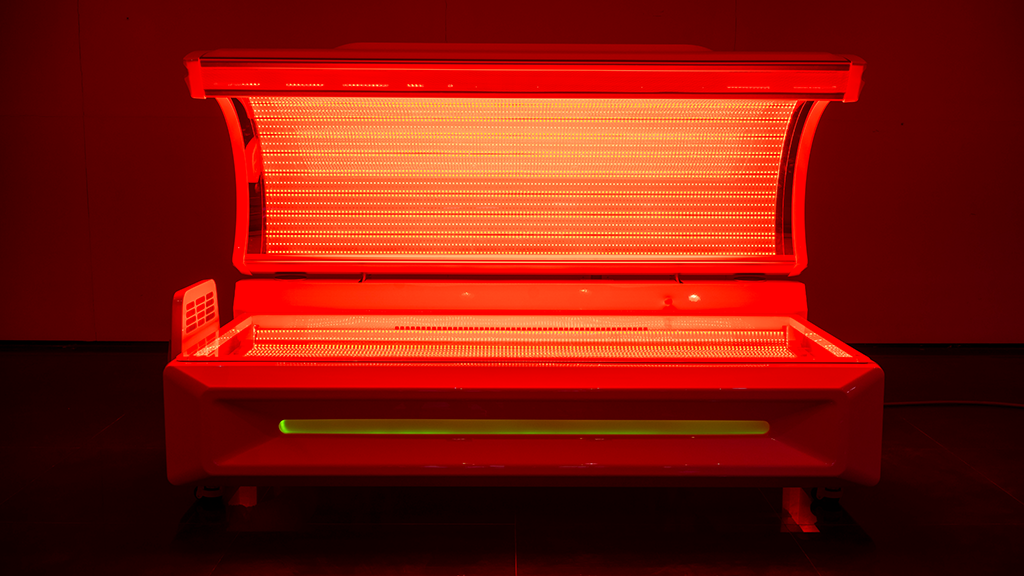
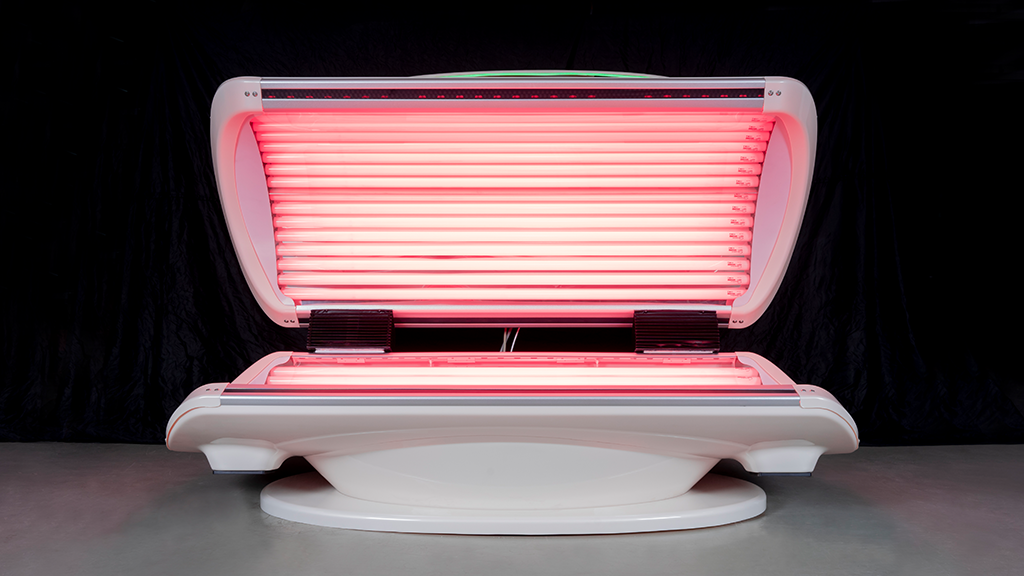
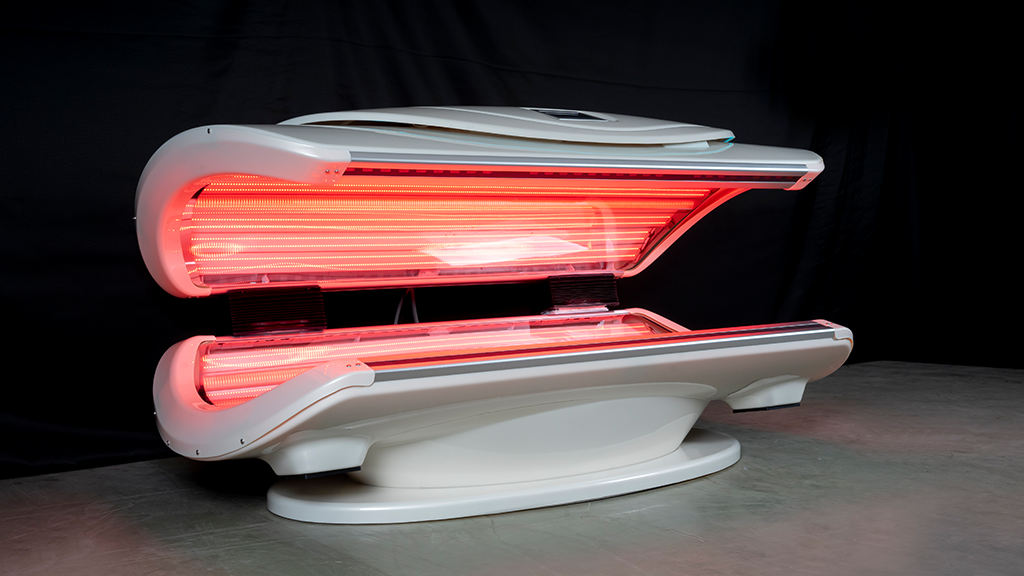
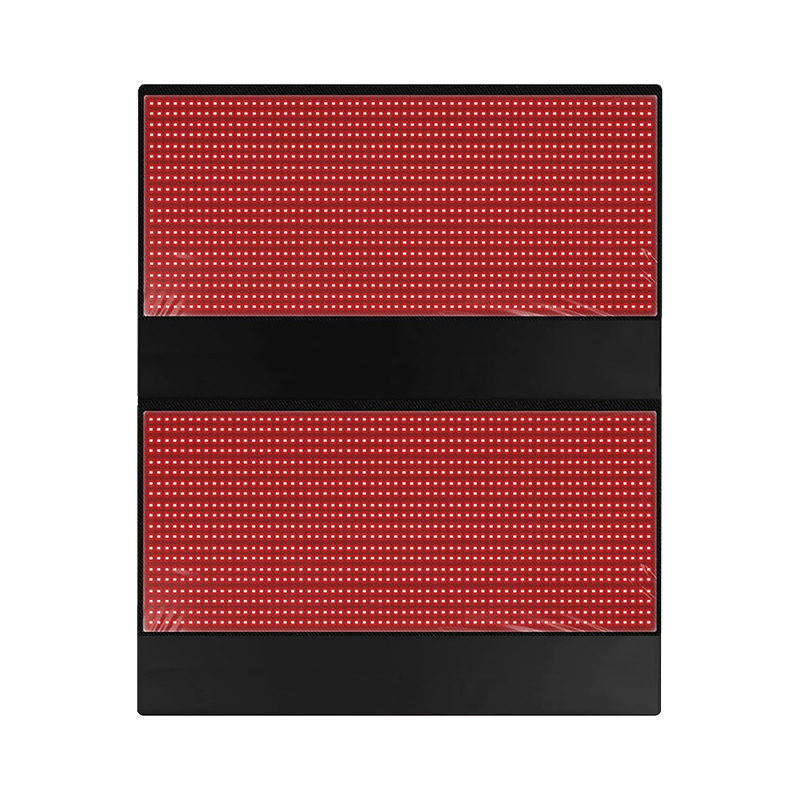
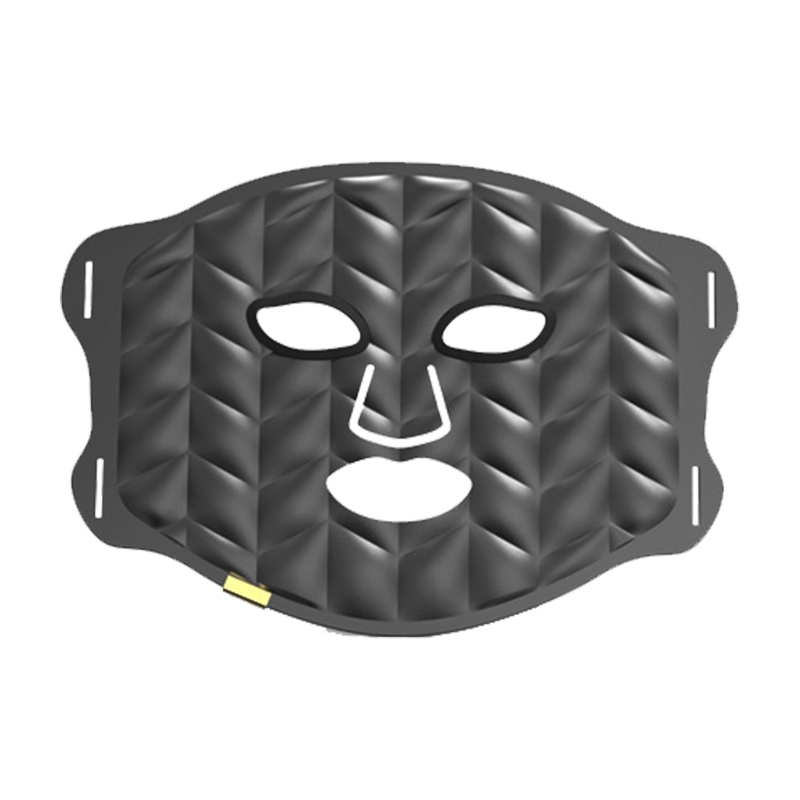
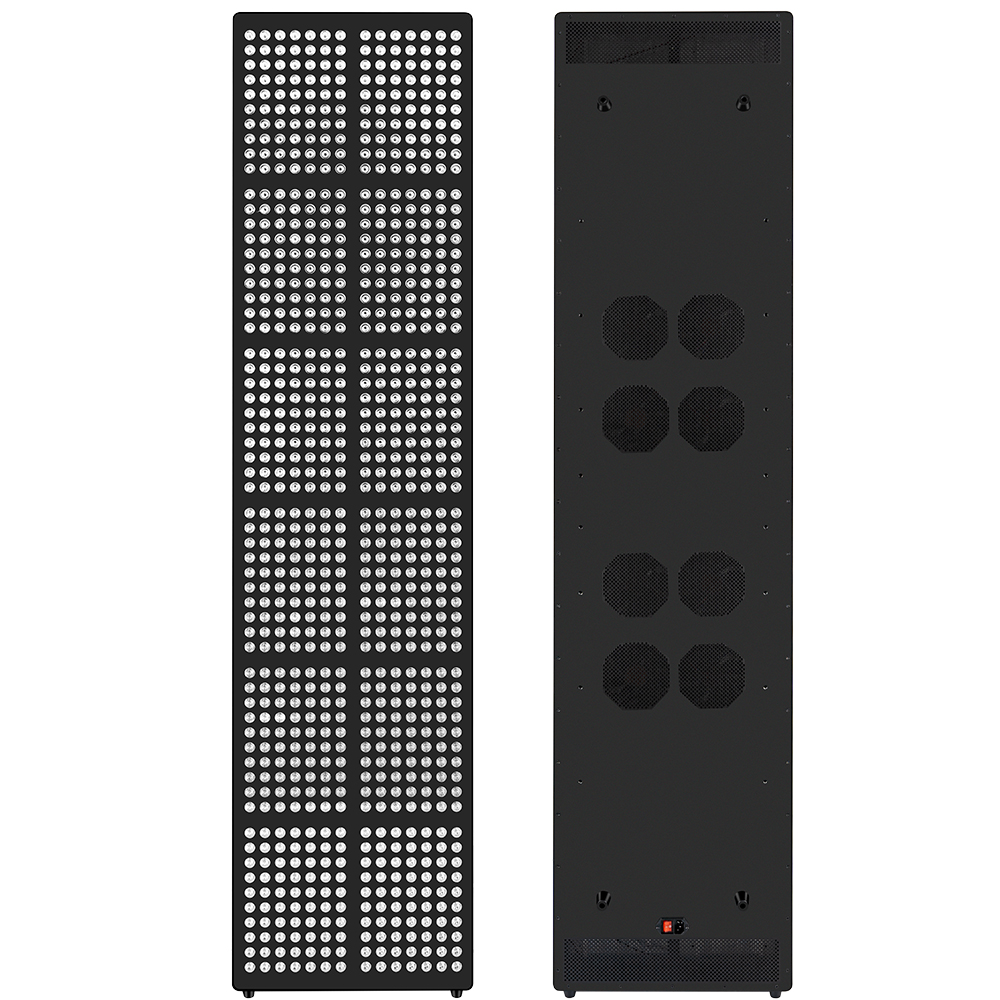
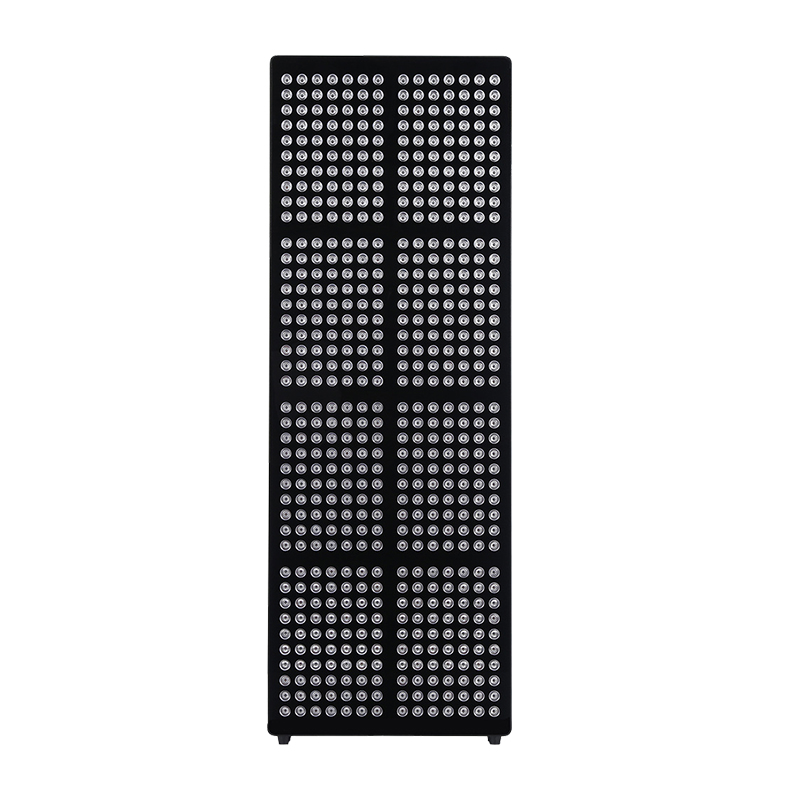
Red light (typically 630–660nm) and near-infrared light (810–850nm) penetrate into the dermis and stimulate mitochondrial activity. This may:
- Increase collagen production
- Improve skin elasticity
- Reduce inflammation
- Enhance microcirculation
- Support cellular repair
Unlike UV light, red light is non-damaging and does not burn or tan the skin.
Can It Reverse Sun Damage?
Red light therapy does not “erase” sun damage overnight. However, research suggests it may:
- Improve skin texture
- Reduce the appearance of fine lines
- Support fading of mild pigmentation over time
- Restore smoother, healthier-looking skin
For best results, consistent treatments are necessary.
What It Cannot Do
Red light therapy:
- Does not remove deep age spots instantly
- Does not replace laser resurfacing for severe damage
- Does not substitute for sunscreen prevention
Daily SPF remains essential to prevent further UV injury.
Final Verdict
Is red light therapy good for sun damage?
Yes — it may help repair collagen, reduce inflammation, and improve overall skin quality. While not a quick fix, it is a safe, non-invasive option for supporting long-term skin rejuvenation.