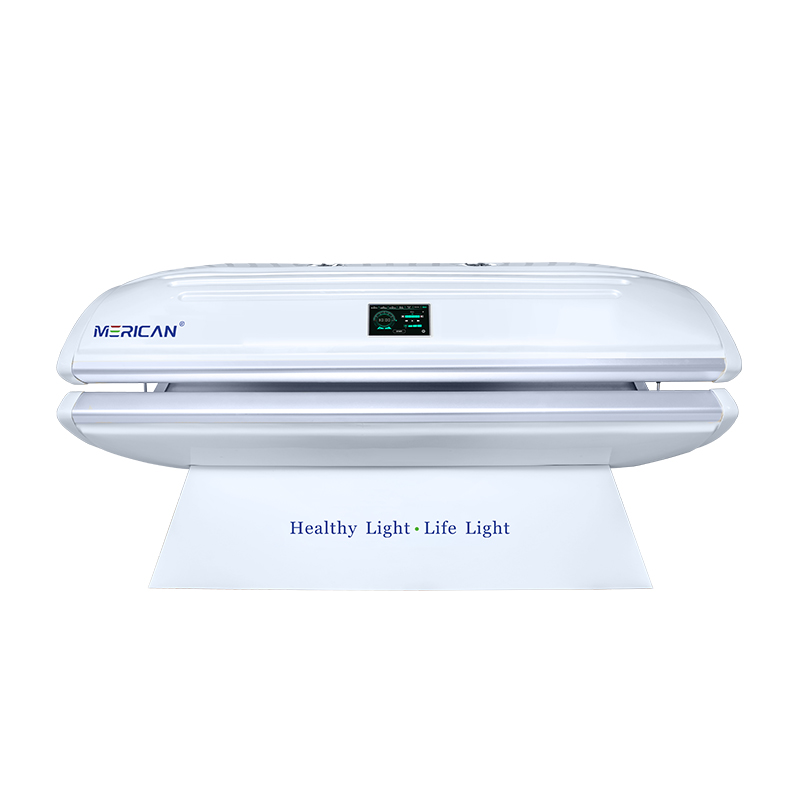
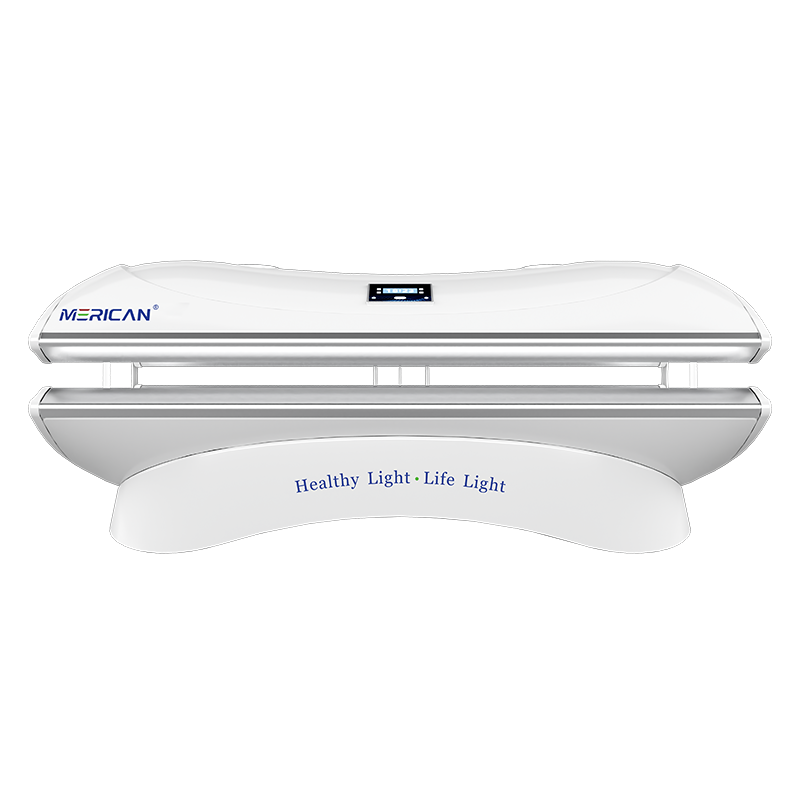
How It Helps Repair UV-Stressed Skin
Introducción
Excessive sun exposure can lead to premature aging, manchas oscuras, líneas finas, y tono de piel desigual. A medida que más personas buscan soluciones de reparación de la piel no invasivas, surge una pregunta común: ¿La terapia con luz roja es buena para el daño solar??
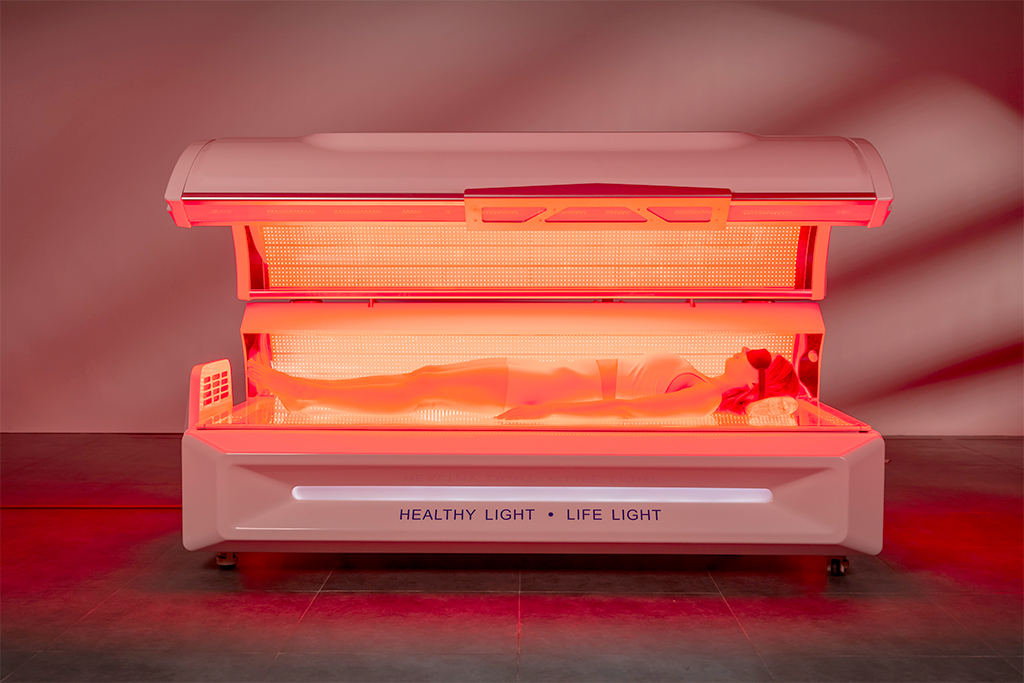
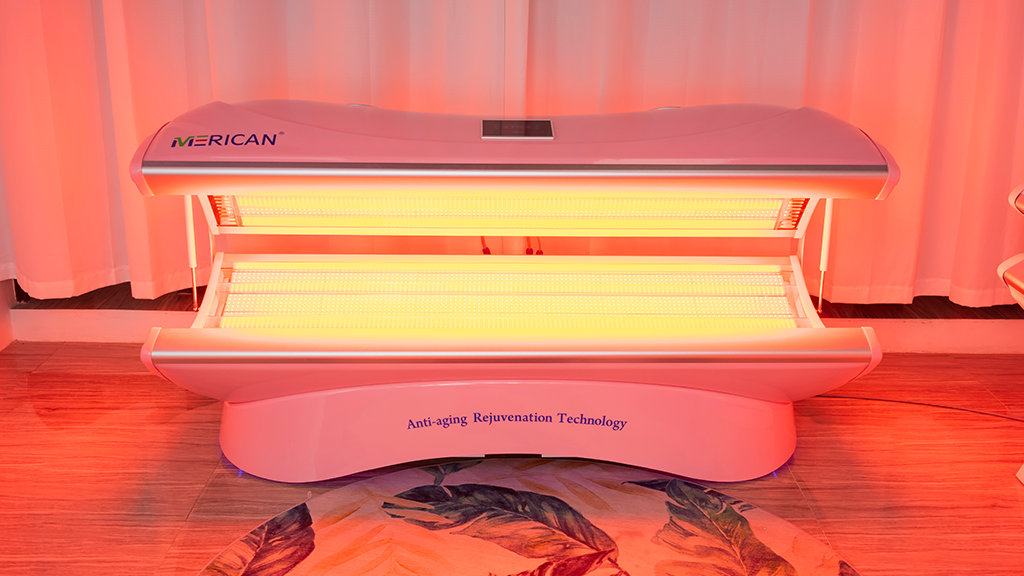
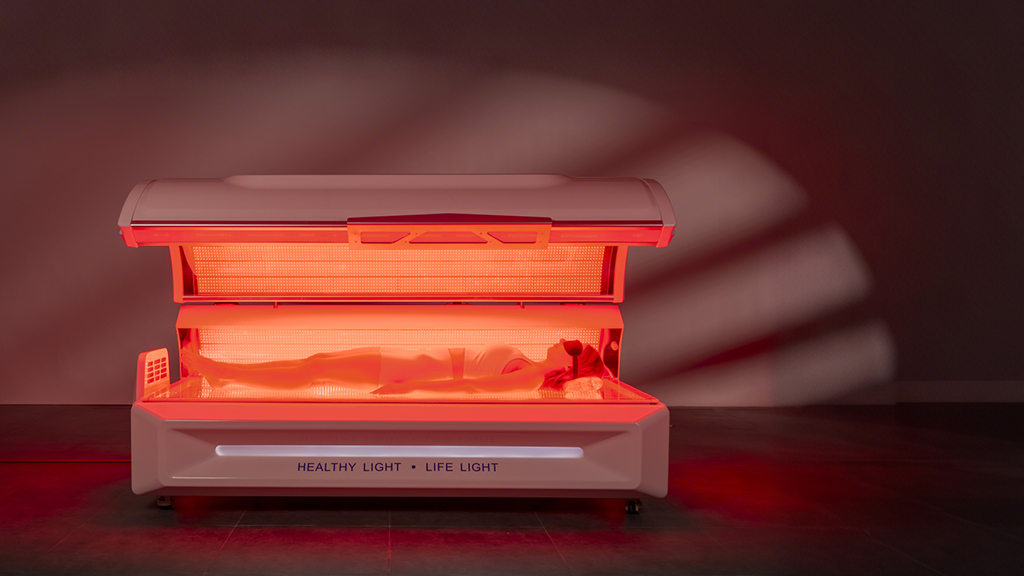
Terapia de luz roja (RLT), también conocido como fotobiomodulación, is widely used in dermatology and aesthetic medicine for skin rejuvenation. But can it really reverse UV-related damage?
What Happens to Skin After Sun Exposure?
Ultravioleta (ultravioleta) radiation penetrates the skin and causes:
- Breakdown of collagen and elastin
- Increased pigmentation (manchas solares)
- Inflammation and redness
- Estrés oxidativo
- Fine lines and premature wrinkles
Con el tiempo, repeated UV exposure leads to photoaging — a primary cause of visible skin aging.
How Red Light Therapy Supports Sun-Damaged Skin
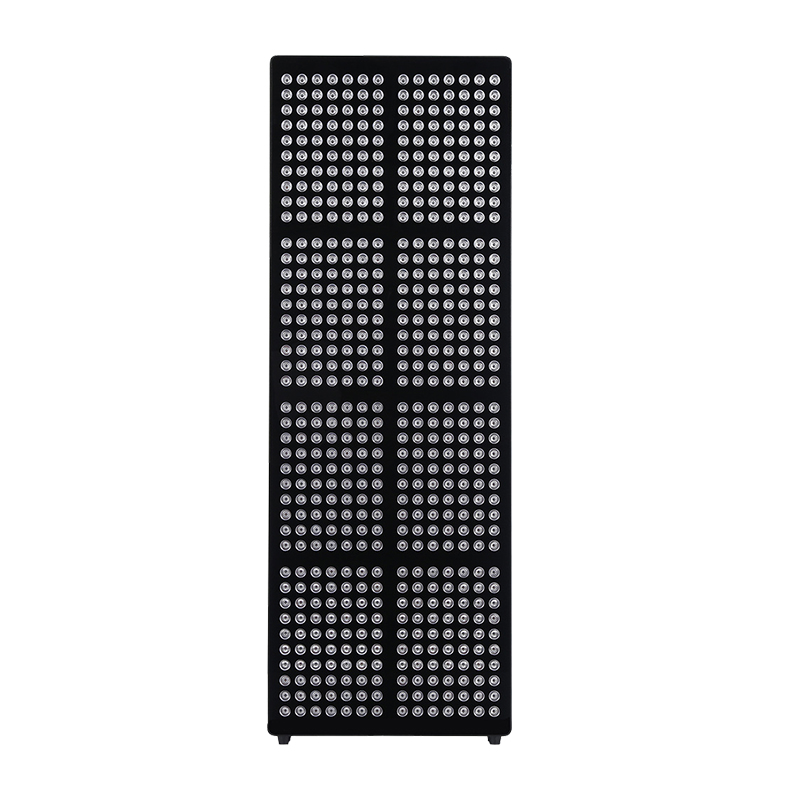
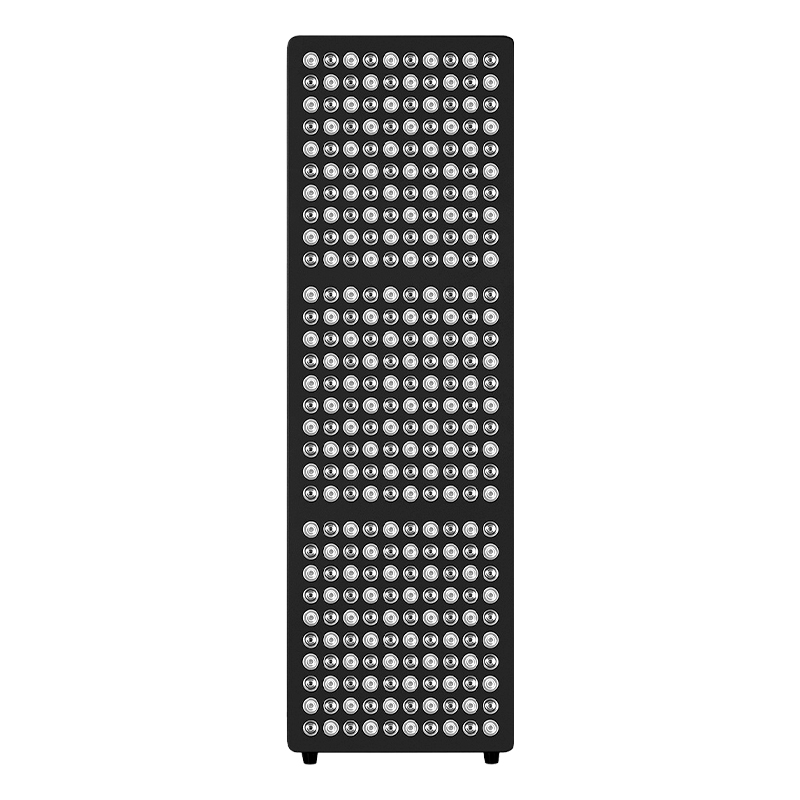
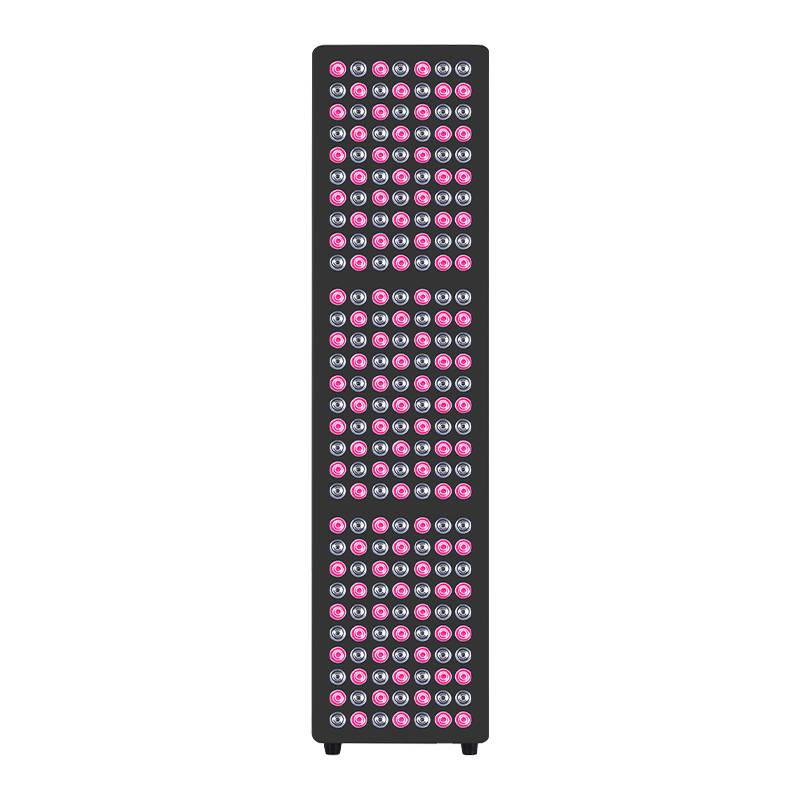
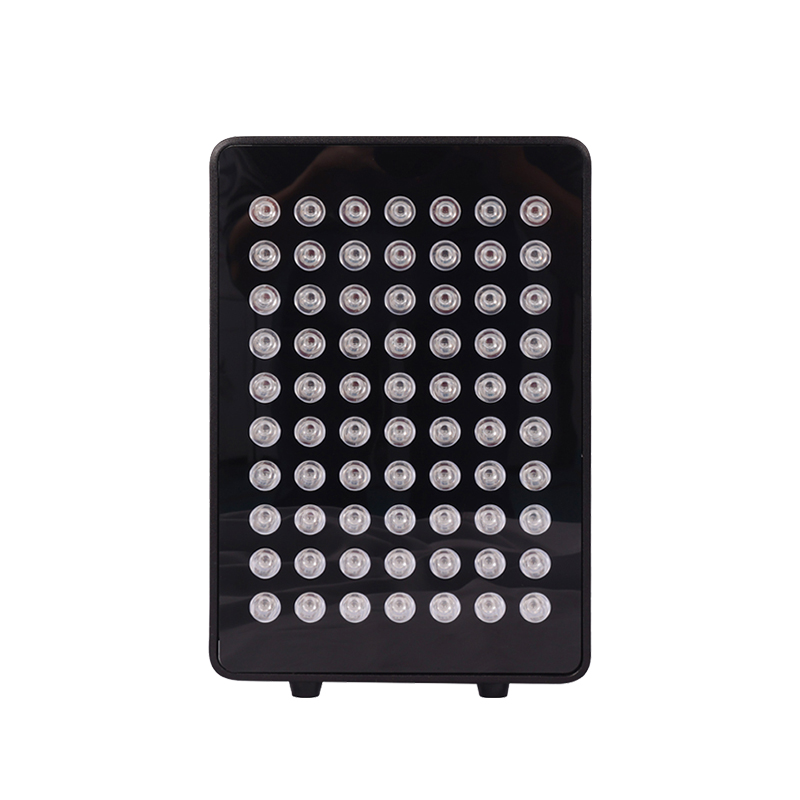
Luz roja (típicamente 630–660 nm) y luz de infrarrojo cercano (810–850 nm) penetrate into the dermis and stimulate mitochondrial activity. esto puede:
- Increase collagen production
- Mejorar la elasticidad de la piel.
- Reducir la inflamación
- Mejorar la microcirculación
- Support cellular repair
A diferencia de la luz UV, red light is non-damaging and does not burn or tan the skin.
Can It Reverse Sun Damage?
Red light therapy does not “erase” sun damage overnight. Sin embargo, research suggests it may:
- Improve skin texture
- Reducir la apariencia de líneas finas
- Support fading of mild pigmentation over time
- Restore smoother, healthier-looking skin
Para mejores resultados, consistent treatments are necessary.
Lo que no puede hacer
Terapia de luz roja:
- Does not remove deep age spots instantly
- Does not replace laser resurfacing for severe damage
- Does not substitute for sunscreen prevention
Daily SPF remains essential to prevent further UV injury.
Veredicto final
¿La terapia con luz roja es buena para el daño solar??
Yes — it may help repair collagen, reducir la inflamación, and improve overall skin quality. While not a quick fix, it is a safe, non-invasive option for supporting long-term skin rejuvenation.