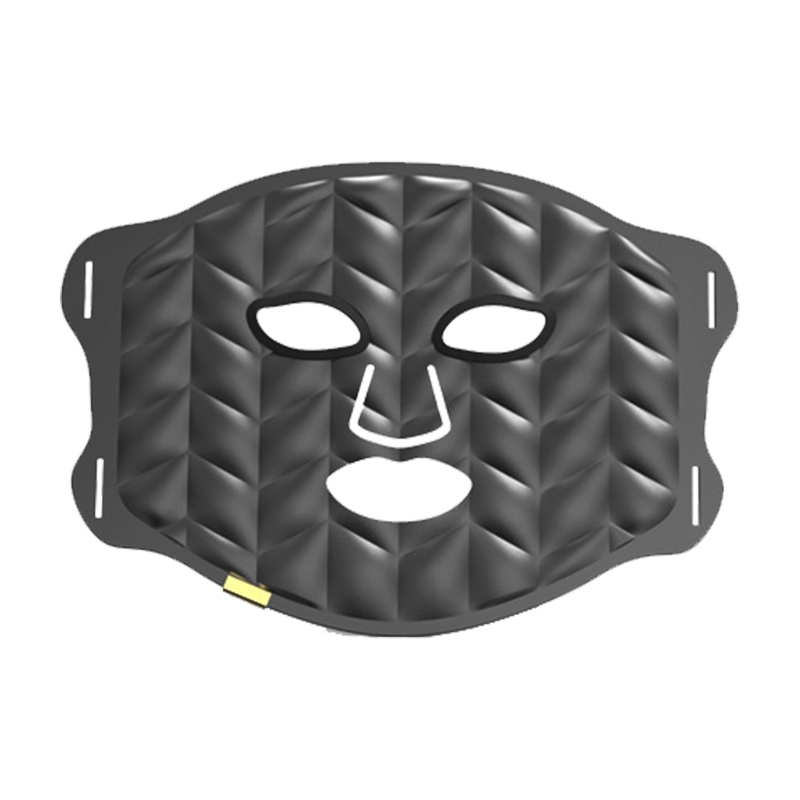
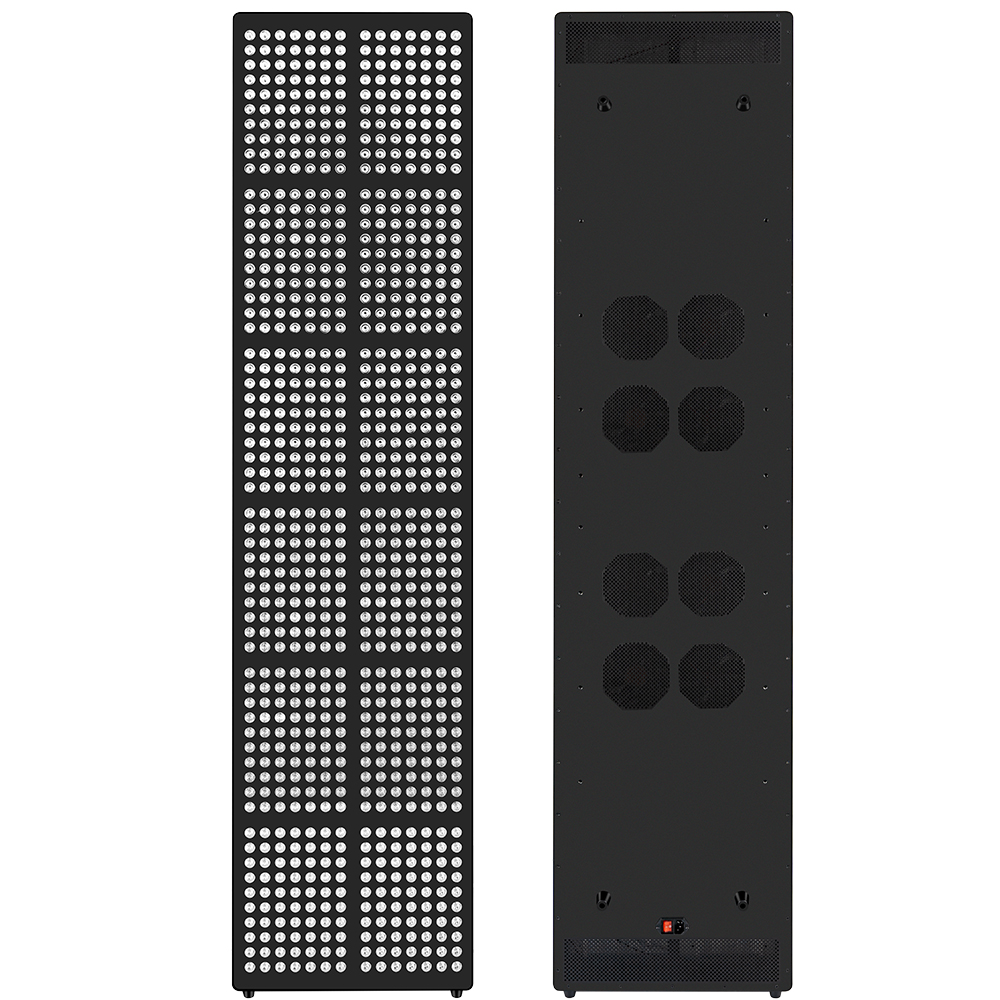
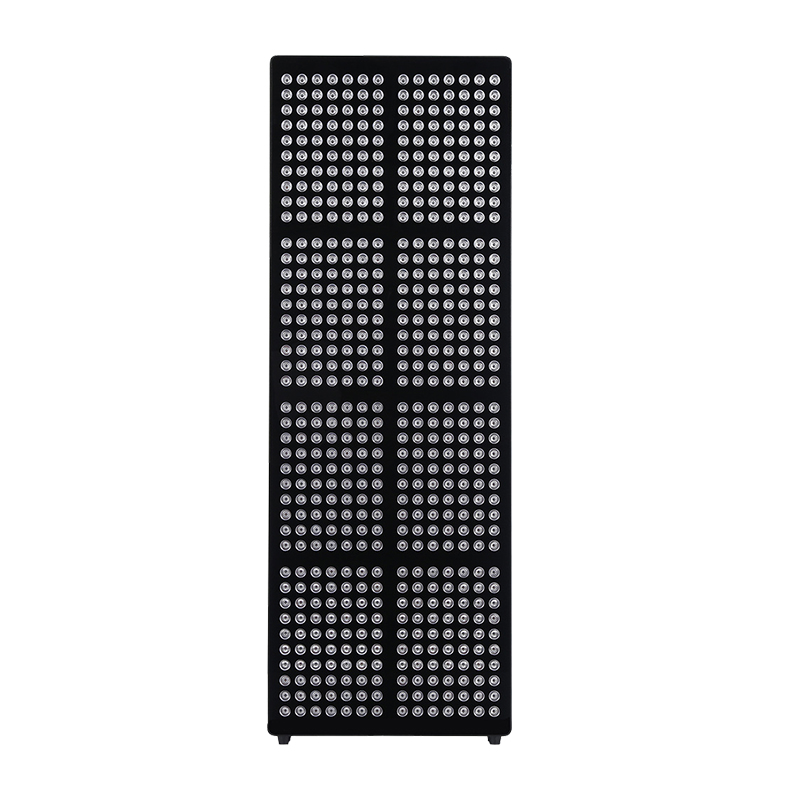
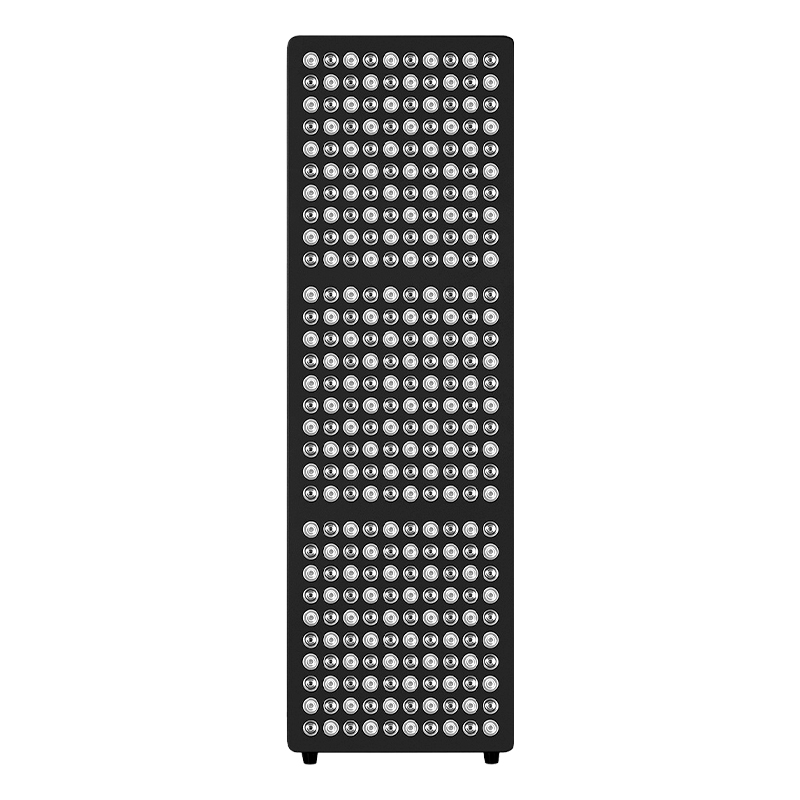
Living with psoriasis means dealing with recurring scaly plaques, persistent itching, skin redness and unpredictable flare-ups. Millions of psoriasis patients search for gentle, non-invasive ways to manage symptoms alongside prescription skincare and medications. In recent years, red light therapy (also known as photobiomodulation, PBM) has gained widespread attention as a complementary skin support method. Many people ask the key question: does red light therapy help with psoriasis? This guide breaks down the scientific background, core benefits, proper usage rules and critical safety advice you need to know.
What Is Psoriasis & Why Conventional Treatments Have Limits
Psoriasis is a chronic autoimmune inflammatory skin disorder. When the immune system overreacts, it triggers abnormal overgrowth of keratinocytes, forming thick, silvery scaly plaques on elbows, knees, scalp, torso and limbs. Common symptoms include dry skin, burning sensation, severe itchiness, and in severe cases, psoriatic arthritis that causes joint soreness.
Traditional mainstream light therapy for psoriasis relies on narrowband UVB. While UV phototherapy delivers obvious effects, long-term UV exposure carries potential risks of skin dryness, photosensitivity and cumulative skin damage. Many patients cannot tolerate repeated UV sessions and look for milder alternatives. That is where red light therapy stands out. Unlike ultraviolet light, quality red and near-infrared LED light carries no ionizing radiation, making it suitable for long-term maintenance.
How Red Light Therapy Helps With Psoriasis (Core Mechanisms)
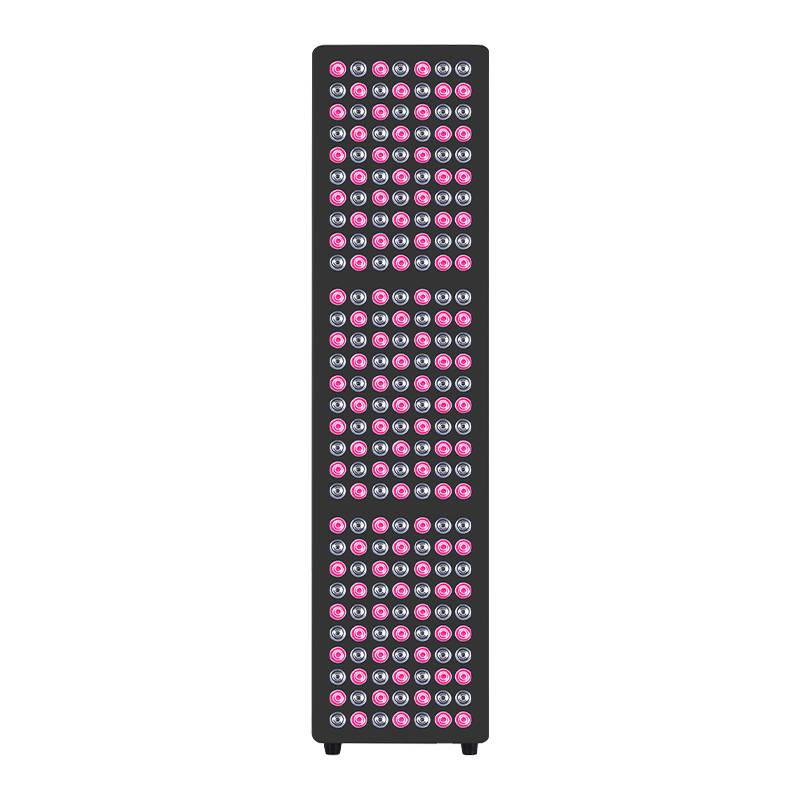
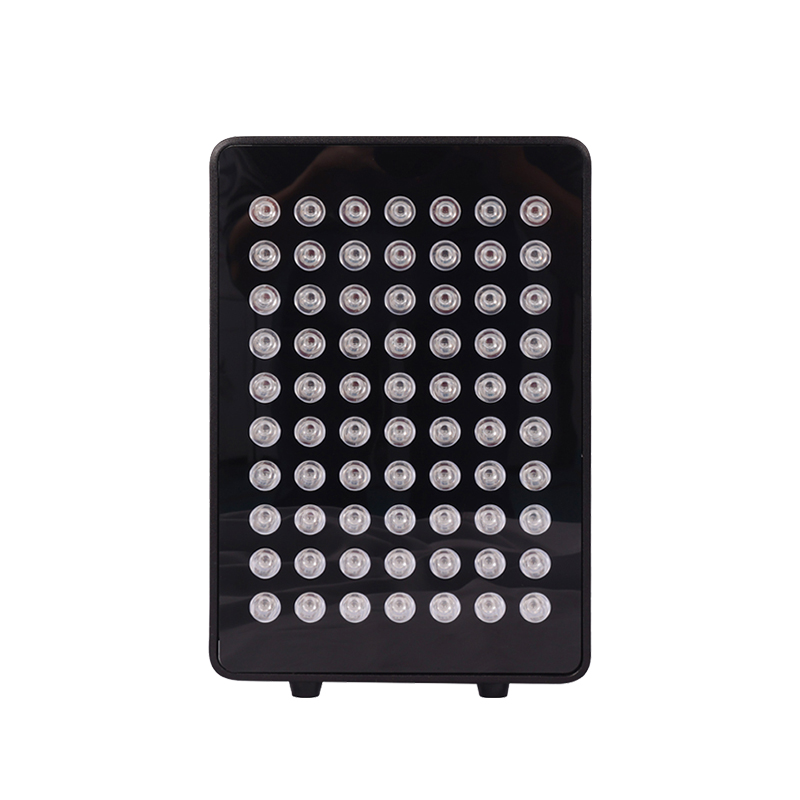
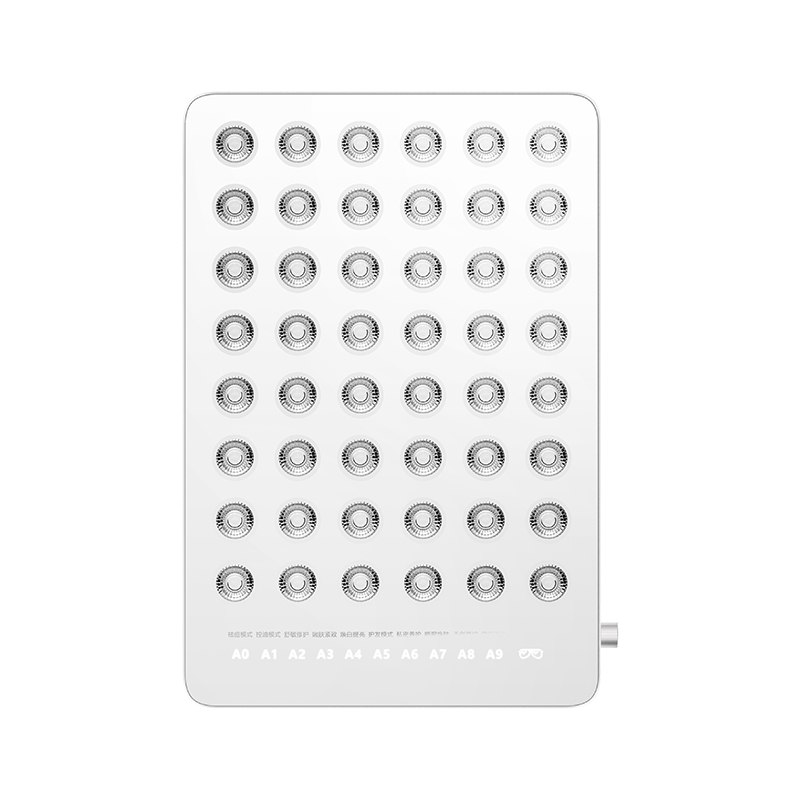
High-quality red light devices usually adopt 630–660 nm red light paired with 810–850 nm near-infrared light. These wavelengths penetrate deep into the dermis layer and work on psoriasis through multiple pathways:
- Reduce skin inflammation Red light suppresses the release of pro-inflammatory cytokines including TNF-α, IL-17 and IL-23. These inflammatory substances are the primary drivers triggering psoriasis flare-ups. Regular sessions ease erythema, swelling and skin irritation around plaques.
- Regulate abnormal skin cell proliferation Psoriatic skin cells grow and shed within just 3–4 days, compared to the normal 28-day skin renewal cycle. Targeted red light helps normalize keratinocyte activity, slowing excessive cell reproduction and gradually softening thick scales.
- Boost mitochondrial energy production Light energy is absorbed by cell mitochondria to generate more ATP. Healthy cells gain stronger self-repair capacity, accelerating skin barrier recovery after flare-ups.
- Improve local blood circulation Better microcirculation delivers oxygen and nutrients to damaged skin tissue, relieving dryness and reducing itching caused by chronic psoriasis.
It is important to clarify: red light therapy cannot cure psoriasis permanently. It works as a complementary management method instead of a replacement for dermatologist-prescribed medicines or professional treatment.
Research Evidence Supporting Red Light Therapy for Psoriasis
Multiple clinical observations and small-scale trials confirm positive outcomes for mild to moderate plaque psoriasis using LED red light therapy.
One clinical study monitored patients receiving combined 633 nm red light and 830 nm near-infrared treatment twice weekly for 4–5 weeks. Most participants experienced visible thinning of plaques, reduced scaling and lower PASI (Psoriasis Area and Severity Index) scores without adverse side effects.
Other split-body control research found that treated skin areas showed remarkably less redness and scaling compared to untreated regions after consistent daily sessions. For patients sensitive to UV treatment or seeking long-term maintenance between medical therapies, red light offers a viable option.
Practical Guidelines: How to Use Red Light Therapy for Psoriasis Safely
1. Consult your dermatologist first
If you have moderate or severe psoriasis, always discuss your plan with a skin specialist before starting red light sessions. Do not stop prescription treatment without professional permission.
2. Stick to standard session parameters
- Session duration: 10–20 minutes per treatment area
- Frequency: 3–4 times each week
- Maintain consistent distance as instructed by your device manual Consistency matters more than extending session time. Overexposure may irritate sensitive psoriatic skin.
3. Prepare skin properly
Clean skin and remove all creams, sunscreen or heavy oil before treatment. Thick residue blocks light penetration. After therapy, apply fragrance-free gentle moisturizer to strengthen the skin barrier.
4. Wear eye protection
High-intensity LED light may cause eye strain; always use matching protective goggles during treatment.
Who Should Exercise Caution
People with diagnosed photosensitivity disorders, patients taking photosensitizing medicine, pregnant women and those with open infected skin wounds should avoid red light therapy unless approved by a doctor.
Choose the Right Red Light Device for Psoriasis Relief
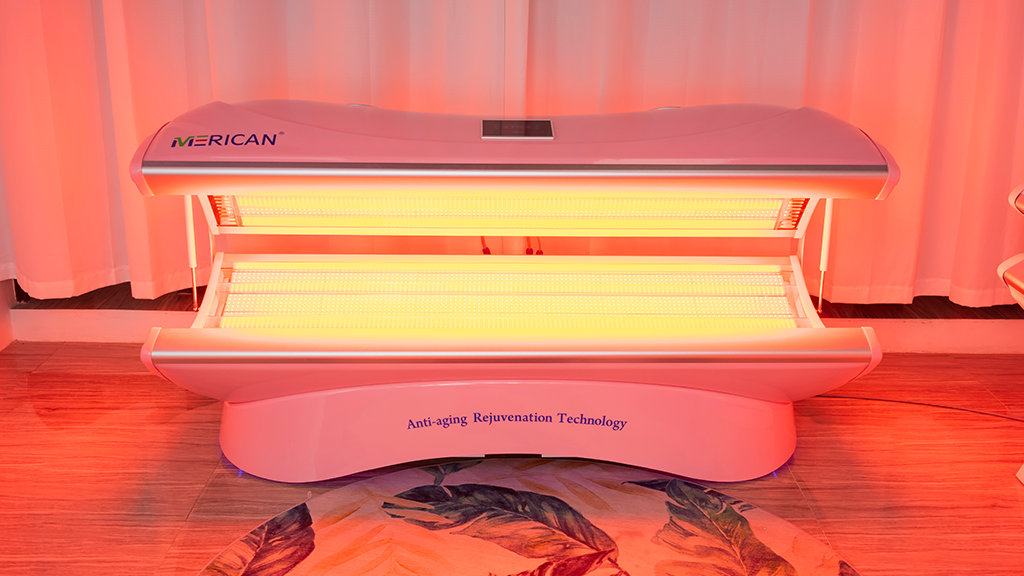
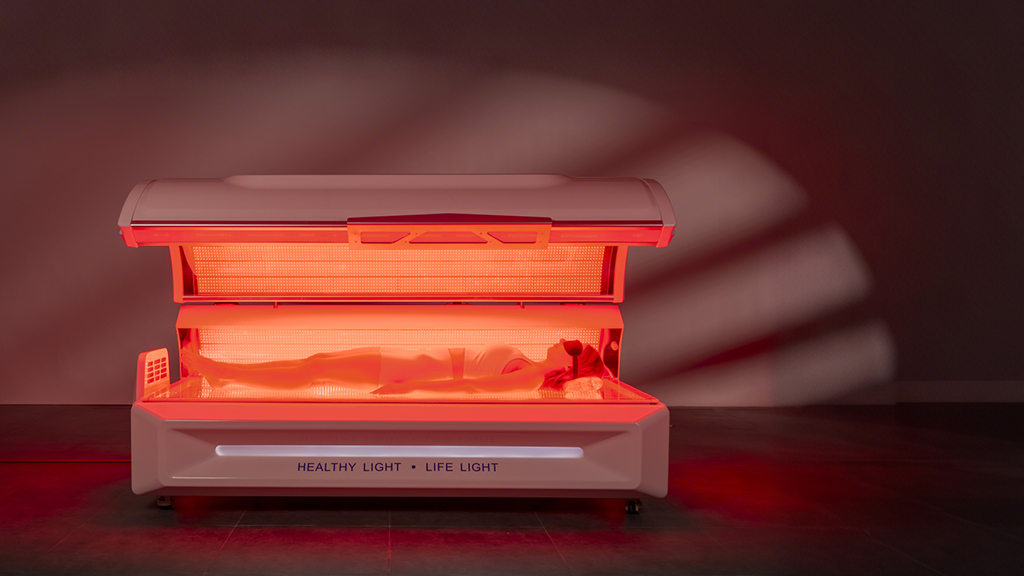
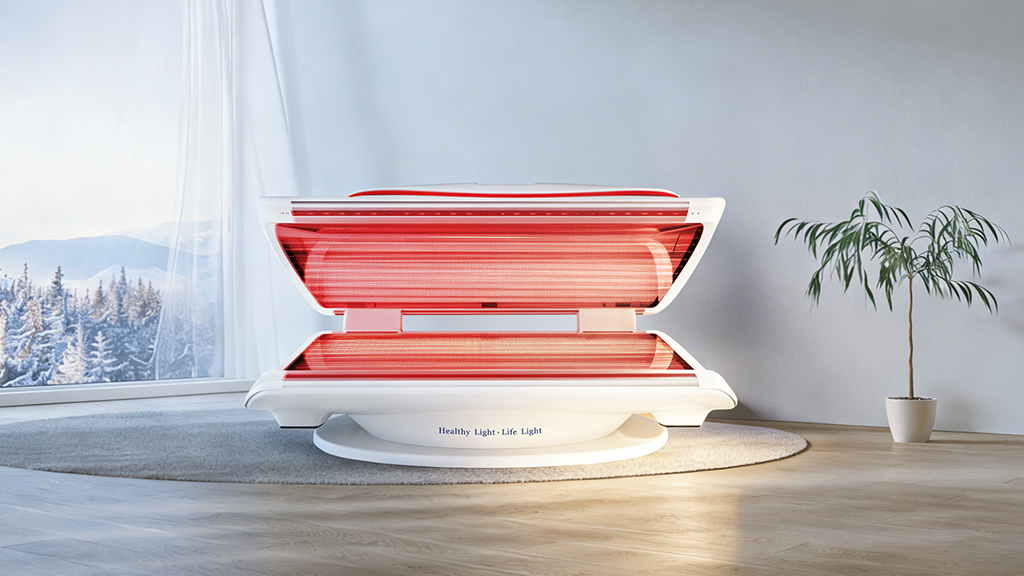
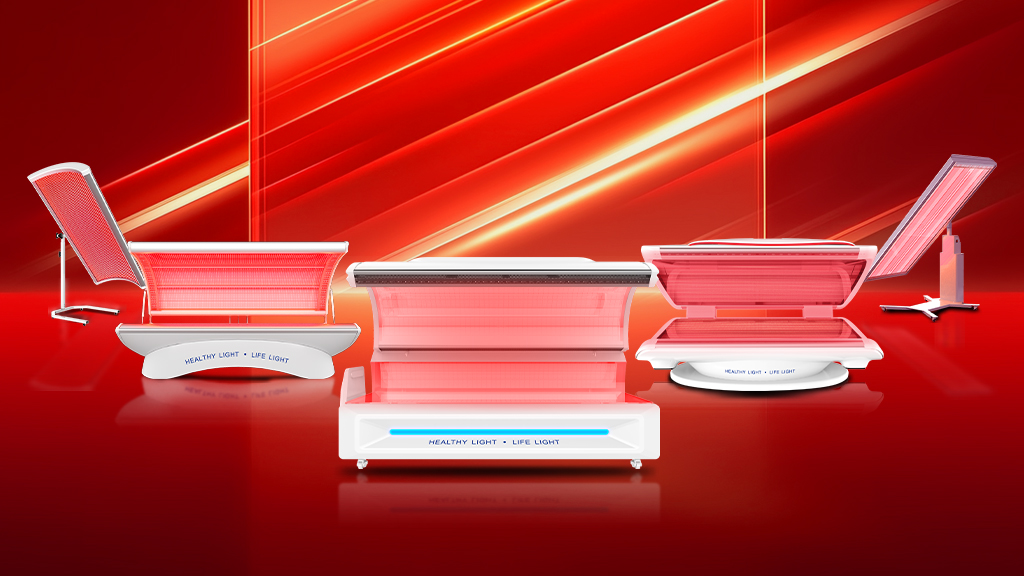
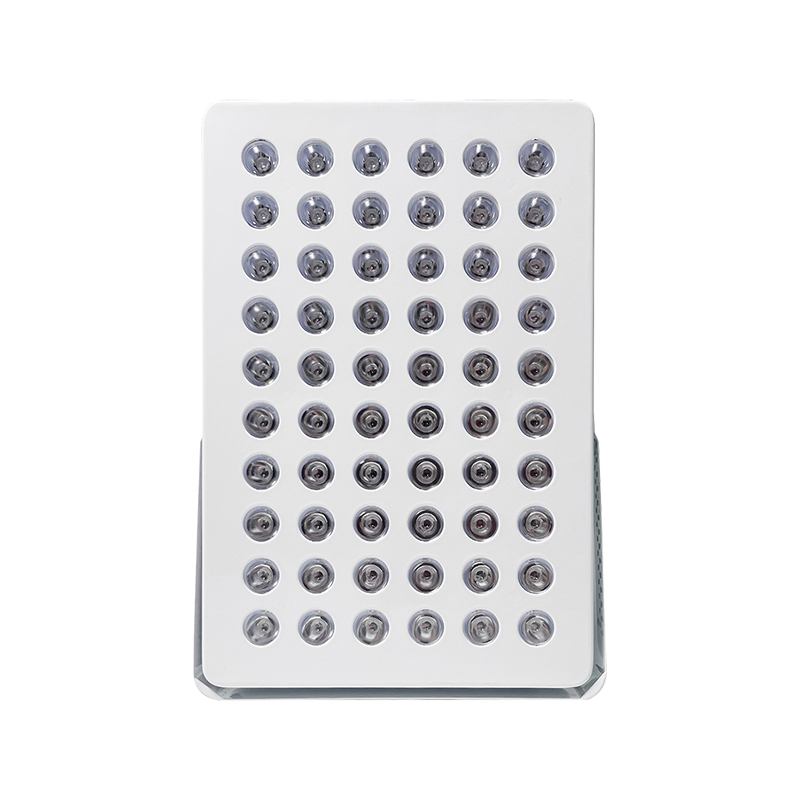
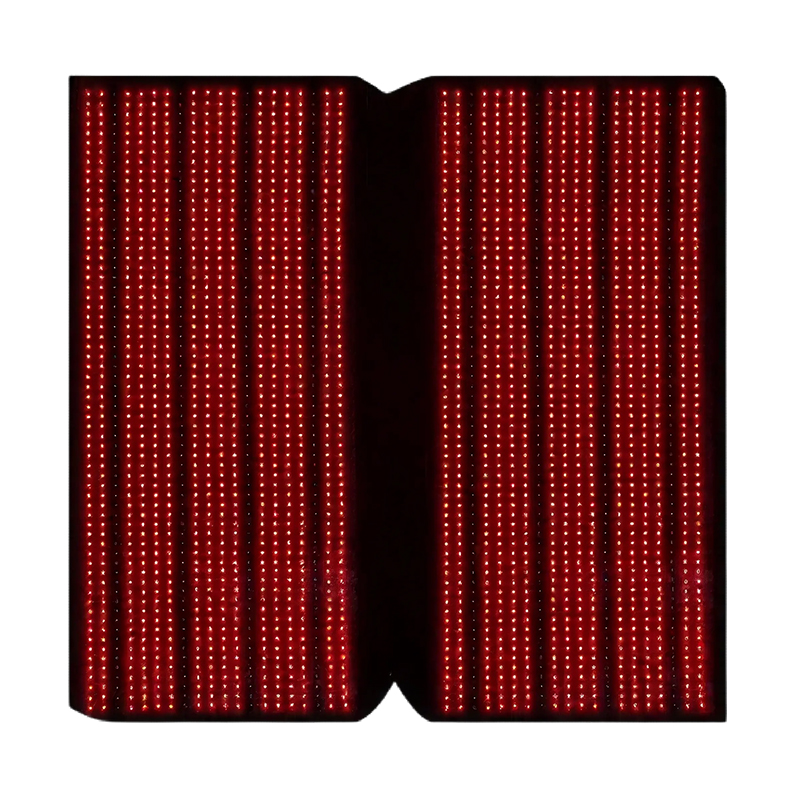
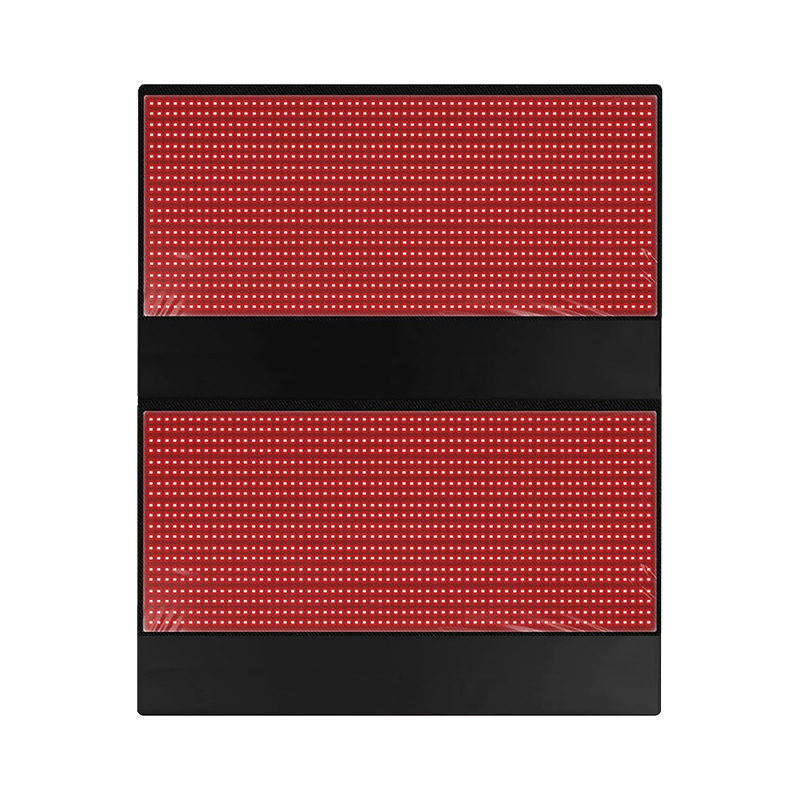
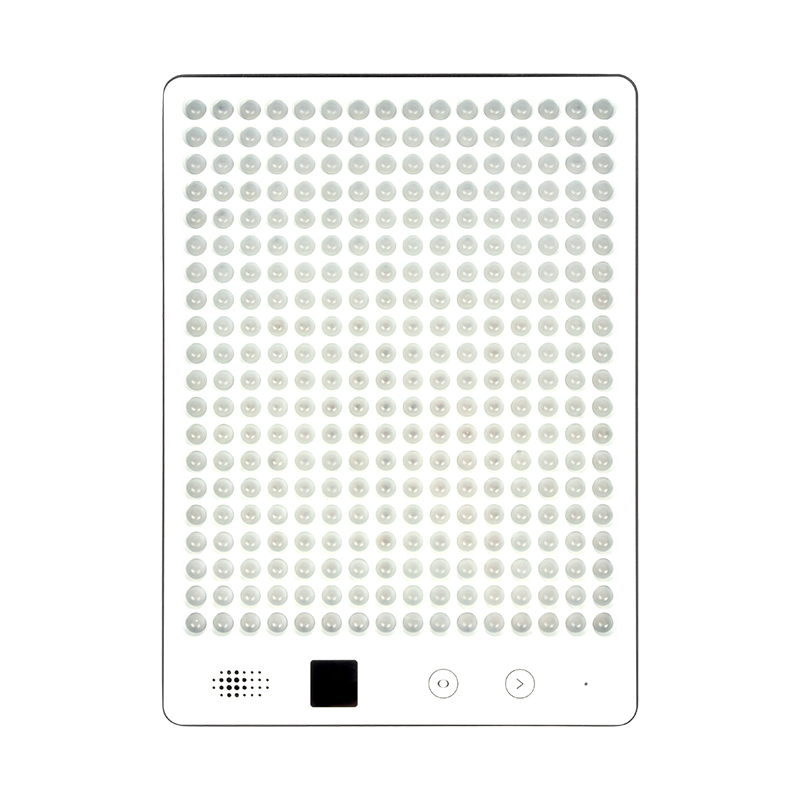
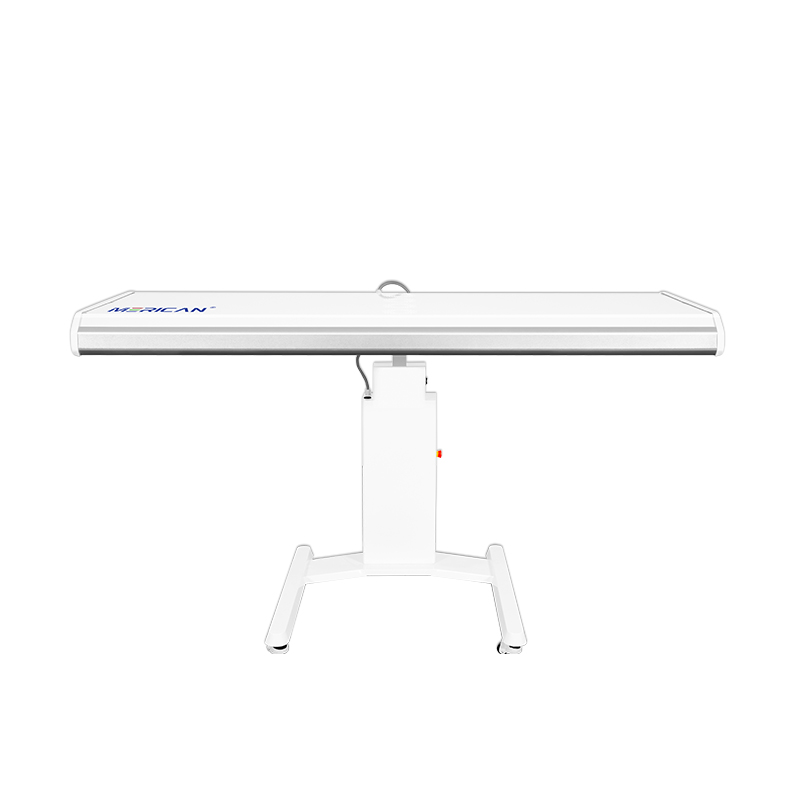
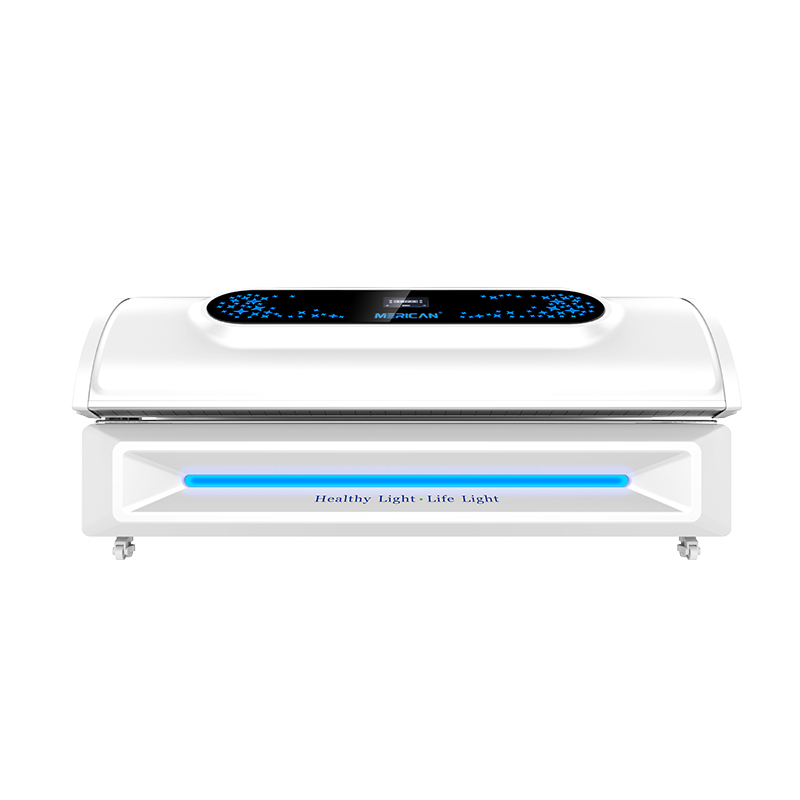
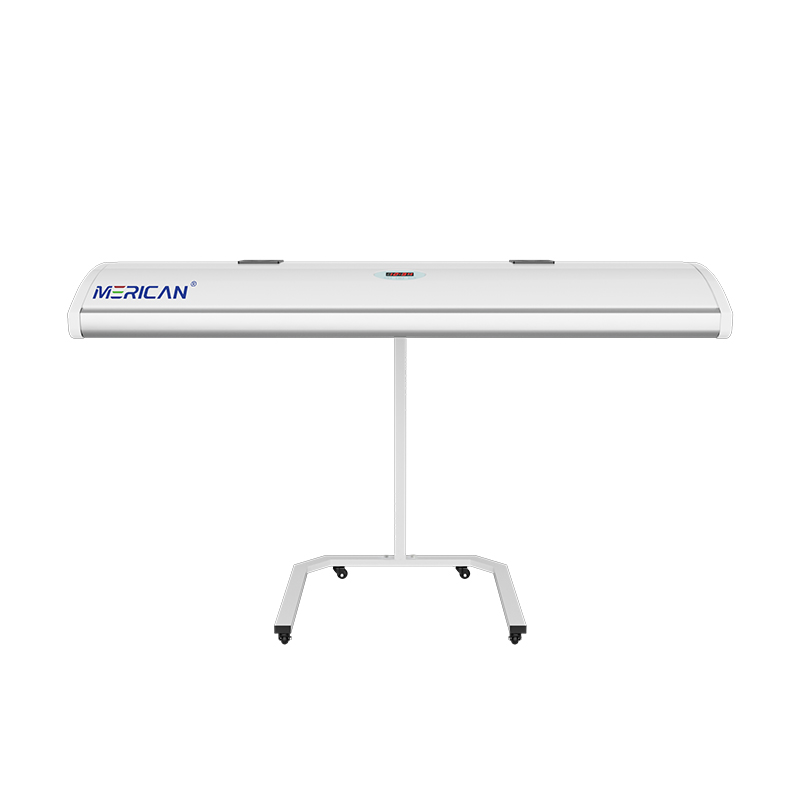
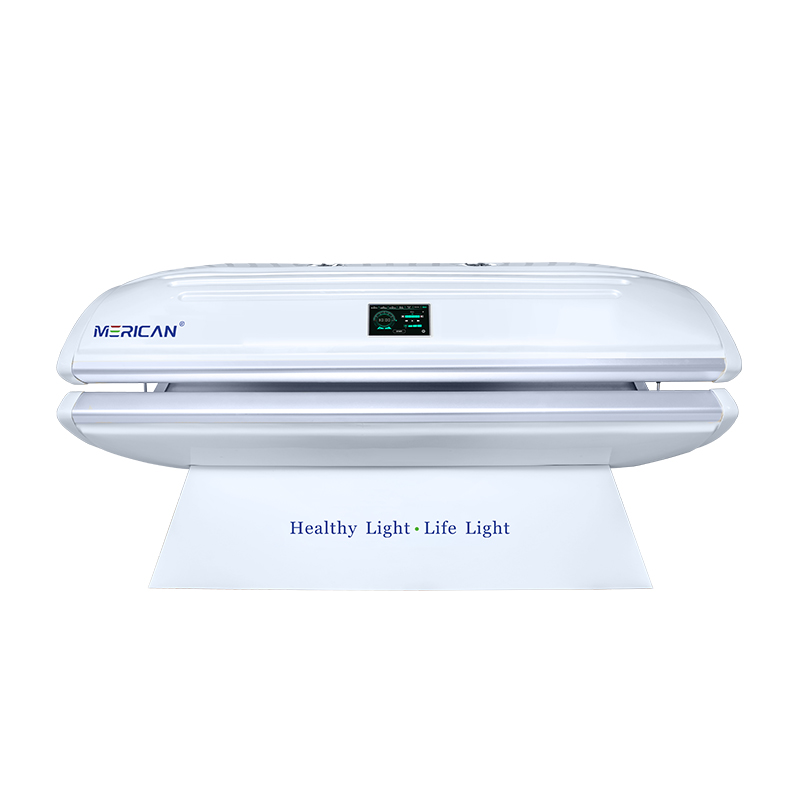
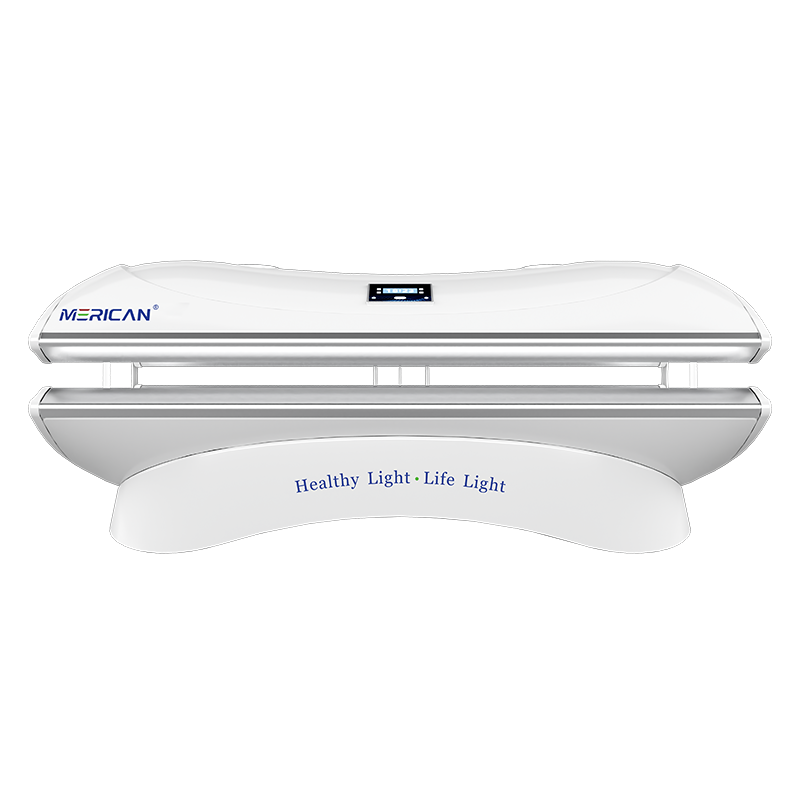
Not all red light equipment delivers equal effects. Low-quality lights with unstable wavelengths, uneven irradiance or weak light output cannot generate meaningful photobiomodulation results. For whole-body psoriasis coverage, full-body red light therapy beds outperform small handheld panels, offering uniform light distribution for plaques across large body areas.
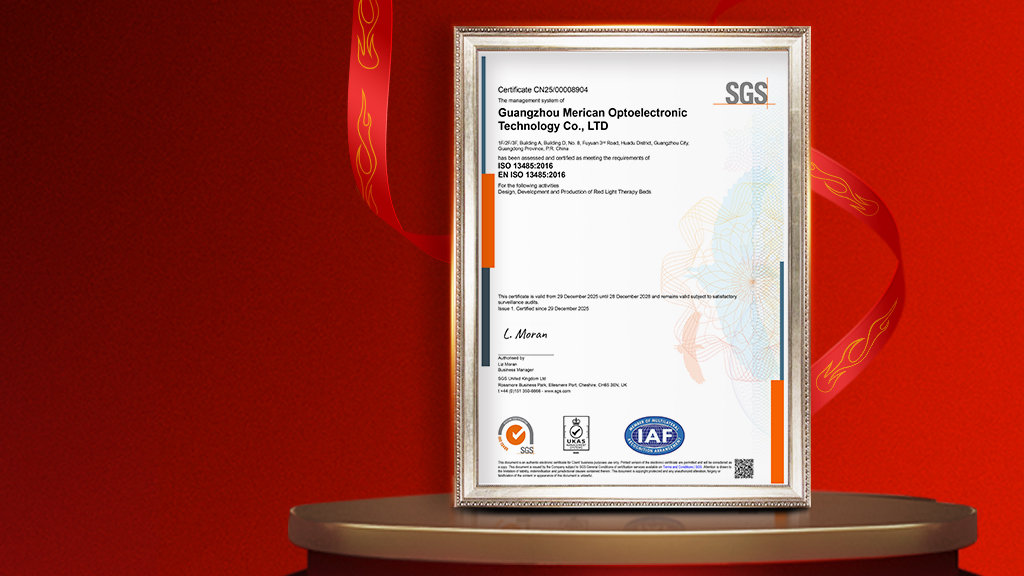
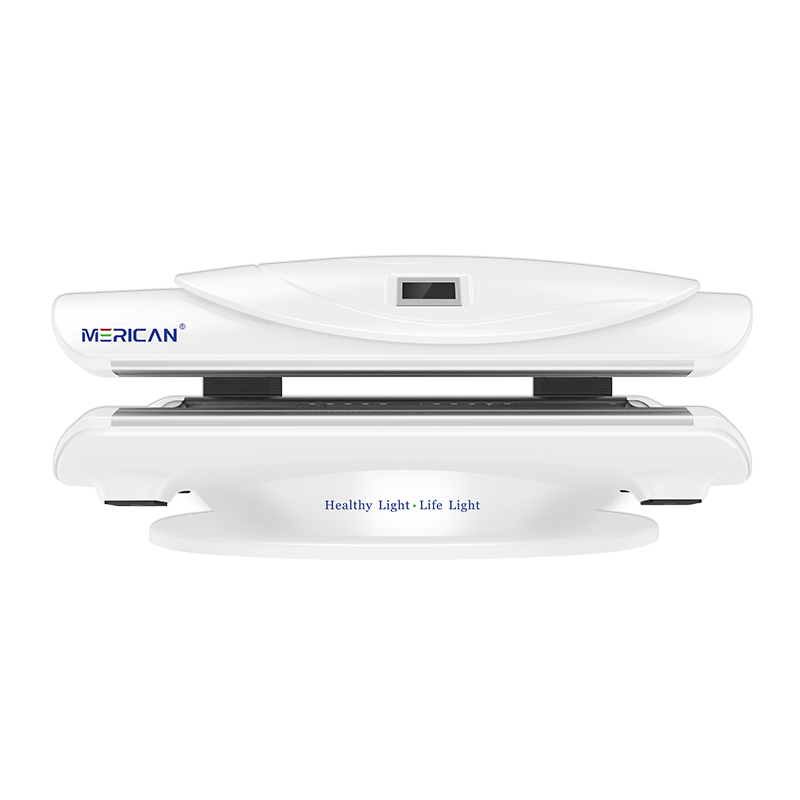
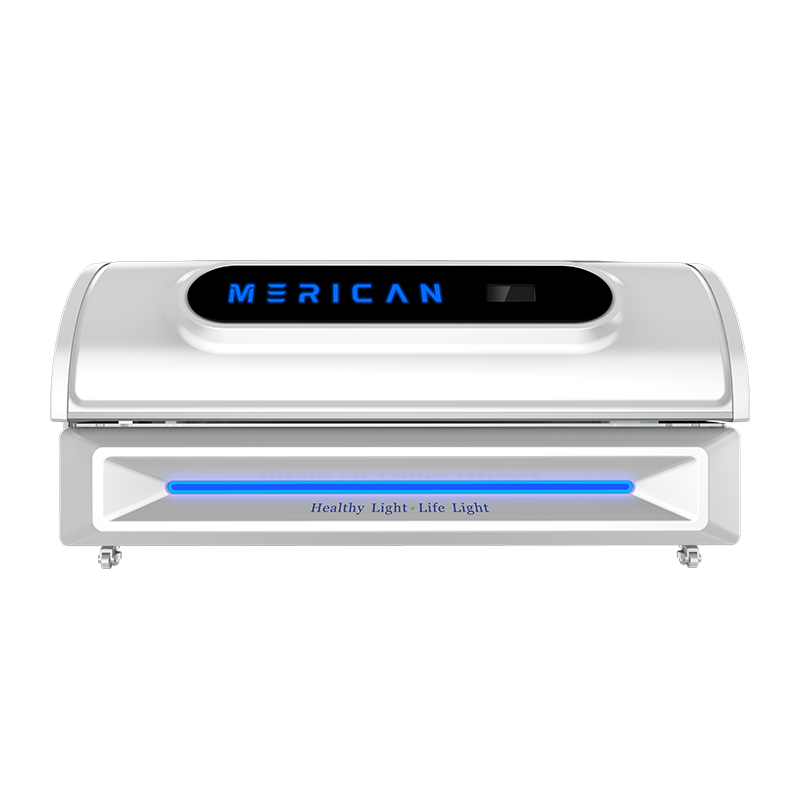
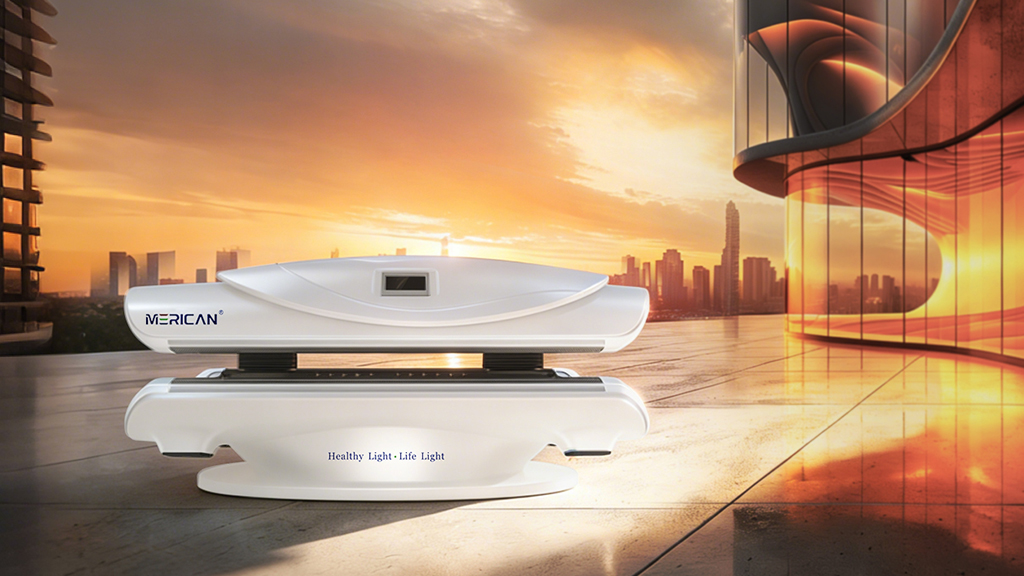
If you are searching for premium full-body red light equipment for personal use, beauty spas or fitness centres, check out the Merican Red Light Therapy Bed MMB. Merican owns a professional R&D and technical team supporting comprehensive OEM & ODM custom solutions. The brand can provide private logo customization for global beauty salons, spa centres, gyms and wellness clinics. Merican holds multiple independent technology patents, and all products pass strict testing with complete international qualification certificates. Every red light therapy bed supports 3–5 years reliable warranty. Besides direct product sales, Merican is actively recruiting global agents and distributors to expand the red light wellness industry together.
Final Thoughts
So, can red light therapy help with psoriasis? When used consistently as part of a holistic skin management routine, high-quality red light therapy effectively reduces inflammation, relieves itching, softens plaques and lowers flare frequency for many psoriasis sufferers. Manage realistic expectations, follow safe operating protocols, and combine light therapy with healthy lifestyle and professional medical guidance to achieve the best long-term skin condition.