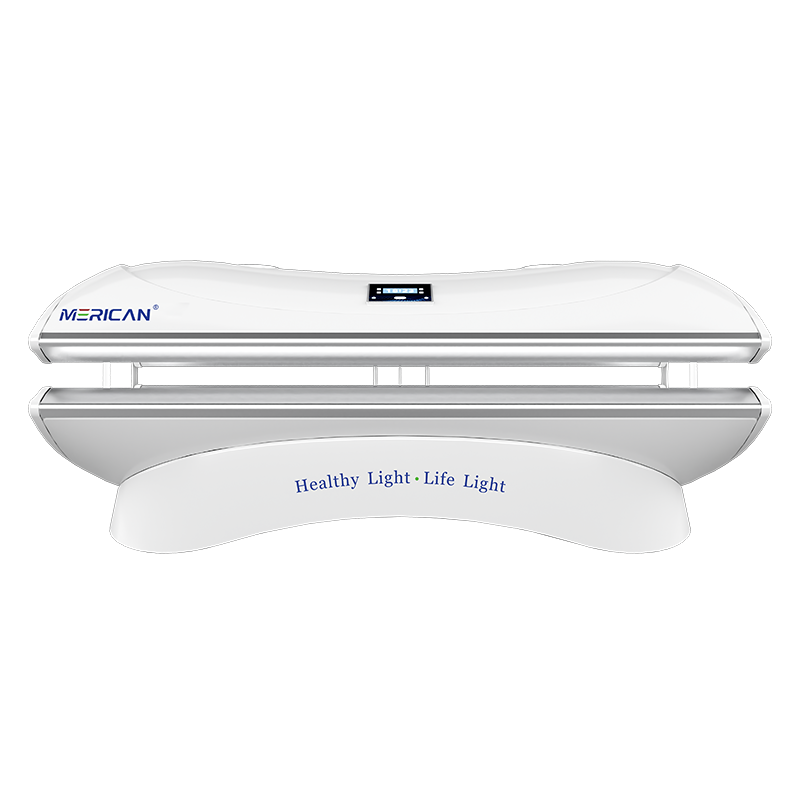
La terapia con luz roja ahora se usa ampliamente en el bienestar, belleza, y industrias de recuperación. Desde spas y gimnasios hasta espacios de bienestar en el hogar, Muchas personas incorporan la terapia con luz roja en sus rutinas de cuidado de la piel y relajación..
Pero a pesar de su creciente popularidad, algunos usuarios todavía preguntan: ¿Hay algún aspecto negativo de la terapia con luz roja??
The answer is that while red light therapy is commonly viewed as non-invasive and relatively gentle, there are still some important considerations and limitations to understand.
Red Light Therapy Is Not an Instant Solution
One of the biggest misconceptions about red light therapy is expecting immediate dramatic results after one session.
In reality, many users require:
- Consistent treatment schedules
- Multiple sessions over time
- Ongoing wellness routines
Results and experiences may vary significantly depending on skin condition, calidad del dispositivo, y consistencia del tratamiento.
Potential Temporary Side Effects
Although uncommon for many users, temporary side effects may include:
Mild Skin Irritation
Some individuals with sensitive skin may experience slight redness or temporary irritation after longer sessions.
Dryness or Tight Skin
Extended or overly frequent sessions without proper skincare may contribute to temporary dryness.
Light Sensitivity
Users with sensitivity to bright light may experience temporary discomfort if sessions are too intense or prolonged.
These reactions are often mild and may improve by adjusting treatment duration and frequency.
La calidad del dispositivo es importante
Not all red light therapy devices are manufactured to the same standards. Poor-quality equipment may provide:
- Uneven light distribution
- Inconsistent performance
- Lower durability
- Reduced user comfort
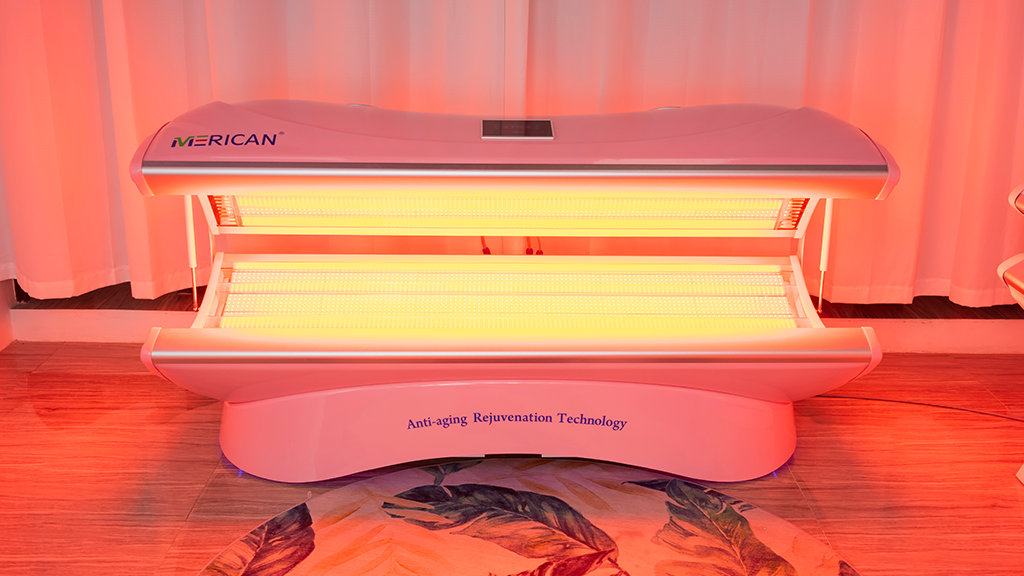
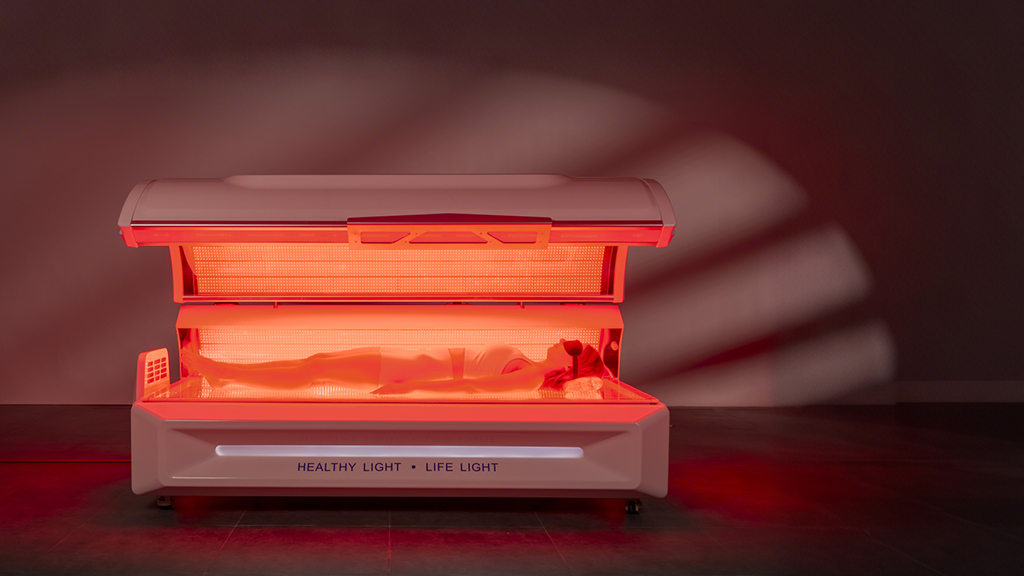
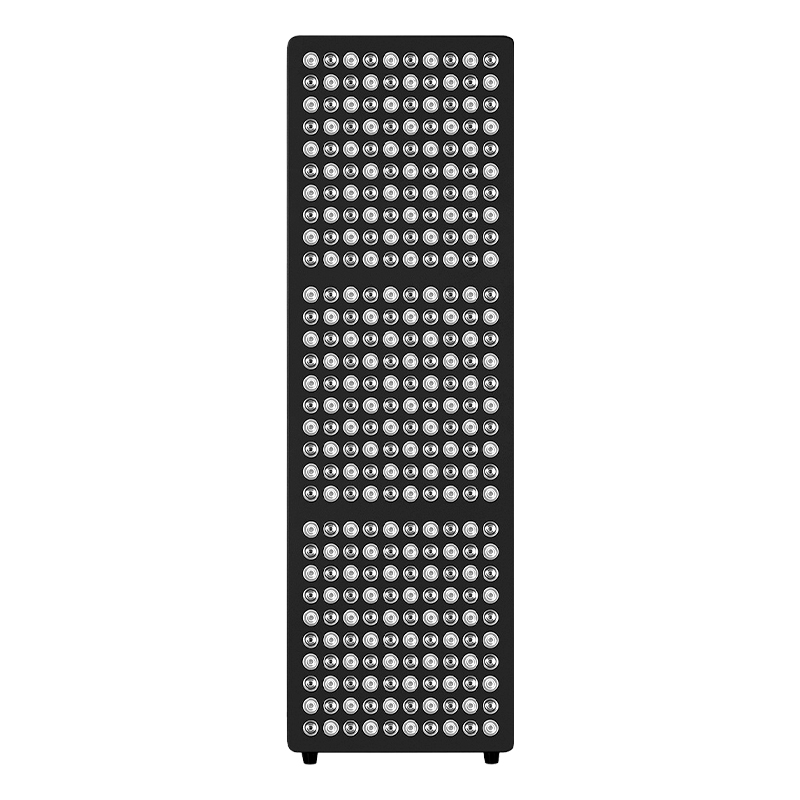
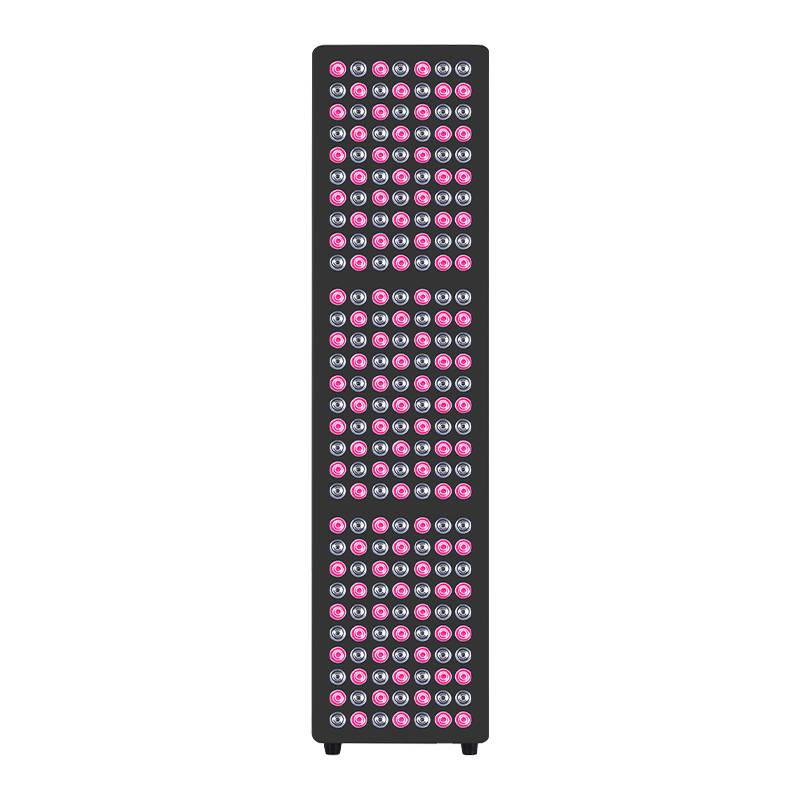
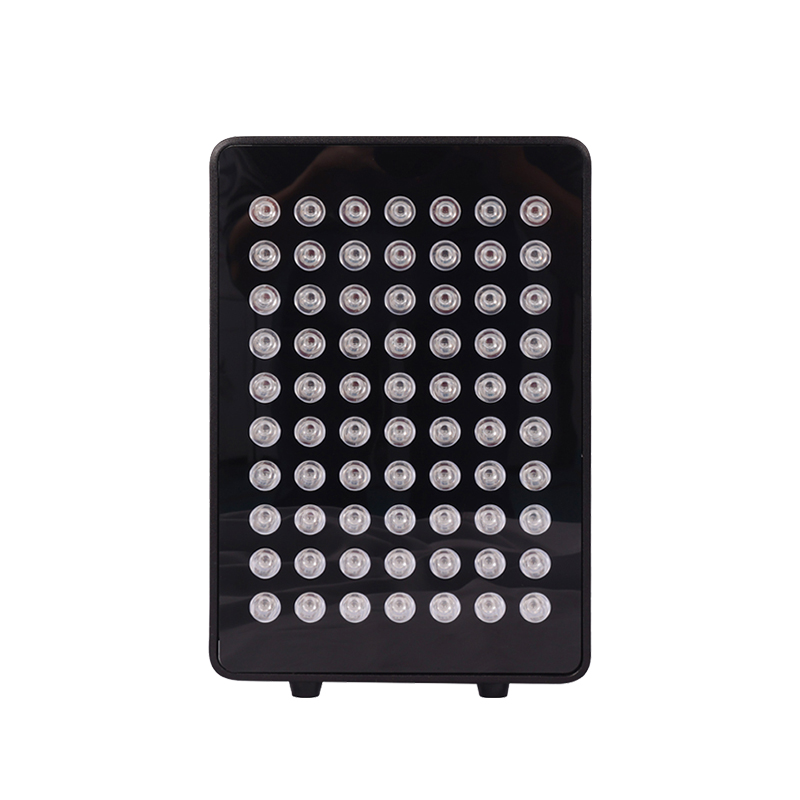
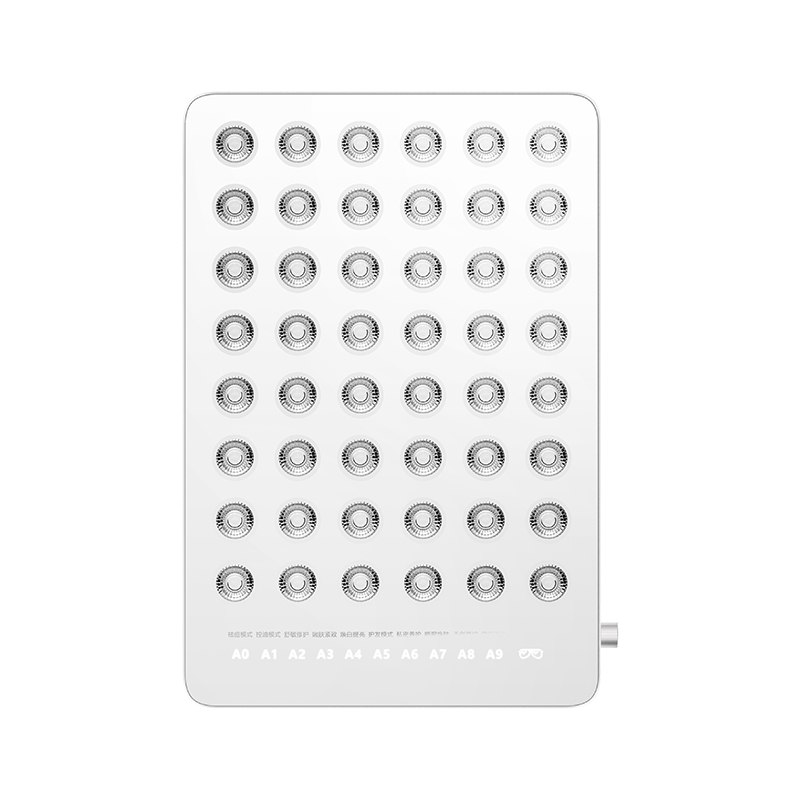
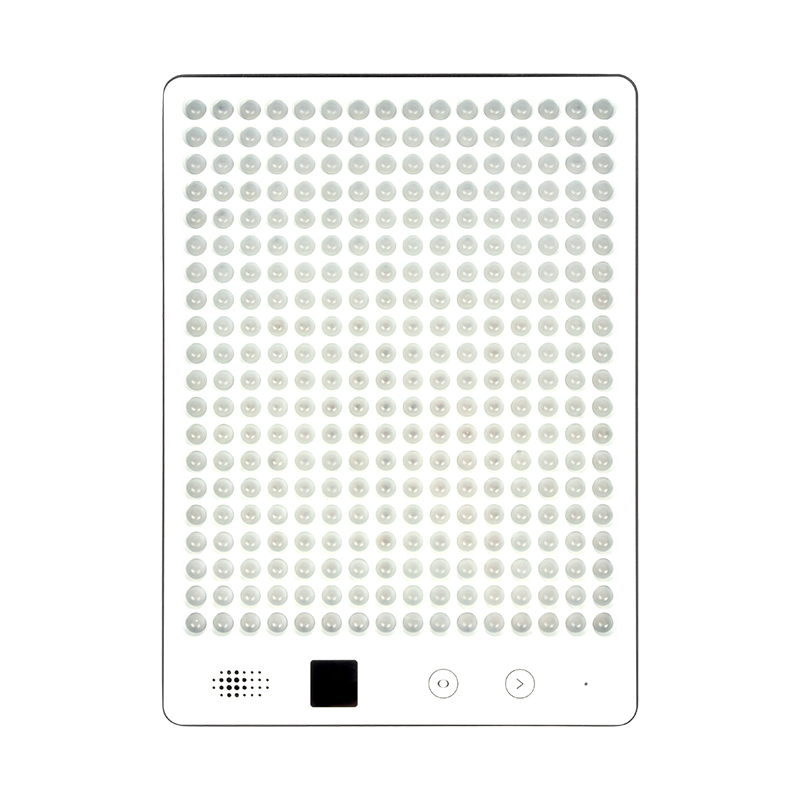
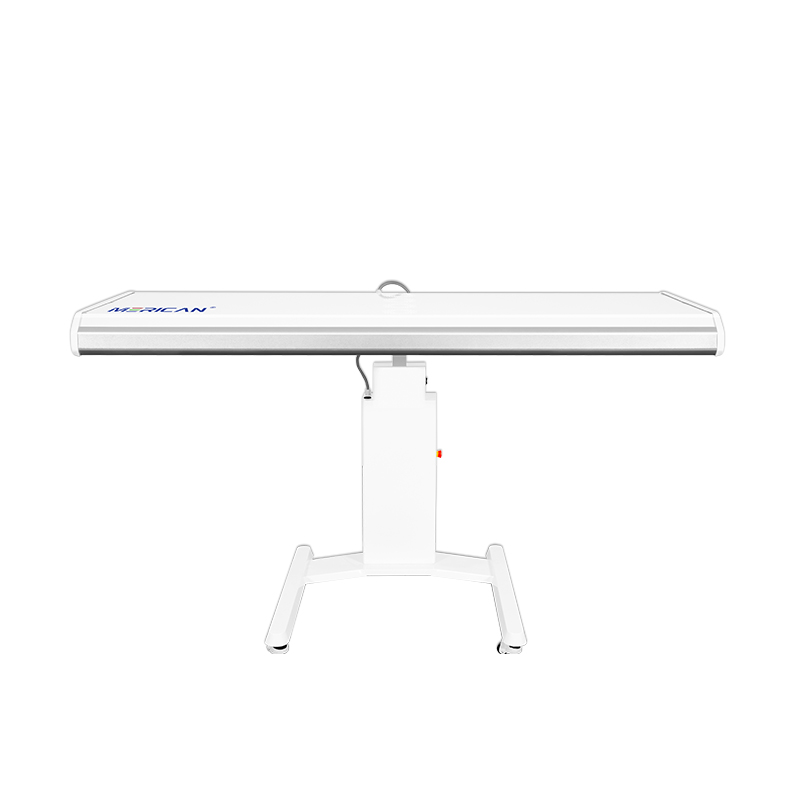
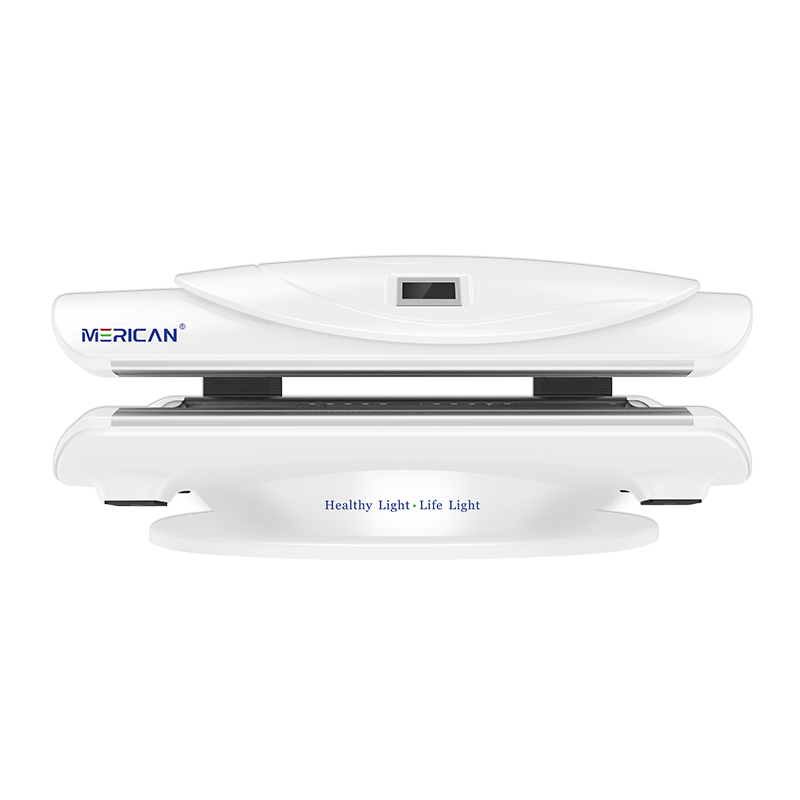
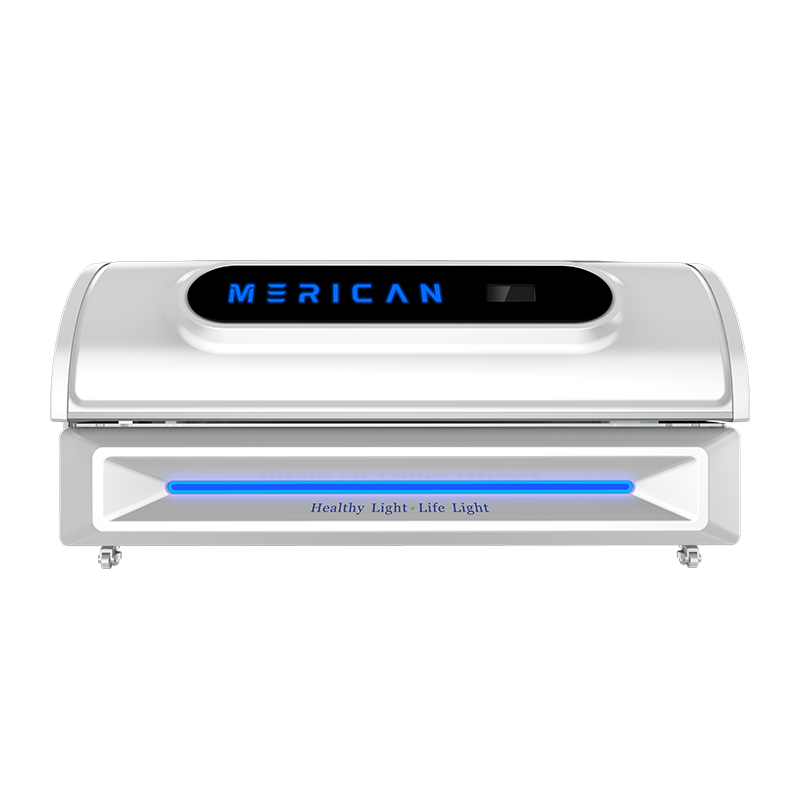
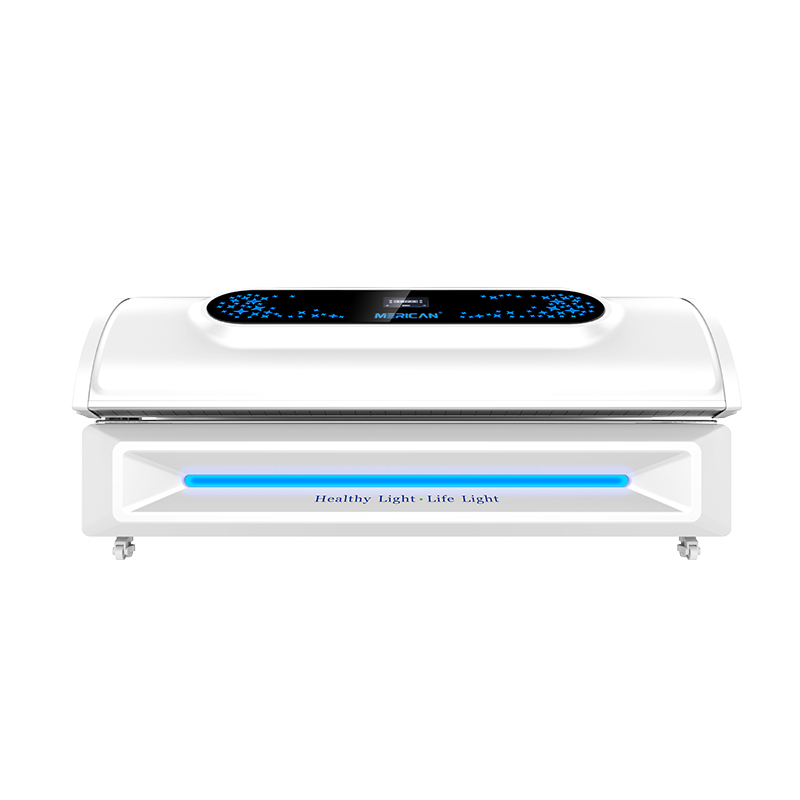
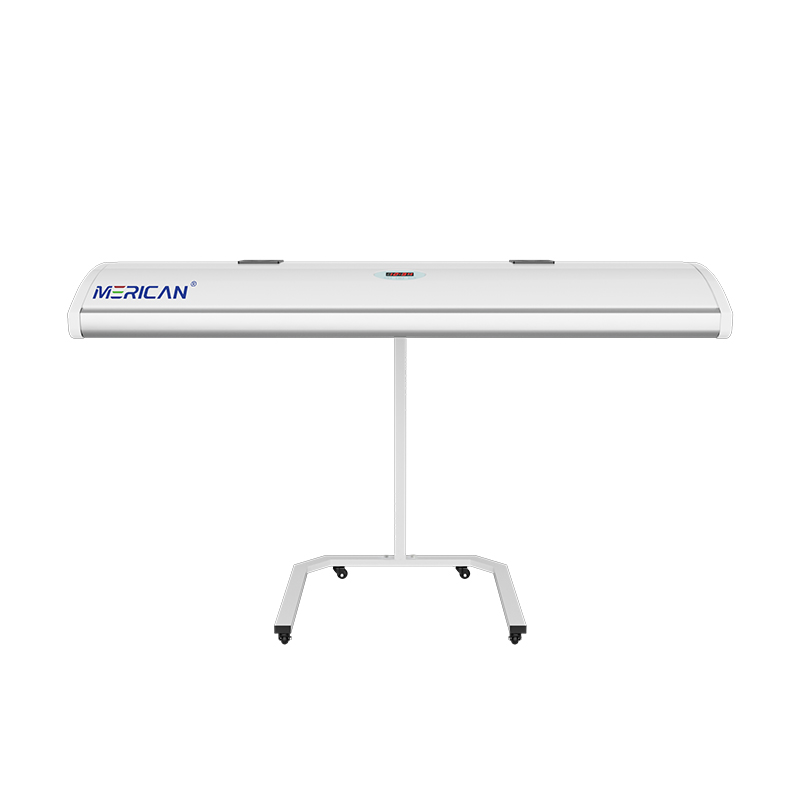
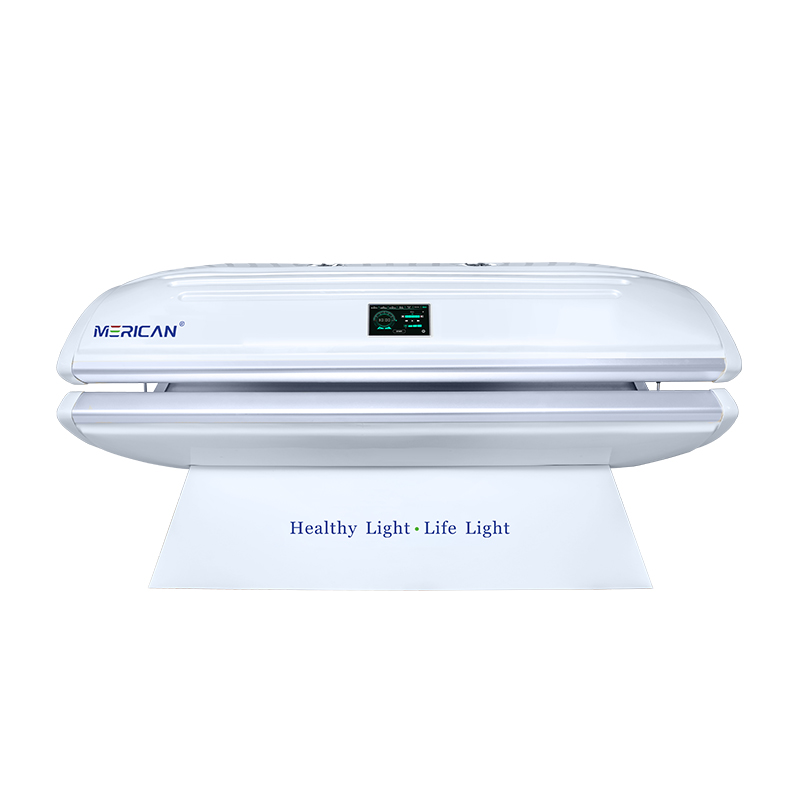
This is why many wellness businesses prioritize professional-grade light therapy systems with advanced engineering and balanced light layouts.
Overuse May Reduce Comfort
More sessions do not always mean better results. Excessively frequent treatments may increase the likelihood of:
- Sensibilidad de la piel
- Malestar temporal
- User fatigue
Moderation and consistency are typically recommended for long-term wellness routines.
Red Light Therapy Has Limitations
While red light therapy is often used in wellness and beauty environments, it is not intended to replace professional medical treatment for serious health conditions.
Users should maintain realistic expectations and understand that experiences may vary from person to person.
How to Reduce Potential Negatives
Many users improve comfort and consistency by:
- Starting with shorter sessions
- Following manufacturer instructions
- mantenerse hidratado
- Maintaining skincare routines
- Allowing adequate recovery time between sessions
Professional wellness centers also often customize treatment schedules based on individual needs and sensitivity levels.
Why Professional Equipment Makes a Difference
Commercial-grade red light therapy systems are typically designed with:
- Balanced light output
- Better cooling systems
- Comfortable treatment environments
- Mayor cobertura de tratamiento
- Smart session controls
These features may help create more consistent and comfortable treatment experiences compared with lower-quality devices.
Pensamientos finales
Red light therapy continues to grow in popularity across wellness and beauty industries, but understanding its possible negatives and limitations is important for creating realistic expectations.
Temporary side effects such as mild redness, sequedad, or sensitivity may occur in some users, especially with excessive or improper use. Following recommended guidelines and maintaining consistent wellness habits can help support a more comfortable red light therapy experience.