Sciatica refers to pain that radiates along the sciatic nerve, which runs from the lower back through the hips and buttocks and down each leg. It is commonly caused by a herniated disc, spinal stenosis, muscle compression, or nerve inflammation. Symptoms may include sharp or burning pain, estremecimiento, entumecimiento, or muscle weakness.
Because sciatica can significantly affect daily life, many people look for non-invasive ways to manage discomfort. One therapy gaining attention is red light therapy. But can red light therapy help sciatica? Let’s explore how it may support pain relief and recovery.
¿Qué es la terapia con luz roja??
Terapia de luz roja, también conocido como fotobiomodulación (Pbm), utiliza longitudes de onda de bajo nivel rojo e infrarrojo cercano, generalmente entre 630 nm y 880 nm—para estimular la actividad celular.
Unlike medications or invasive procedures, red light therapy works at a cellular level to support the body’s natural healing processes without damaging tissue.
How Red Light Therapy May Help Sciatica
Red light therapy cannot cure the underlying structural causes of sciatica, but it may offer supportive benefits in symptom management:
1. Helps Reduce Inflammation Around Nerves
Sciatic nerve pain is often associated with inflammation and surrounding tissue swelling. Red light therapy may help modulate inflammatory pathways and reduce oxidative stress near the affected area.
2. Supports Natural Pain Relief
Photobiomodulation has been studied for its effects on nerve-related pain. By calming irritated nerves and reducing inflammation, red light therapy may help decrease pain intensity.
3. Mejora la circulación sanguínea
Enhanced microcirculation may support oxygen and nutrient delivery to compressed or irritated tissues, promoting recovery.
4. Supports Muscle Relaxation
Muscle tightness in the lower back and hips can worsen sciatic pain. Red light therapy may help relax surrounding muscles, reducing secondary nerve compression.
¿Qué dice la investigación??
Studies on photobiomodulation suggest positive outcomes for chronic pain, nerve inflammation, and musculoskeletal conditions. Research on low-level light therapy has shown potential benefits for neuropathic pain and lower back discomfort, which are closely linked to sciatica.
Sin embargo, red light therapy does not address disc herniation or spinal misalignment, and should be considered a complementary approach rather than a standalone treatment.
How to Use Red Light Therapy for Sciatica Support
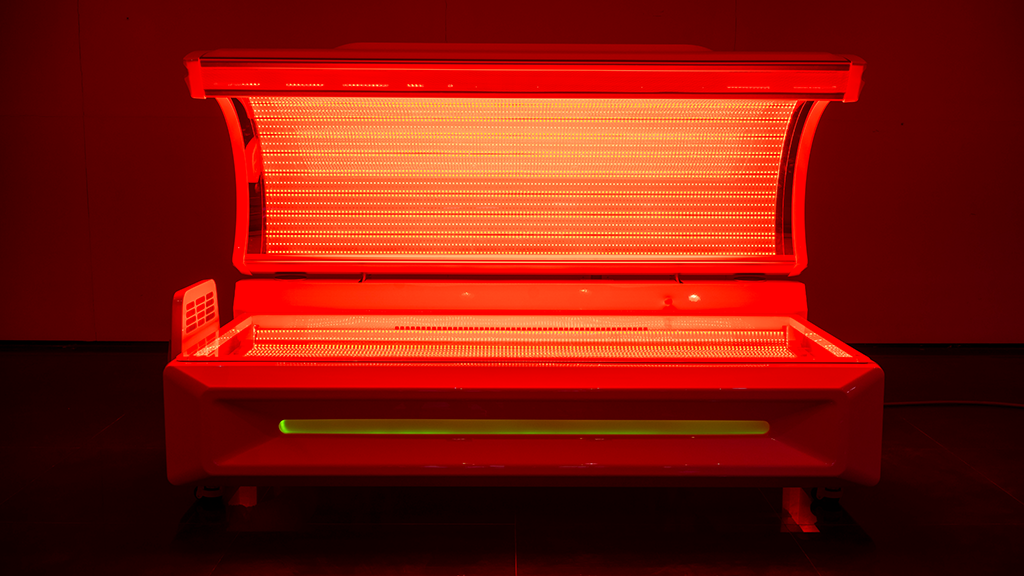
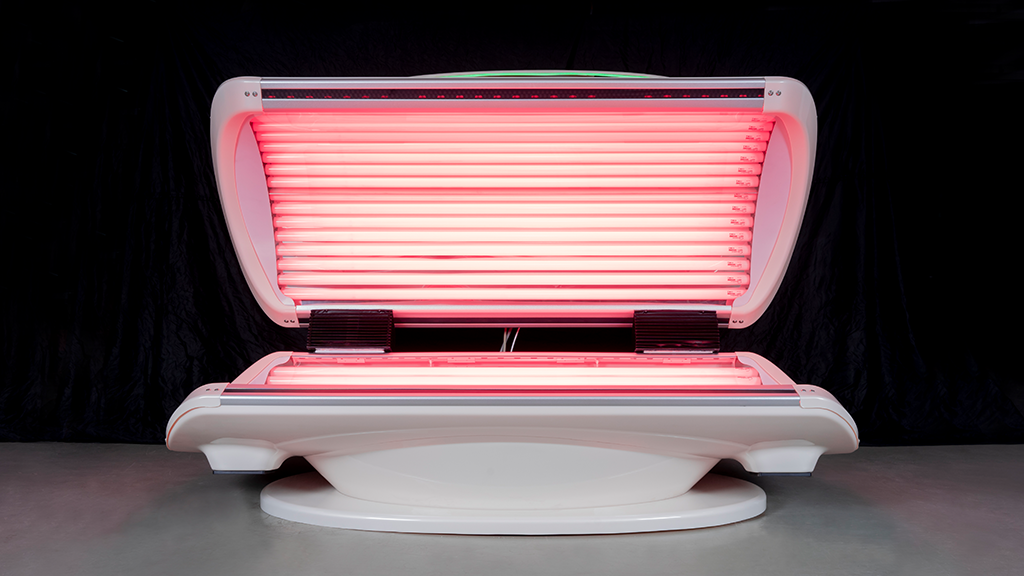
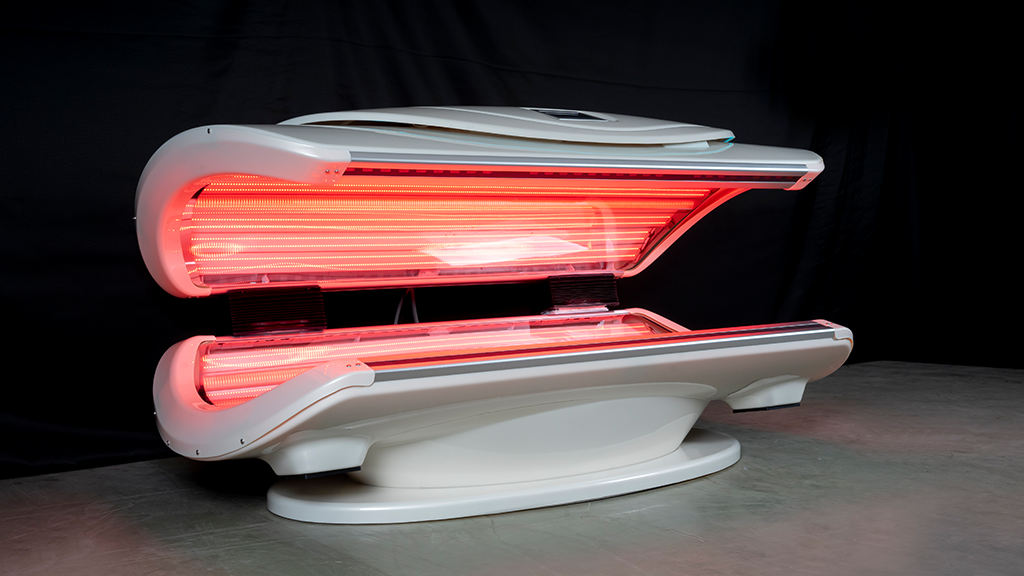
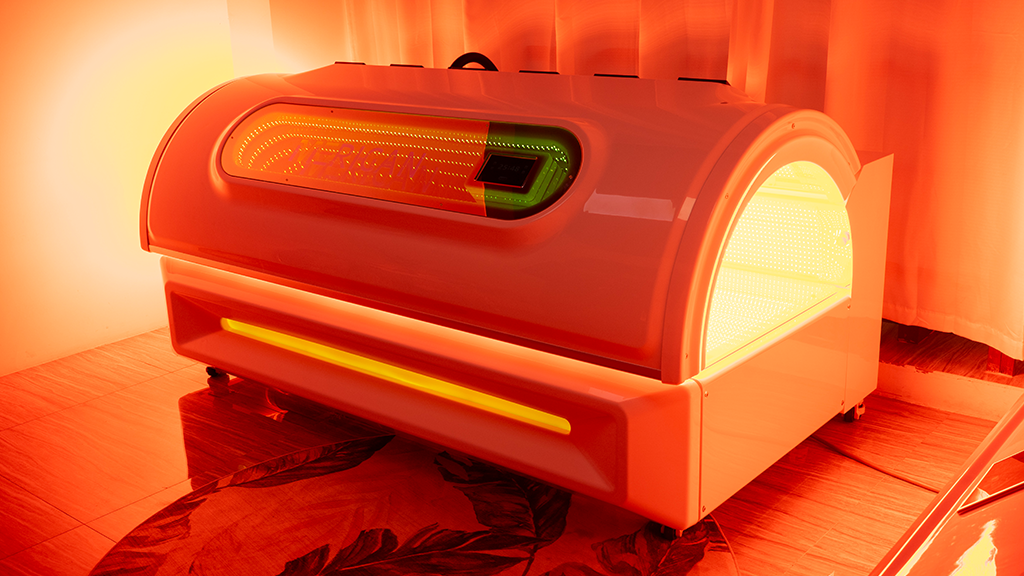
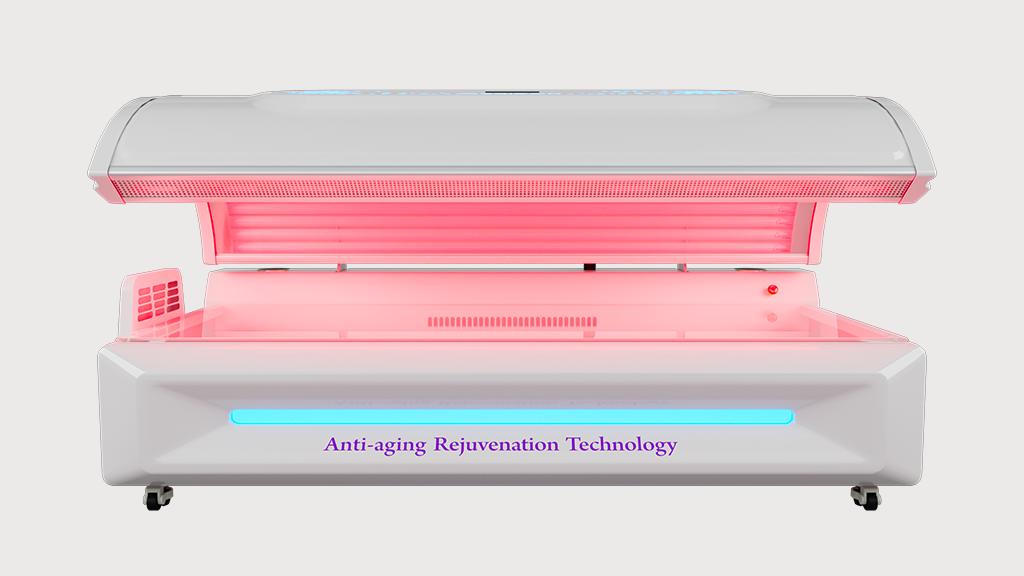
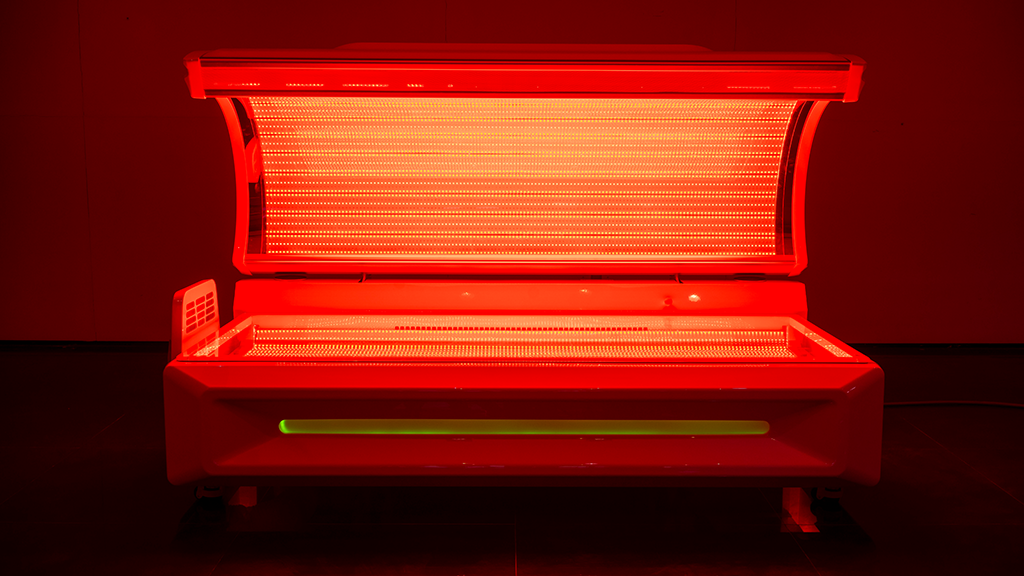
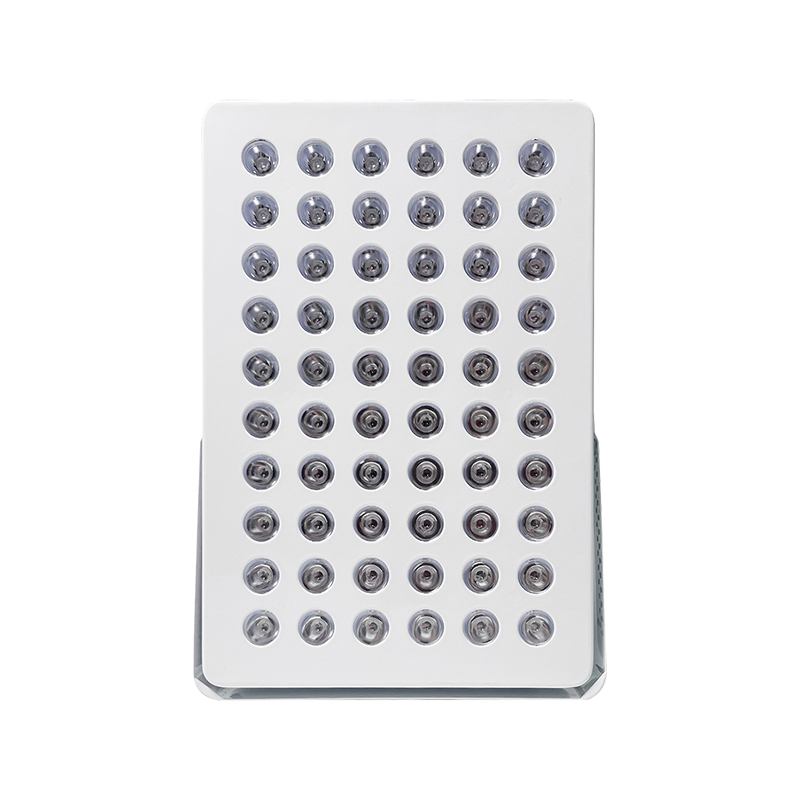
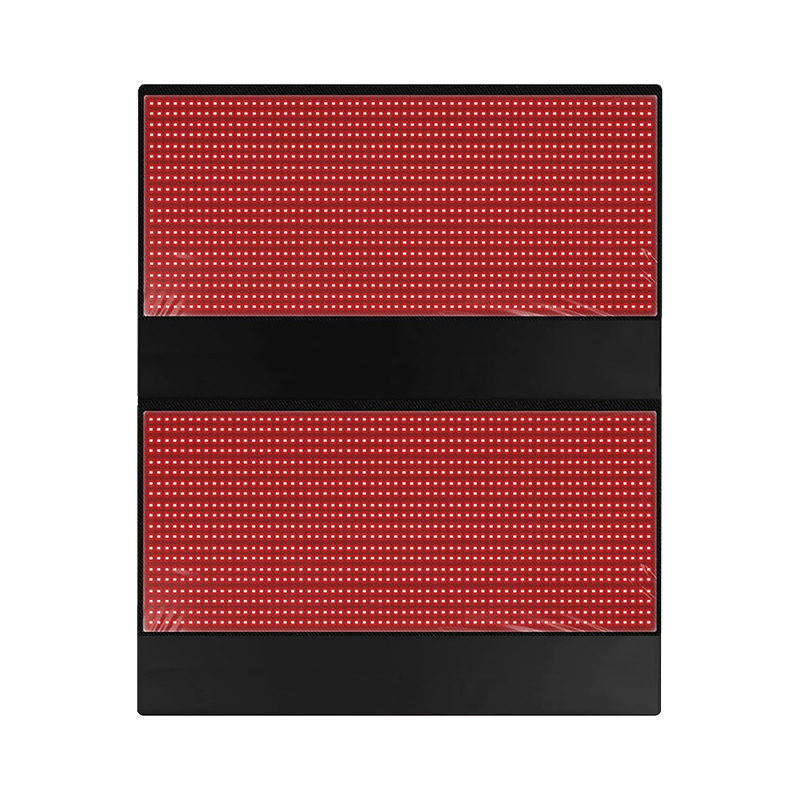
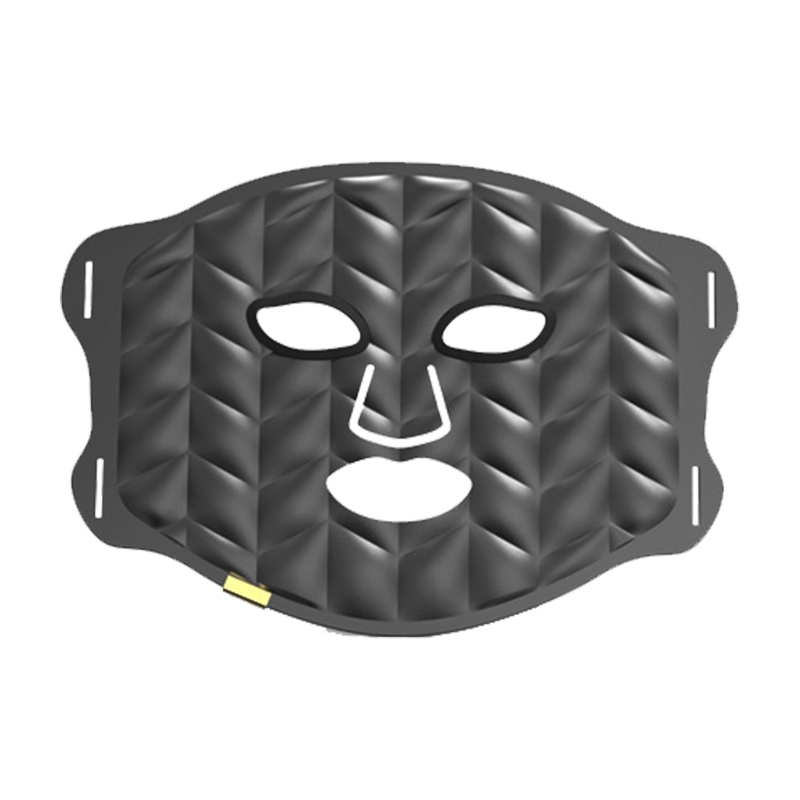
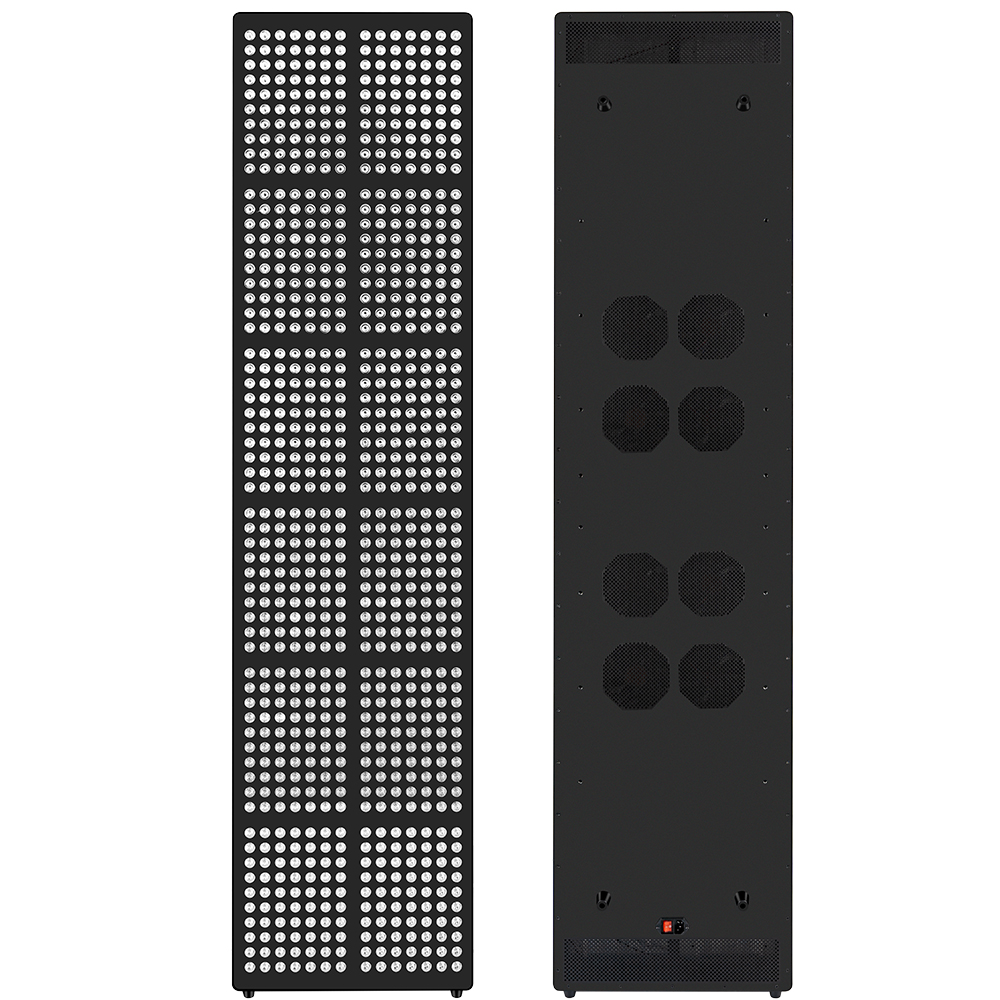
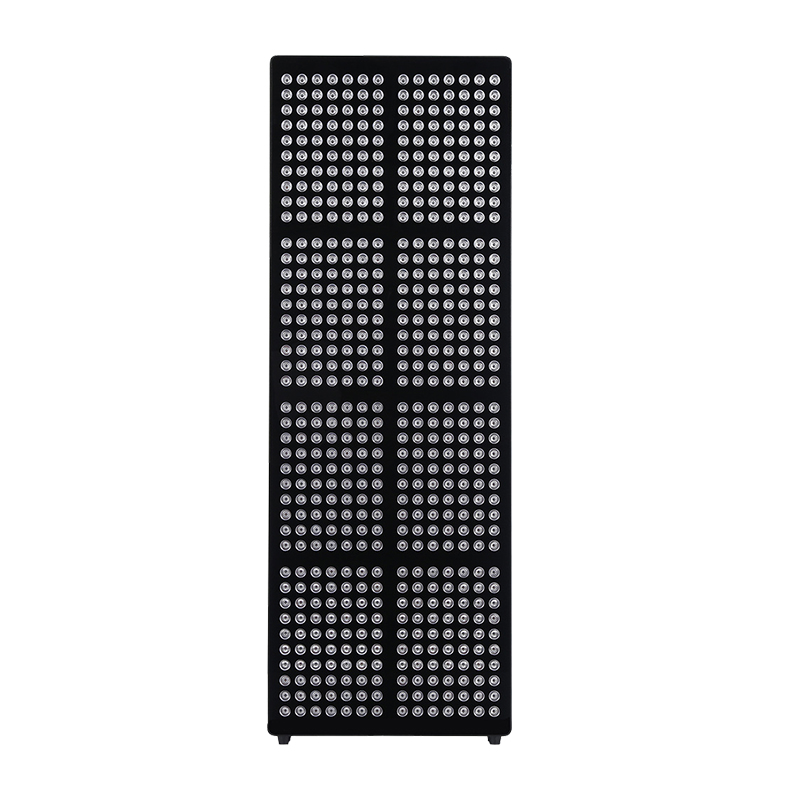
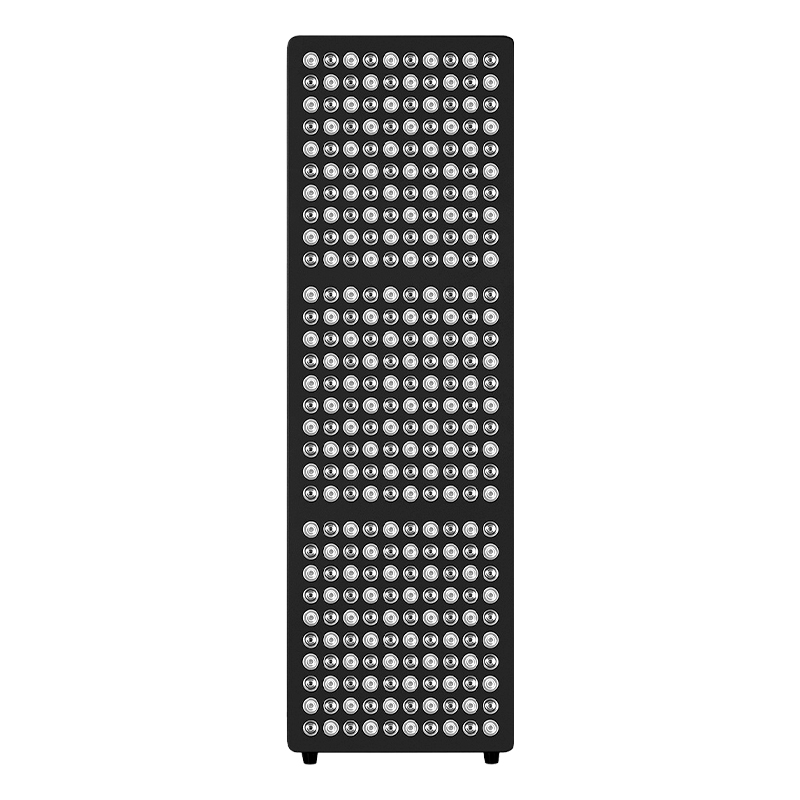
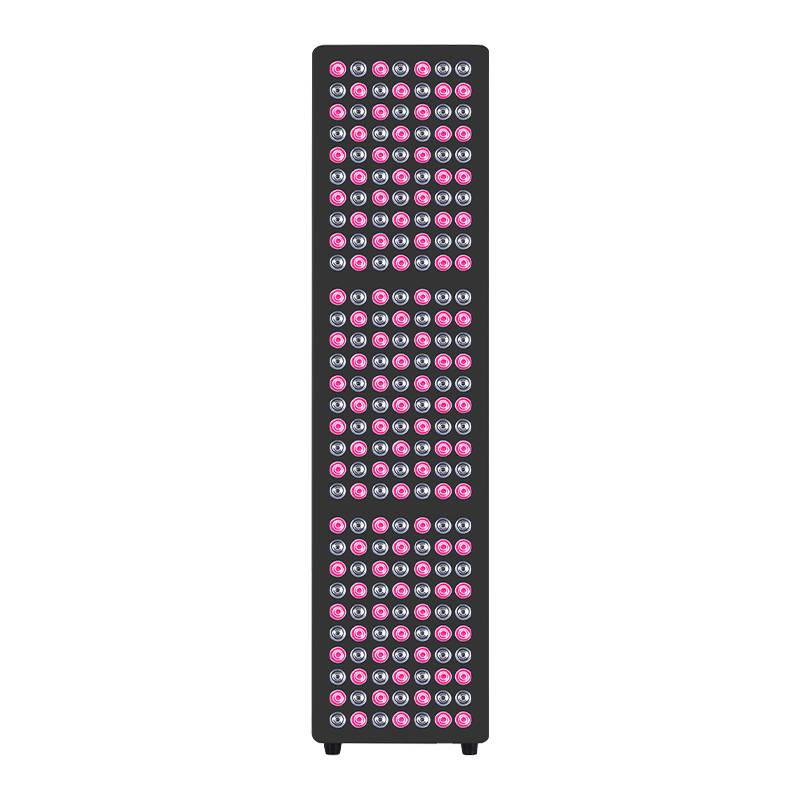
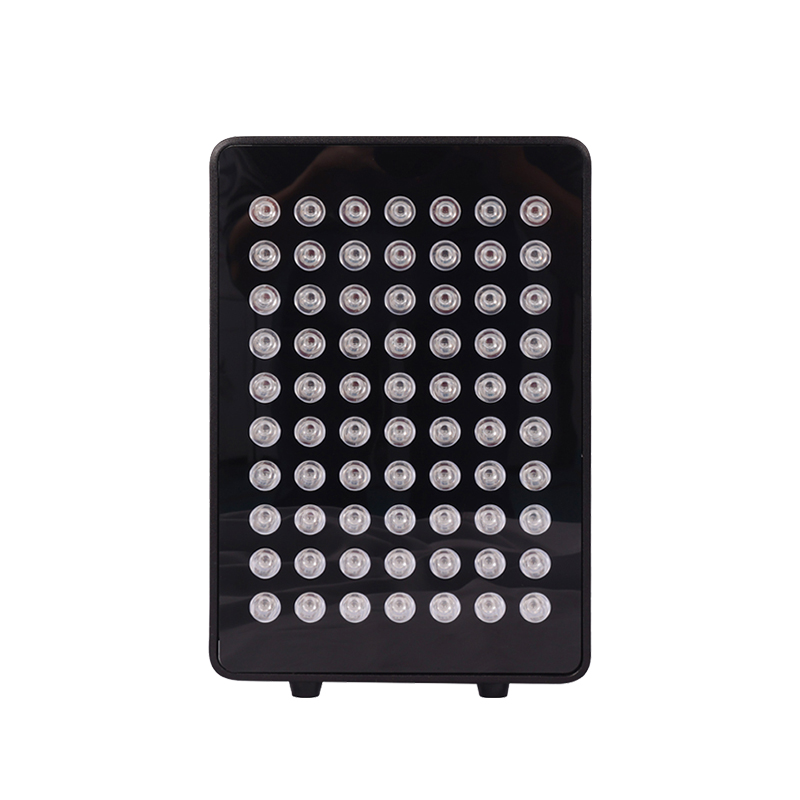
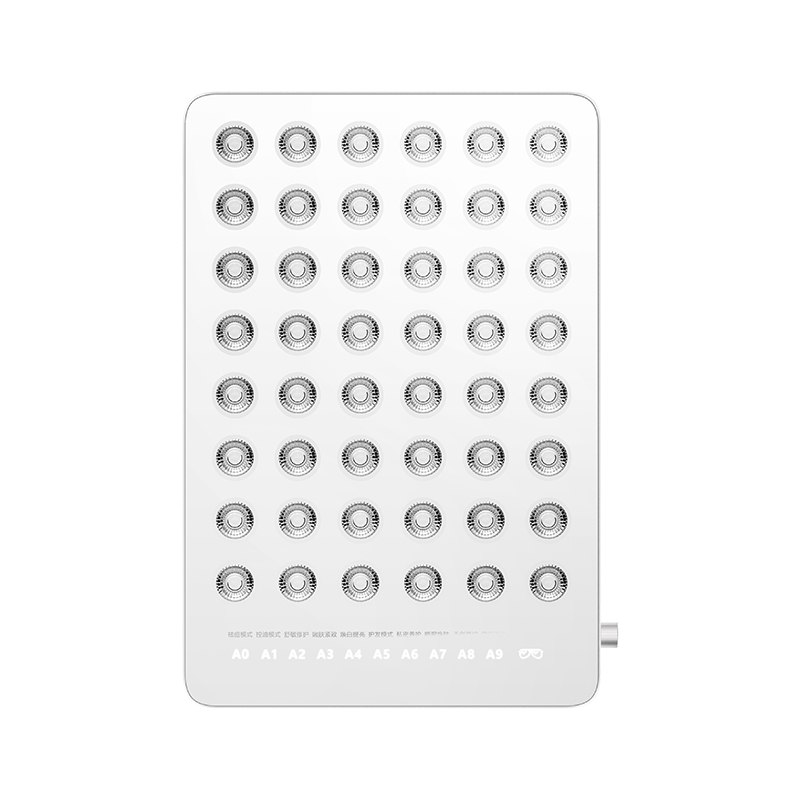
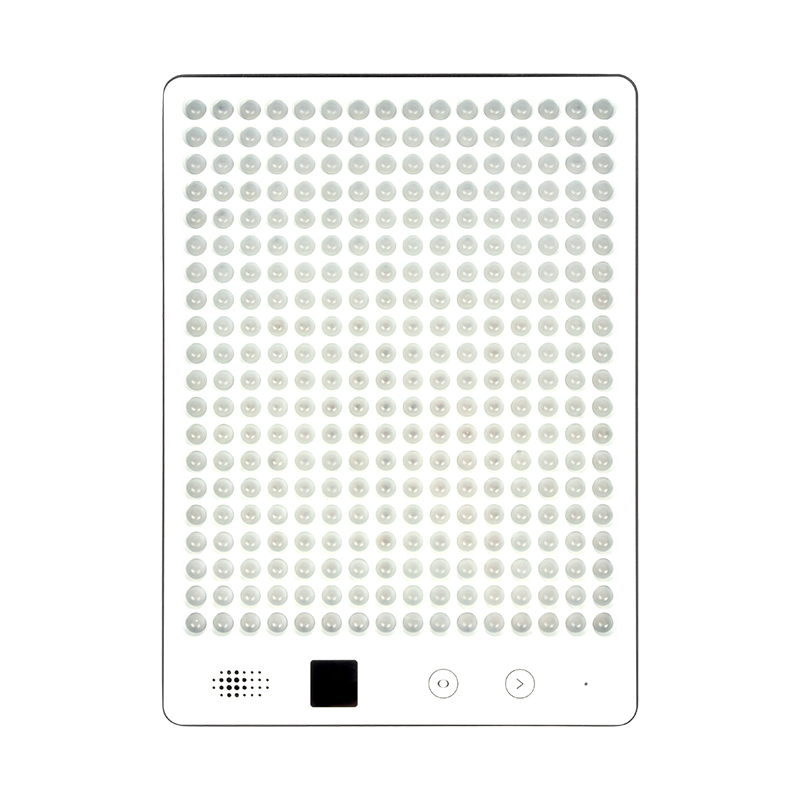
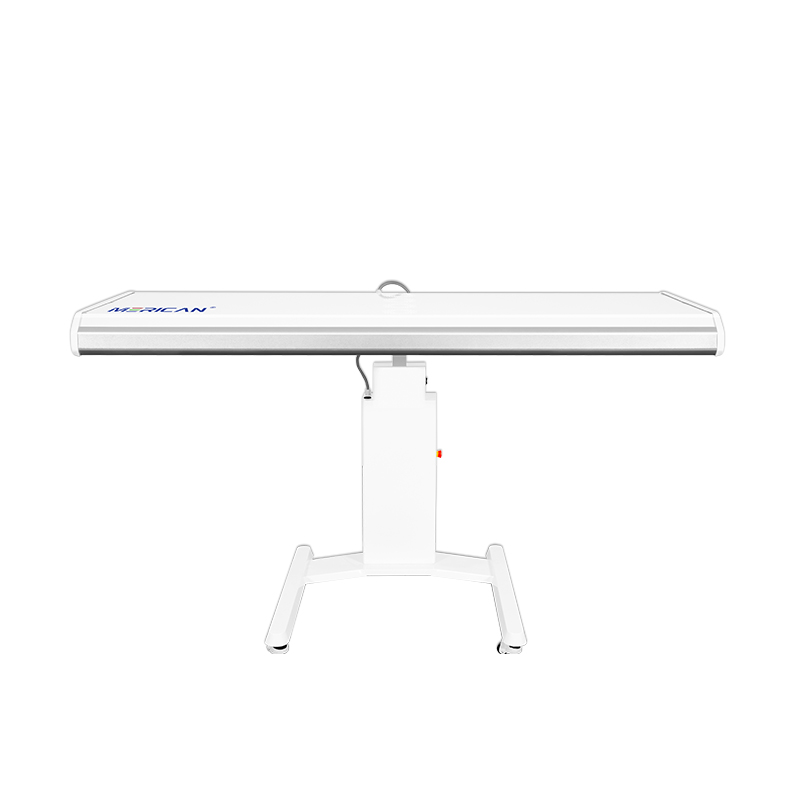
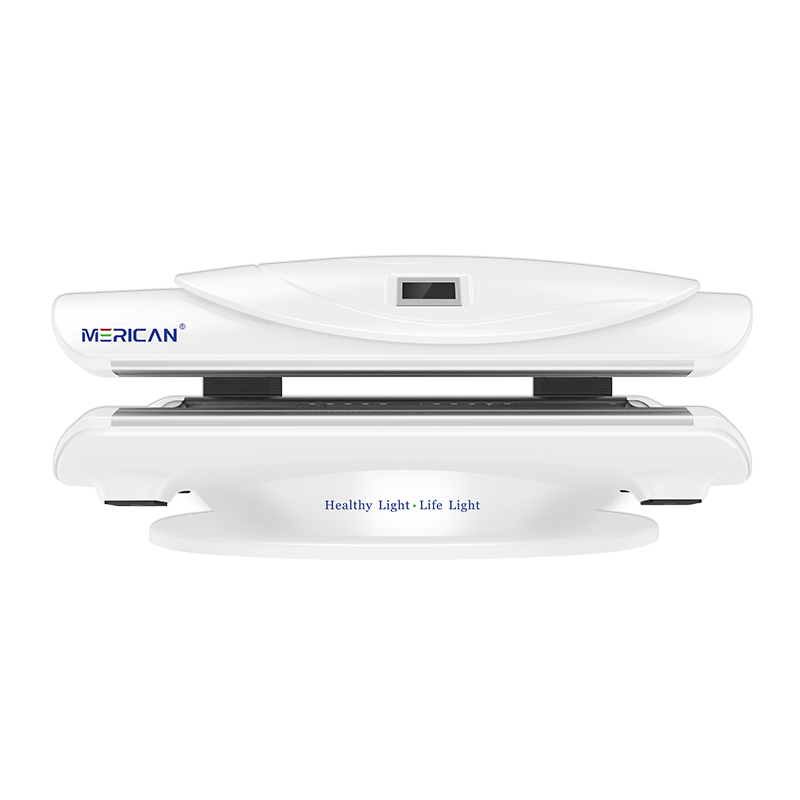
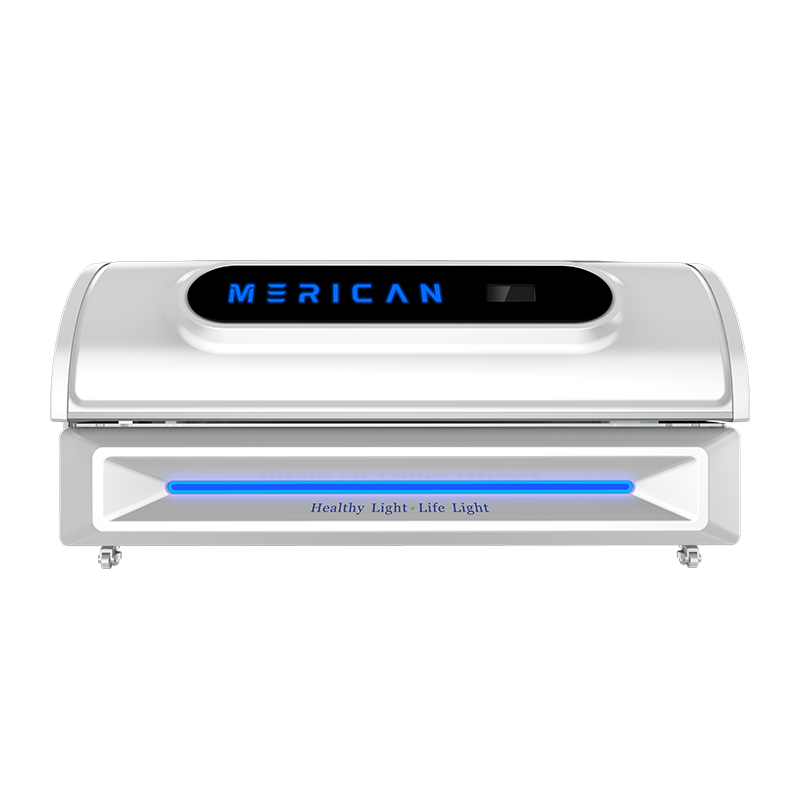
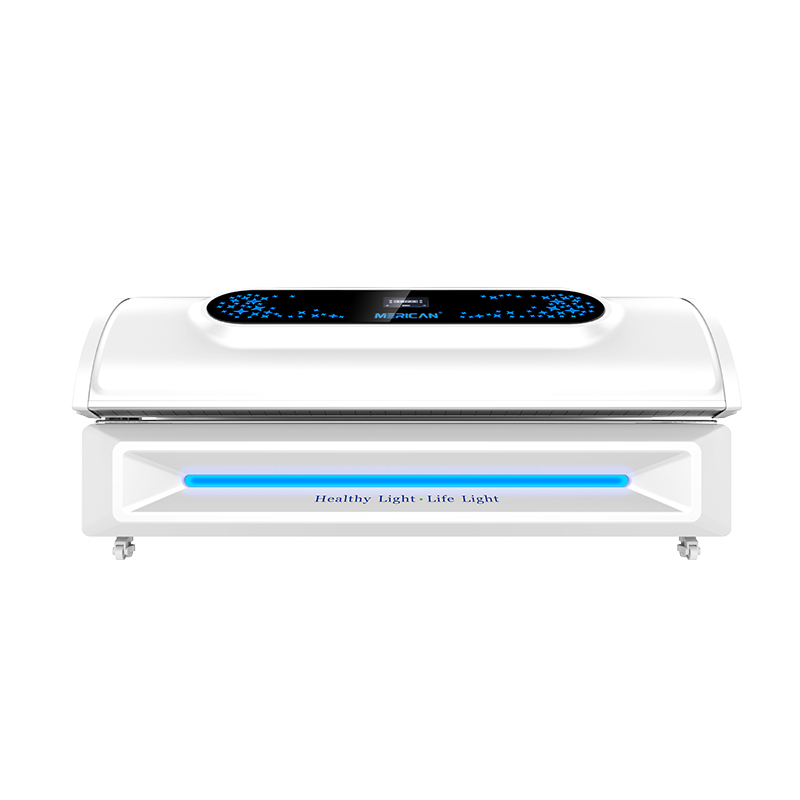
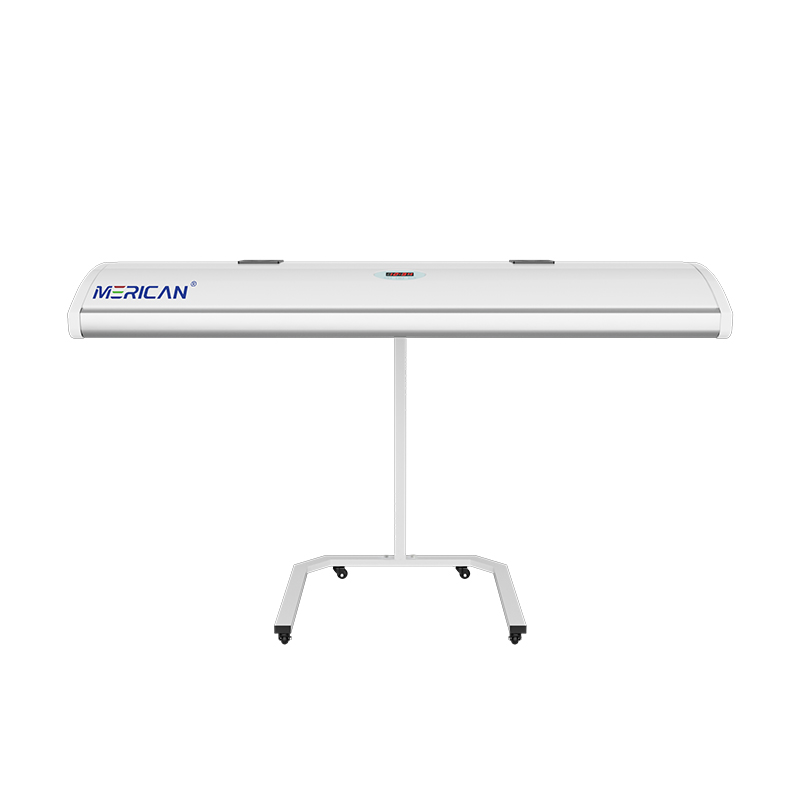
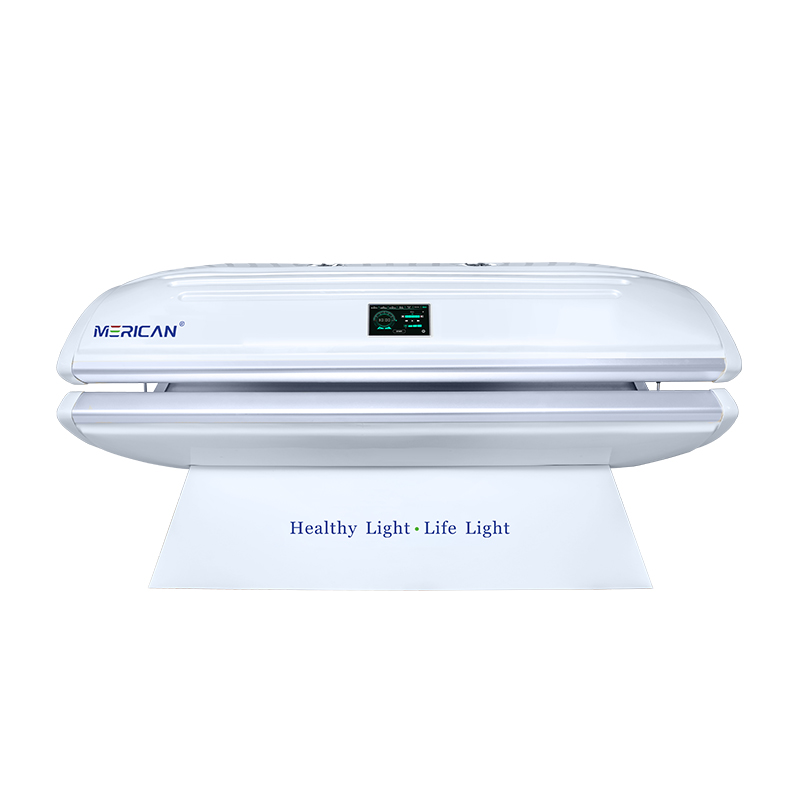
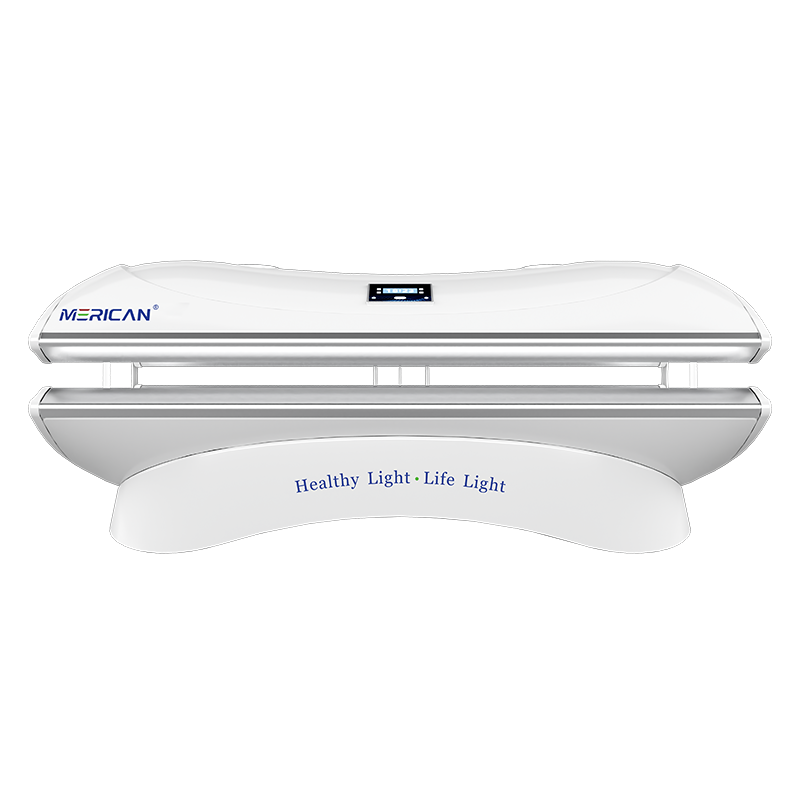
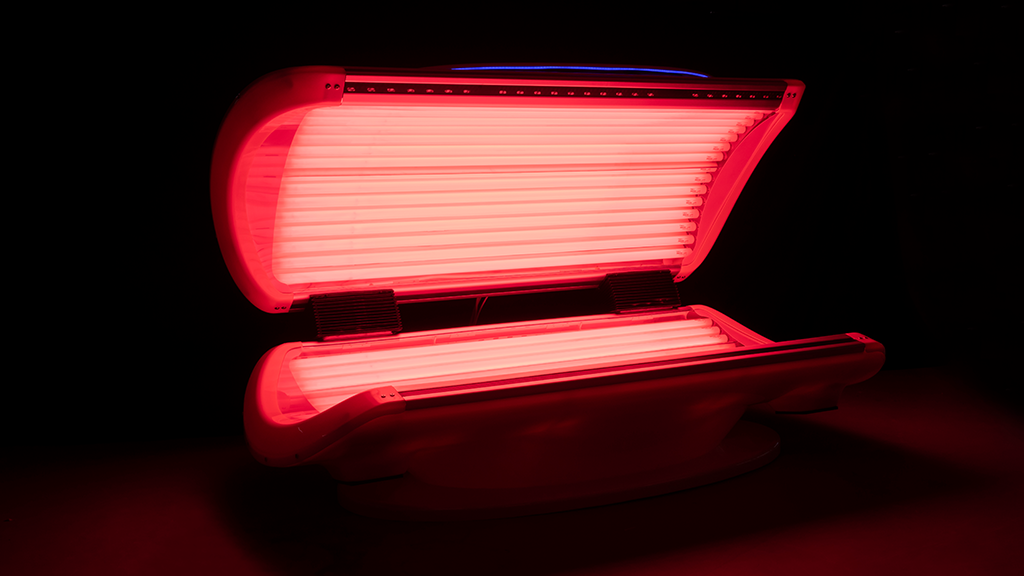
Red light therapy may be applied to the lower back, caderas, and upper leg areas using targeted devices or professional-grade red light therapy beds.
Las pautas generales orientadas al bienestar incluyen:
- Longitudes de onda: 660 Nuevo Méjico (rojo) y 850 Nuevo Méjico (infrarrojo cercano)
- Duración de la sesión: 10–20 minutos por área
- Frecuencia: 3–5 sesiones por semana
- Áreas de aplicación: Lower back, gluteal region, and along the pain pathway
Consistent use over several weeks is typically required to experience noticeable benefits.
Seguridad y consideraciones importantes
- Red light therapy does not replace medical evaluation for severe or worsening sciatica
- Persistent numbness, debilidad muscular, or bowel/bladder issues require immediate medical attention
- Best results are achieved when combined with physical therapy, extensión, and posture correction
Always consult a healthcare professional before starting any new therapy for nerve-related pain.
Pensamientos finales
Entonces, can red light therapy help sciatica? While it cannot fix the root cause, La terapia con luz roja puede ayudar. reducir la inflamación, support nerve comfort, mejorar la circulación, y aliviar el dolor when used as part of a comprehensive sciatica management plan.
Para aquellos que buscan una solución no invasiva, drug-free option to support sciatic pain relief, red light therapy may be a valuable complementary therapy.
Preguntas frecuentes
q: Can red light therapy cure sciatica?
A: No. Sciatica is often caused by structural issues. Red light therapy may help manage symptoms but does not cure the condition.
q: How long does it take to feel relief?
A: Some people notice improvement within 2–4 weeks of consistent use, mientras que los casos crónicos pueden tardar más.
q: Can red light therapy be used daily for sciatica?
A: Moderate daily use is generally safe, but most protocols recommend 3–5 sessions per week.