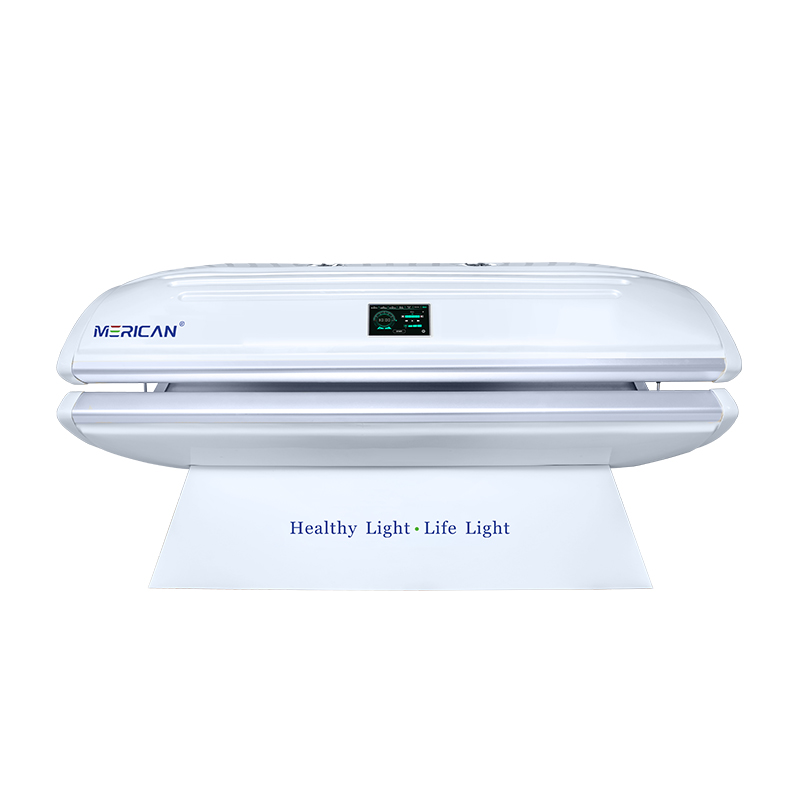
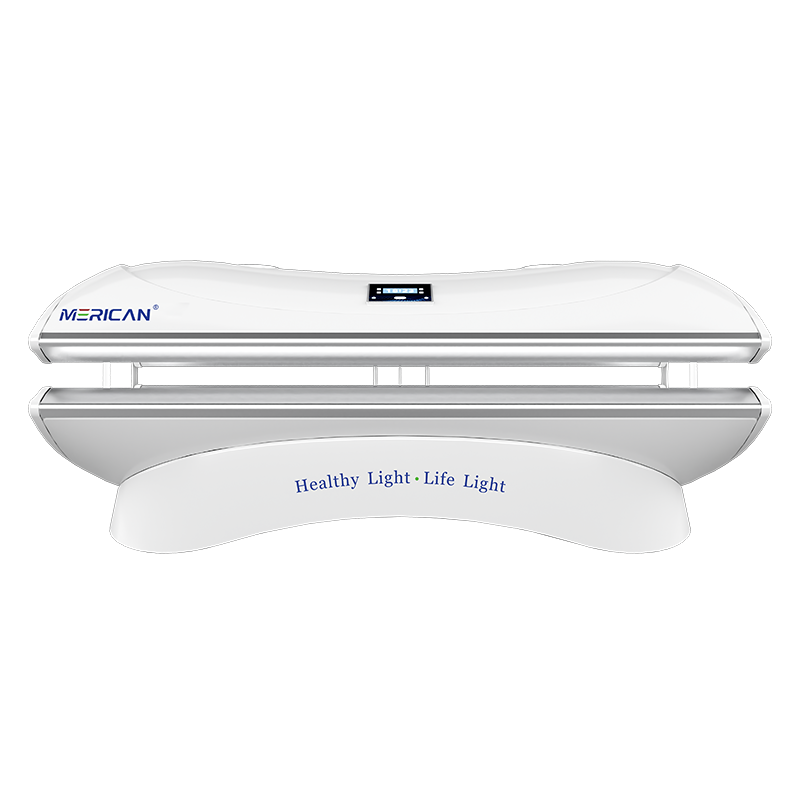
Skin cancer is the most common form of cancer worldwide, including basal cell carcinoma (BCC), carcinoma de células escamosas (SCC), and melanoma. It is caused primarily by DNA damage from ultraviolet (ultravioleta) radiation and requires early diagnosis and proper medical treatment.
With the growing popularity of wellness technologies, algunas personas preguntan: Can red light therapy help skin cancer?
The short and critical answer is: red light therapy does not treat, cure, or prevent skin cancer.
Sin embargo, understanding what red light therapy poder y cannot do is essential for safe and responsible use.
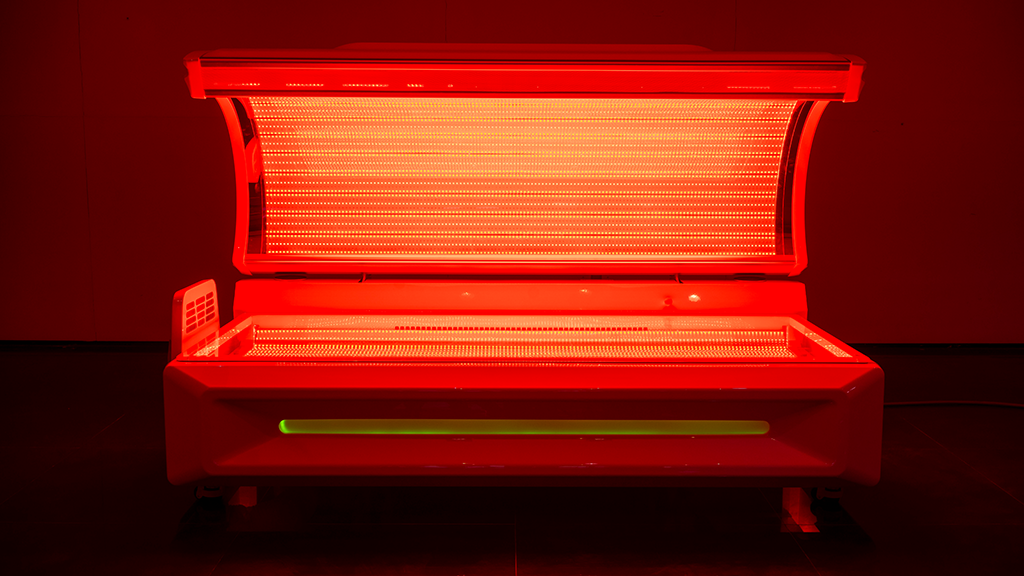
¿Qué es la terapia con luz roja??
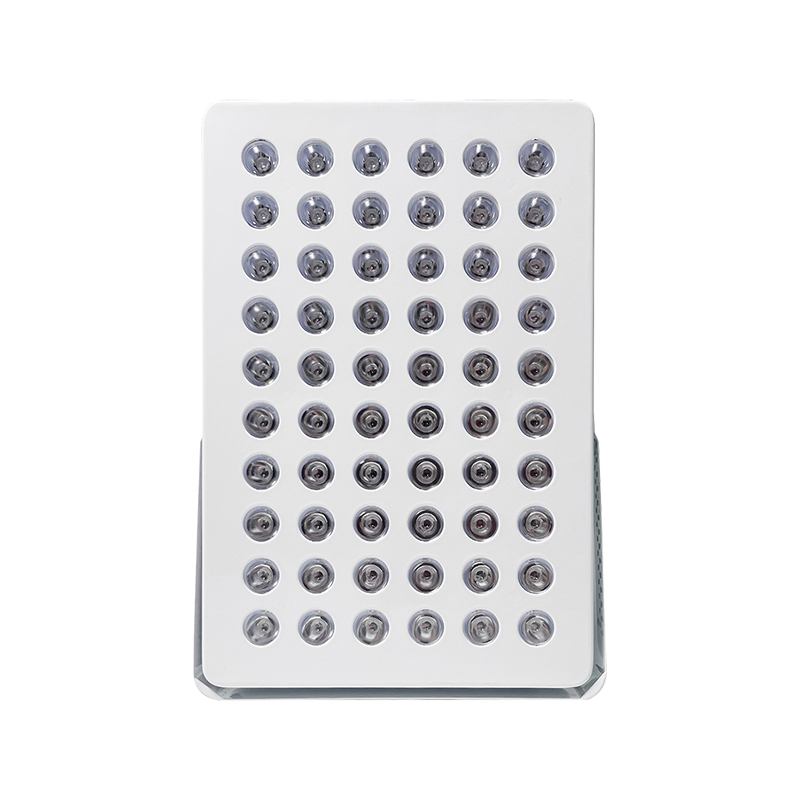
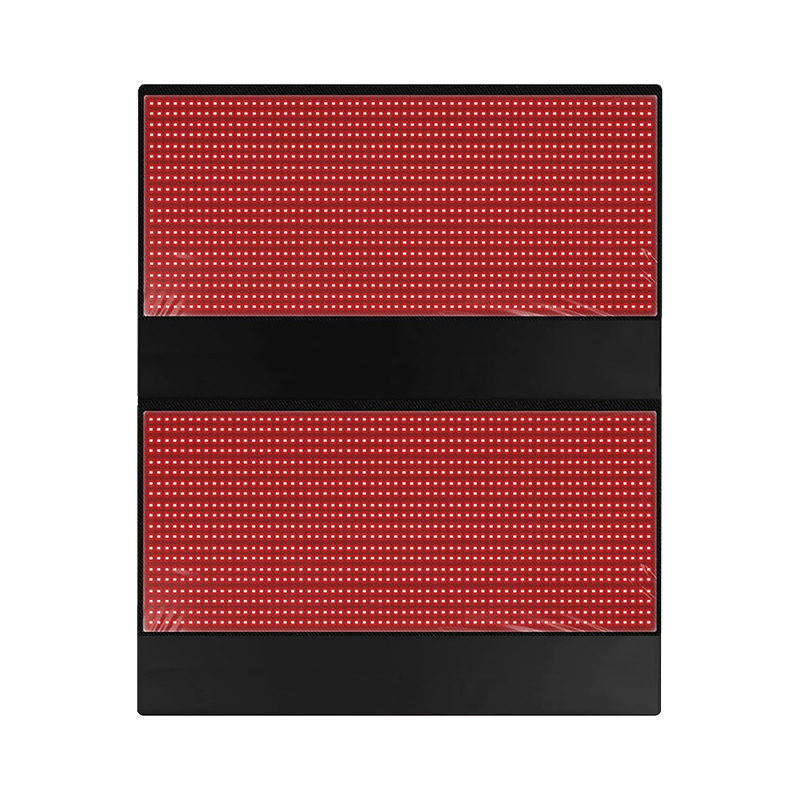
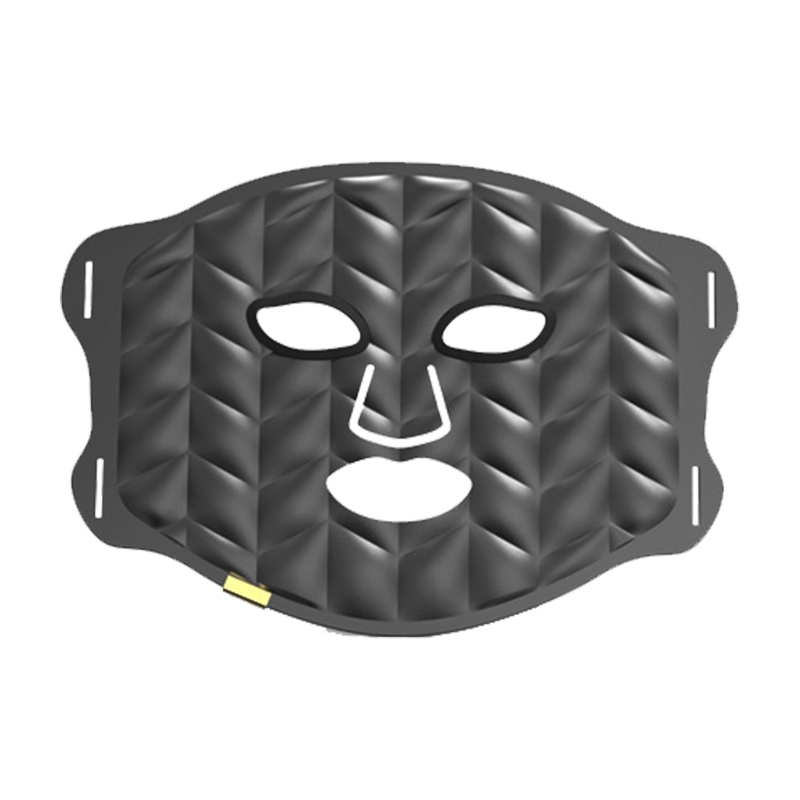
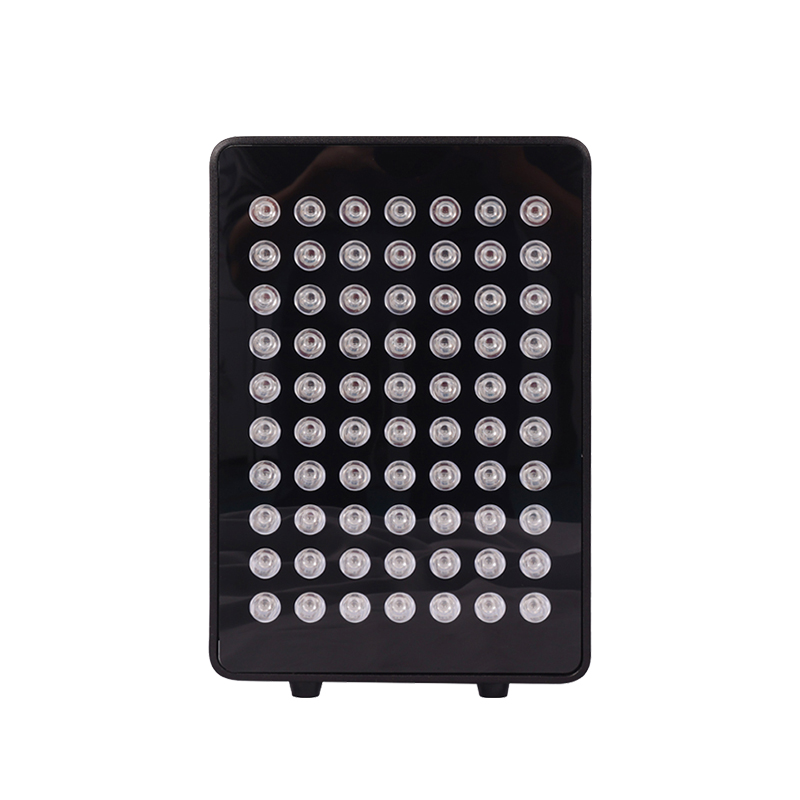
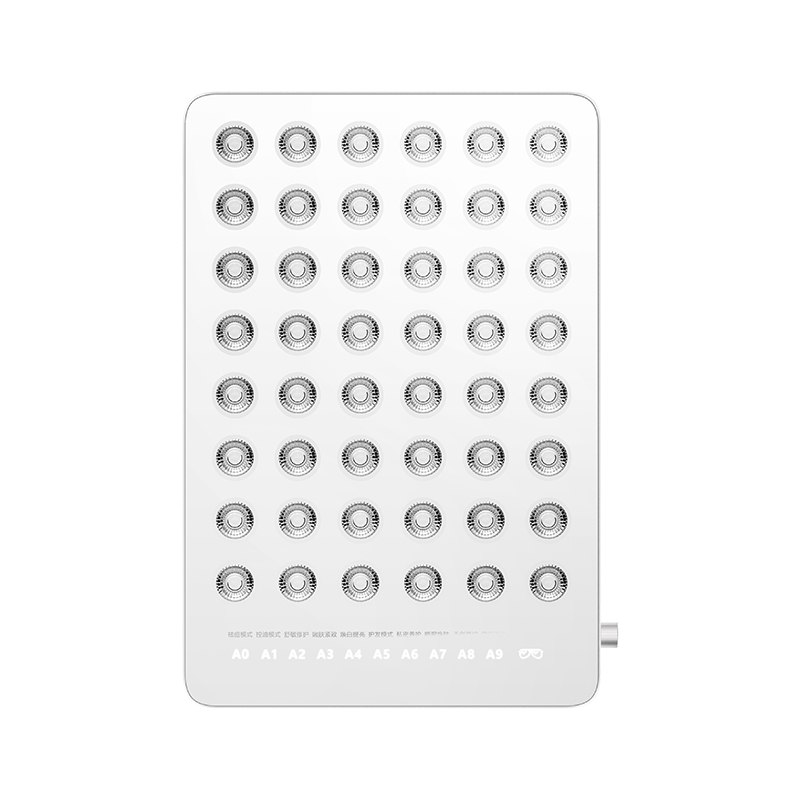
Terapia de luz roja, también conocido como fotobiomodulación (Pbm), utiliza luz roja e infrarroja cercana de bajo nivel, normalmente entre 630 nm y 880 nm—para estimular la actividad celular.
A diferencia de la luz UV, red light does no cause DNA damage or sunburn. Se usa comúnmente para el rejuvenecimiento de la piel, wound healing support, reducción de la inflamación, y recuperación muscular.

Does Red Light Therapy Treat Skin Cancer?
No. Red light therapy is not a treatment for skin cancer.
There is no clinical evidence that red light therapy can:
- Destroy cancer cells
- Stop cancer growth
- Prevent skin cancer development
- Replace surgery, chemotherapy, radiación, or immunotherapy
Any claim suggesting that red light therapy can cure or treat cancer is medically inaccurate and potentially dangerous.
Why Red Light Therapy Is Sometimes Discussed in Cancer-Related Contexts
Although red light therapy does not treat cancer itself, research has explored its supportive use in specific, non-cancerous contexts:
1. Post-Treatment Skin Recovery
After surgical removal of skin cancer or dermatological procedures, La terapia con luz roja puede ayudar.:
- Support wound healing
- Reduce inflammation and redness
- Improve skin comfort and appearance
This use is only appropriate after cancer has been treated and with physician approval.
2. Managing Treatment-Related Skin Irritation
In some clinical research settings, photobiomodulation has been studied for reducing skin irritation caused by radiation therapy or medical treatments—but never applied directly to active cancer lesions.
Important Safety Considerations
Red light therapy should be used with extreme caution in anyone with a history of skin cancer:
- ❌ Do NOT use red light therapy on suspicious moles or untreated lesions
- ❌ Do NOT delay medical evaluation or treatment
- ❌ Do NOT use red light therapy as an alternative to cancer care
Always consult a dermatologist or oncologist before using red light therapy if you have:
- A history of melanoma or non-melanoma skin cancer
- Unexplained skin changes or lesions
- Recently treated cancer sites
Red Light Therapy vs UV Therapy: A Critical Difference
It is important not to confuse red light therapy with UV-based treatments:
| Terapia de luz roja | UV Light |
|---|---|
| Non-ionizing | DNA-damaging |
| No tanning | Causes tanning/burning |
| Does NOT treat cancer | Increases skin cancer risk |
La terapia de luz roja es not phototherapy for cancer and should never be promoted as such.
Pensamientos finales
Entonces, can red light therapy help skin cancer?
No—red light therapy does not treat, cure, or prevent skin cancer.
Its potential role is limited to supportive skin recovery after medical treatment, and only under professional guidance. Early detection, dermatological evaluation, and evidence-based medical treatment remain the only safe and effective approaches to skin cancer care.
For anyone concerned about skin changes or cancer risk, consulting a qualified healthcare professional is essential.
Preguntas frecuentes
q: Can red light therapy kill cancer cells?
A: No. There is no scientific evidence that red light therapy can kill cancer cells.
q: Is red light therapy safe if I had skin cancer before?
A: Only with medical approval. It should never be used on untreated or suspicious lesions.
q: Can red light therapy prevent skin cancer?
A: No. Sun protection, regular skin checks, and early diagnosis are the only proven preventive strategies.