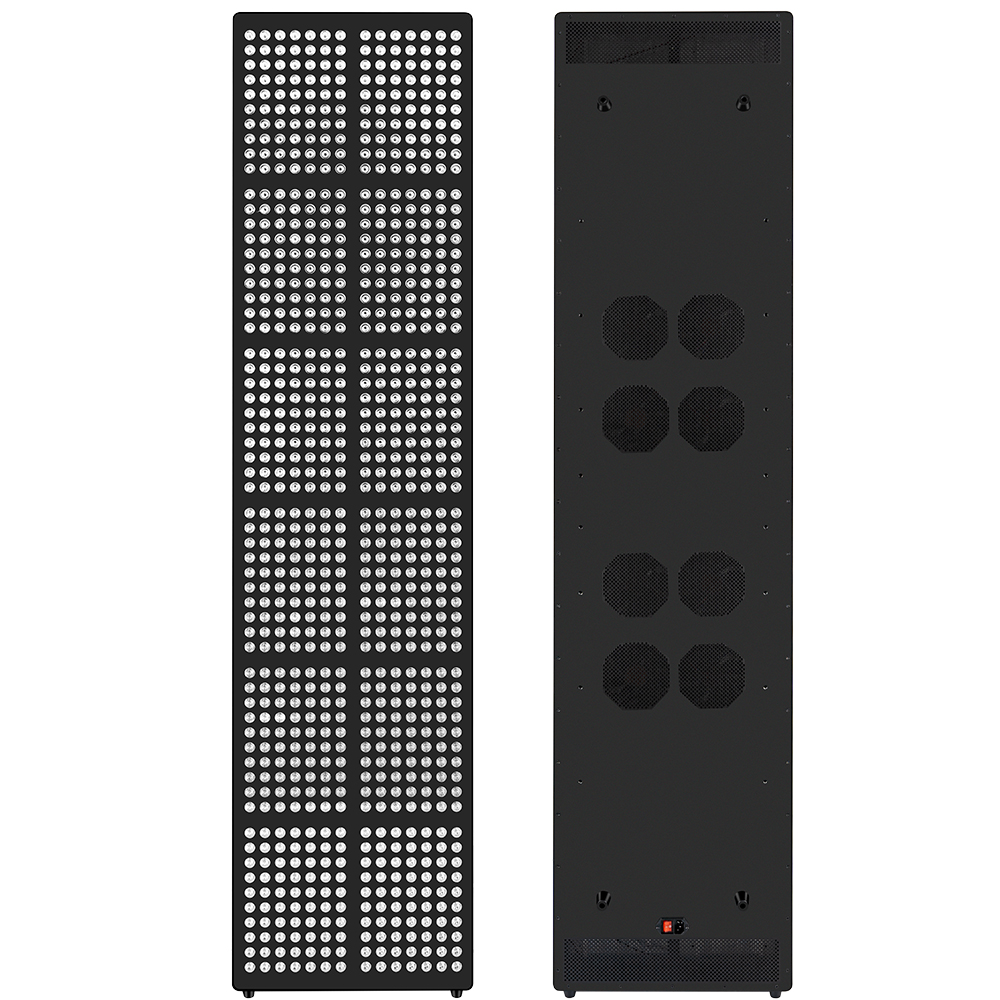
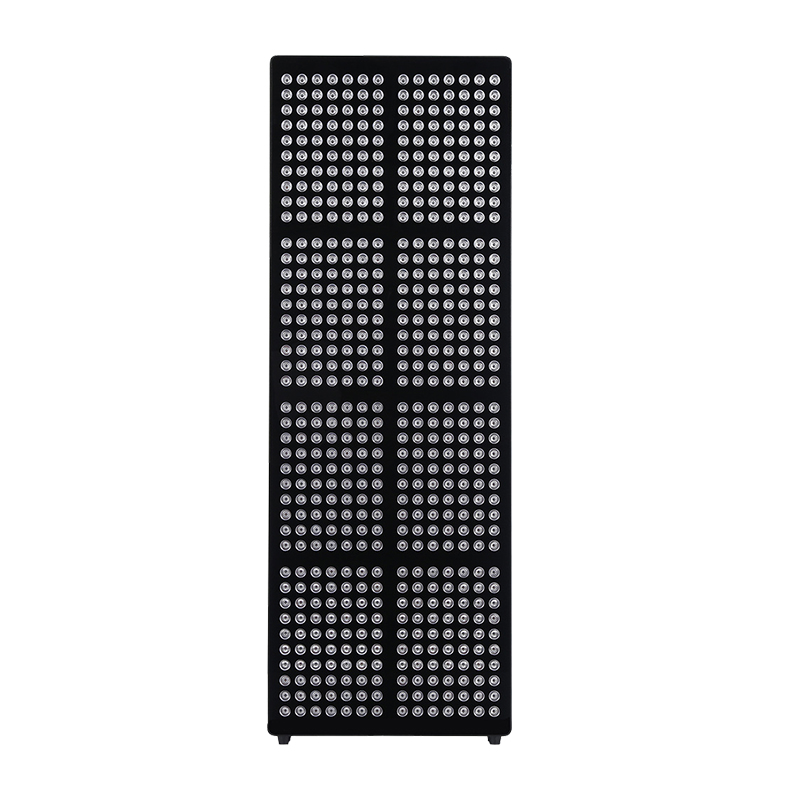
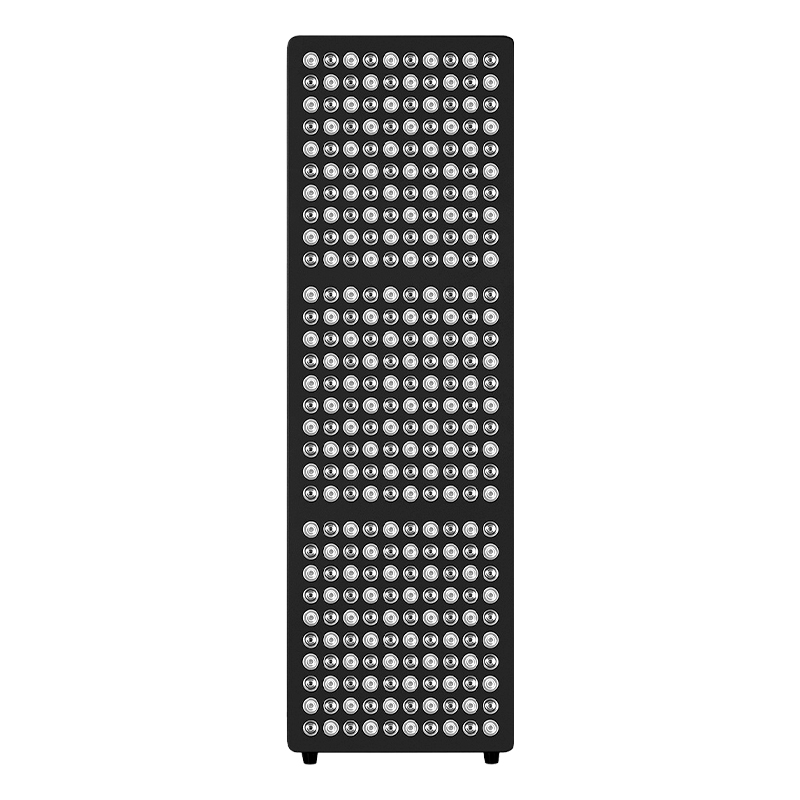
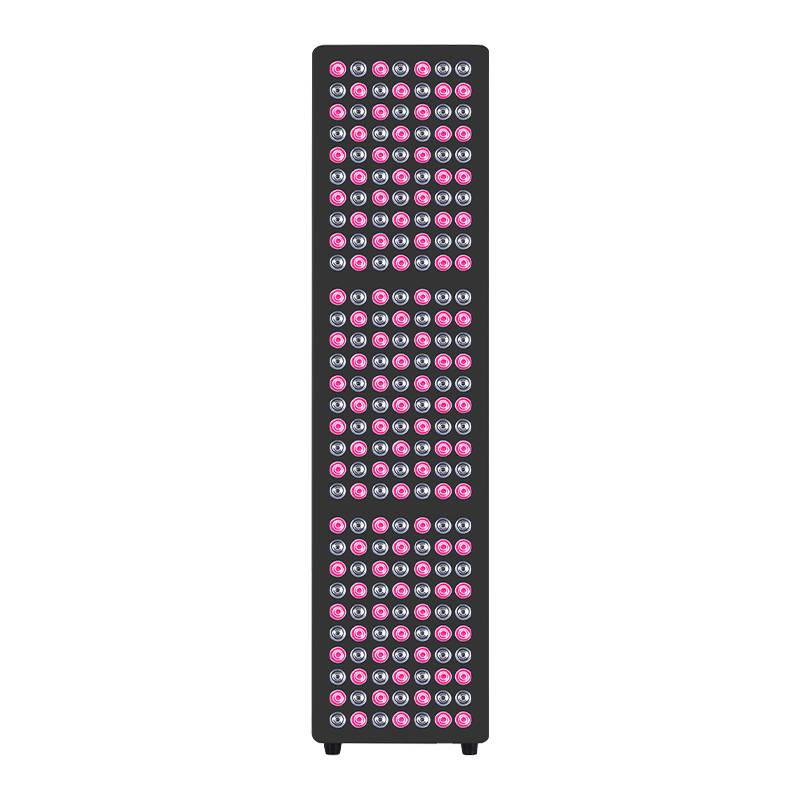
El tinnitus es la percepción de un zumbido., zumbido, silbido, o zumbidos en los oídos sin una fuente externa. Afecta a millones de personas en todo el mundo y puede variar desde leve y ocasional hasta crónica y perturbadora.. Las causas comunes incluyen daño auditivo inducido por el ruido., pérdida de audición relacionada con la edad, infecciones de oído, problemas circulatorios, estrés, y factores neurológicos.
A medida que crece el interés en las tecnologías de bienestar no invasivas, mucha gente pregunta: ¿Puede la terapia con luz roja ayudar al tinnitus?? Si bien la terapia con luz roja es no es una cura para el tinnitus, La investigación emergente sugiere que puede ofrecer Beneficios de apoyo para ciertas personas., dependiendo de la causa subyacente.
¿Qué es la terapia con luz roja??
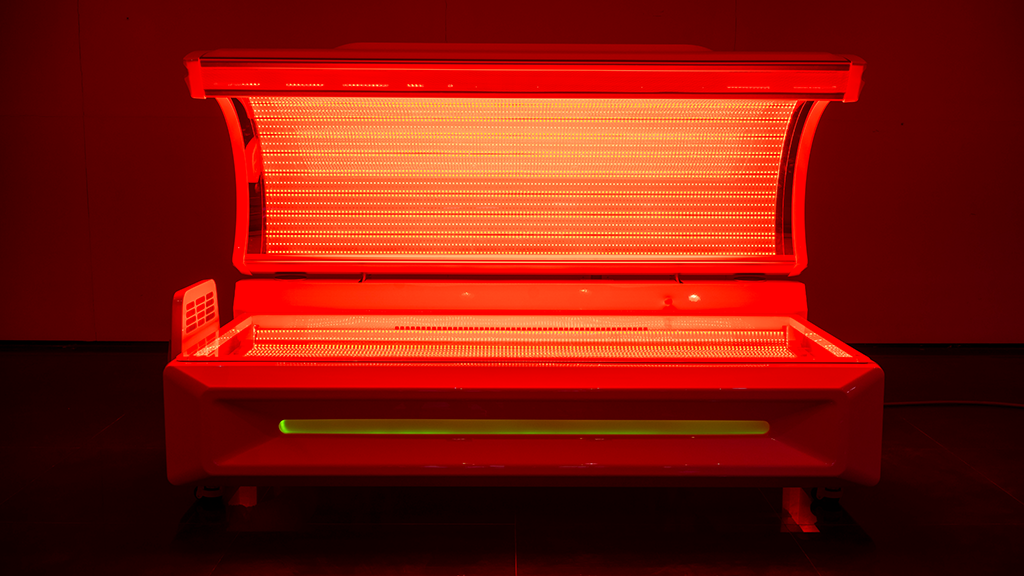
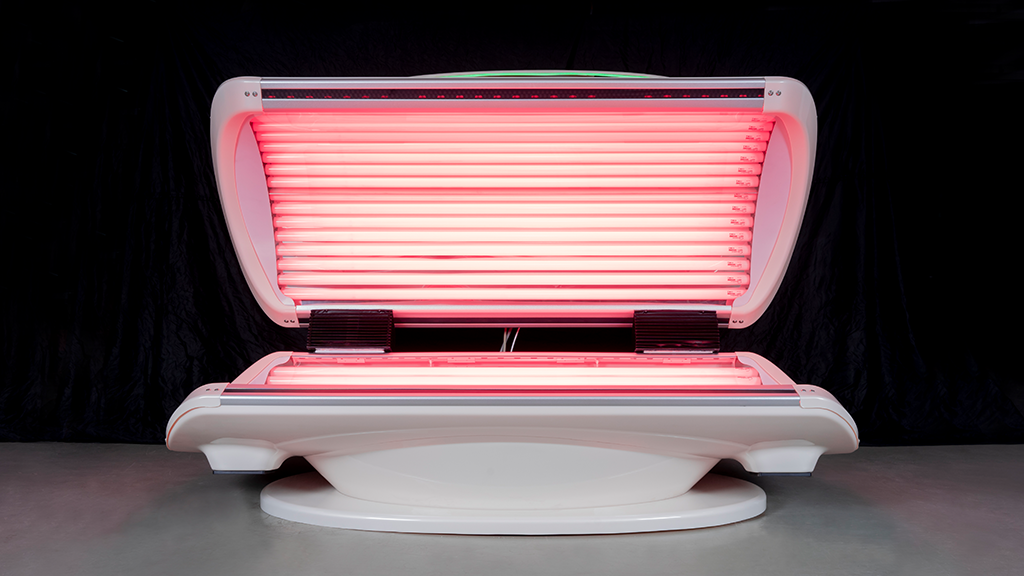
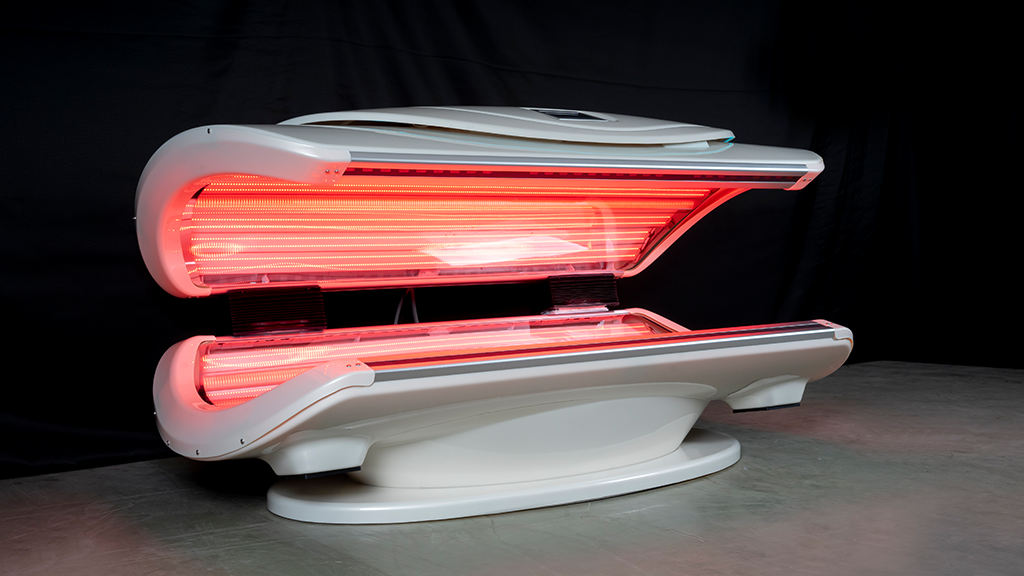
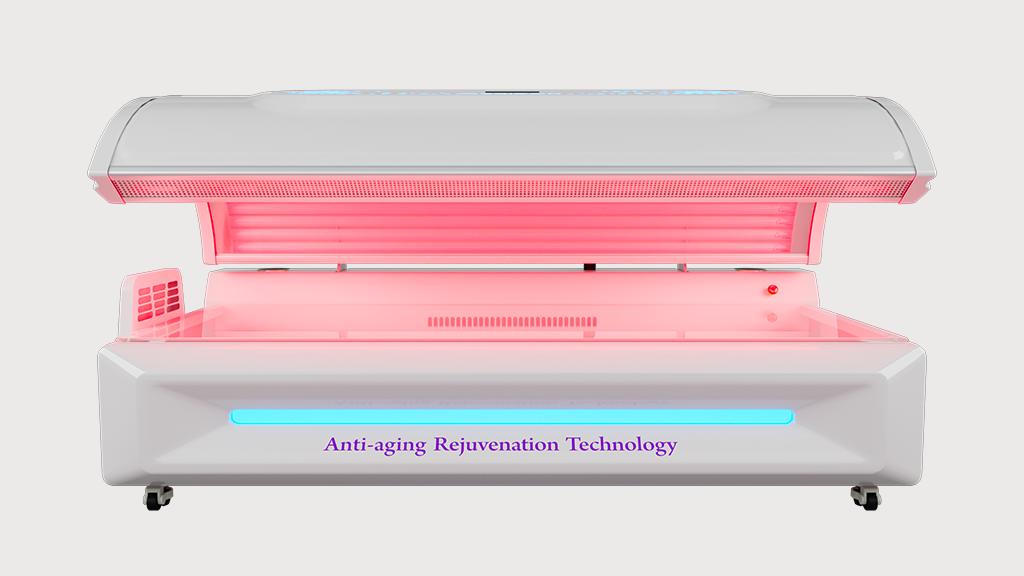
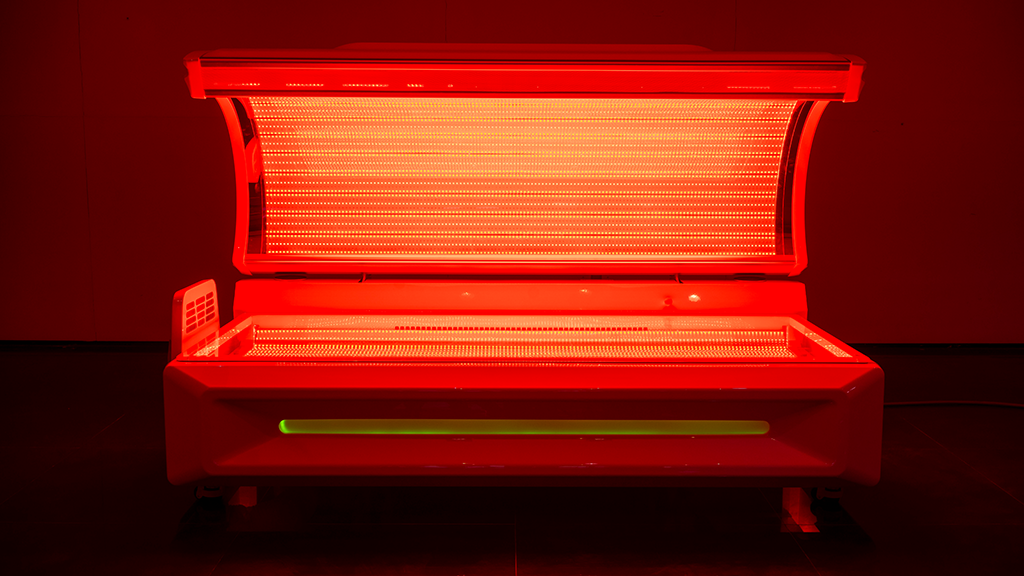
Terapia de luz roja, también conocido como fotobiomodulación (Pbm), utiliza luz roja e infrarroja cercana de bajo nivel, normalmente entre 630 nm y 880 nm—para estimular la actividad celular.
A diferencia de las terapias basadas en sonido o medicamentos., La terapia con luz roja actúa influyendo en la producción de energía celular., circulación, y regulación de la inflamación. No es invasivo y no daña el tejido cuando se usa correctamente..
Cómo la terapia con luz roja puede apoyar el manejo del tinnitus
La terapia con luz roja no elimina directamente los sonidos del tinnitus, pero puede ayudar a abordar los factores contribuyentes a través de varios mecanismos:
1. Puede mejorar la circulación del oído interno
Algunas formas de tinnitus están relacionadas con la reducción del flujo sanguíneo en la cóclea y las vías auditivas.. La terapia con luz roja puede favorecer la microcirculación, ayudando a transportar oxígeno y nutrientes a las estructuras sensibles del oído interno.
2. Apoya la energía celular en las células auditivas
La fotobiomodulación estimula la producción de ATP mitocondrial, que puede apoyar la función y la resistencia de las células ciliadas auditivas y los tejidos circundantes.
3. Ayuda a reducir la inflamación
La inflamación en el sistema auditivo o los tejidos circundantes puede contribuir al tinnitus.. La terapia con luz roja ha sido estudiada por sus efectos antiinflamatorios y antioxidantes., que puede ayudar a reducir la irritación.
4. Puede apoyar la regulación del sistema nervioso
El tinnitus a menudo se asocia con una mayor actividad del sistema nervioso y estrés.. La terapia con luz roja se ha explorado por sus efectos calmantes sobre el sistema nervioso., que puede ayudar a reducir la angustia relacionada con el tinnitus.
¿Qué dice la investigación??
La investigación sobre fotobiomodulación para el tinnitus aún está evolucionando. Algunos pequeños estudios clínicos y ensayos piloto han explorado la terapia con láser de bajo nivel o luz roja aplicada alrededor de la oreja o el área mastoidea., con resultados mixtos. Ciertos individuos informaron una reducción de la intensidad del tinnitus o una mejor calidad de vida., mientras que otros experimentaron cambios mínimos.
En general, La evidencia sigue siendo limitada e inconsistente., y la terapia con luz roja debe considerarse una enfoque complementario, no es un tratamiento primario.
Cómo se utiliza normalmente la terapia con luz roja para aliviar el tinnitus
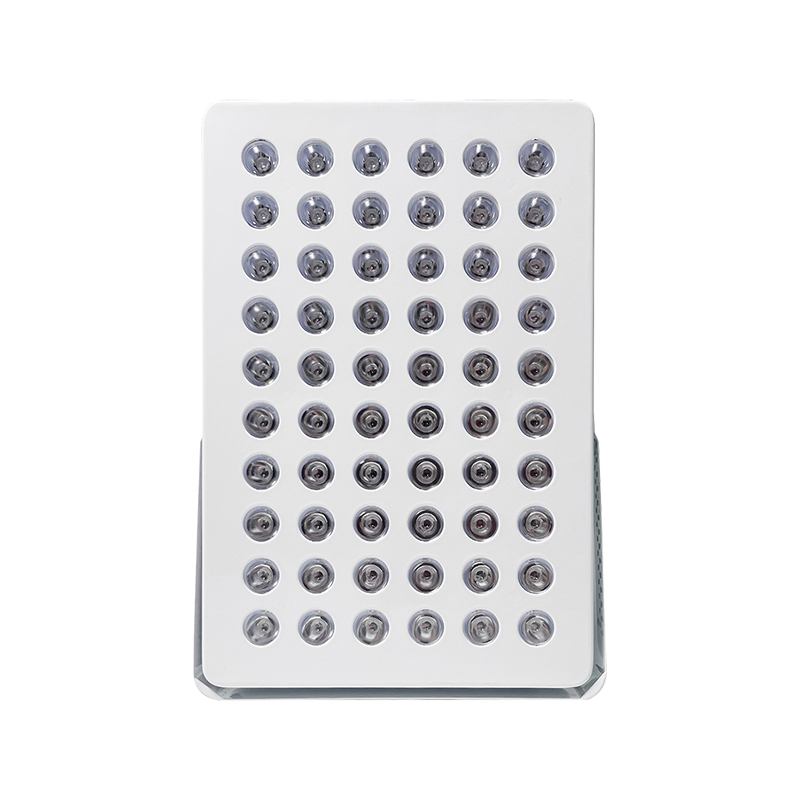
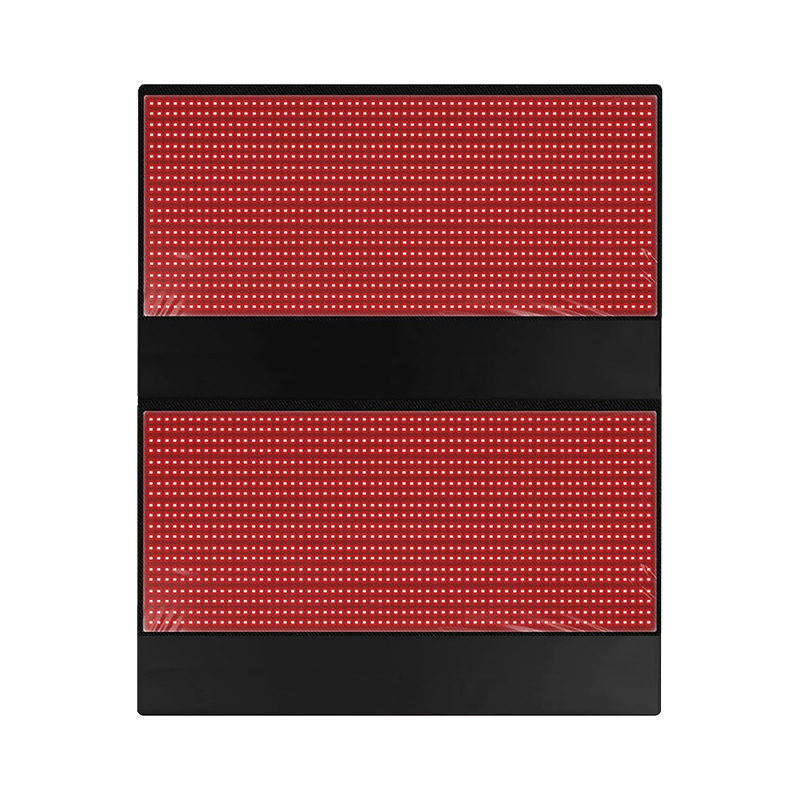
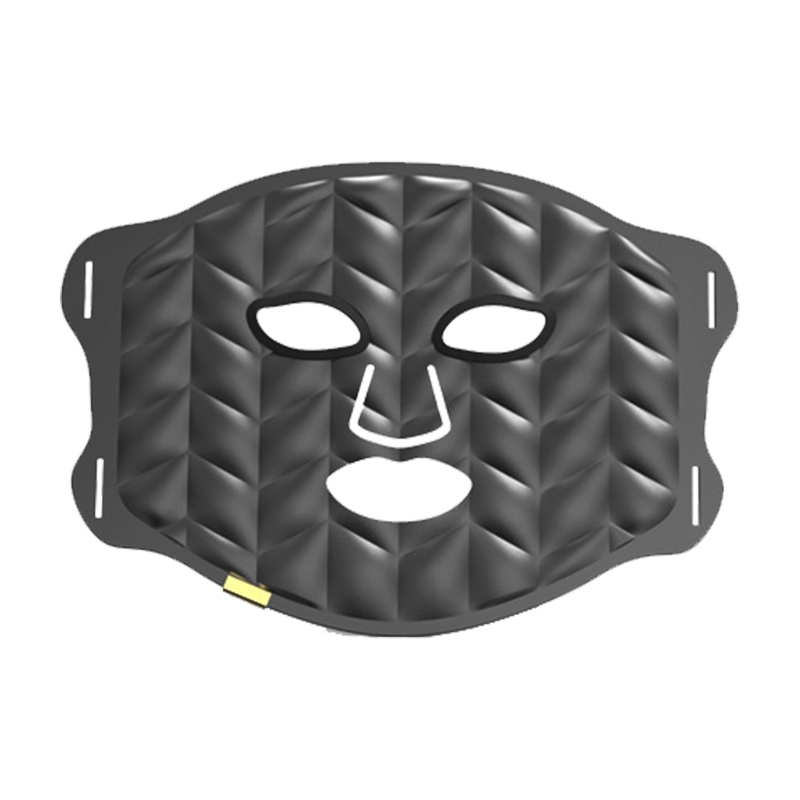
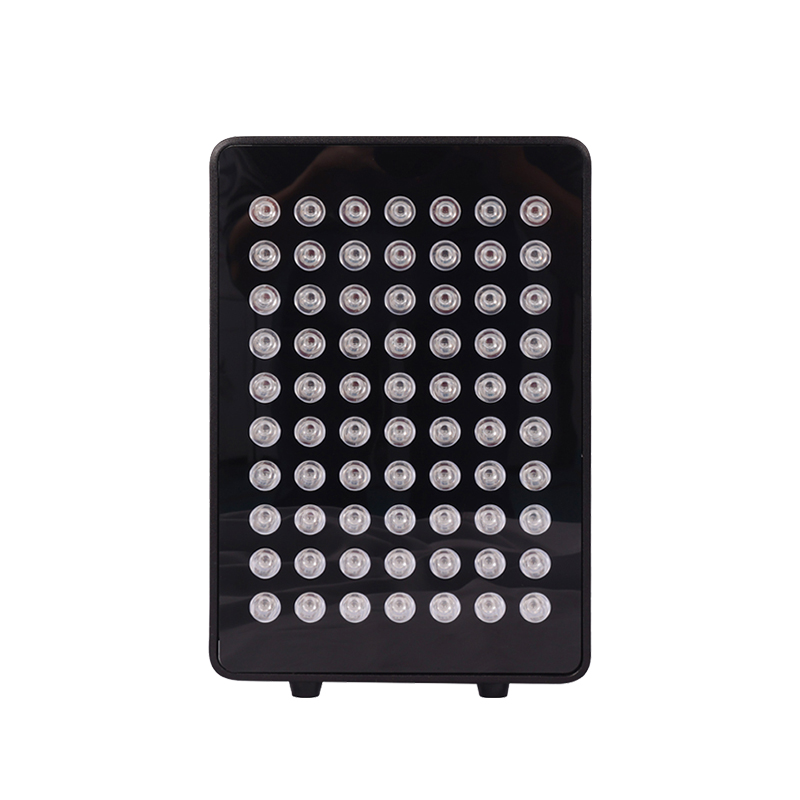
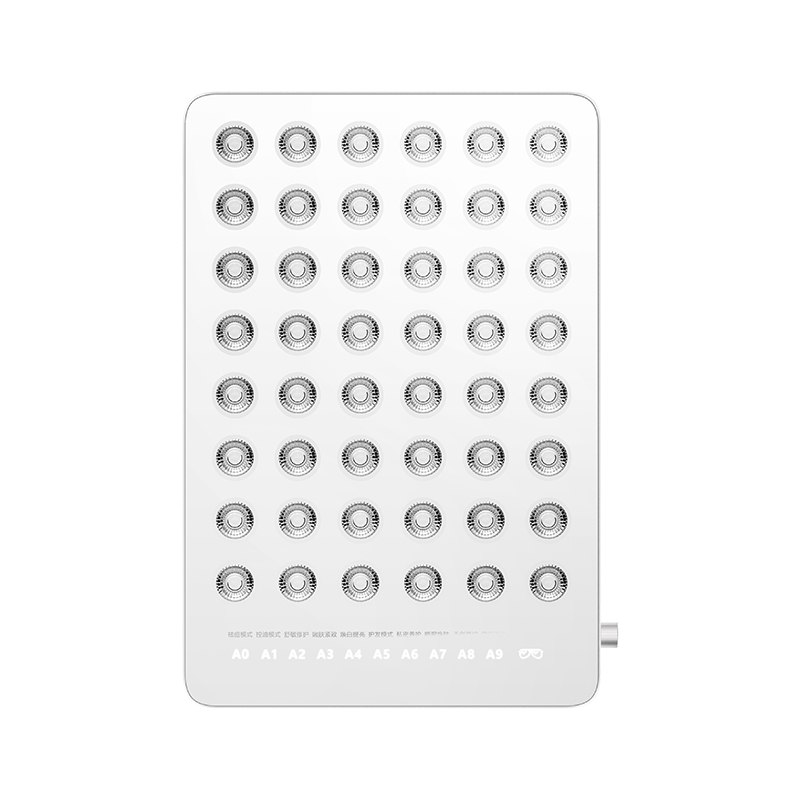
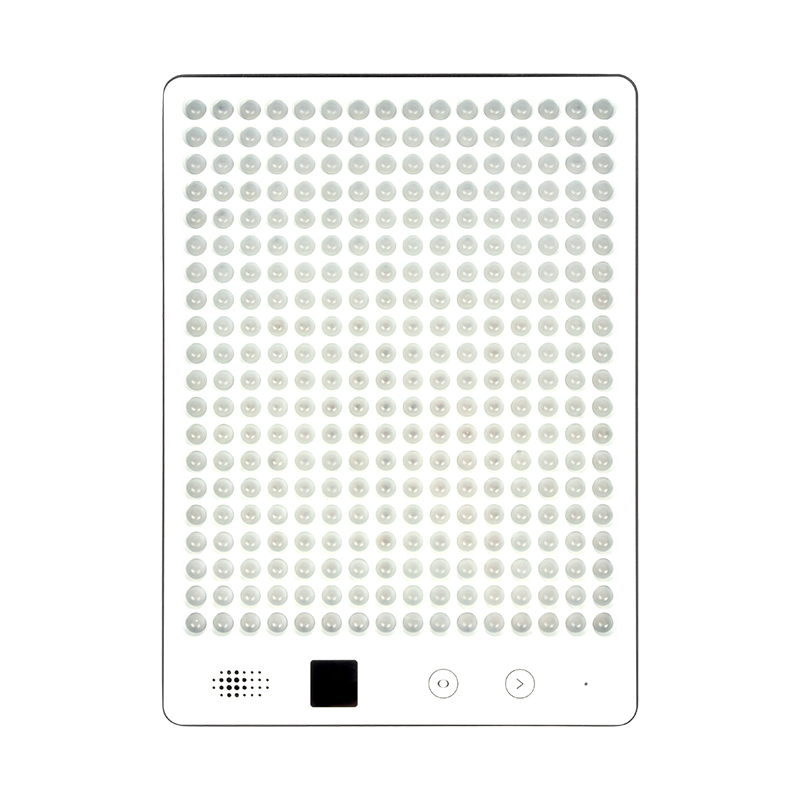
En entornos de investigación o bienestar, La terapia con luz roja se puede aplicar externamente cerca del oído., mandíbula, o hueso mastoideo usando baja potencia, dispositivos específicos.
Las pautas generales orientadas al bienestar incluyen:
- Longitudes de onda: 630–660 nm (rojo) y/o 810–850 nm (infrarrojo cercano)
- Duración de la sesión: 5–10 minutos por área
- Frecuencia: 2–4 sesiones por semana
- Áreas de aplicación: Alrededor de la oreja o región mastoidea (nunca dentro del canal auditivo)
Se recomienda encarecidamente la orientación profesional debido a la sensibilidad del sistema auditivo..
Seguridad y consideraciones importantes
- La terapia con luz roja no no reparar la pérdida auditiva o el daño a los nervios
- tinnitus de aparición repentina, tinnitus unilateral, mareo, o pérdida de audición requiere evaluación médica
- Evite dirigir la luz hacia el canal auditivo.
- La terapia con luz roja no debe retrasar el diagnóstico o el tratamiento de afecciones subyacentes.
Siempre consulte a un otorrinolaringólogo o audiólogo antes de comenzar cualquier nueva terapia para el tinnitus..
Pensamientos finales
Entonces, ¿Puede la terapia con luz roja ayudar al tinnitus?? La evidencia actual sugiere que puede ofrecer beneficios de apoyo para algunas personas al mejorar la circulación, apoyando la salud celular, reducir la inflamación, y respuestas calmantes del sistema nervioso.—pero lo es no es una cura y no funciona para todos.
Para aquellos que buscan un suave, forma no invasiva de apoyar el bienestar general del oído y del sistema nervioso, La terapia con luz roja puede considerarse como parte de un plan integral de manejo del tinnitus que incluye una evaluación de la audición., terapia de sonido, manejo del estrés, y orientación médica.
Preguntas frecuentes
q: ¿Puede la terapia con luz roja curar el tinnitus??
A: No. El tinnitus tiene muchas causas, y la terapia con luz roja no puede curarlo.
q: ¿Es segura la terapia con luz roja cerca de los oídos??
A: Cuando se usa externamente y correctamente, generalmente se considera seguro, pero se recomienda orientación profesional.
q: ¿Cuánto tiempo antes de que aparezcan los resultados??
A: Algunos usuarios informan cambios en varias semanas., mientras que otros pueden no notar la mejora.