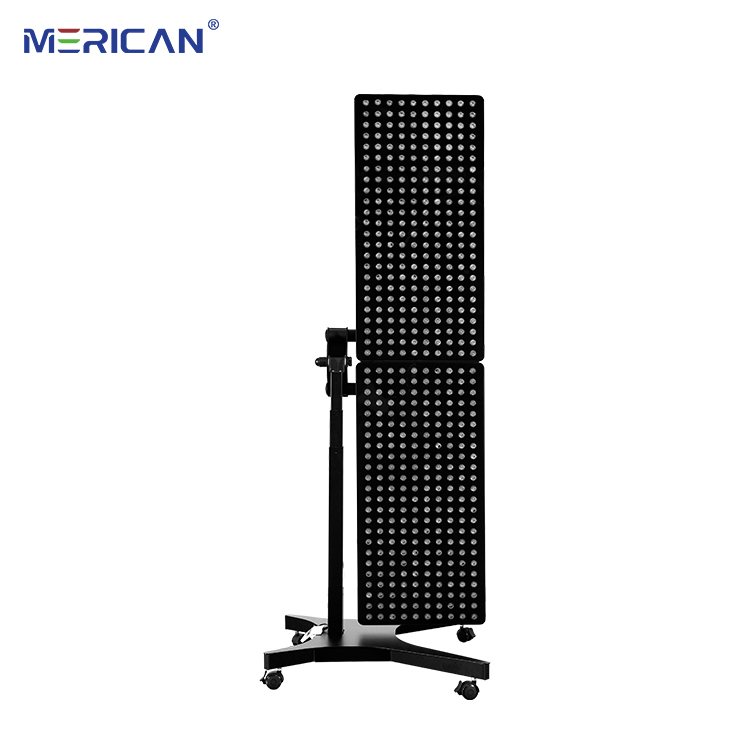
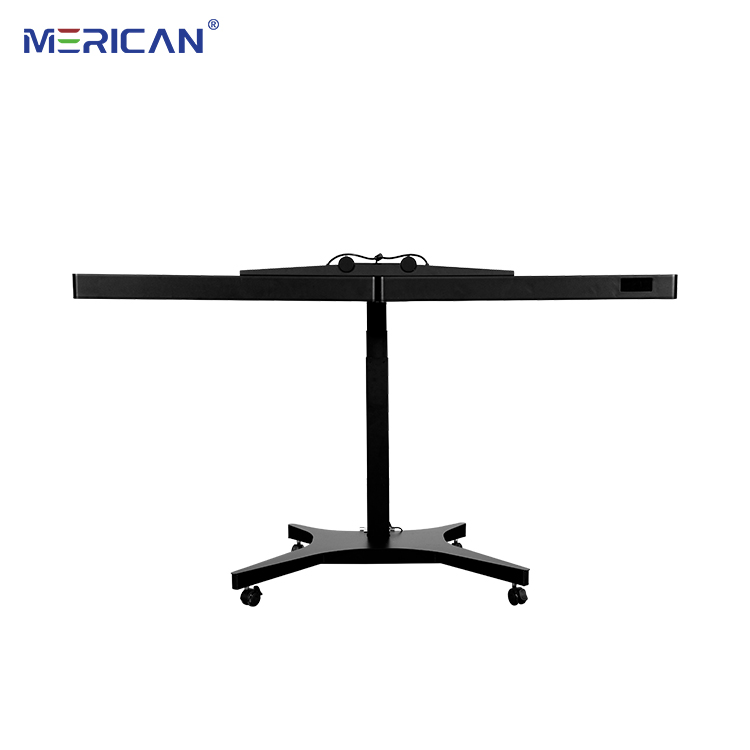
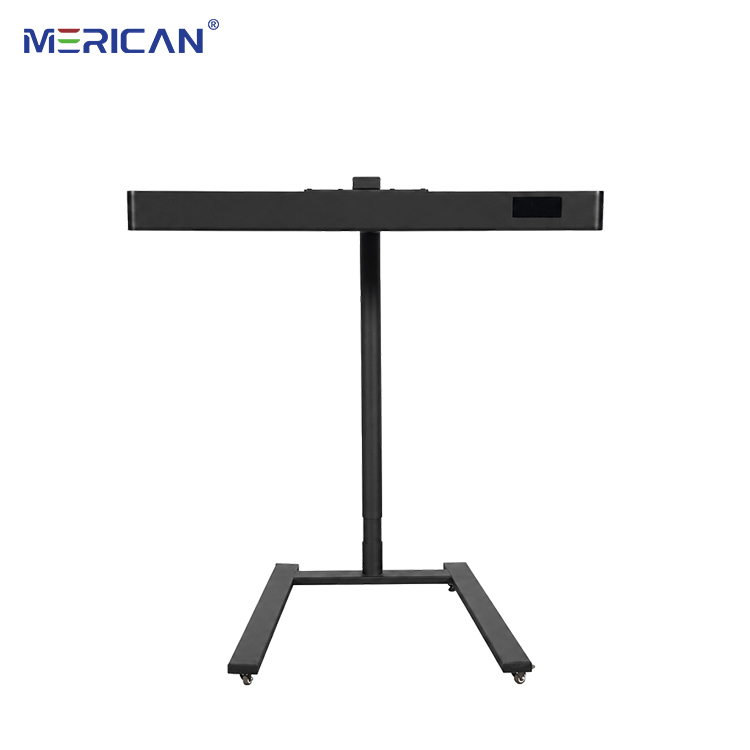
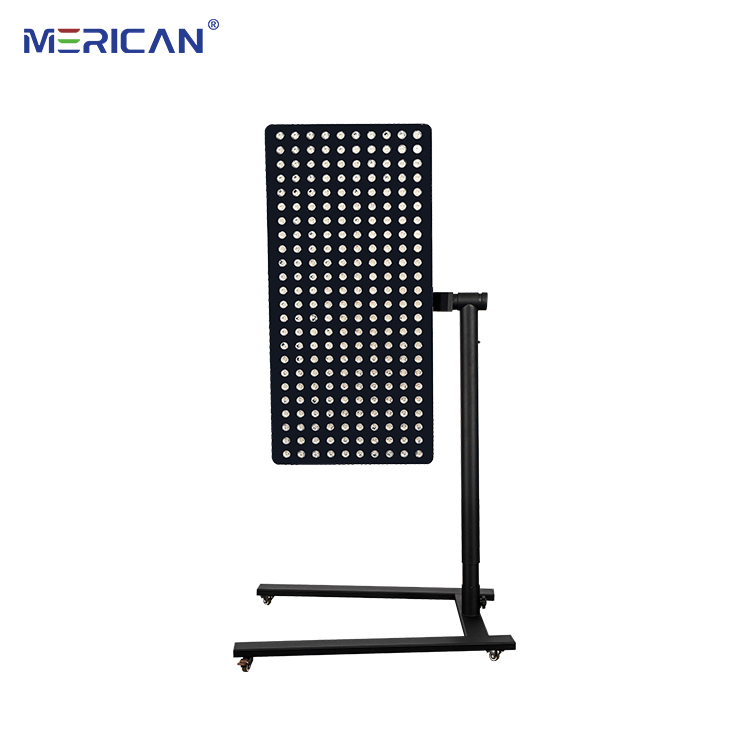
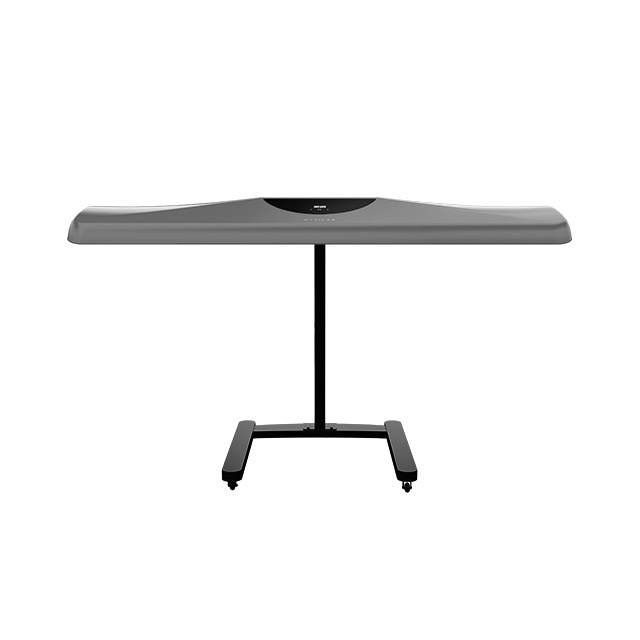
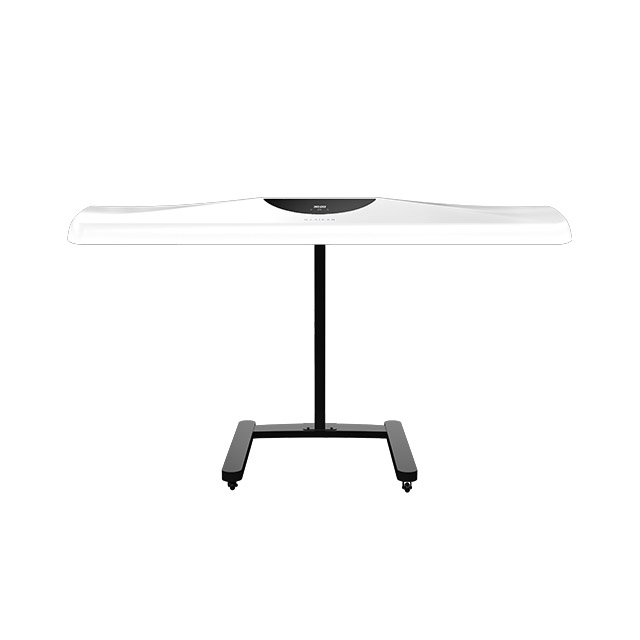
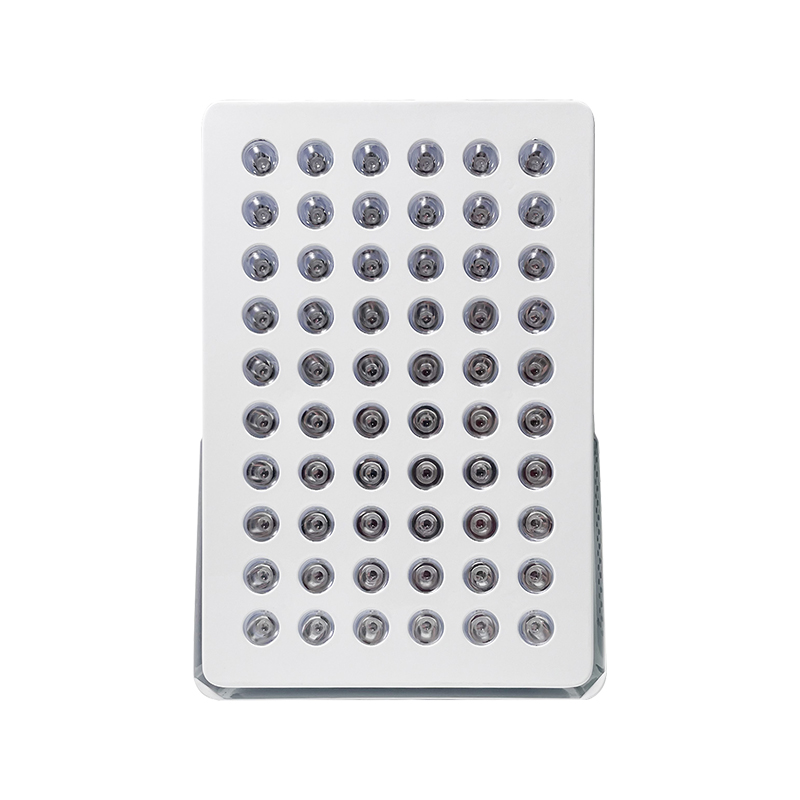
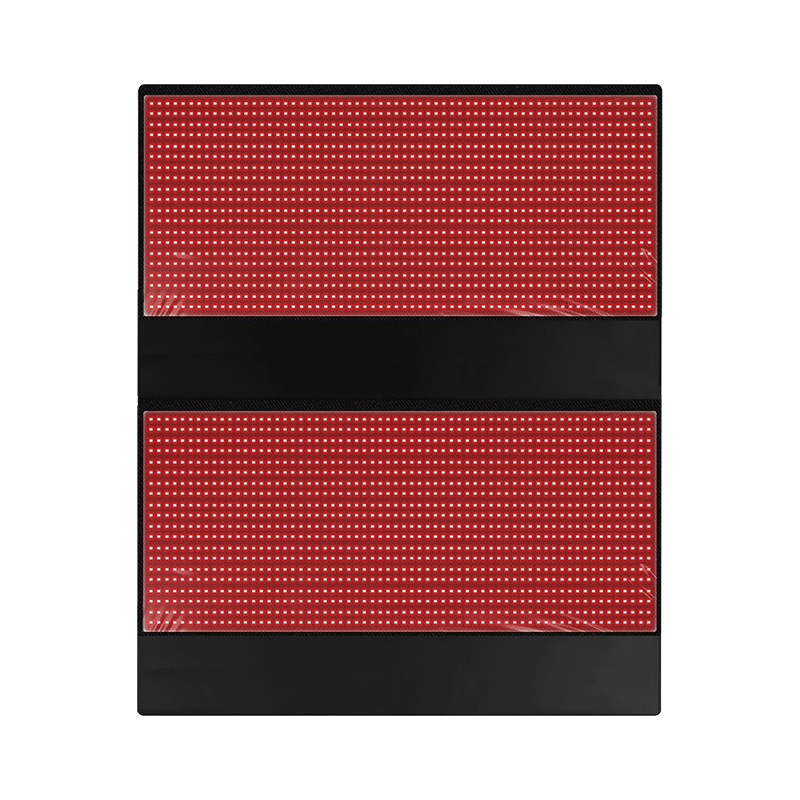
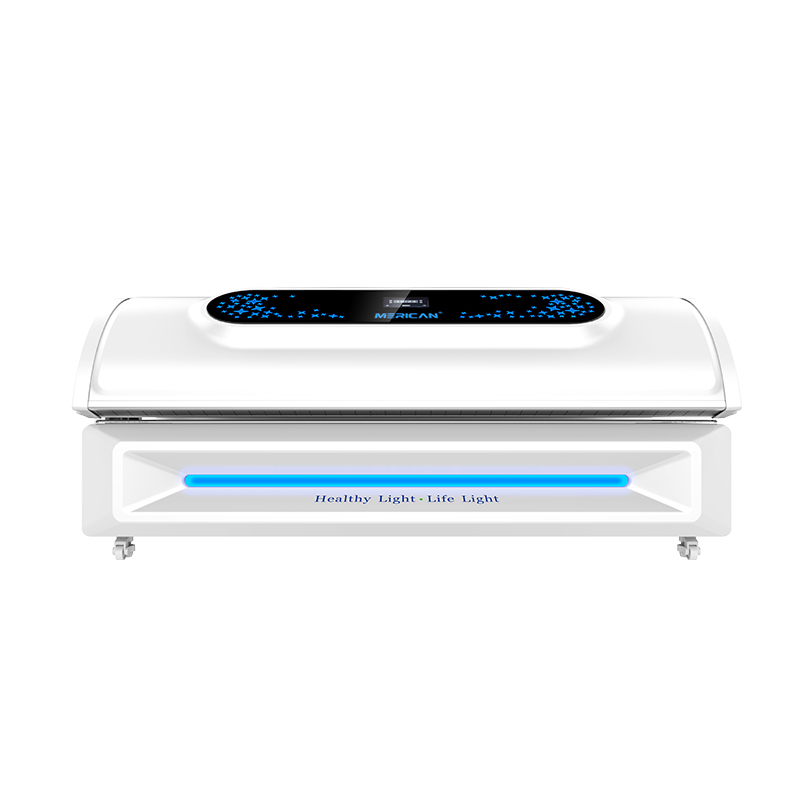
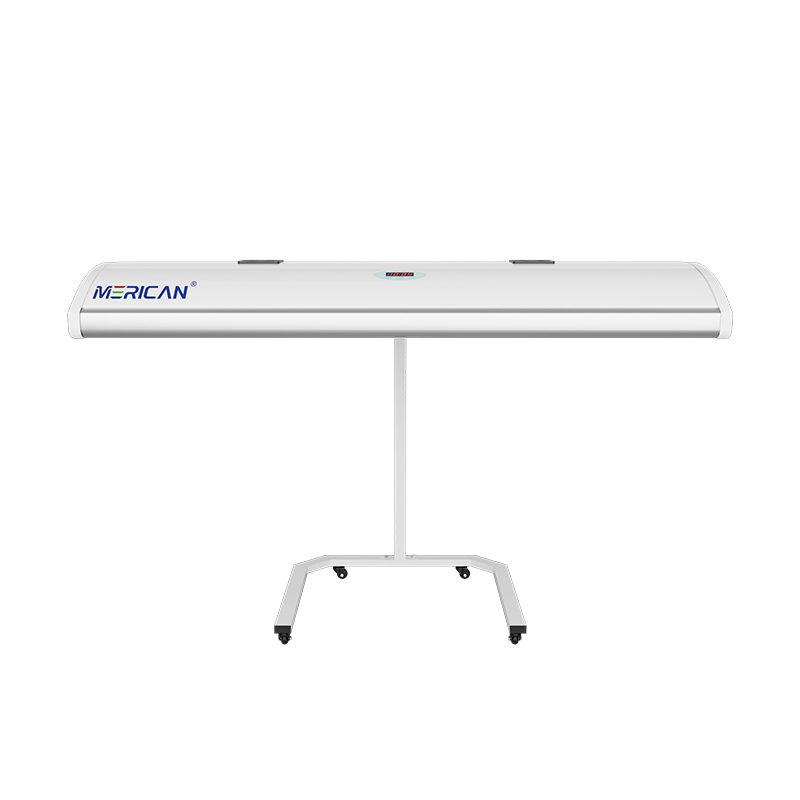
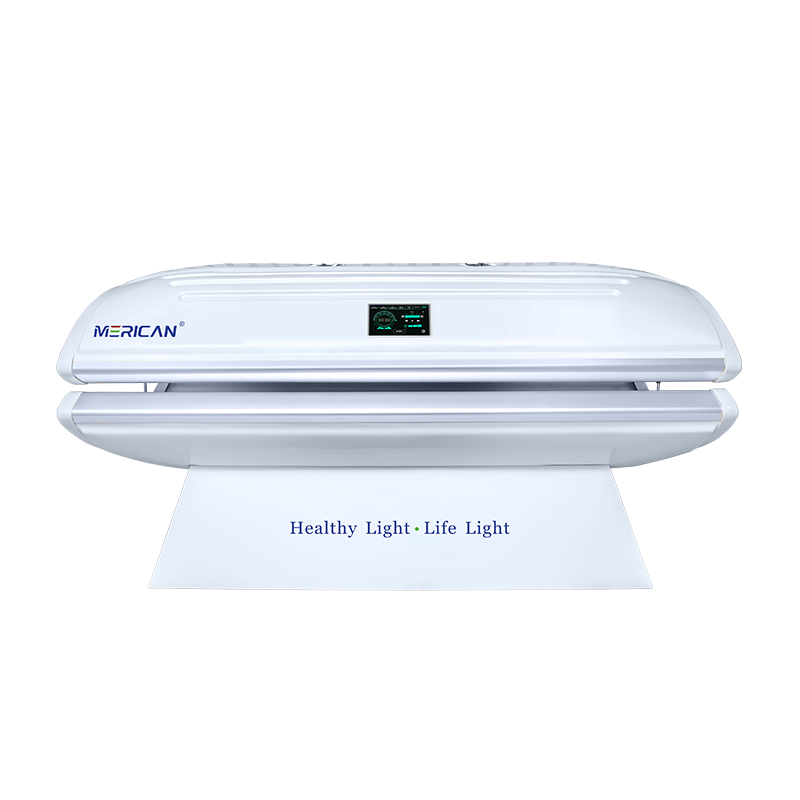
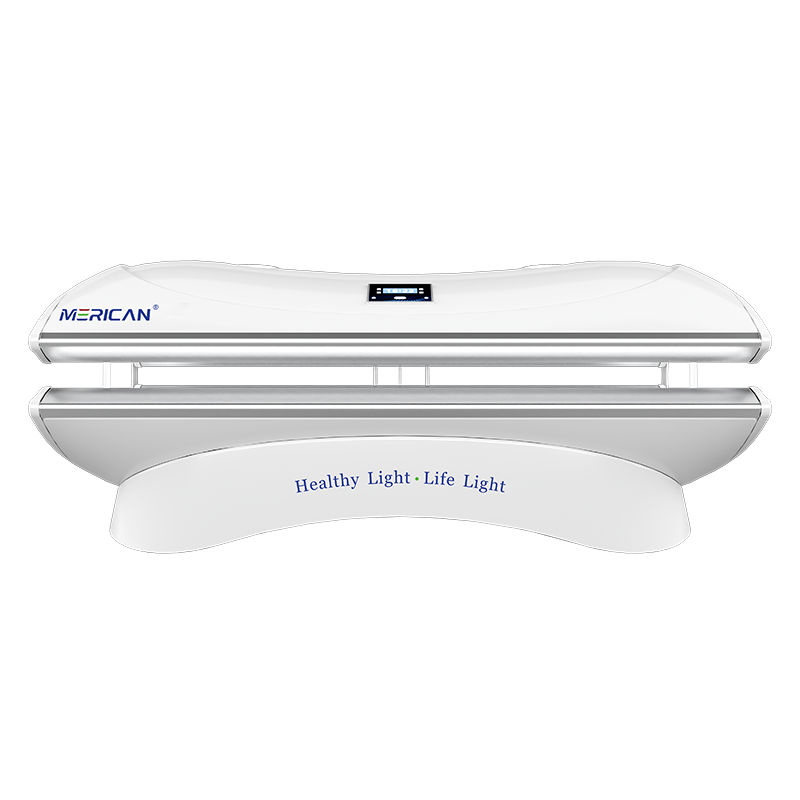
Most doctors who comment on red light therapy describe it as a promising, generally low-risk complementary option for some conditions, while making clear that it is not a cure and does not replace established treatment. That summary is broad on purpose, because clinical opinion is not a single voice. A dermatologist, a sports medicine physician, a physiotherapist, and an ophthalmologist will each focus on a different part of the same device: respuesta de la piel, tissue recovery, dosing, or the eye. Their enthusiasm and their caution tend to track the quality of evidence for the specific use in front of them. Where studies are small, corto, or use different devices and endpoints, clinicians stay reserved. Where a use has clearer support, they are more willing to discuss it as an adjunct. What they rarely endorse is the marketing claim that a red light therapy bed slows ageing, removes fat, or replaces an injectable treatment. If you are considering a bed at home or in a clinic, the most useful question is not whether doctors approve in general but what they would want to know about your specific situation.
Why medical opinion is not one voice
Red light therapy sits between several specialties, and each one sees a different slice of it. Dermatologists tend to focus on skin appearance, curación de heridas, and inflammatory conditions. Sports medicine and physiotherapy clinicians focus on muscle soreness, comodidad articular, y recuperación. Ophthalmologists care about light reaching the eye and about devices marketed for the face. Primary care clinicians are often the ones asked whether a home device is worth buying at all.
Their answers also depend on what they are comparing the treatment with. A clinician judging a red light therapy bed against a proven prescription will usually be more cautious than one judging it against doing nothing. That difference in comparison explains much of the apparent disagreement in public commentary.
The regulatory status of the product adds another layer. Some devices are cleared for specific medical uses with defined indications, while many wellness devices sold for home use carry no such clearance and make broad cosmetic claims. A doctor’s view of a cleared clinical device is not automatically a view of every bed sold online.
Finalmente, individual clinicians differ in how they weigh plausible mechanism against limited trial evidence. Some are willing to support a low-risk adjunct while the evidence matures. Others prefer to wait for stronger data. Both positions are defensible, and neither is evidence that the other has misunderstood the field.
What promising actually means
When a clinician calls red light therapy promising, the word usually signals that the mechanism is biologically plausible, that some studies show favourable results, and that the risk profile appears low enough to justify further research. It does not signal that the effect is proven for every goal a marketer lists.
Evidence quality varies enormously by indication. Some studies are small, some follow participants for only a few weeks, and some use devices that differ from the one a patient is asking about. Outcomes are often measured differently: a clinician-reported score, a patient questionnaire, una fotografía, or an instrument reading. Those measures are not interchangeable.
There is also the question of what counts as a result. A cosmetic improvement in skin appearance is a different claim from a change in a medical condition, and a reduction in reported soreness is different from a measured change in tissue repair. A responsible summary keeps those categories separate rather than blending them into one impressive sentence.
For a user, the practical translation is simple. Promising means worth discussing with a professional, worth trying within a documented protocol if the risk is acceptable, and worth evaluating honestly over time. It does not mean guaranteed, and it does not mean the device can substitute for treatment that has stronger evidence behind it.
Where doctors tend to agree
Despite differences in emphasis, several points come up consistently when clinicians discuss red light therapy beds.
- Risk appears low when the device is used as instructed. The main reported problems are skin irritation, calor, and eye discomfort rather than serious harm, and most of those relate to overuse or missing eye protection.
- It is an adjunct, no es un reemplazo. No credible clinical view suggests a bed should replace prescribed treatment, cirugía, or a proven topical regimen.
- Eye protection matters. Clinicians who treat eyes are consistently unenthusiastic about bright panels near the face without appropriate protection.
- Screening is necessary. Photosensitizing medication, a photosensitivity disorder, embarazo, active skin disease, and recent procedures change the calculation.
- Device and dose need documentation. A clinician cannot assess a protocol described only as a few minutes of red light.
- Claims should match evidence. The gap between what a device can plausibly do and what a listing promises is a common reason for professional scepticism.
Those points are unglamorous, which is precisely why they are useful. They describe the conditions under which a low-risk device stays low risk.
Where caution is strongest
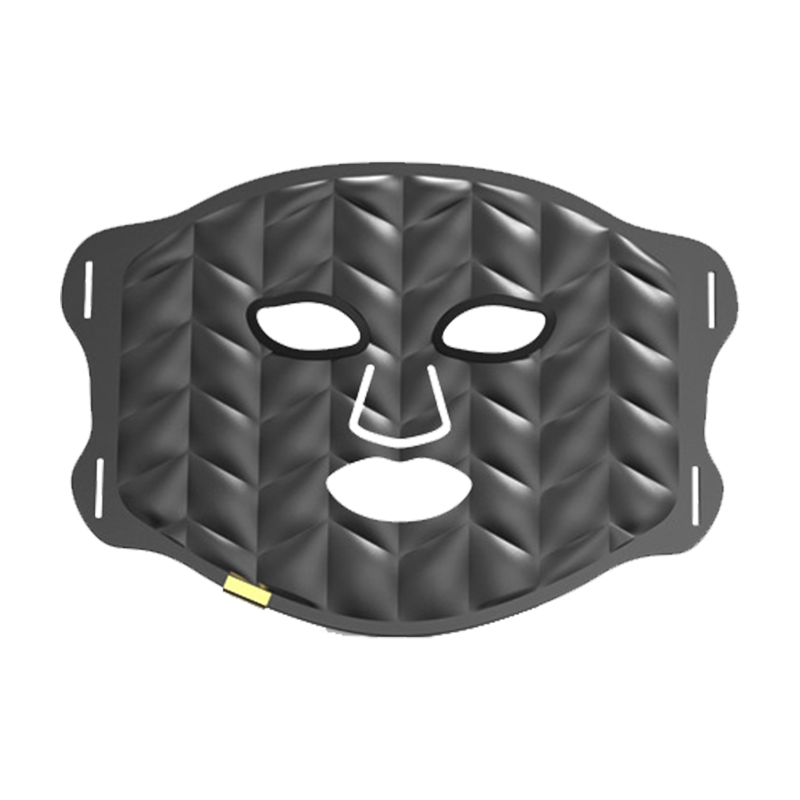
The strongest caution tends to appear around the eyes. Light reaching the retina without the intended protection is the scenario clinicians most want to avoid, particularly with home devices that users operate alone and with face masks that sit close to the eyelids.
Skin history is the second area. Anyone with a history of skin cancer, a pre-cancerous lesion, or a condition being treated by a dermatologist should raise the question before using a bed rather than after. A device that warms and illuminates a large area of skin is not a neutral intervention for someone under active surveillance.
Medication is the third. Some drugs increase sensitivity to light, and that interaction is not visible on a device label. Pregnancy and breastfeeding questions belong in the same conversation, as do recent laser treatment, peels, and injectables, because the skin’s response during a healing window is different.
Children and teenagers are a further consideration. A home bed sized for an adult, used without supervision, is a different risk profile from a clinic device operated by a trained professional. Finalmente, clinicians are consistently cautious about devices sold with cure-like claims and no technical documentation, because there is no way to verify what the user is actually exposed to.
Why dose and documentation matter to clinicians
A clinician cannot evaluate a session described as “about fifteen minutes of red light.” Wavelength, irradiancia, distancia, área de tratamiento, and the number of sessions all shape the exposure, and a change in any one of them changes the dose. That is why the first question from a careful professional is usually about the device rather than the routine.
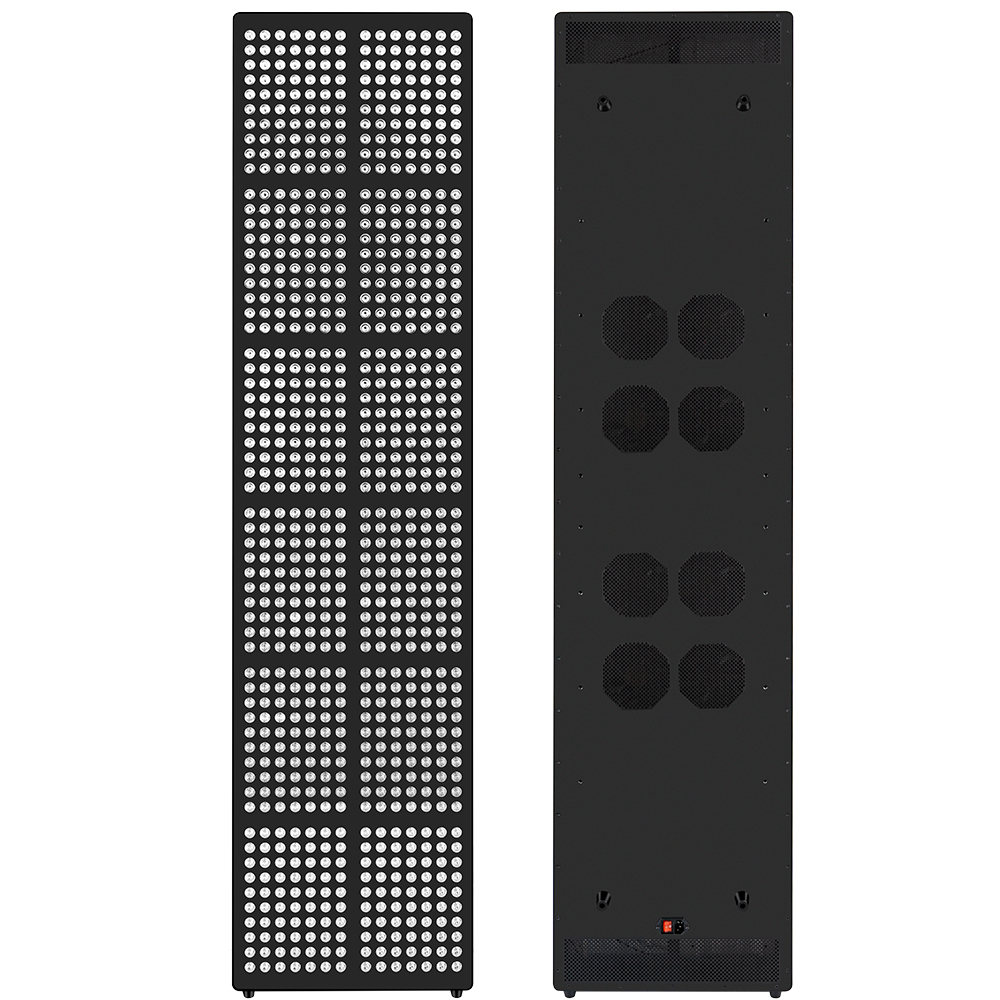
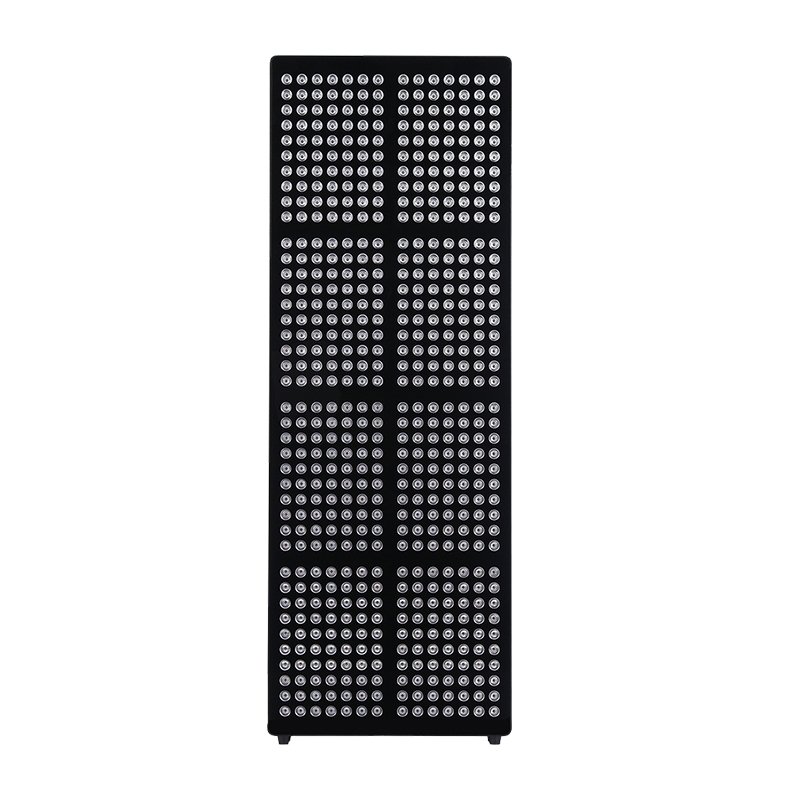
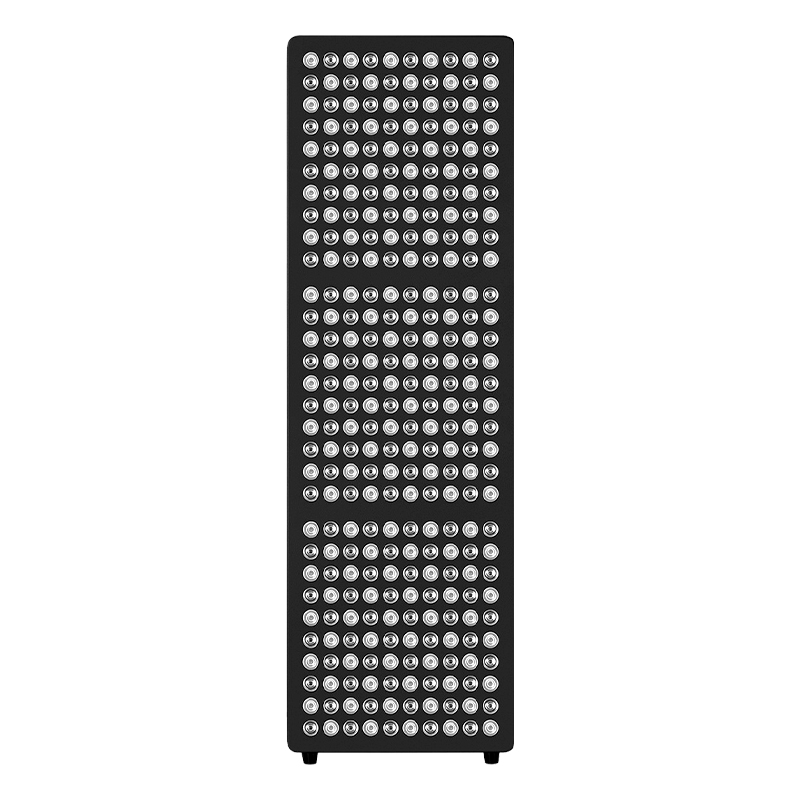
Para una cama de terapia con luz roja, the relevant details include the wavelength range, the measured irradiance and the conditions under which it was measured, the recommended distance, the timer range, and whether the system uses continuous or pulsed output. Without those, a recommendation would be guesswork.
Documentation also matters for follow-up. If a user reports redness or eye discomfort, a clinician needs to know what the exposure actually was. A bed with a clear program display and a written protocol makes that conversation possible. A bed with an ambiguous control panel does not.
This is the practical reason clinicians prefer supervised settings for anything beyond general wellness. In a clinic, the dose is set by someone trained to set it, the equipment is maintained, and the user is observed. En casa, all three of those functions fall to the user.
What a doctor will ask you
Expect questions about your goal before questions about the device. Is this about skin appearance, soreness after exercise, a specific skin condition, or general wellbeing? The answer changes what evidence is relevant and what a reasonable trial period looks like.
Expect questions about history and medication, including anything that increases light sensitivity, anything topical that is active, and any recent procedure. Bring the actual product names rather than descriptions, because “a cream from the pharmacy” is not enough to assess an interaction.
Expect questions about the device itself: what it is, what wavelengths it produces, how long a session lasts, how often you use it, and whether eye protection is supplied and worn. If you cannot answer, that is useful information in itself.
Finalmente, expect questions about what else you are doing. A bed used alongside a new retinoid, a course of treatment, or a change in sun exposure is a different picture from a bed used on its own. A short written log answers most of these questions faster than memory.
How to have a useful conversation about it
Bring documentation rather than enthusiasm. A one-page summary of the device specifications, the protocol you intend to follow, and your reason for trying it gives a clinician something concrete to respond to.
Ask specific questions. Whether a doctor supports red light therapy in general is less useful than whether they see a problem with this device, this protocol, and this goal for you. Ask what would make them advise stopping, and what signs they would want reported.
Ask about interactions rather than permission. A clinician is well placed to say whether a medication or a skin condition changes the risk. They are less well placed to comment on a device they have never examined, and a careful one will say so.
Accept a conditional answer. “Reasonable to try for eight weeks while we monitor” is a more common and more useful response than a flat yes or no. Ask what monitoring would look like and when to come back.
What this means for buying decisions
If clinical opinion is cautious and conditional, the buying decision should be too. Prioritise devices that document their output, specify the intended distance, provide eye protection, and describe maintenance and service. A red light therapy bed without those basics cannot support a protocol a clinician could review.
Be sceptical of claims that outrun the evidence. A device marketed as a cure for a condition, a replacement for an injectable, or a guaranteed fat-reduction tool is making claims that no careful clinician would endorse. Those claims are a signal about the seller, not about the technology.
Consider the setting as well. A clinic bed with trained operators and a maintenance record is a different purchase from a home device that arrives in two boxes. Neither is inherently wrong, but the support around them differs, and that support is part of what you are paying for.
Finalmente, decide in advance how you will judge the purchase. A defined goal, a defined trial period, and a defined way of measuring change turn an expensive experiment into a reviewable decision.
Reasonable expectations and monitoring
Most clinicians who support a trial will describe it in weeks rather than days. Skin appearance and recovery comfort change slowly, and early impressions are strongly influenced by lighting, hidratación, and how the session felt at the time.
Set a baseline before the first session: photographs under consistent light, a note about the specific concern, and a record of anything else that might change. Then hold the protocol steady long enough to judge it rather than changing several variables in the first fortnight.
Monitor for adverse effects as carefully as for benefits. Redness that persists, ternura, sequedad, malestar en los ojos, dolor de cabeza, or nausea are all reasons to pause and report rather than to continue and hope. A written log makes those patterns visible.
Agree a stop rule in advance. If there is no meaningful change by the review date, or if any concerning sign appears, stop and reassess rather than extending the protocol. That rule protects both your skin and your judgement about the device.
Questions to ask before you start
| Pregunta | Por qué es importante |
|---|---|
| What exactly am I trying to change? | A specific goal can be measured; a vague one cannot |
| Does my medication or skin history change the risk? | Photosensitivity and active conditions alter suitability |
| What are the device’s wavelength, irradiancia, y distancia? | Dose cannot be assessed without them |
| Who set the protocol, and what is it based on? | Marketing copy is not a clinical protocol |
| Is eye protection supplied and correctly fitted? | Face exposure occurs even in body programs |
| What signs should make me stop and call someone? | A stop rule prevents prolonged overuse |
| How long before we judge whether it worked? | Prevents endless extension without review |
| What maintenance does the device need? | Output and safety depend on servicing |
Regla practica: A doctor’s support for red light therapy is usually conditional. Ask what the conditions are for your case, write them down, and treat them as the protocol rather than as an obstacle.
Comida final para llevar
Doctors generally describe red light therapy as promising and low risk for some uses while insisting it is not a miracle cure. That position is cautious rather than dismissive, and it is consistent across the specialties that see the technology most often.
What clinicians want before they support a trial is unglamorous: a defined goal, a documented device, a stated protocol, protected eyes, a check on medication and skin history, and a plan for reviewing the result. A red light therapy bed that cannot supply those details makes the conversation harder than it needs to be.
If you are considering one, bring the specifications to your clinician, ask what would make them advise stopping, and set a review date before you begin. Use the device as documented, record what happens, and treat any persistent redness, eye symptom, or feeling of illness as a reason to pause rather than to push on.