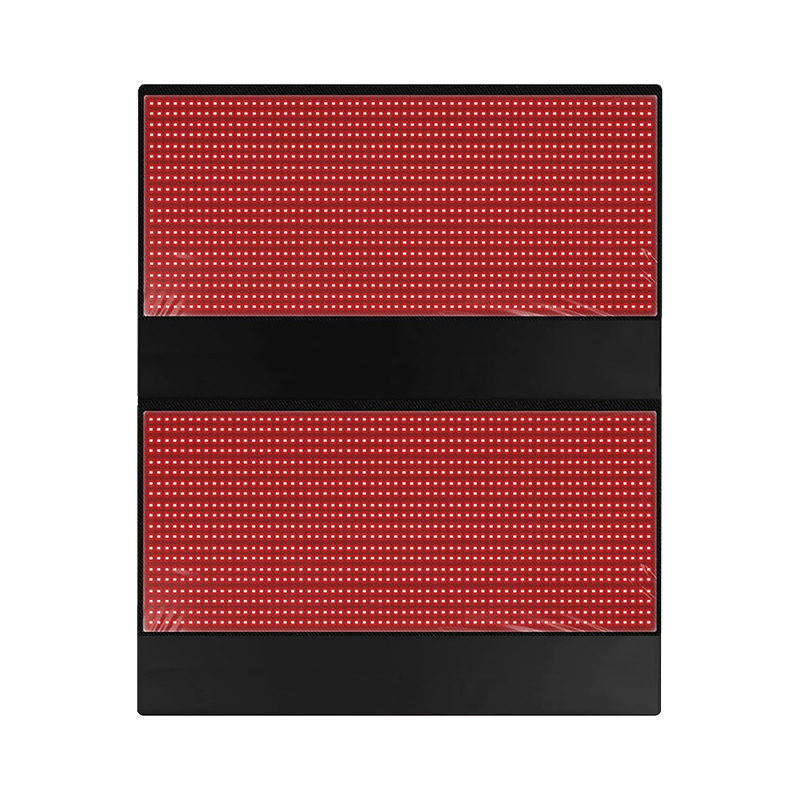
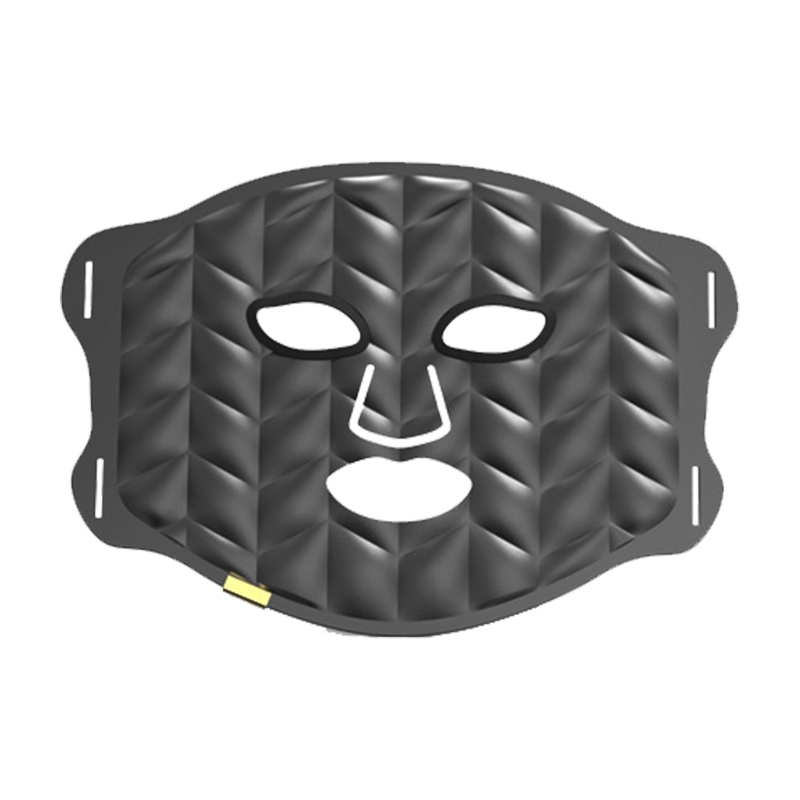
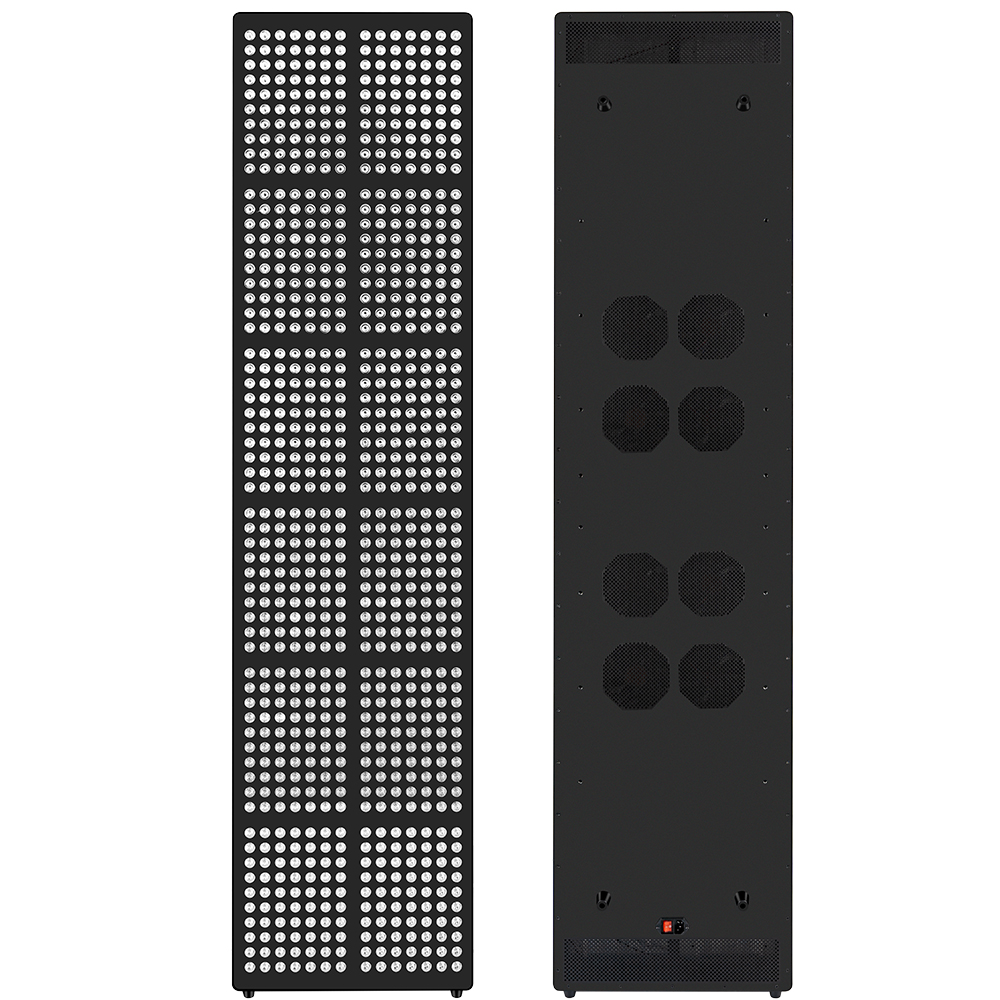
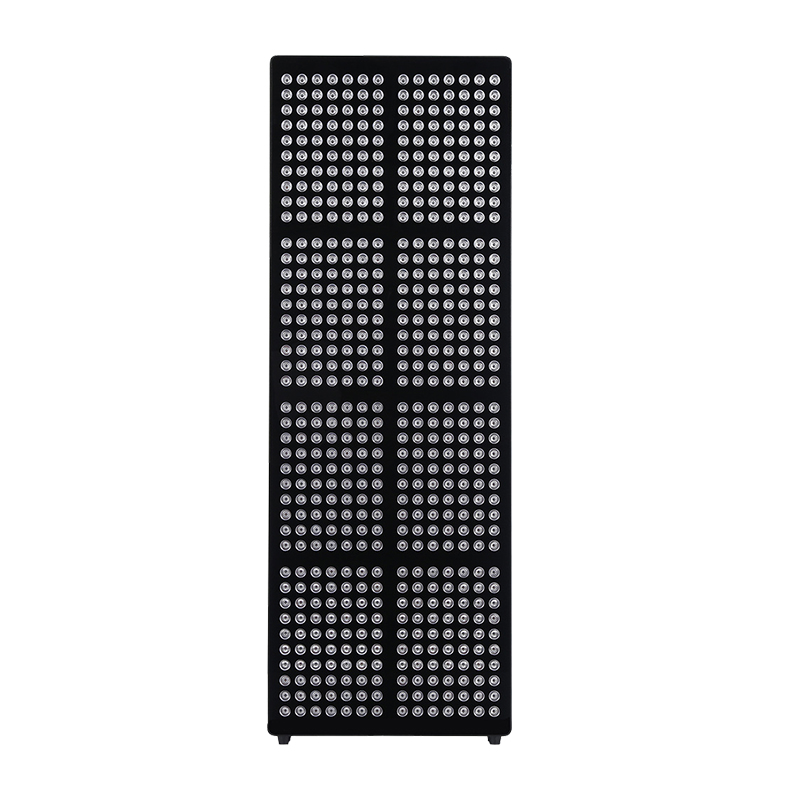
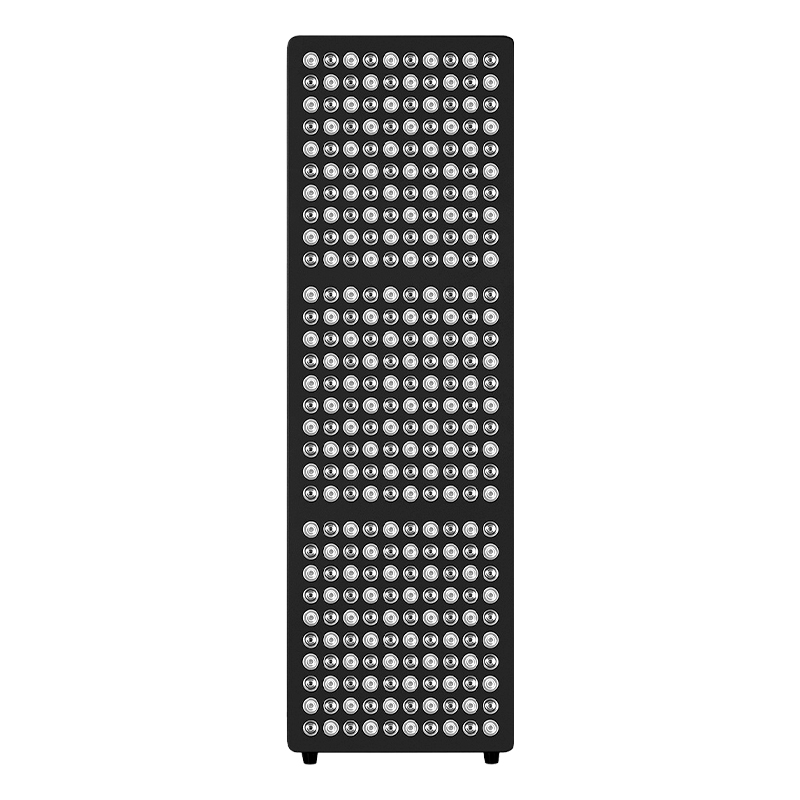
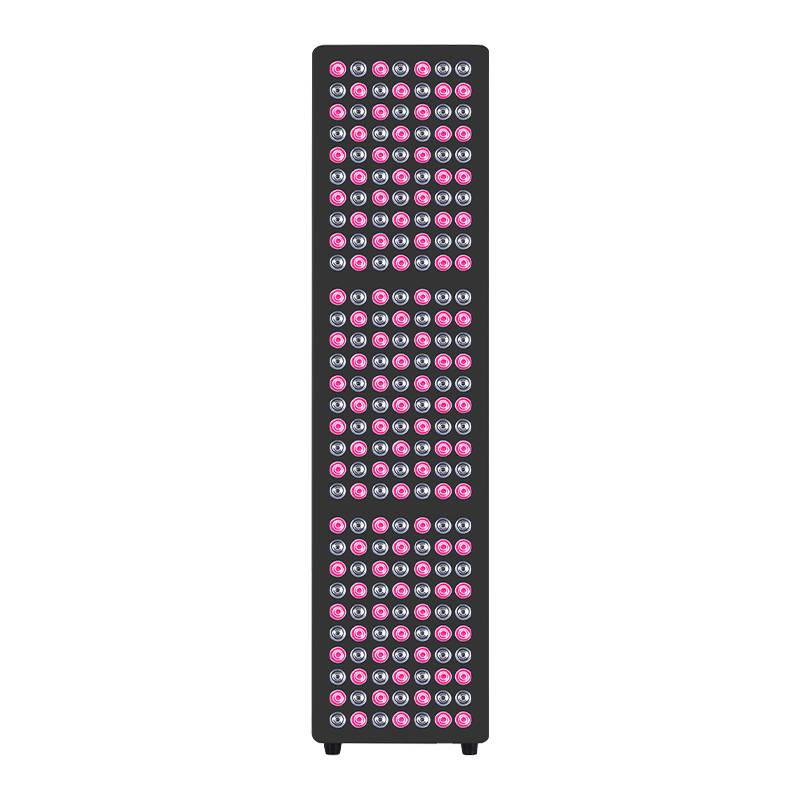
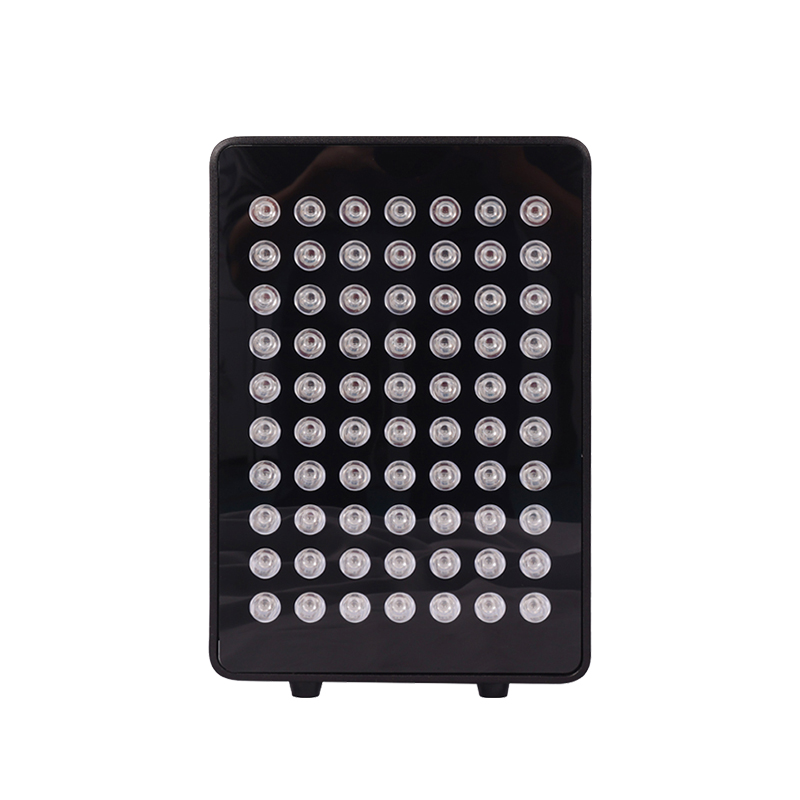
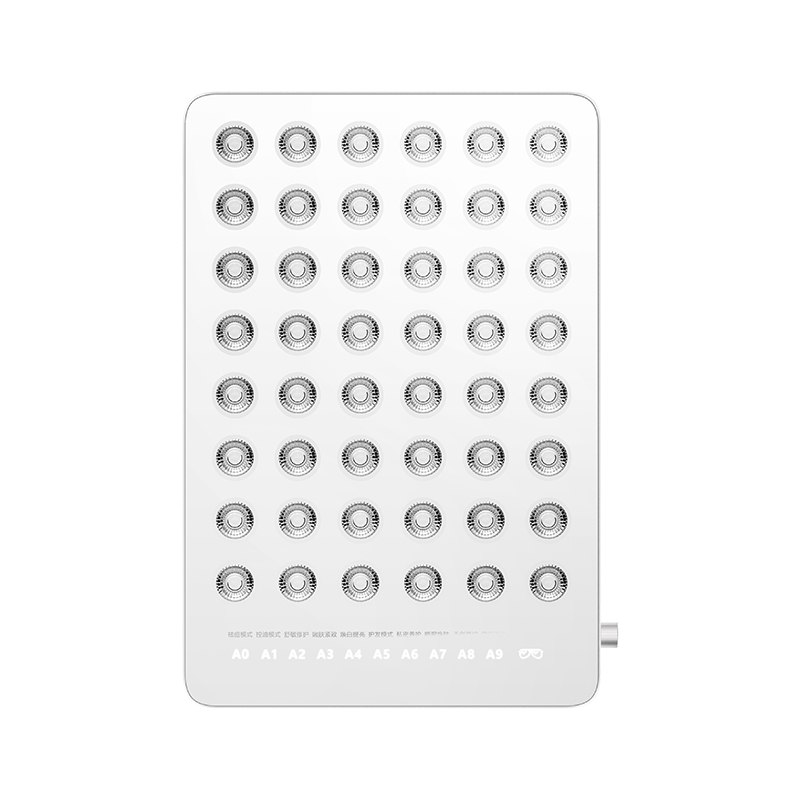
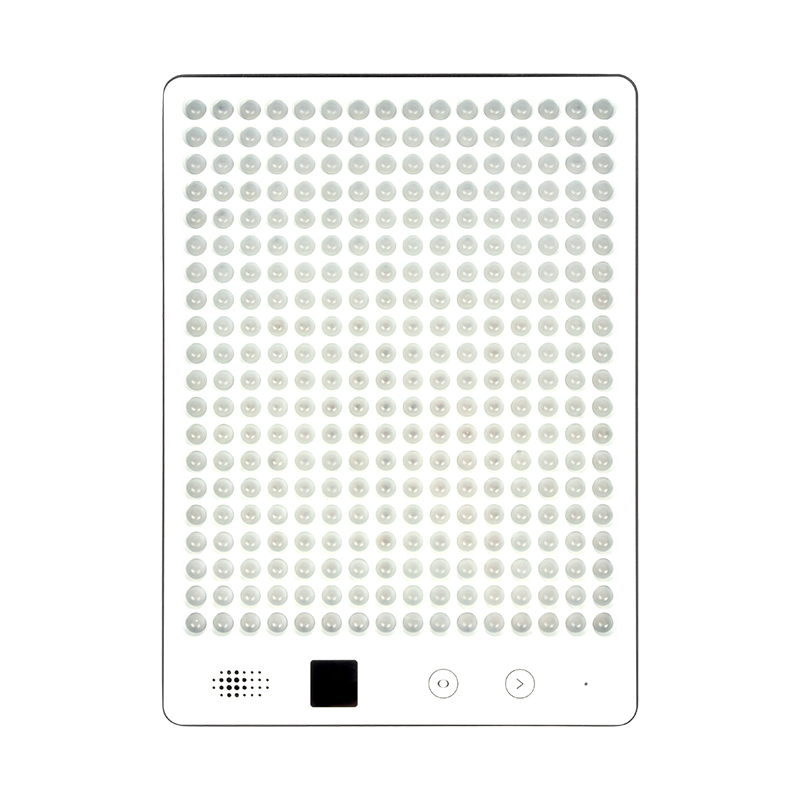
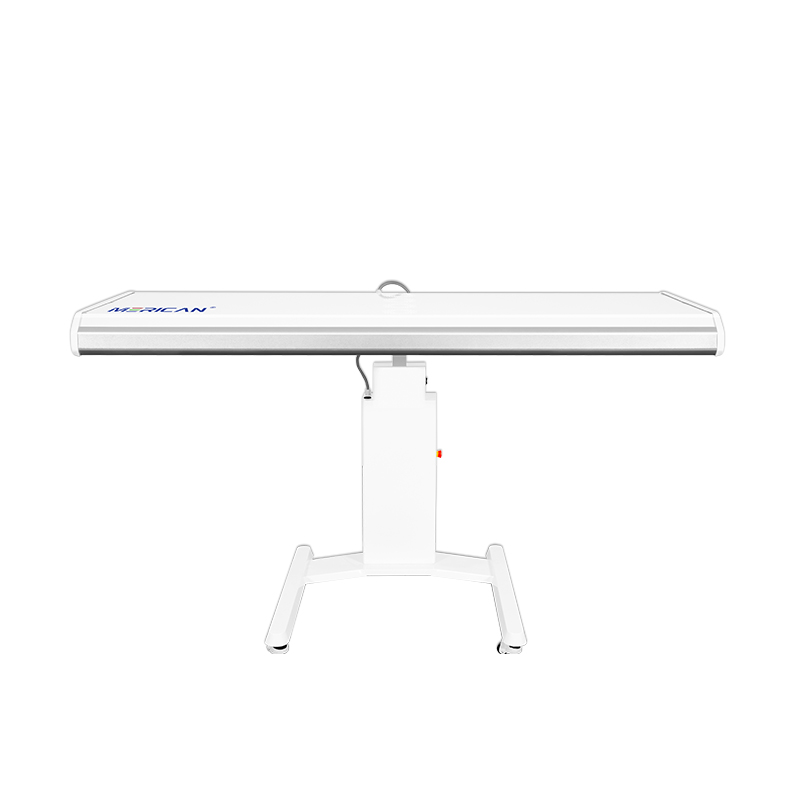
El daño a la barrera cutánea no sólo provoca deshidratación, sequedad y picazón, pero también tiende a inducir una variedad de problemas de la piel, como piel sensible., acné, dermatitis y psoriasis, etc.. Además de medicamentos sistémicos y tópicos., Terapia de luz roja LED, que tiene las ventajas de ser no invasivo, sin dolor, y sin periodo de recuperación, es bastante popular en el Departamento de Dermatología.
Estudios clínicos anteriores han descubierto que la irradiación con luz roja puede reducir la tasa de pérdida transdérmica de agua de la piel., aumentar la hidratación del estrato córneo, inhibir la formación de melanina, y mantener la alineación estrecha de las fibras de colágeno, lo que a su vez mejora significativamente la apariencia de la piel y la función de barrera cutánea.
¿Cómo repara la luz roja la barrera de la piel??
La exposición a la luz roja reduce la pérdida de agua transdérmica
La investigación muestra que la irradiación con luz roja puede promover la proliferación y diferenciación de los queratinocitos, haciendo que las células del estrato córneo estén más estrechamente dispuestas, y al mismo tiempo estimular la síntesis de lípidos intercelulares., como las ceramidas, ácidos grasos, etc.. Estos lípidos pueden llenarse entre las células para formar una capa continua., película lipídica hidrófoba. Estos lípidos pueden llenar las células del estrato córneo., formando un continuo, película lipídica hidrófoba, como si la piel se pusiera una capa de “ropa impermeable”, Previniendo eficazmente la difusión del agua desde la piel al ambiente externo., para reducir la pérdida de agua transdérmica.
En el estudio para población de piel sensible, la tasa de pérdida de agua transdérmica antes de la irradiación, inmediatamente después de la irradiación, y 1 hora después de la irradiación mostró una tendencia decreciente gradual a medida que aumentaba el número de días de irradiación. Los resultados sugieren que 640 La luz roja nm ayuda a proteger la integridad de la barrera cutánea., reducir la pérdida de agua, y mantener la piel hidratada.
La irradiación de luz roja puede mantener la hidratación del estrato córneo.
Estudios relevantes han señalado que la luz roja actúa sobre las mitocondrias de las células de la piel., Activando una serie de reacciones metabólicas dentro de las células., mejorar la actividad y función de las células, permitiéndoles sintetizar y secretar factores hidratantes naturales de forma más eficaz, como el ácido hialurónico, lactato, urea, etc.. Estas sustancias pueden absorber agua de la dermis y del ambiente externo., manteniendo así un mayor nivel de contenido de agua e hidratación..
Vale la pena mencionar que el cuidado hidratante adecuado y eficaz de la piel después de la irradiación con luz roja ayuda a que la piel se recupere y mejora la condición general de la piel y el efecto general del tratamiento..
La irradiación de luz roja inhibe la formación de melanina
Varios estudios han encontrado que la irradiación con luz roja produce cambios en la expresión de moléculas de señalización relacionadas con la actividad de la tirosinasa en los melanocitos., que conduce a la inhibición de la actividad de la tirosinasa., reduciendo así la síntesis de melanina y manteniendo el estado saludable de la piel.
Al mismo tiempo, La luz roja tiene cierto efecto antioxidante., Puede promover la actividad de las enzimas antioxidantes intracelulares., como superóxido dismutasa, glutatión peroxidasa, etc., para reducir el nivel de ROS intracelular, que reduce el efecto promotor del estrés oxidativo sobre la síntesis de melanina, ayudando a reducir la acumulación de hiperpigmentación, reducir el daño inflamatorio.
La irradiación de luz roja puede promover la síntesis de nuevo colágeno
Una gran cantidad de estudios y datos clínicos han confirmado que la irradiación con luz LED roja puede promover la proliferación y migración de fibroblastos., promover la degradación de las fibras elásticas rotas y el colágeno deformado en la dermis, promoviendo así la síntesis de nuevo colágeno., haciendo que las fibras de colágeno dérmico se alineen de forma ordenada y estrecha, y la densidad aumentó significativamente, mostrando mejoría en las arrugas de la piel, firmeza, y otros efectos protectores de ralentizar el envejecimiento de la piel.
En el estudio de tratamiento para pacientes con estrías., Los resultados experimentales también mostraron que la irradiación con luz roja puede aumentar significativamente la expresión de TGF-β en fibroblastos dérmicos humanos y al mismo tiempo aumentar la expresión de genes de colágeno., que promueve la producción de colágeno y hace que las estrías desaparezcan gradualmente.
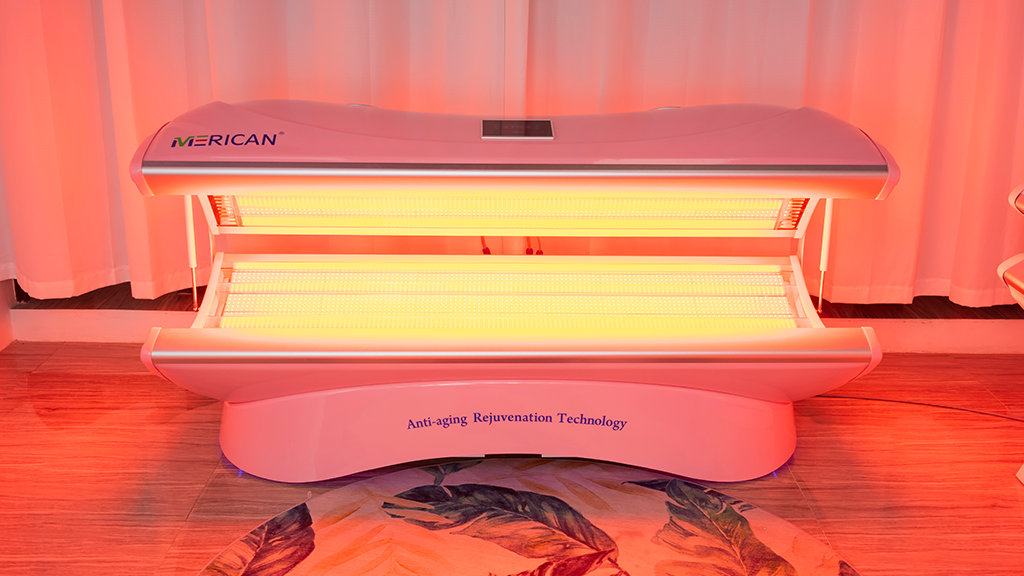
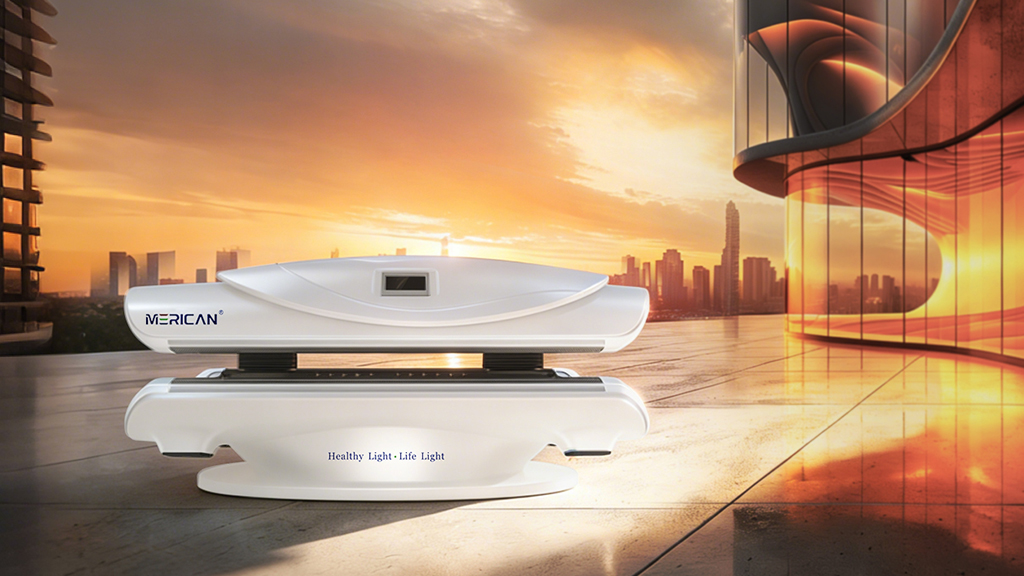
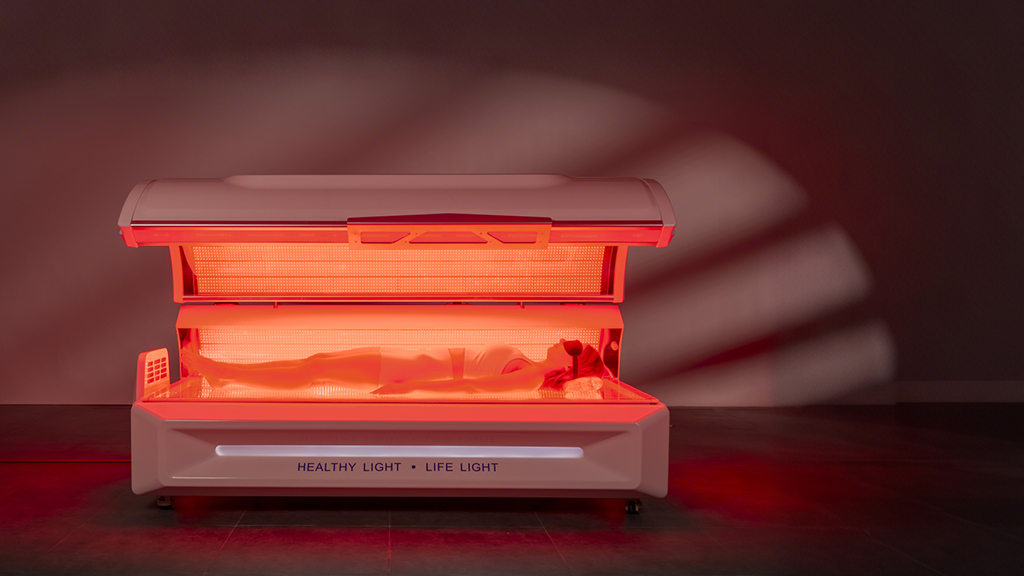
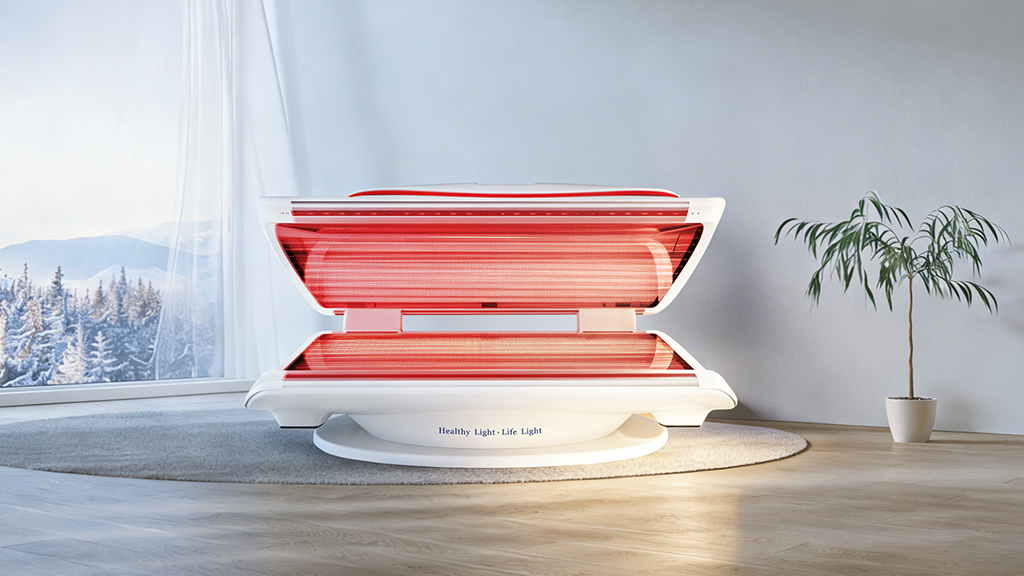
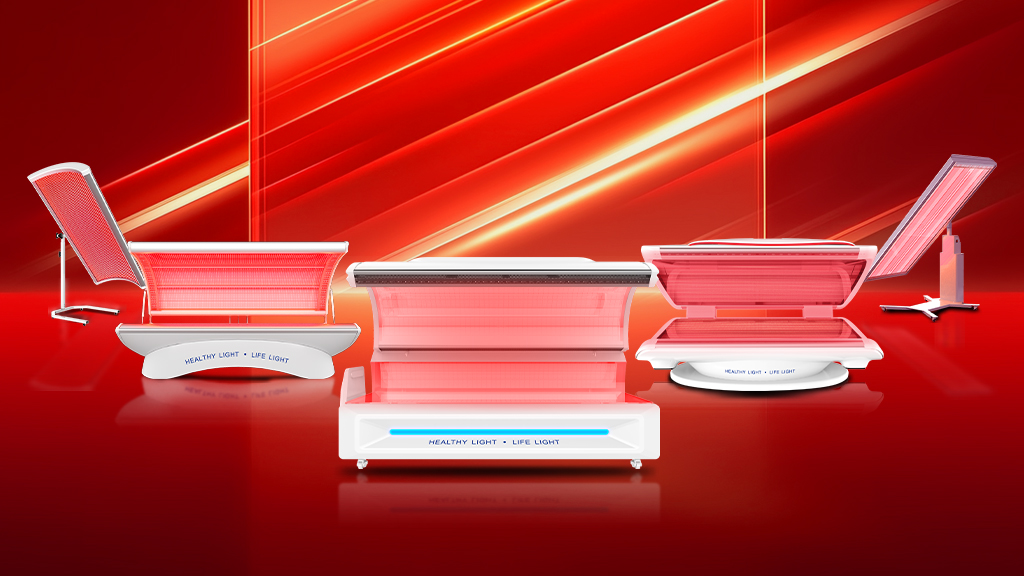
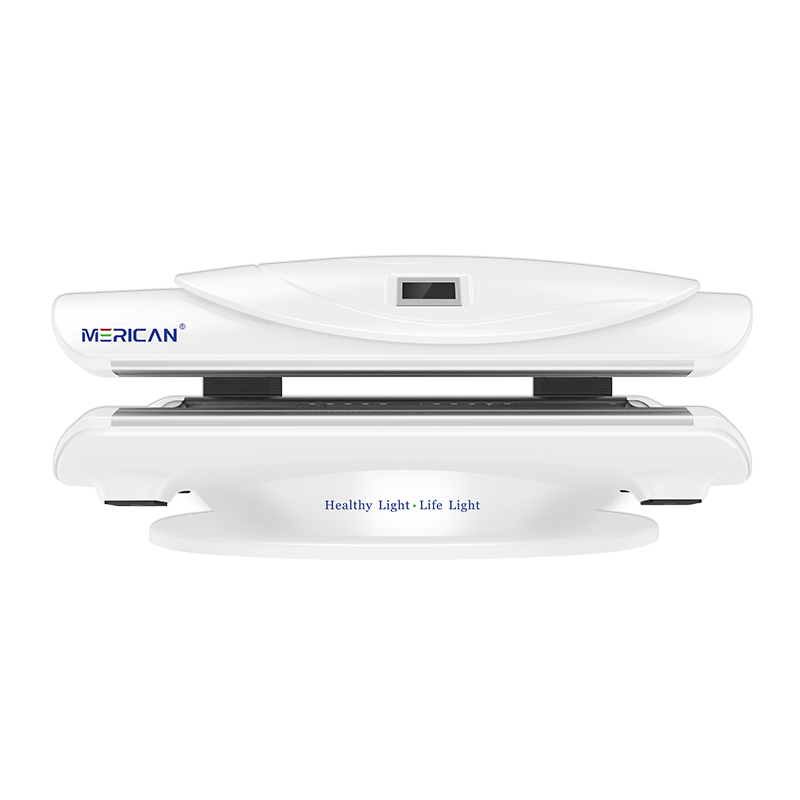
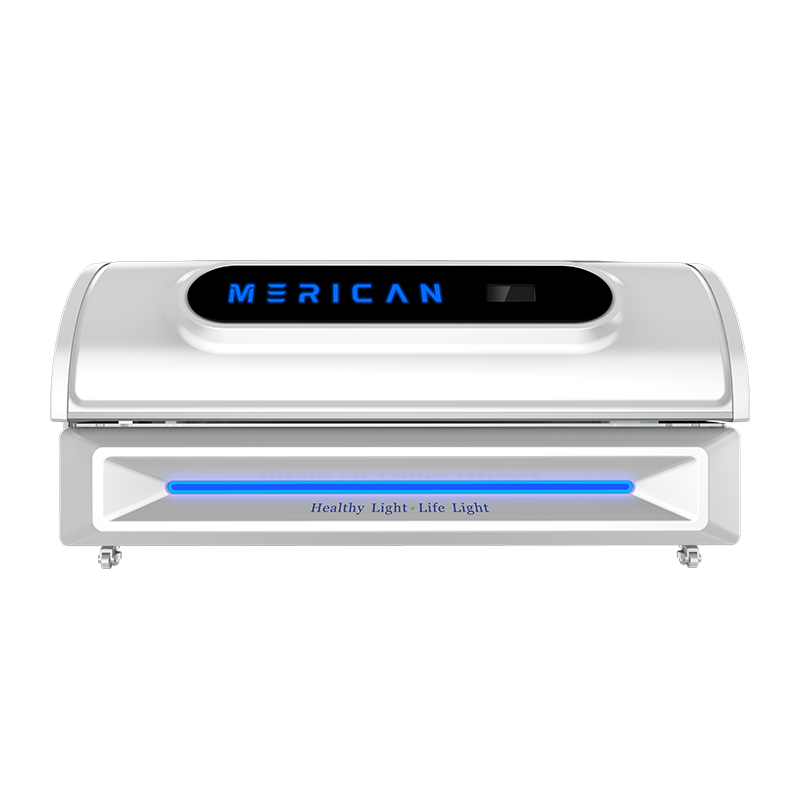
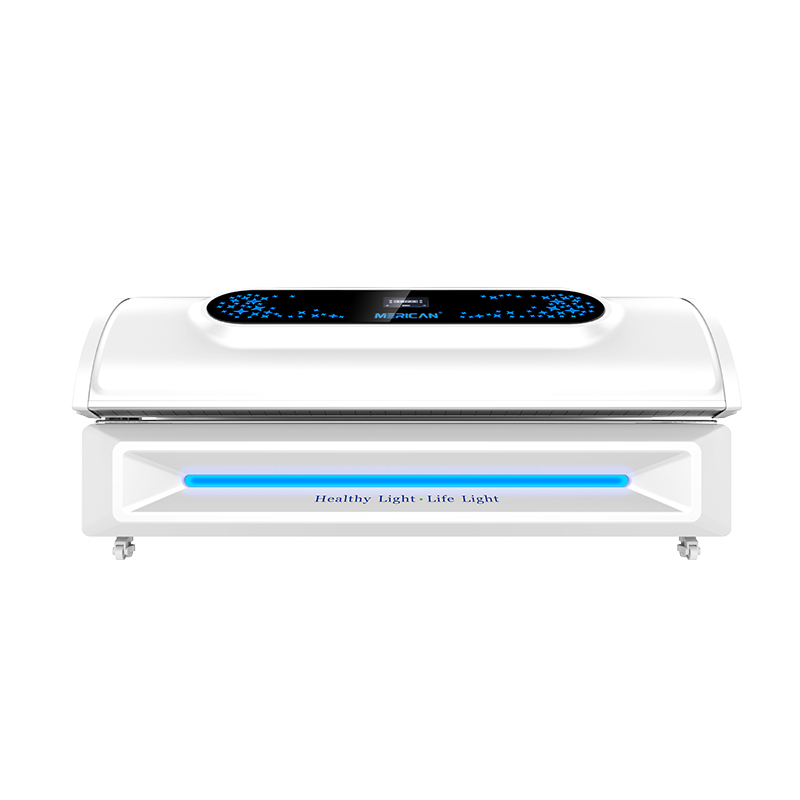
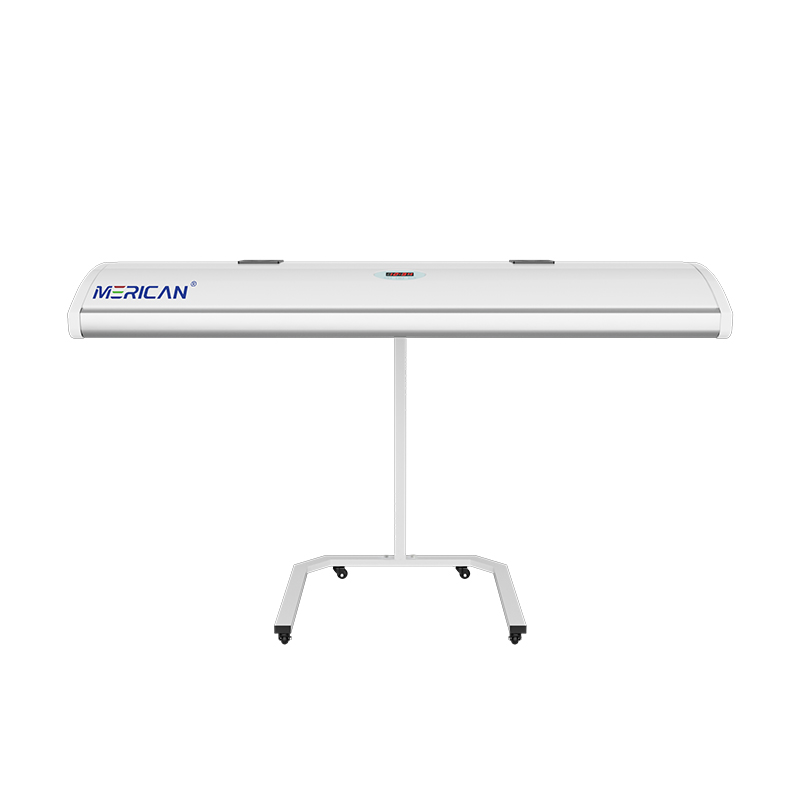
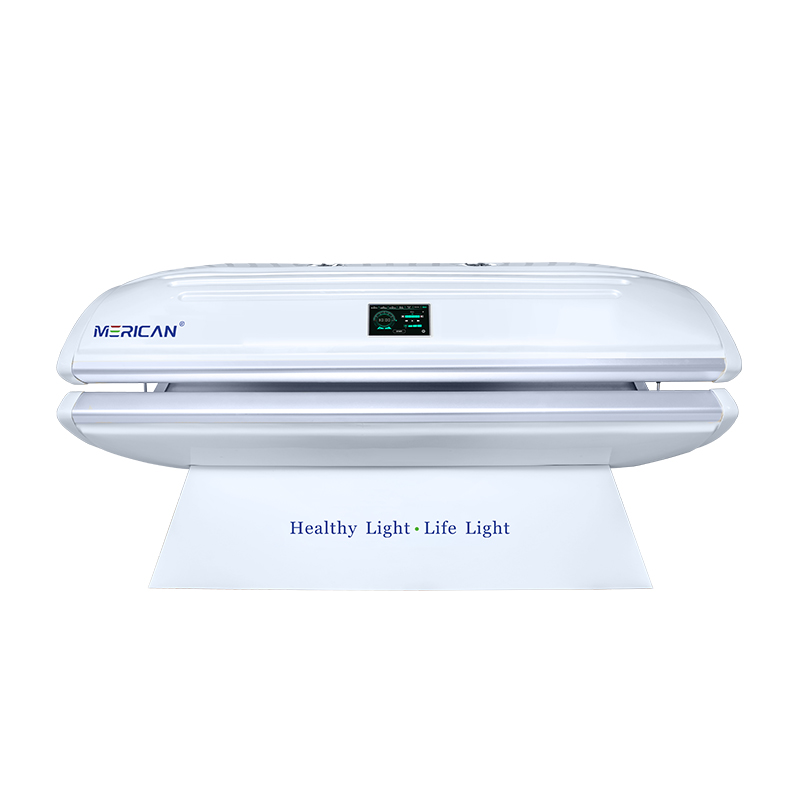
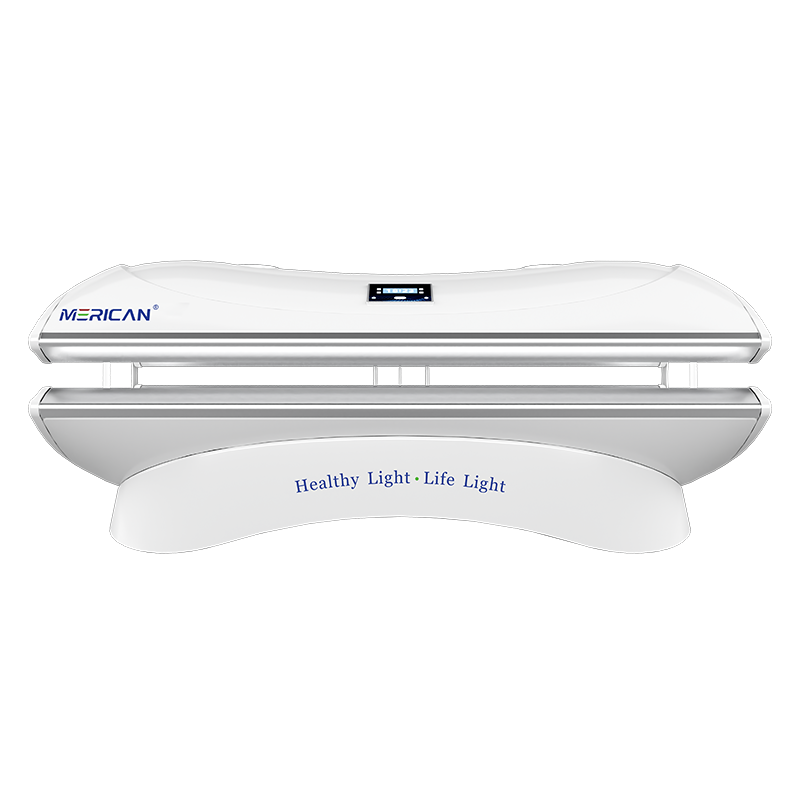
La cámara de blanqueamiento MERICAN protege la barrera cutánea.
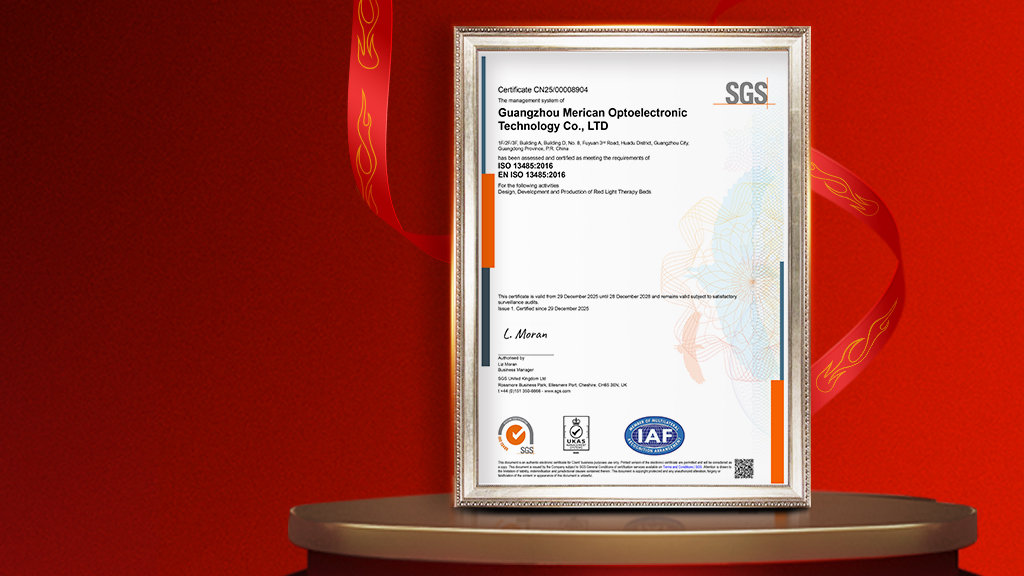
Además de lo anteriormente citado, Los estudios clínicos y los datos en varios otros campos relacionados han demostrado plenamente la seguridad y eficacia de la luz roja en la reparación de la barrera cutánea.. Más críticamente, La terapia con luz roja LED como tecnología cosmética ha sido aprobada y reconocida en EE. UU.. Administración de Alimentos y Medicamentos (FDA).
Basado en la terapia de luz roja., La cabina de blanqueamiento de tercera generación de MERICAN integra la tecnología de fuente de luz compuesta de múltiples proporciones desarrollada conjuntamente por MERICAN y el equipo alemán.. Through whole-body irradiation, it can activate the activities of mitochondria and enzymes to provide sufficient energy and material basis for the metabolism of skin cells, which can help promote collagen synthesis, reduce inflammatory damage and melanin deposition, and achieve the effect of relieving skin discomfort, whitening the skin and strengthening the skin barrier.
Damage to the skin barrier not only affects the aesthetics of the skin, but also its health. If you want to achieve beautiful, healthy skin and slow down the ageing process, you can start by protecting and repairing the skin barrier.