La neuropatía es una afección que afecta los nervios y puede causar síntomas como hormigueo., sensaciones de ardor, entumecimiento, debilidad, y dolor crónico. Muchas personas experimentan neuropatía debido a la diabetes., lesiones, mala circulacion, quimioterapia, o envejecimiento. Porque las molestias relacionadas con los nervios pueden afectar seriamente el sueño, movilidad, y calidad de vida, more people are now exploring natural wellness solutions like red light therapy.
Terapia de luz roja, también conocida como terapia de fotobiomodulación, uses specific wavelengths of red and near-infrared light to support the body’s natural recovery process. Unlike medications or invasive treatments, red light therapy is non-invasive, sin dolor, and typically requires little to no downtime. This is one reason why it has become increasingly popular in wellness clinics, physical therapy centers, e instalaciones de recuperación.
One of the biggest potential benefits of red light therapy for neuropathy is its ability to support cellular energy production. The light penetrates the skin and is absorbed by the mitochondria, often called the “powerhouse” of the cells. When mitochondrial activity improves, cells may produce more ATP energy, which is important for tissue repair and nerve function. Better cellular energy may help support damaged or stressed nerves over time.
Another important factor in neuropathy is inflammation. Chronic inflammation around nerves can contribute to discomfort, sensibilidad, y dolor. Red and near-infrared light are commonly used to help promote circulation and support the body’s natural anti-inflammatory response. Improved blood flow may help deliver oxygen and nutrients to affected areas, which can support overall recovery and comfort.
Many users report that regular red light therapy sessions help reduce sensations such as burning feet, tingling hands, or nerve-related stiffness. While results vary from person to person, consistent use is often considered important. Neuropathy usually develops over time, so gradual improvement is more common than overnight results.
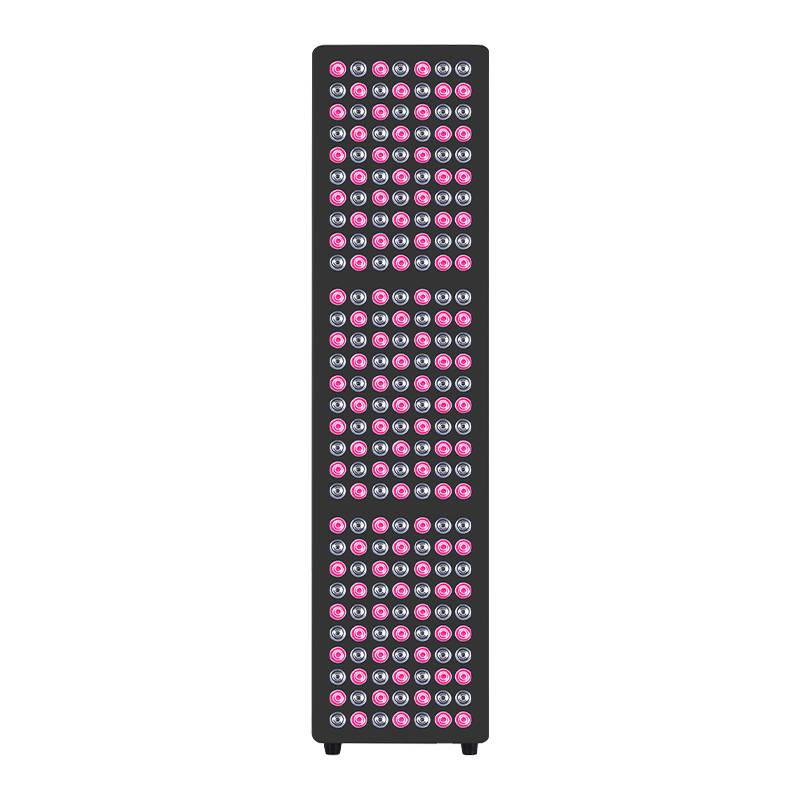
Longitudes de onda del infrarrojo cercano, such as 850nm, are especially popular for deeper tissue support because they can penetrate beneath the surface of the skin more effectively than visible light alone. Red light wavelengths like 660nm are often used to support skin health and surface circulation. Juntos, these wavelengths are widely used in professional full-body light therapy systems.
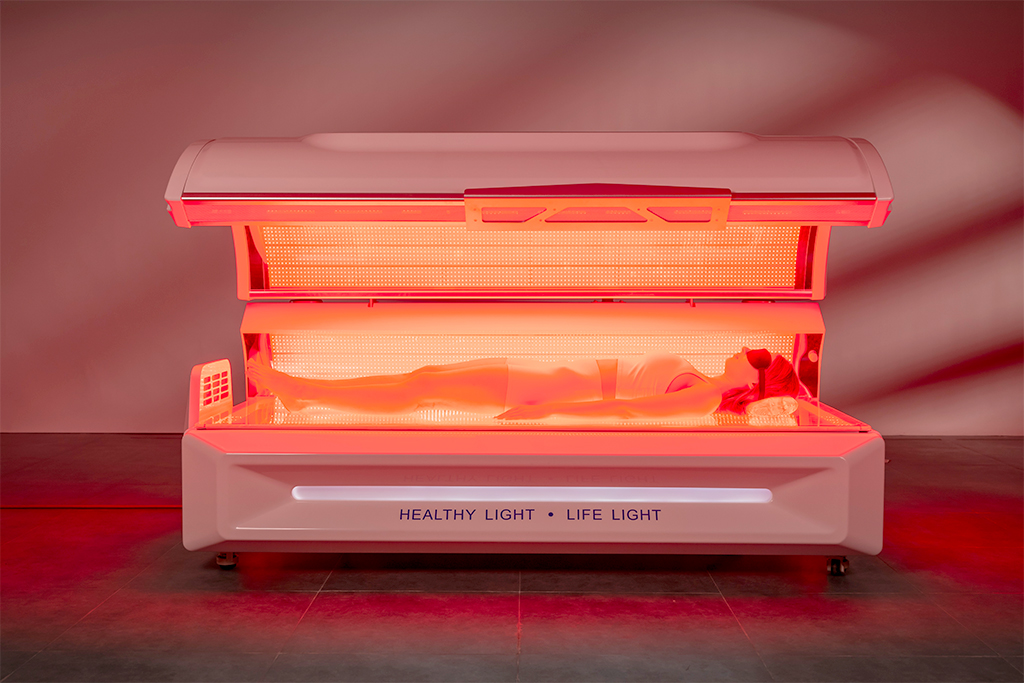
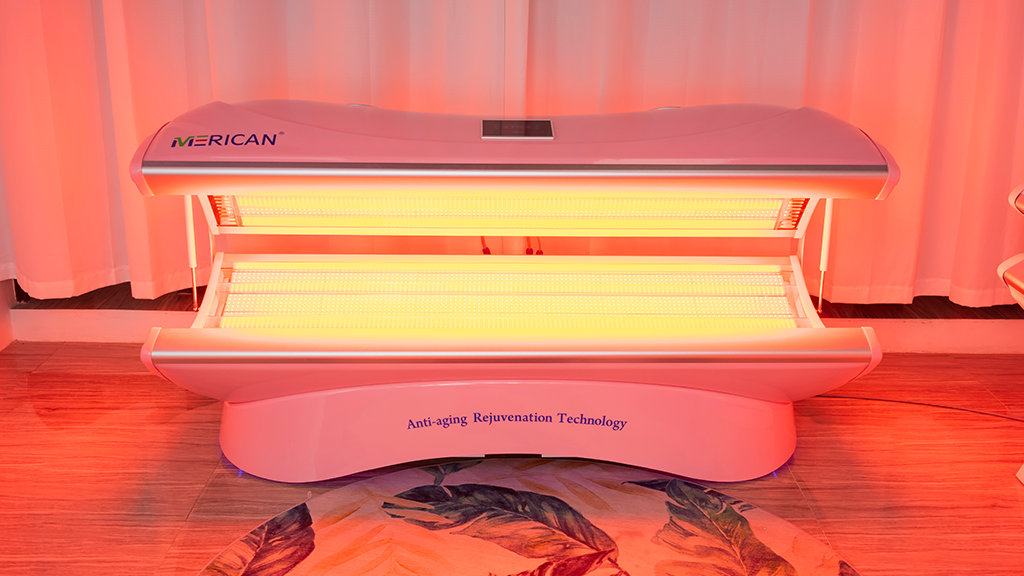
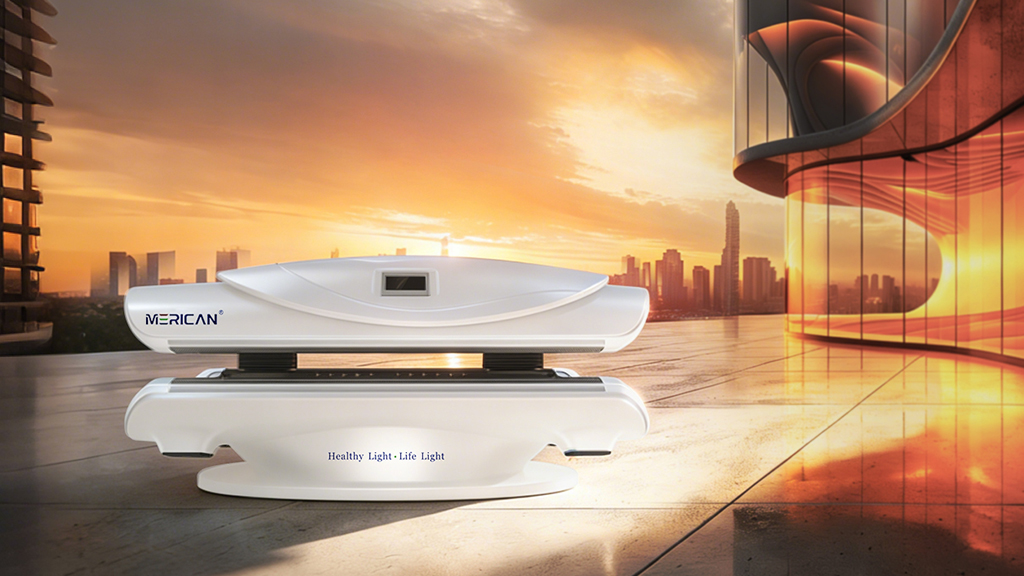
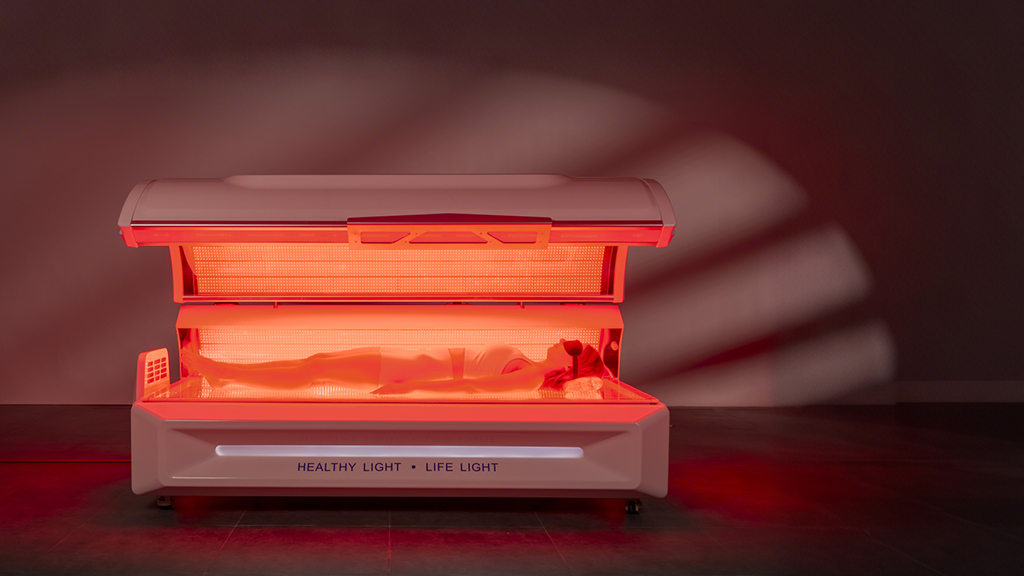
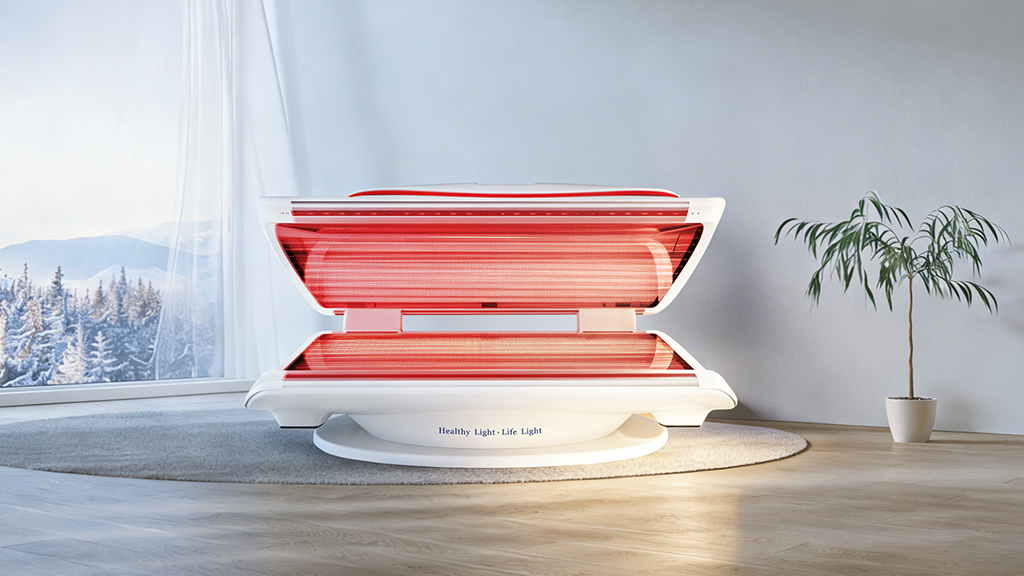
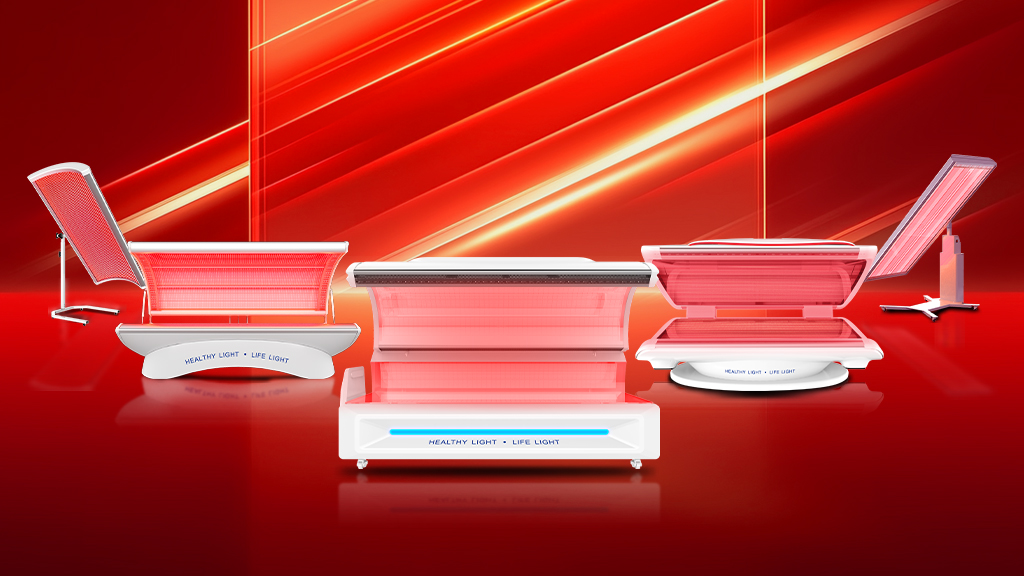
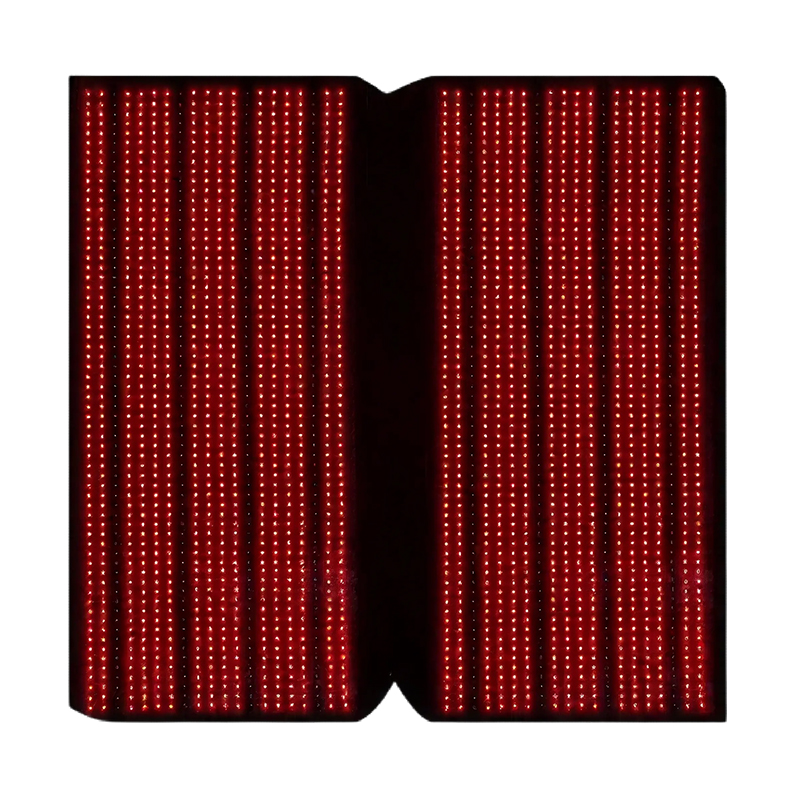
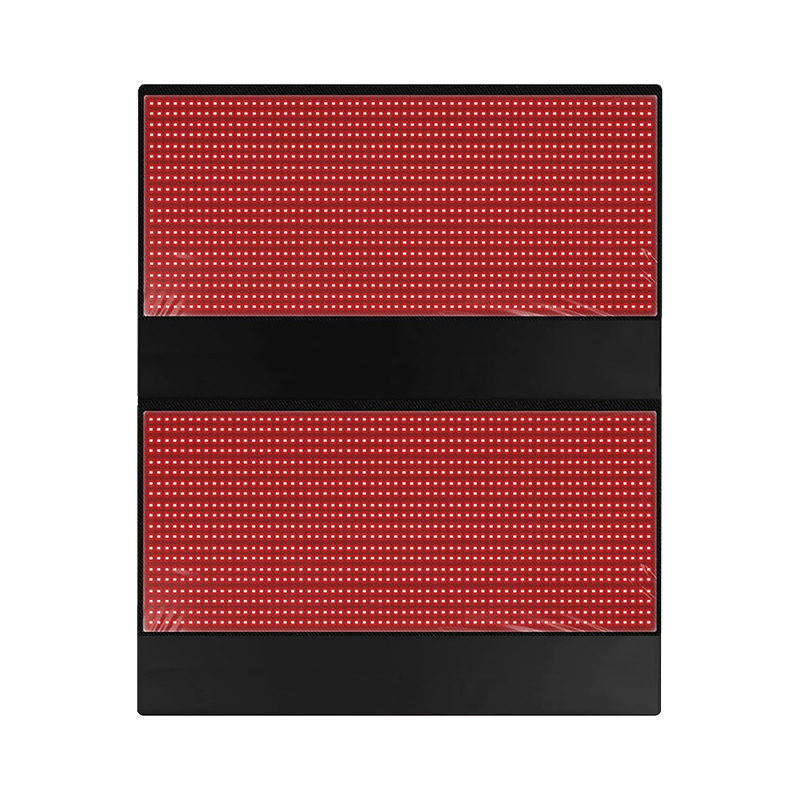
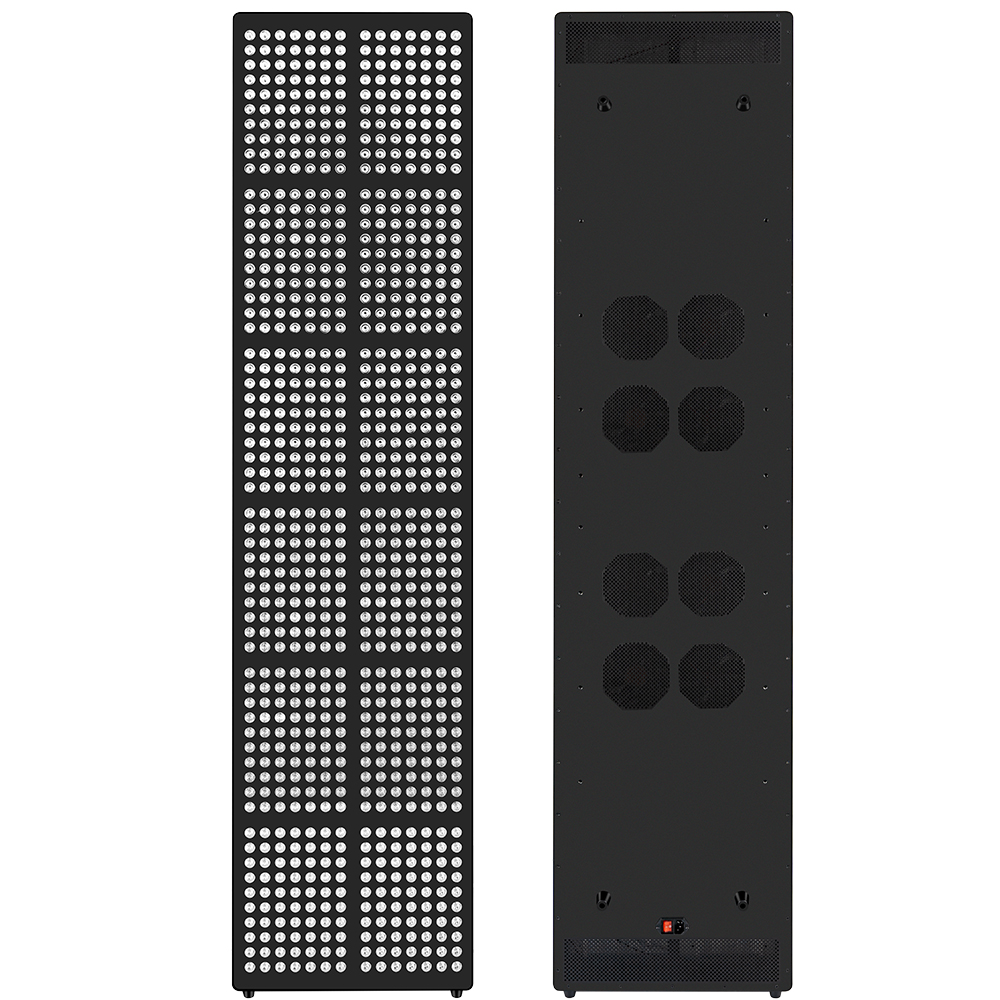
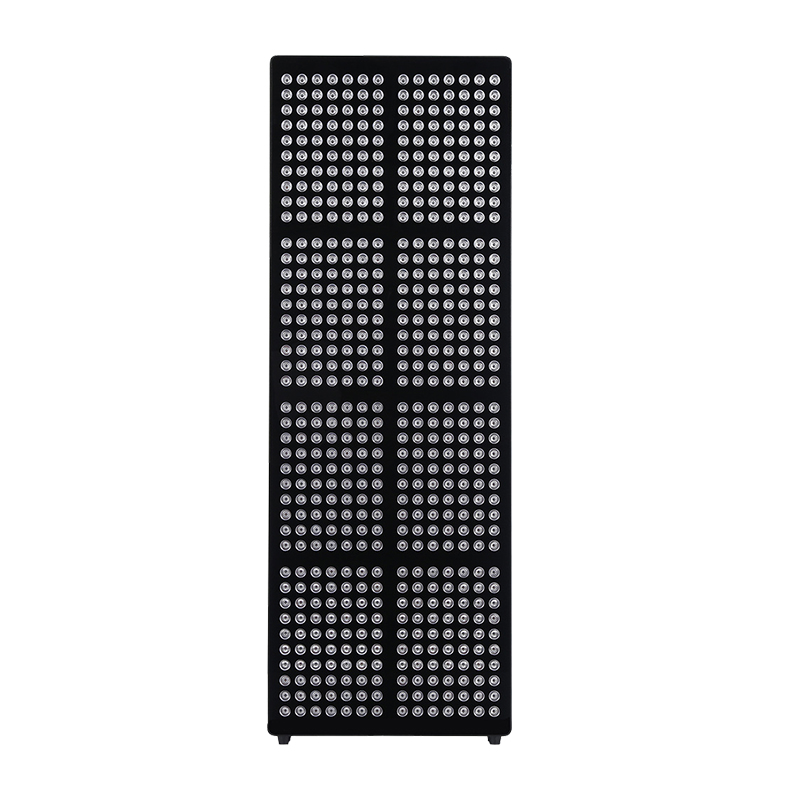
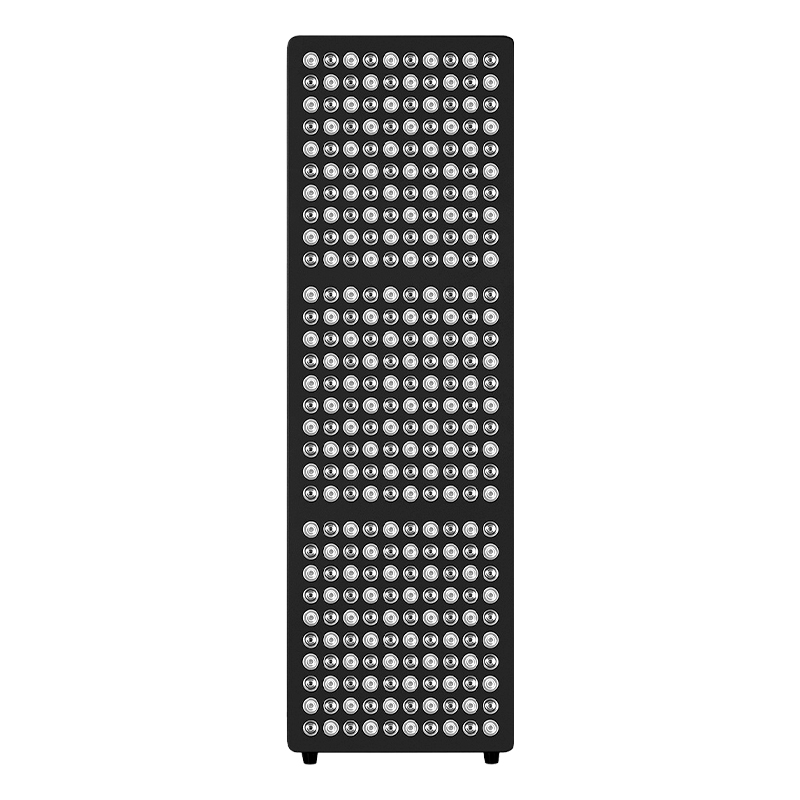
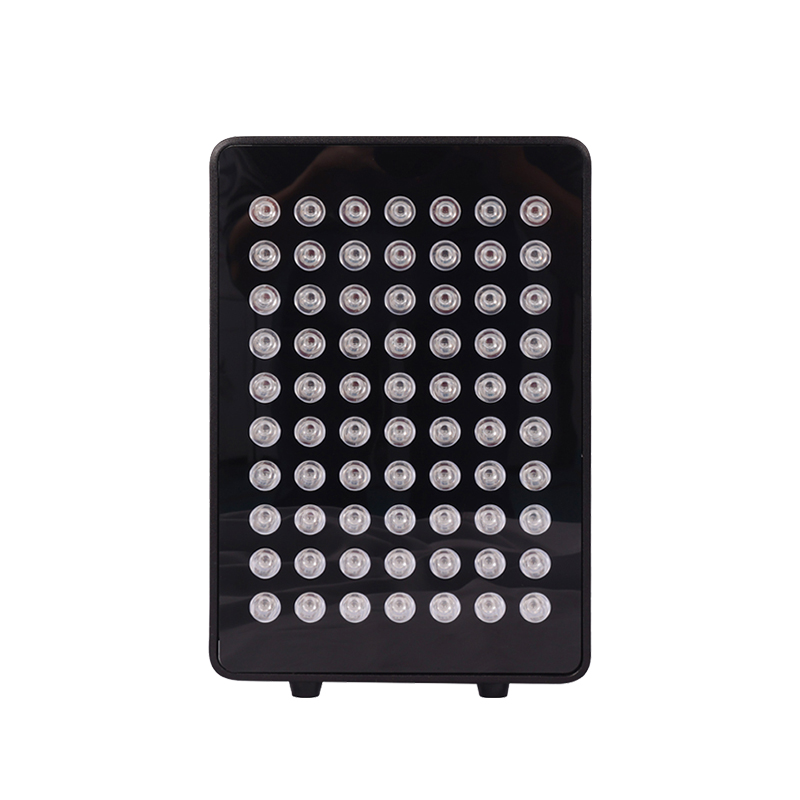
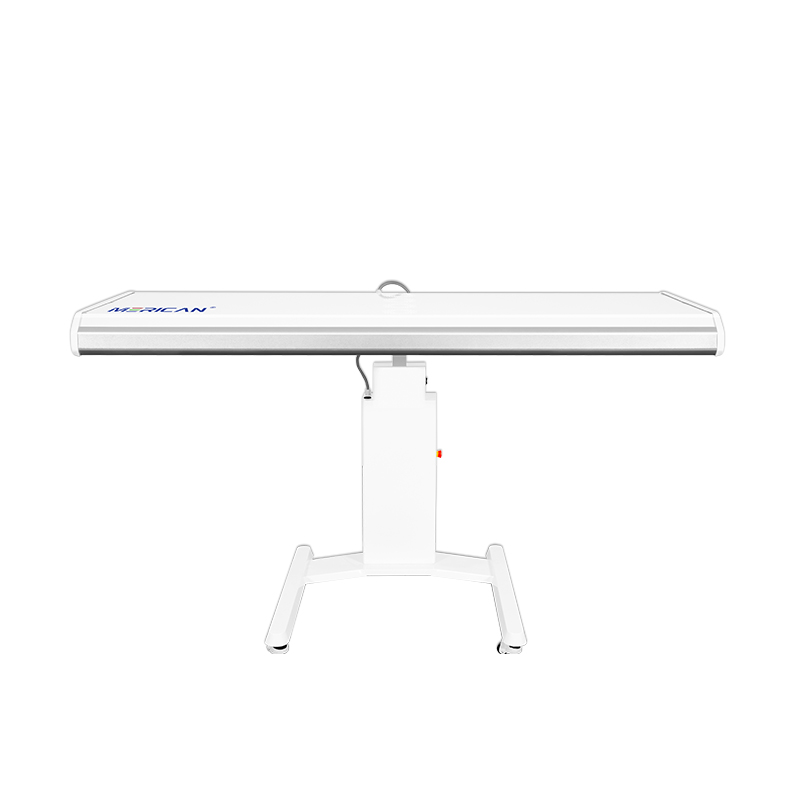
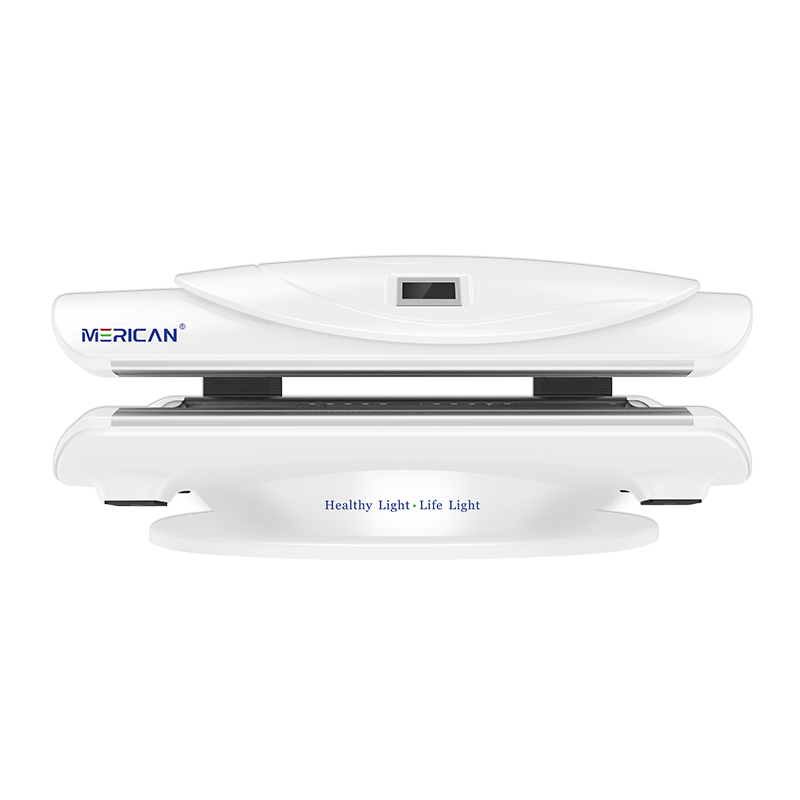
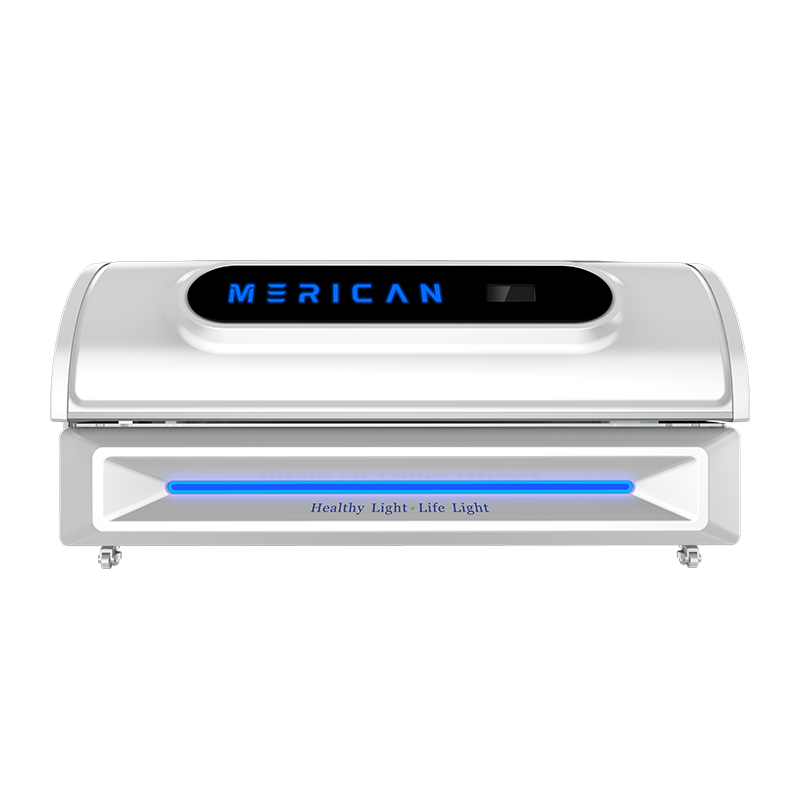
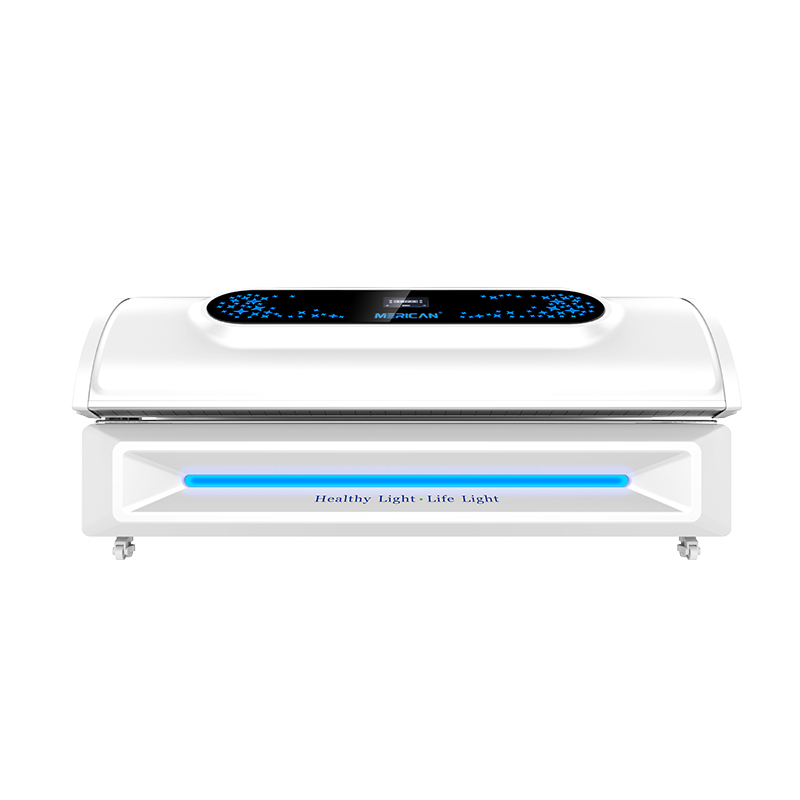
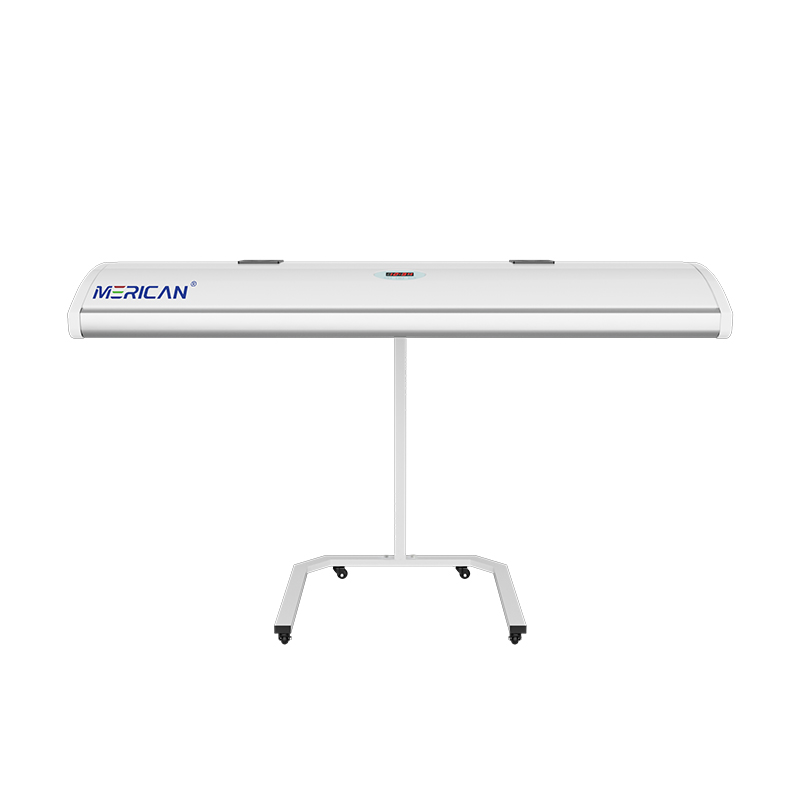
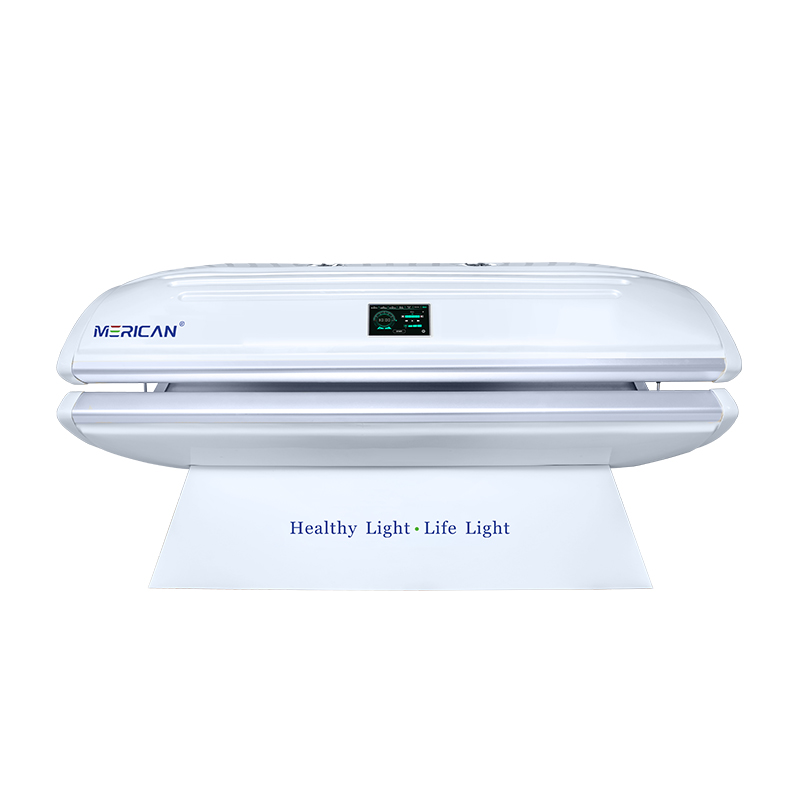
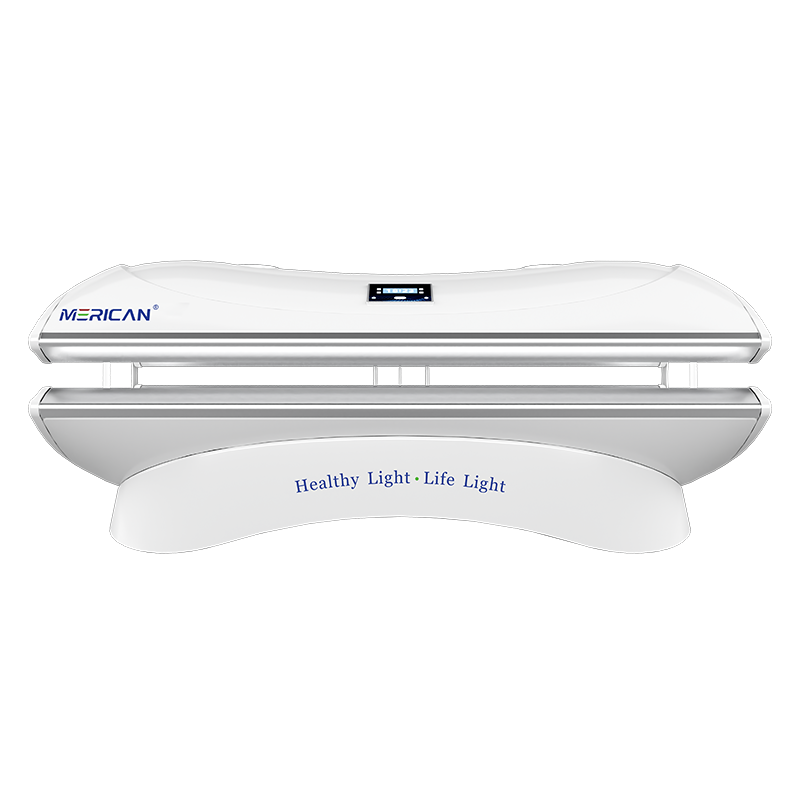
Modern wellness equipment such as MERICAN Red Light Therapy Beds combines clinically popular wavelengths with full-body coverage technology. This allows users to receive more even light exposure across larger treatment areas. Many professional systems are also designed with cooling structures, controles inteligentes, and high-energy LED configurations to create a more comfortable treatment experience.
People living with diabetic neuropathy often look for non-drug wellness solutions because long-term nerve discomfort can affect daily activities. Some users incorporate red light therapy into broader wellness routines that include stretching, nutrición saludable, fisioterapia, y apoyo a la circulación. While red light therapy is not intended to replace medical treatment, many individuals view it as a complementary recovery tool.
Another reason red light therapy has gained attention is because it does not use ultraviolet radiation. A diferencia del equipo de bronceado, red light therapy focuses on low-level light wavelengths associated with recovery and wellness support. Sessions are generally relaxing, and many users report improvements not only in discomfort levels but also in sleep quality and muscle relaxation.
Consistency is important when using red light therapy for neuropathy support. Many wellness professionals recommend starting with several sessions per week over a period of weeks before evaluating results. Session length and frequency may vary depending on the device power, treatment area, and individual condition.
Although research on red light therapy continues to grow, many people are attracted to its non-invasive nature and broad wellness applications. From circulation support to muscle recovery and nerve comfort, red light therapy has become a promising option for those seeking additional ways to manage neuropathy symptoms naturally.
En general, red light therapy may offer multiple wellness benefits for people dealing with neuropathy, especially when used consistently with high-quality equipment. As more individuals search for drug-free recovery technologies, professional red light therapy systems continue to play an expanding role in modern wellness and rehabilitation environments.