Vivre avec une sciatique peut rendre les activités quotidiennes telles que la marche, séance, ou dormir – douloureux et épuisant. De nombreuses personnes recherchent des alternatives non invasives aux médicaments et aux injections., conduisant à un intérêt croissant pour la thérapie par la lumière rouge.
Why People With Sciatica Try Red Light Therapy
Red light therapy is appealing because it:
Is non-invasive and drug-free
Can be used regularly with minimal risk
Targets pain at the tissue and cellular level
Fits into home care or clinic-based routines
It is often combined with stretching, posture correction, et physiothérapie.
How to Use Red Light Therapy for Sciatica (Soins de soutien)
Zones cibles
Lombes (lumbar region)
Gluteal muscles
Back of the thigh along the sciatic nerve pathway
Directives d'utilisation typiques
10–20 minutes par session
3–5 séances par semaine
Adjust positioning to avoid direct pressure on painful areas
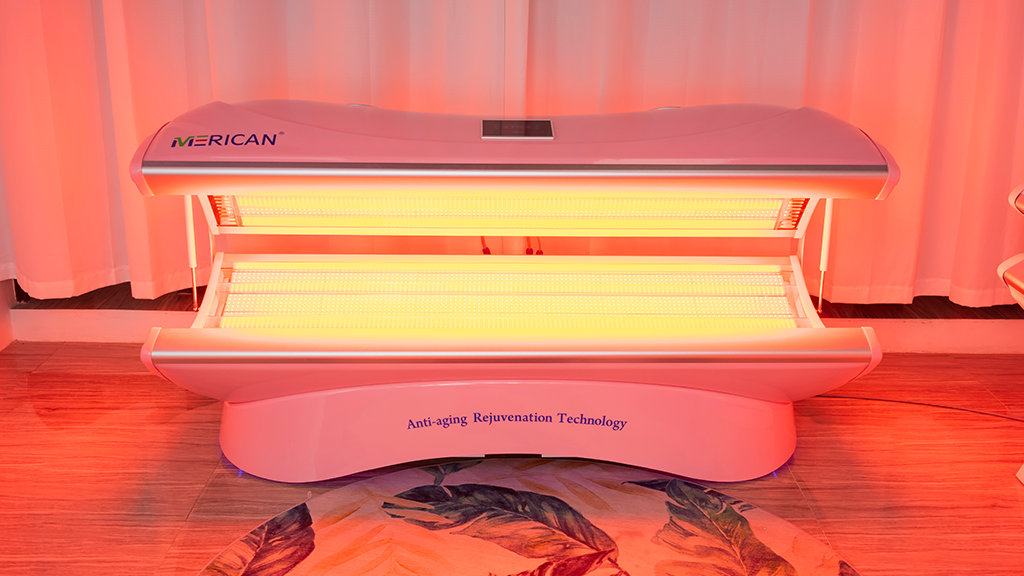
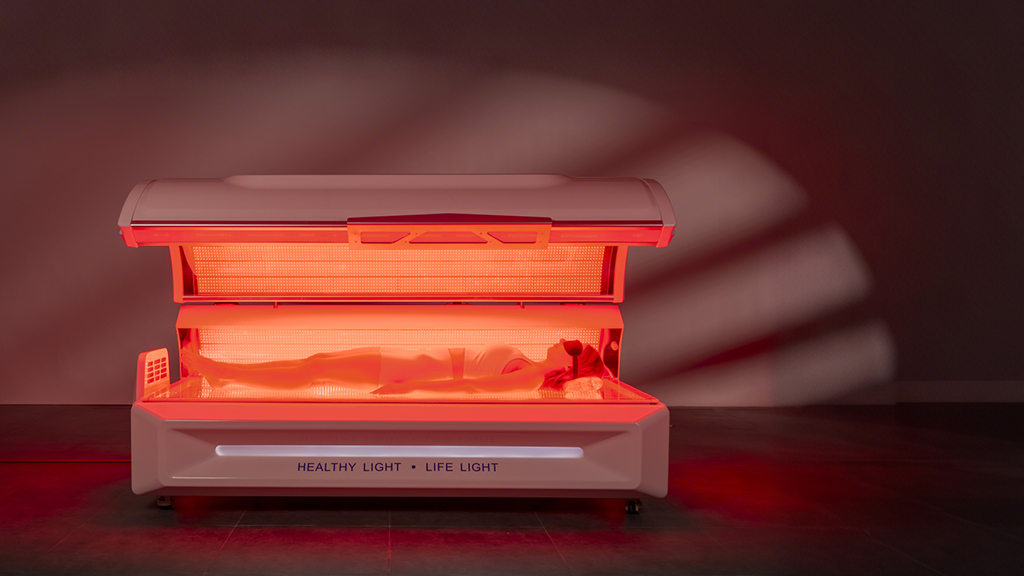
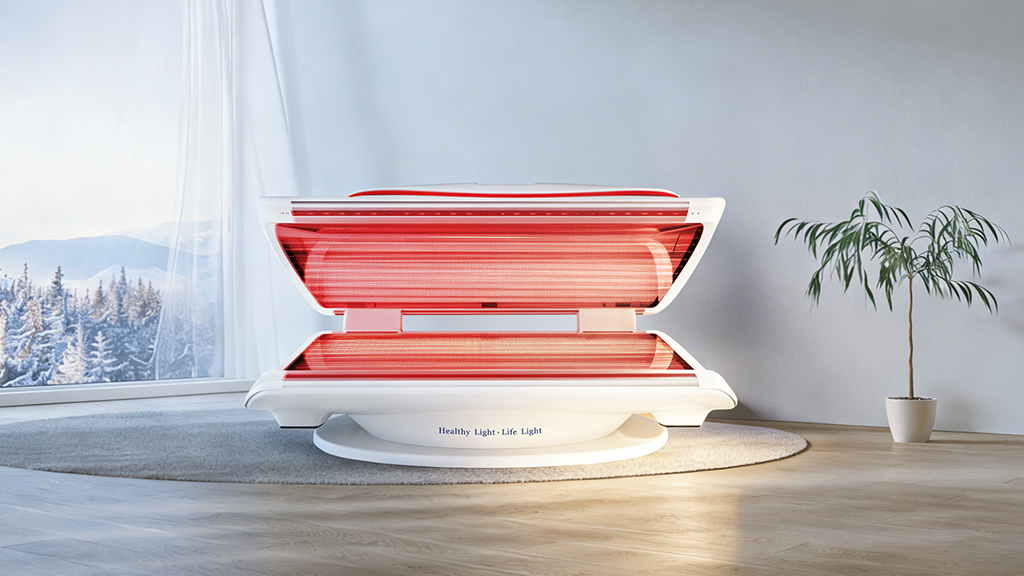
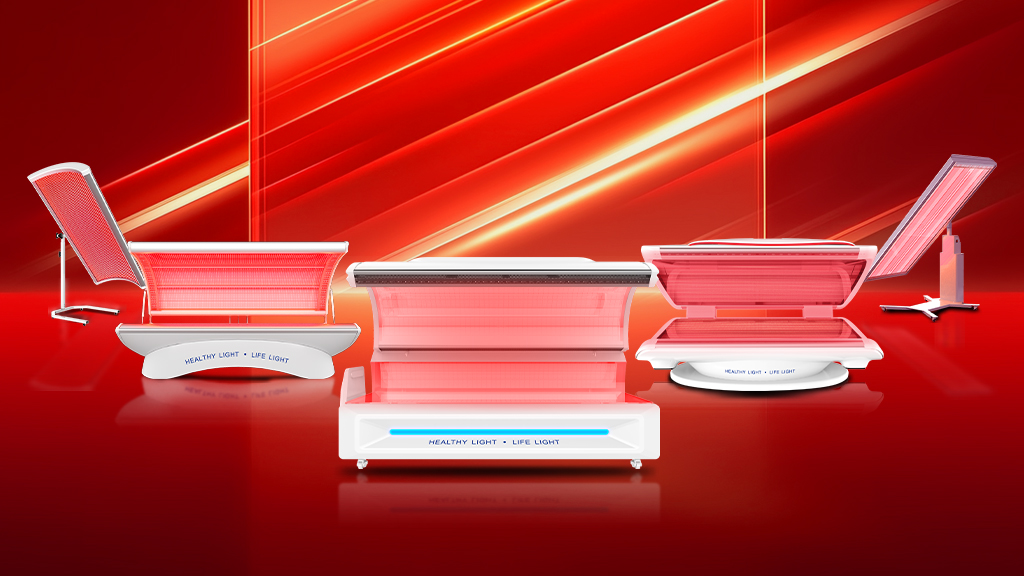
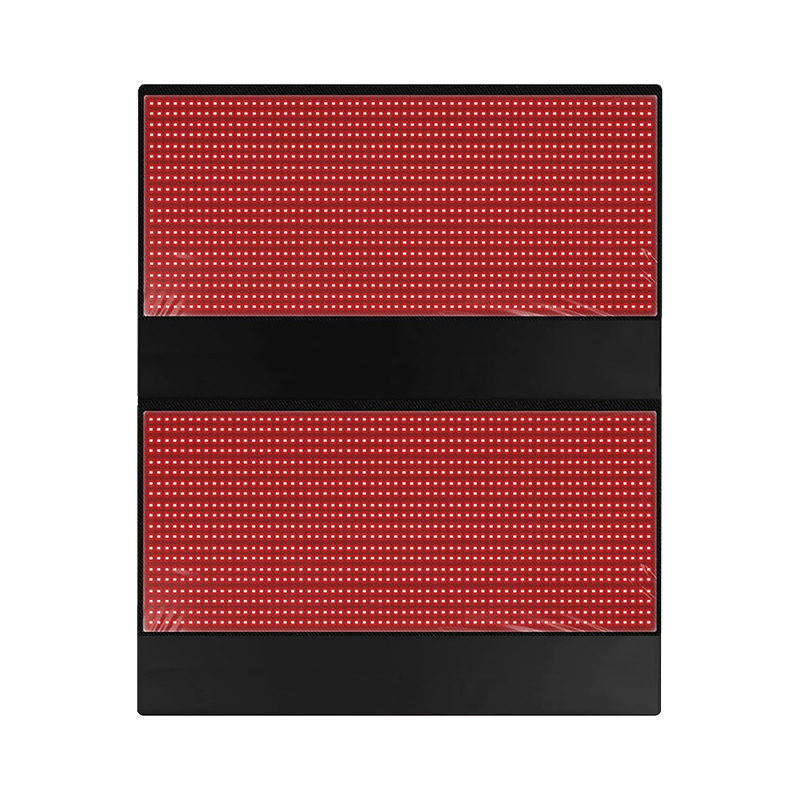
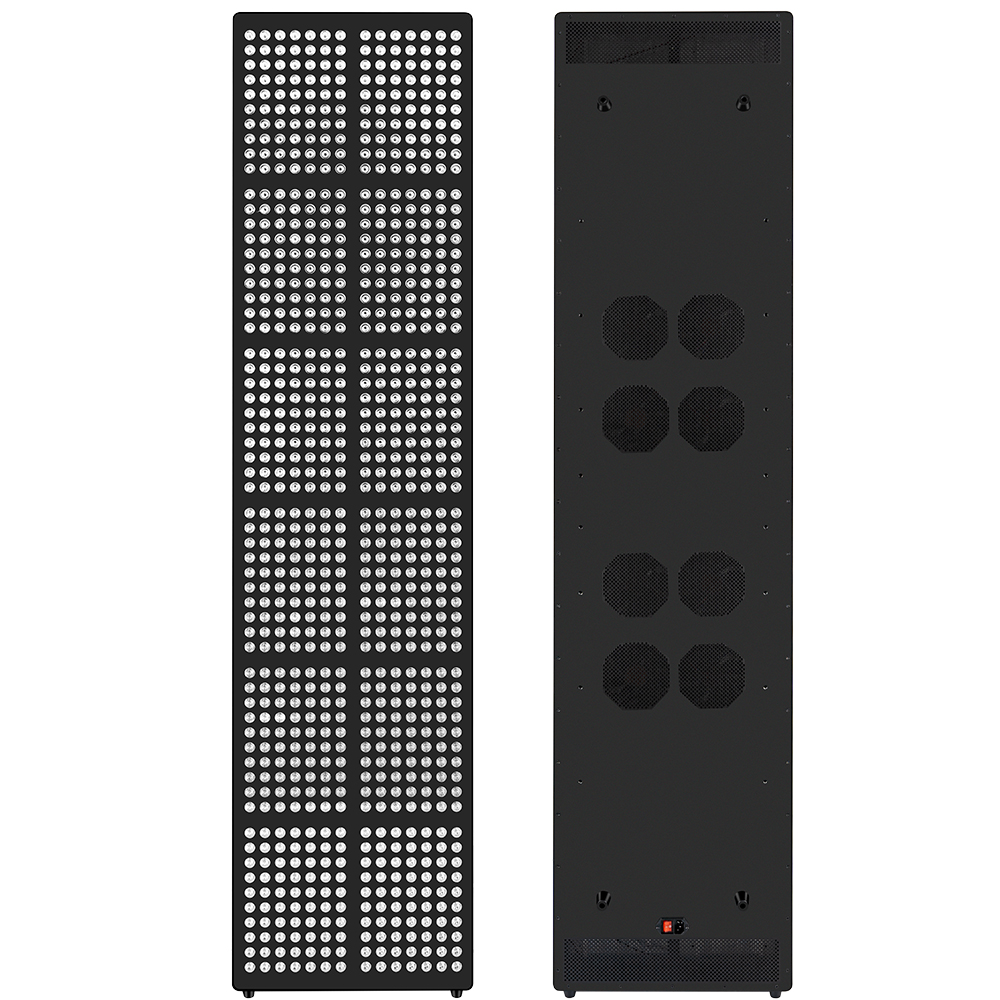
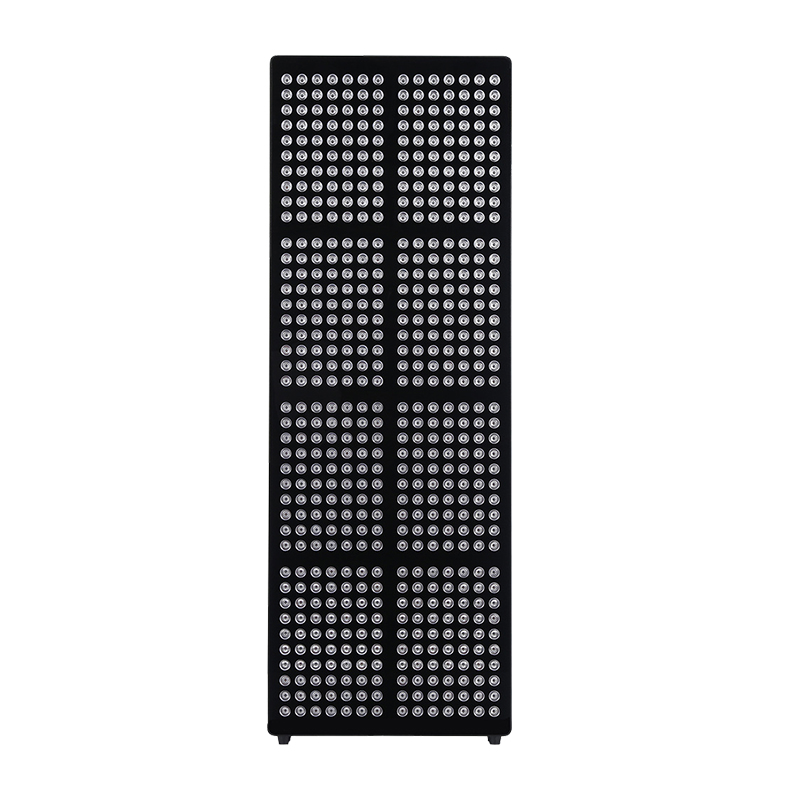
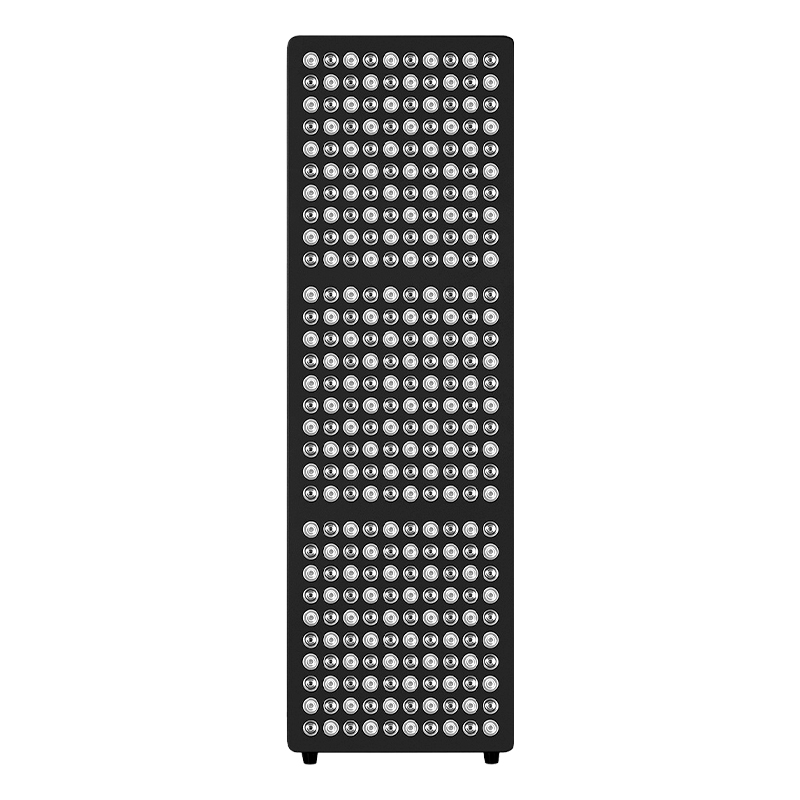
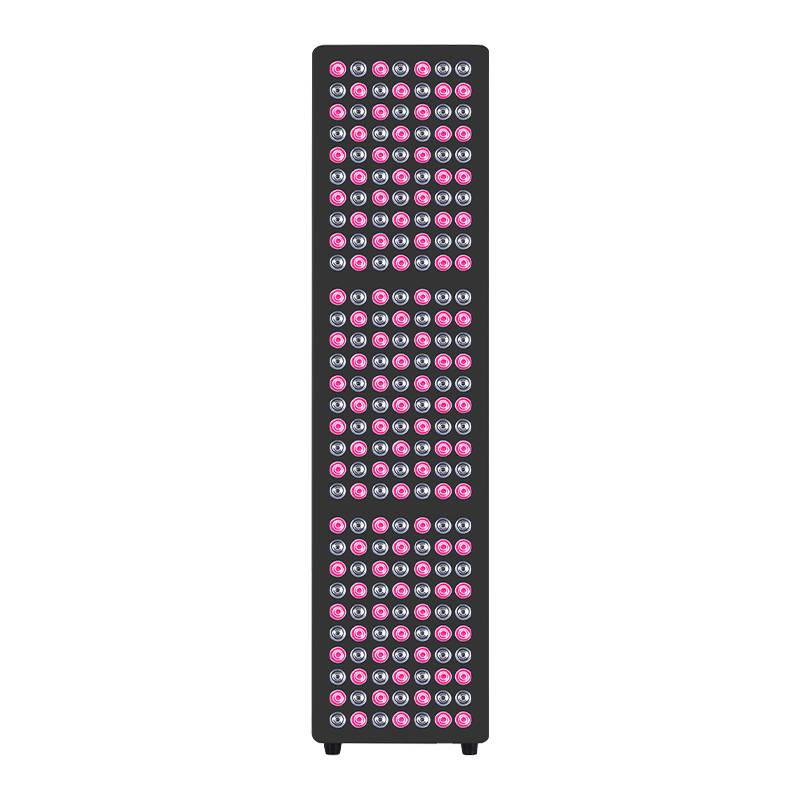
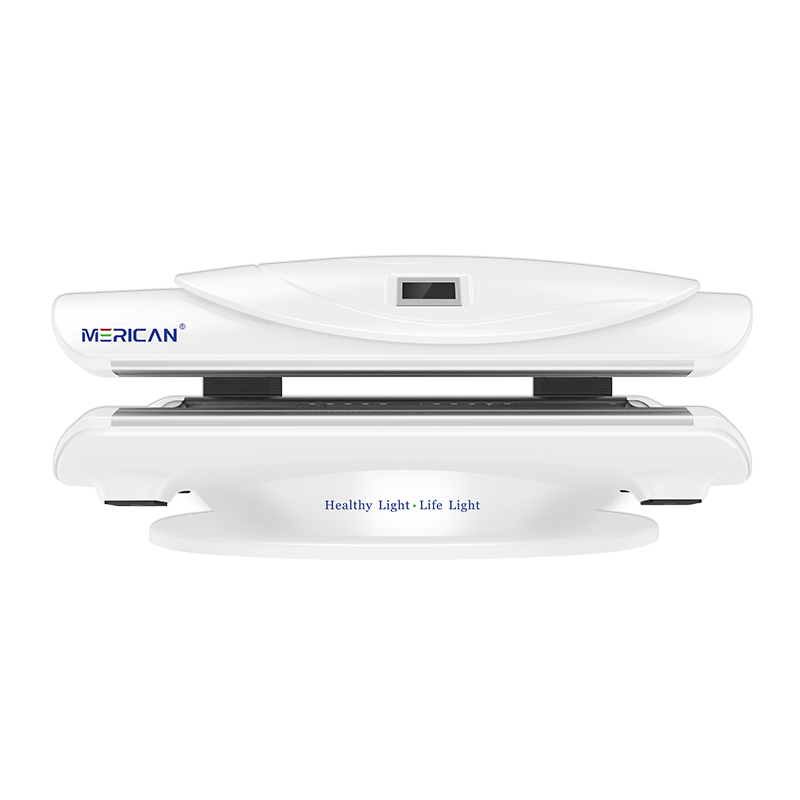
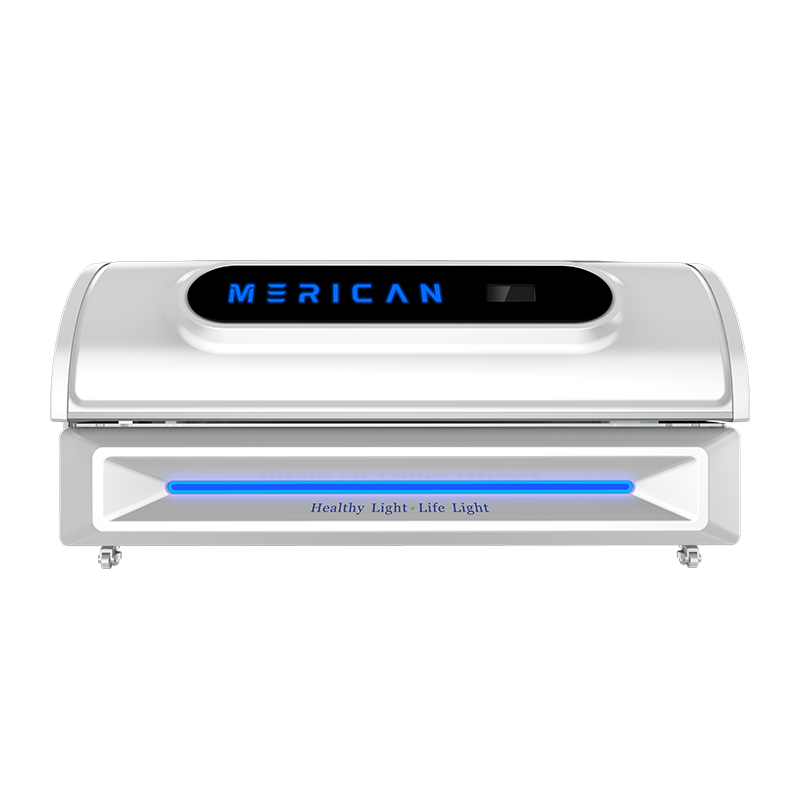
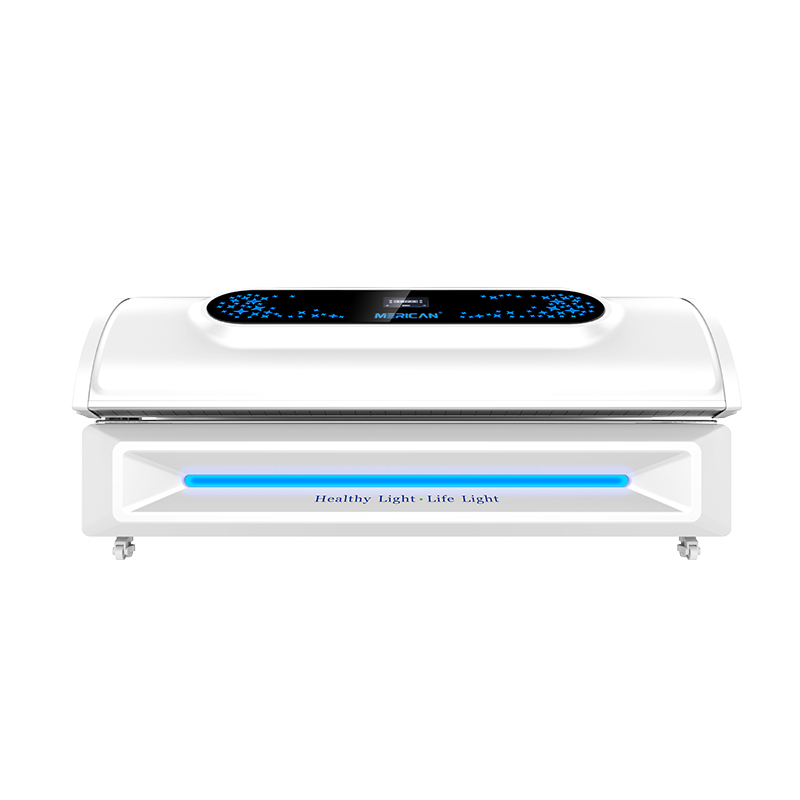
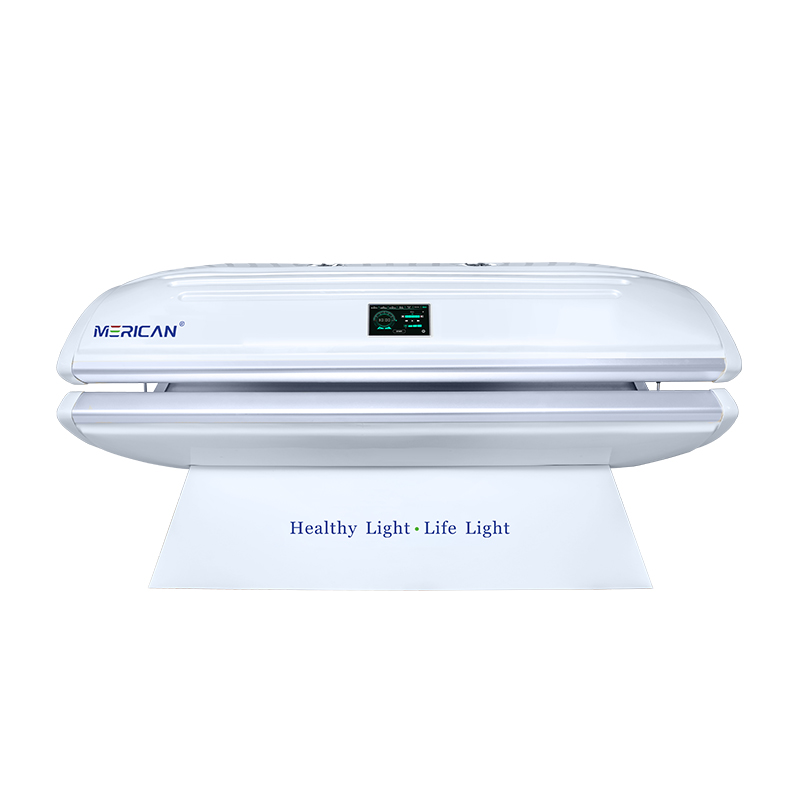
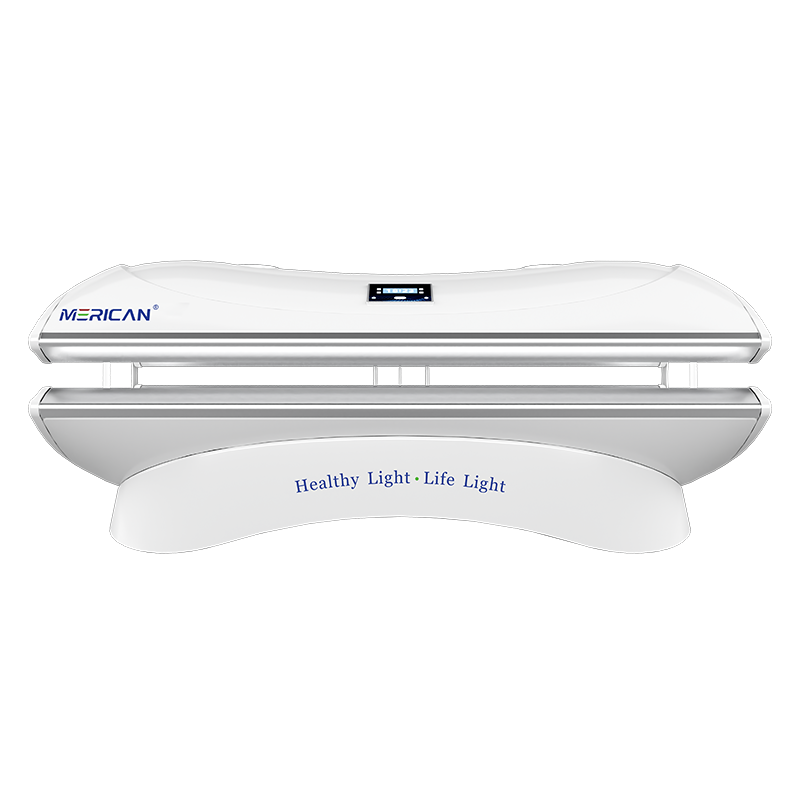
Full-body red light therapy beds can provide even exposure and relaxation, particularly for chronic pain sufferers.
Red Light Therapy vs Traditional Sciatica Treatments
Treatment Considerations
Pain medication Temporary relief, side effects
Steroid injections Invasive, limited duration
Physical therapy Requires consistency
Red light therapy Non-invasive, favorable
Qui peut en bénéficier le plus?
Individuals with mild to moderate sciatica
People seeking drug-free pain relief
Cliniques de physiothérapie et de réadaptation
Wellness centers offering pain management services
Réflexions finales
Red light therapy is not a cure for sciatica, but it may help manage pain and discomfort when used as part of a broader treatment plan. With consistent use and proper expectations, it can support long-term pain management and quality of life.