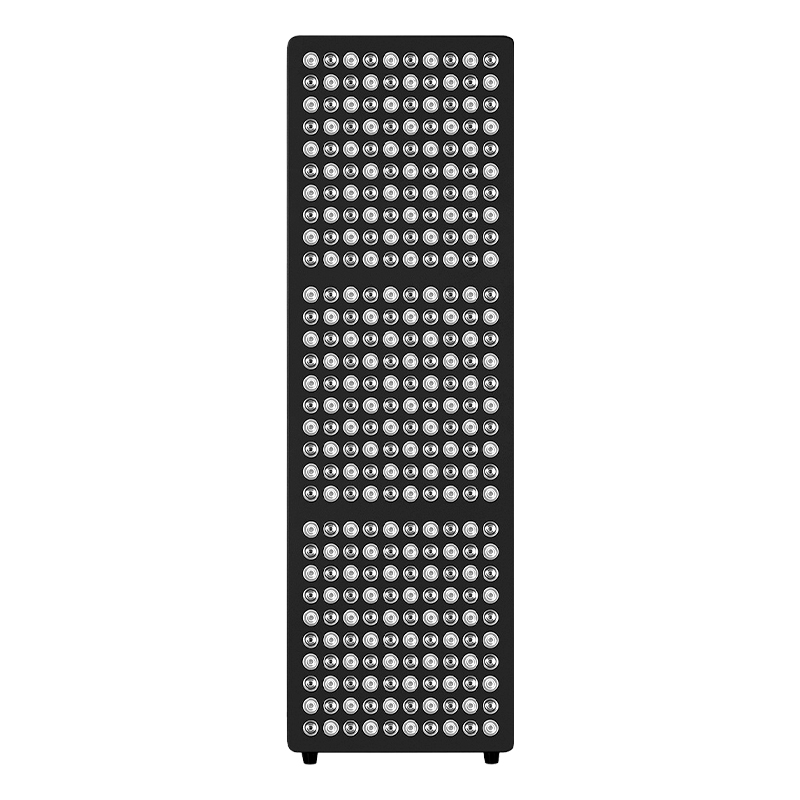
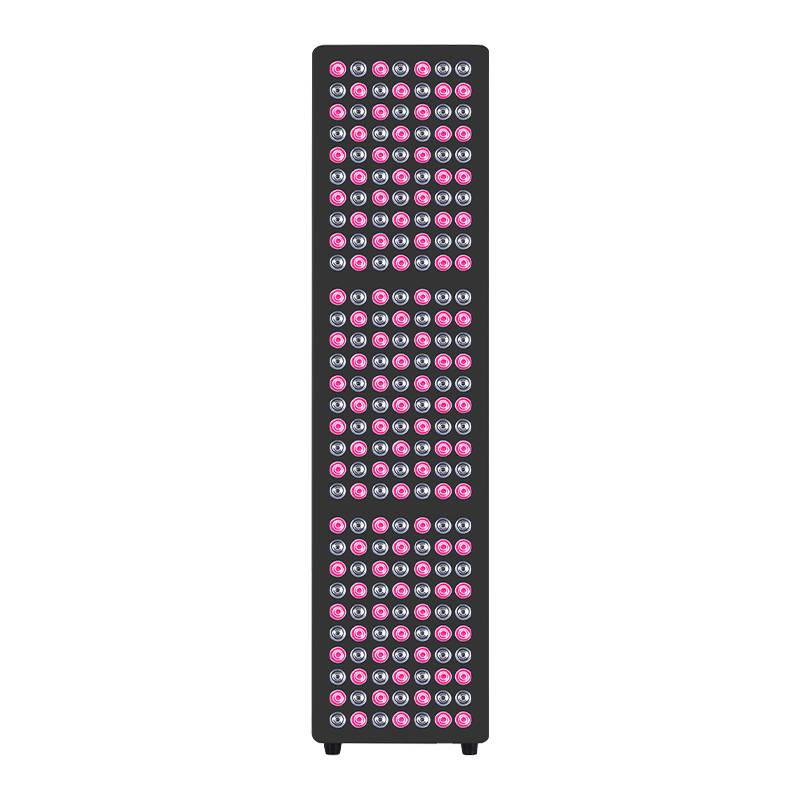
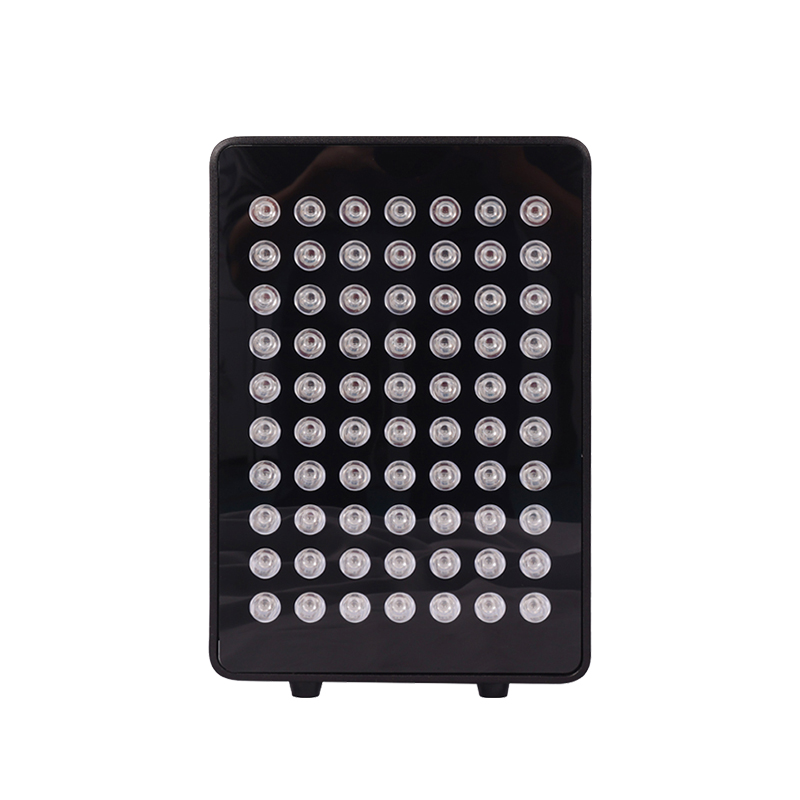
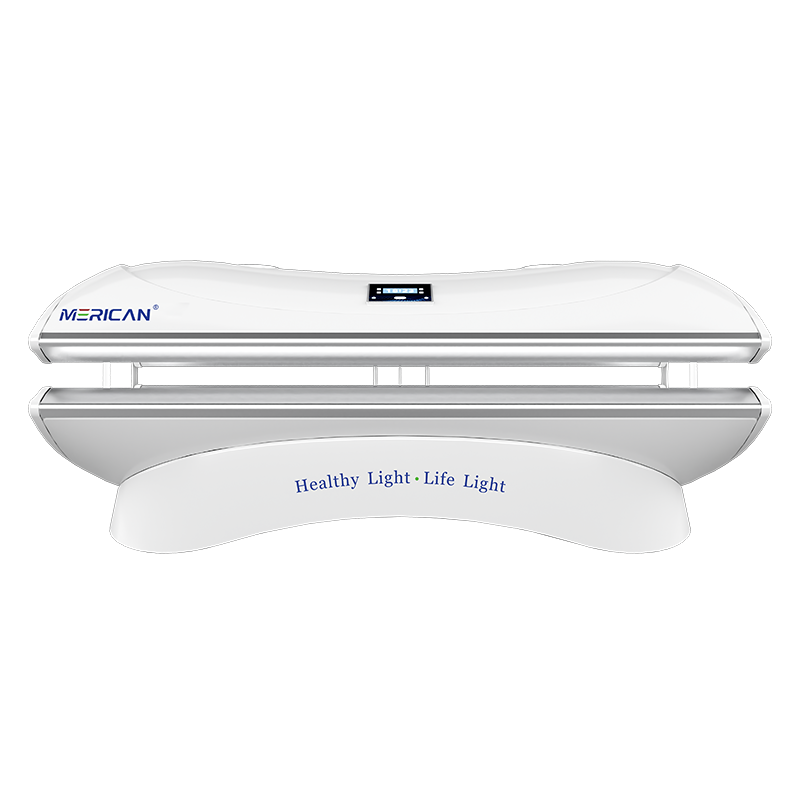
Ceist choitianta faoi theiripe solas dearg ná an féidir é a bheith éifeachtach fós nuair a úsáidtear é thar éadaí. Is é an freagra gairid: is féidir le teiripe solas dearg oibriú go páirteach trí éadaí, ach laghdaítear éifeachtacht.
1. An chaoi a dtéann Teiripe Solais Dheirg isteach sa Chorp
Úsáideann teiripe solas dearg dearg (630–660 nm) agus gar-infridhearg (810–880 nm) tonnfhaid. Tá cáil ar na tonnfhaid seo as a gcumas dul isteach i bhfíochán daonna ar bhealach níos éifeachtaí ná tonnfhaid níos giorra cosúil le solas gorm.
Solas gar-infridhearg, go háirithe, is féidir teacht ar sraitheanna níos doimhne de muscle agus fíocháin tacaíochta.
2. Cad a Tharlaíonn Nuair a Bhuaileann Solas le hÉadaí
Feidhmíonn éadaí mar bhac fisiceach is féidir:
- Déan cuid den solas a léiriú
- Ionsú tonnfhaid áirithe
- Scaip an fuinneamh solais atá fágtha
Braitheann an méid caillteanas solais ar:
- Tiús fabraice
- Dath (ionsú dathanna dorcha níos mó solais)
- Dlús fíodóireacht
Tanaí, Ceadaíonn fabraicí dathanna éadroma níos mó solais dul tríd ná ábhair tiubh nó dorcha.
3. Solas Dearg vs. Near-Infridhearg Trí Éadaí
- Solas dearg (630–660 nm): Níos éasca bac le éadaí
- Near-infridhearg (850 nm): Treá níos fearr tríd an bhfabraic agus an fhíochán araon
Sin é an fáth go bhfeidhmíonn feistí lena n-áirítear tonnfhaid infridhearg níos fearr nuair a úsáidtear iad thar éadaí.
4. An ndéanann Éadaí Teiripe an tSolais Dheirg Gan Úsáid?
Ní hea - ach laghdaíonn sé éifeachtúlacht. Sroicheann níos lú solais an craiceann, brí:
- Seans go mbeidh gá le seisiúin níos faide
- Tá an dáileog seachadta níos ísle
- Is féidir nach mbeidh na torthaí chomh comhsheasmhach céanna
Chun na torthaí is fearr, Moltar go ginearálta nochtadh díreach craiceann.
Conclúid
Is féidir le teiripe solais dhearg oibriú trí éadaí go pointe áirithe, go háirithe nuair a bhíonn solas gar-infridhearg i gceist. Mar sin féin, cinntíonn teagmháil dhíreach craiceann seachadadh solais níos iontaofa agus níos éifeachtaí.