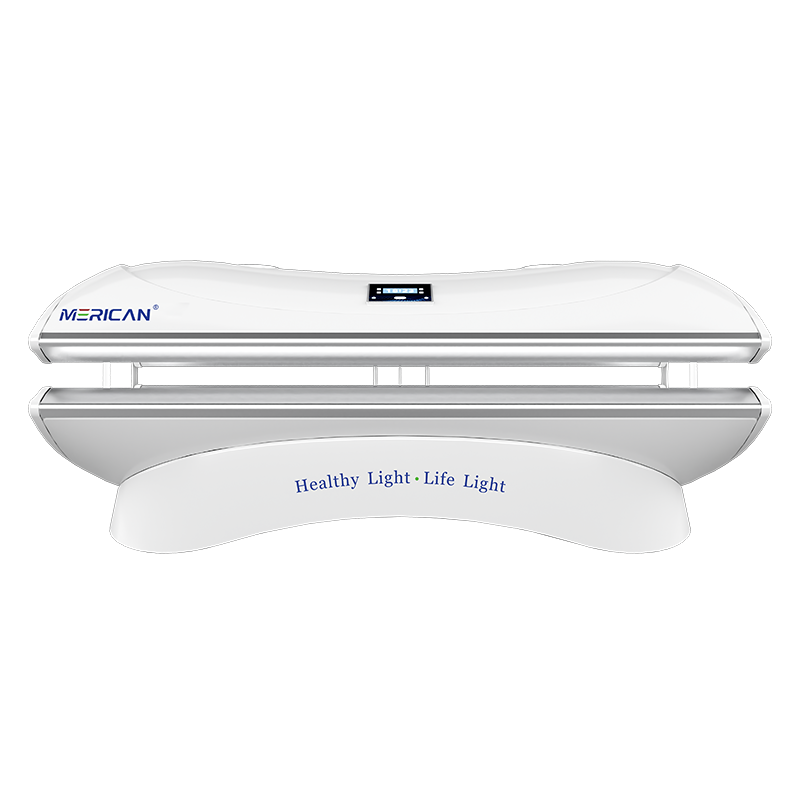
Uma pergunta comum sobre a terapia da luz vermelha é se ela ainda pode ser eficaz quando usada sobre roupas.. A resposta curta é: a terapia da luz vermelha pode funcionar parcialmente através das roupas, mas a eficácia é reduzida.
1. How Red Light Therapy Penetrates the Body
Terapia da luz vermelha usa vermelho (630–660nm) e infravermelho próximo (810–880nm) comprimentos de onda. These wavelengths are known for their ability to penetrate human tissue more effectively than shorter wavelengths like blue light.
Luz infravermelha próxima, em particular, can reach deeper layers of muscle and connective tissue.
2. What Happens When Light Meets Clothing
Clothing acts as a physical barrier that can:
- Reflect part of the light
- Absorb certain wavelengths
- Scatter the remaining light energy
The degree of light loss depends on:
- Fabric thickness
- Cor (dark colors absorb more light)
- Weave density
Afinar, light-colored fabrics allow more light to pass through than thick or dark materials.
3. Luz Vermelha vs.. Near-Infrared Through Clothes
- Luz vermelha (630–660nm): More easily blocked by clothing
- Infravermelho próximo (850 nm): Better penetration through both fabric and tissue
This is why devices that include near-infrared wavelengths tend to perform better when used over clothing.
4. As roupas tornam a terapia da luz vermelha inútil?
Não, mas reduz a eficiência. Menos luz atinge a pele, significado:
- Sessões mais longas podem ser necessárias
- A dose administrada é menor
- Os resultados podem ser menos consistentes
Para melhores resultados, a exposição direta da pele é geralmente recomendada.
Conclusão
A terapia da luz vermelha pode funcionar até certo ponto através das roupas, especialmente quando a luz infravermelha próxima está envolvida. No entanto, o contato direto com a pele garante um fornecimento de luz mais confiável e eficaz.