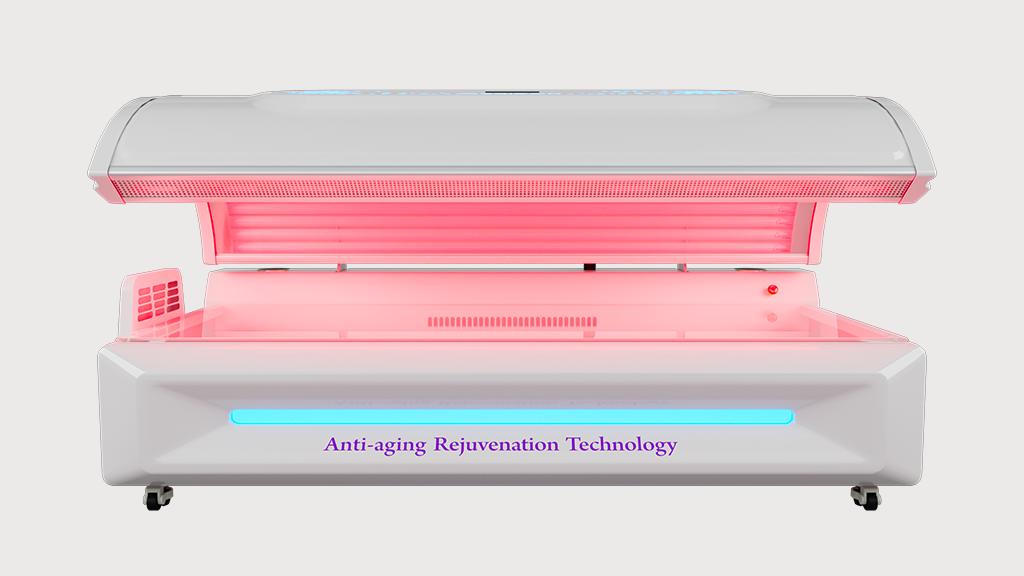
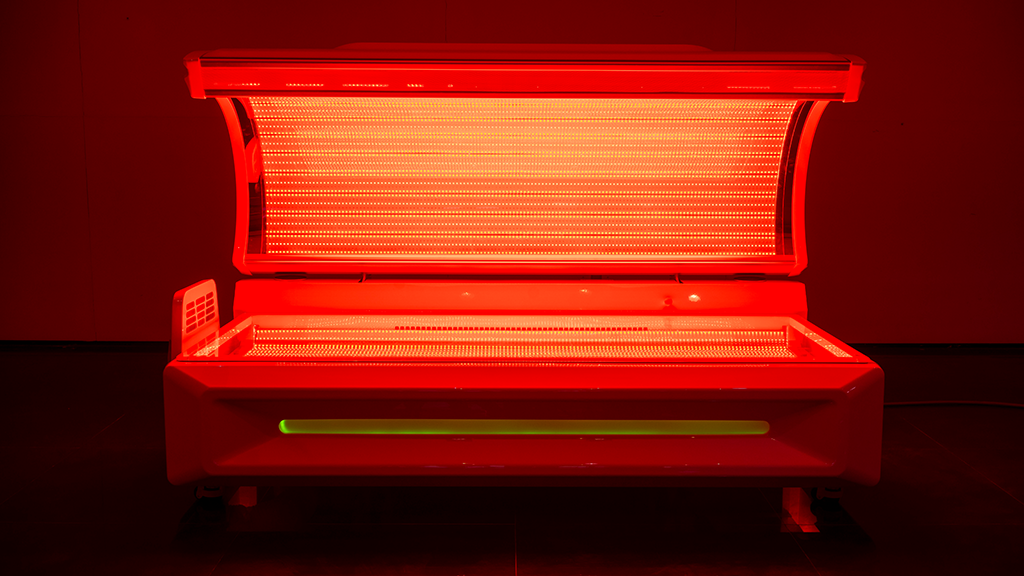
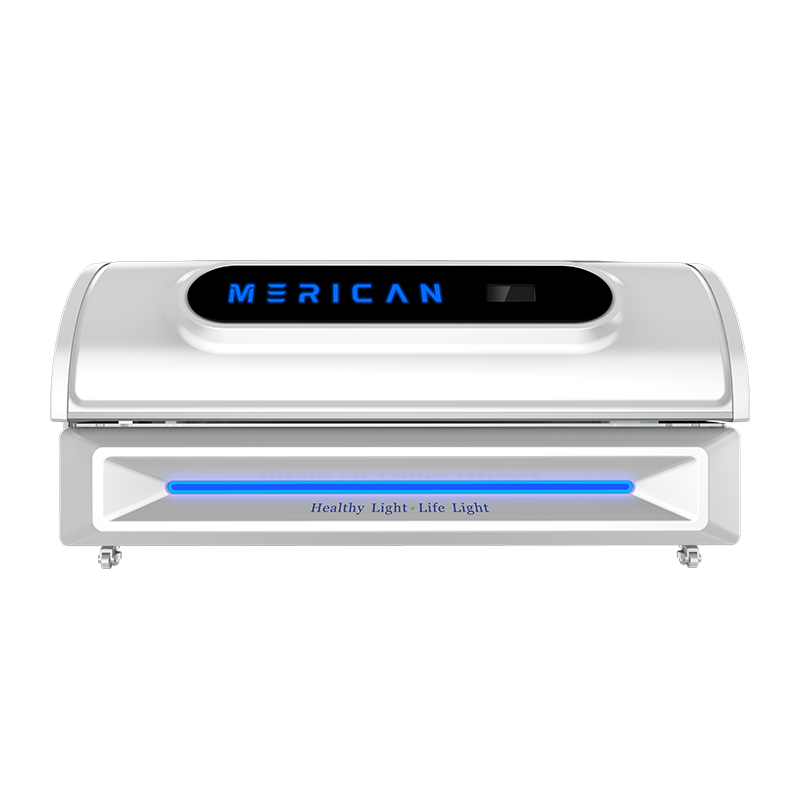
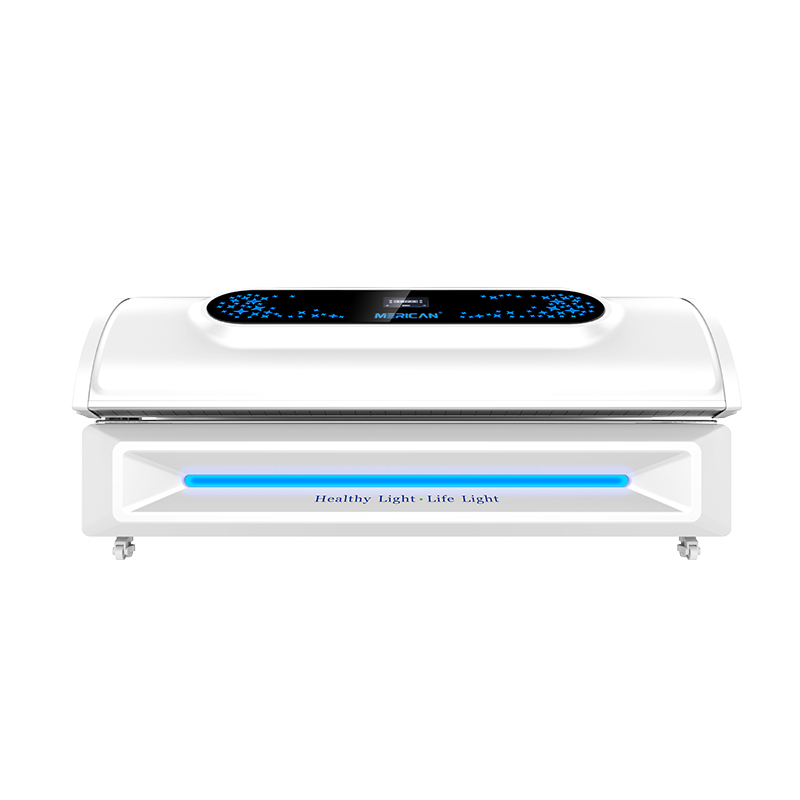
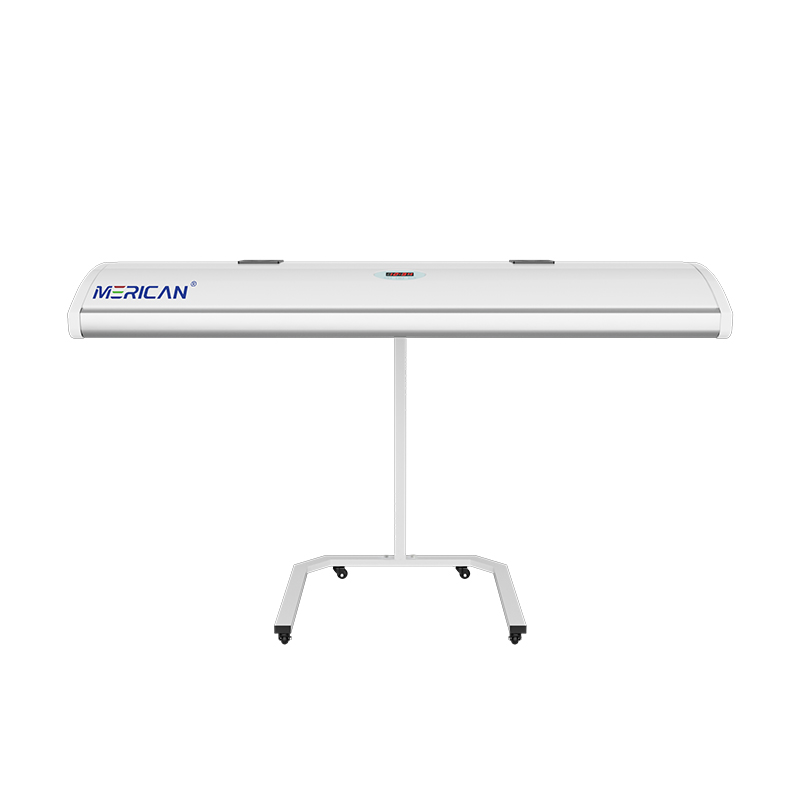
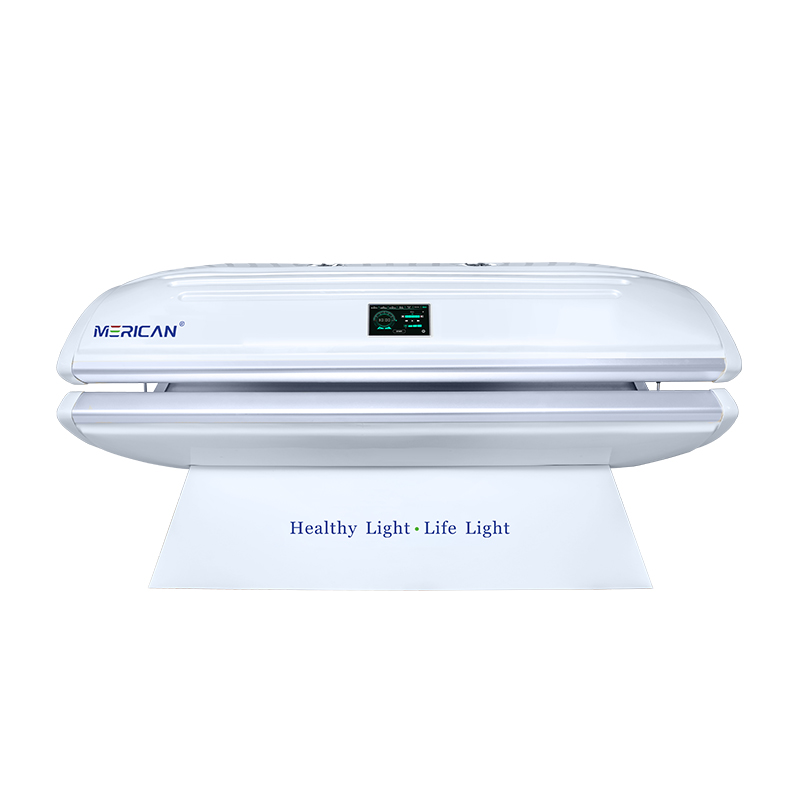
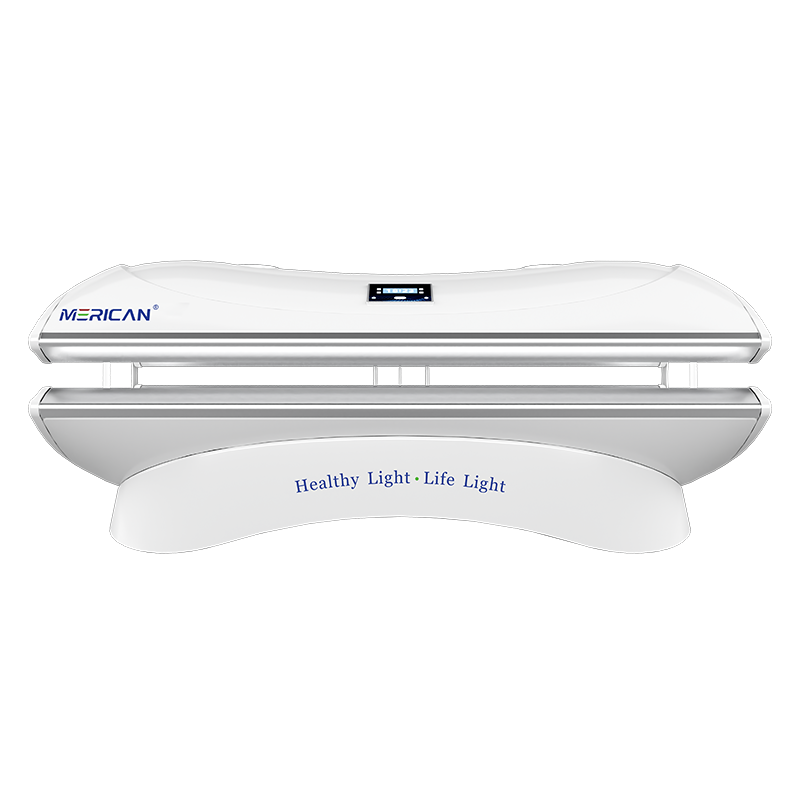
Disturbo da deficit di attenzione e iperattività (ADHD) colpisce milioni di bambini in tutto il mondo, spesso porta con sé una serie di sfide, inclusa la difficoltà ad addormentarsi, restare addormentato, o ottenere un sonno ristoratore. Mentre i trattamenti tradizionali come i farmaci e la terapia comportamentale sono efficaci per la gestione dei sintomi, molti genitori ora stanno esplorando il naturale, terapie non invasive a sostegno del benessere dei propri figli. Uno di questi metodi che guadagna interesse è terapia con luce rossa.
Ma come può esattamente la terapia con luce rossa aiutare i bambini con ADHD a dormire meglio??
ADHD e sonno: Una lotta comune
I problemi del sonno sono uno dei problemi coesistenti più comuni nei bambini con ADHD. La ricerca lo suggerisce:
- Fino a 70% dei bambini con ADHD sperimentare disturbi del sonno.
- Il sonno scarso peggiora i sintomi principali dell’ADHD come la disattenzione, impulsività, e sbalzi d'umore.
- Many children have trouble producing melatonin — the sleep hormone — at the right time.
This is where red light therapy comes in.
How Red Light Therapy Supports Sleep
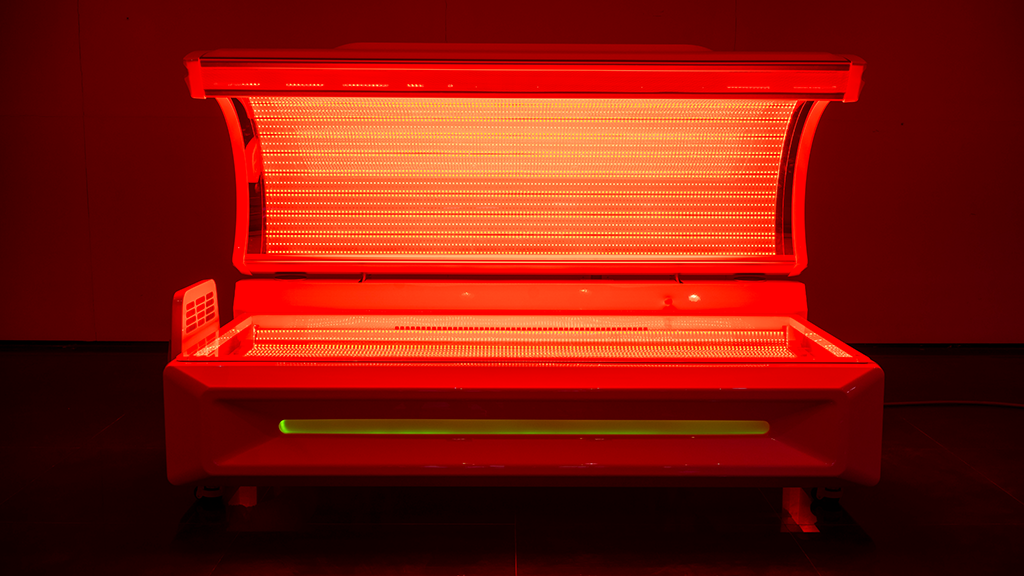
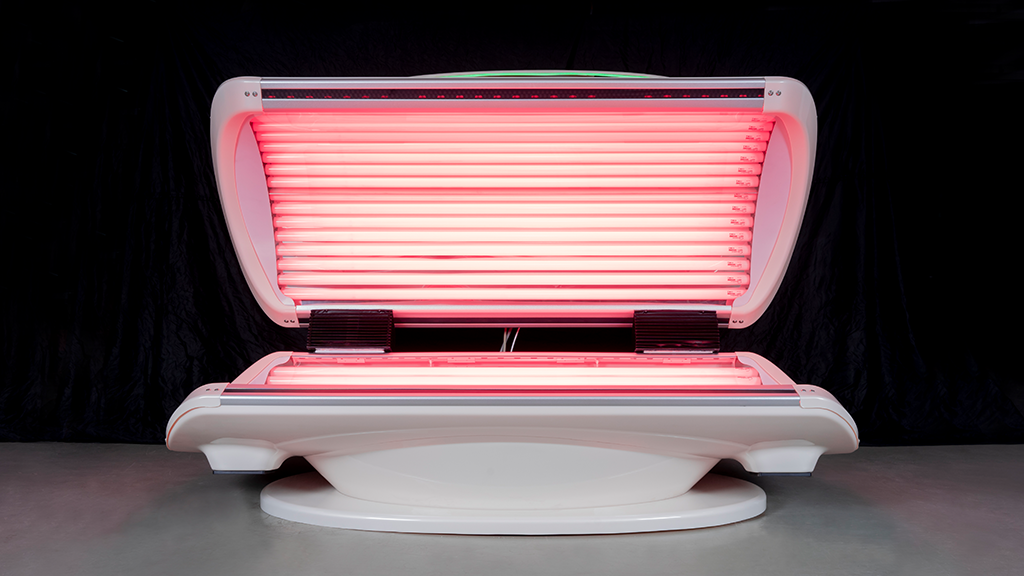
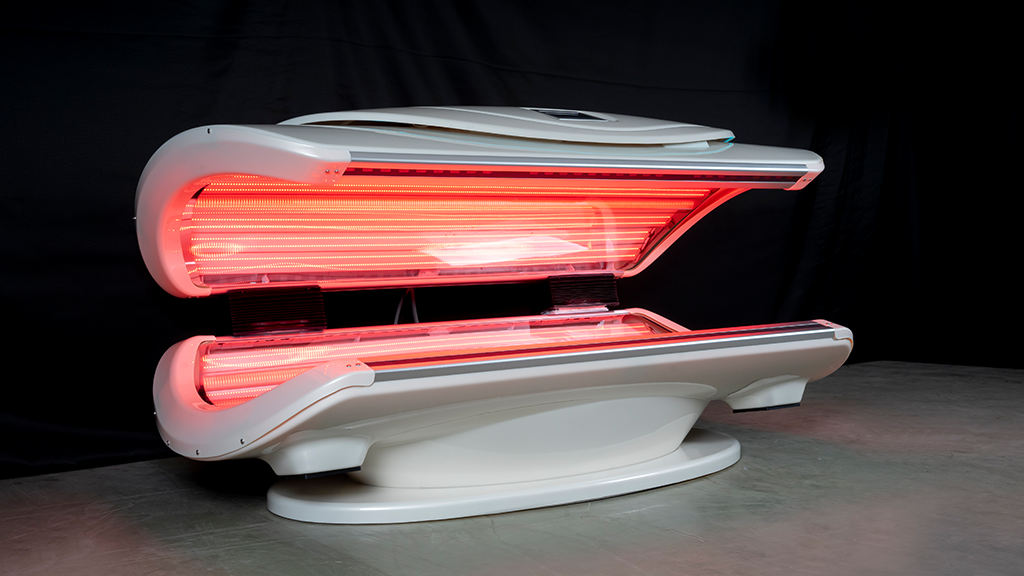
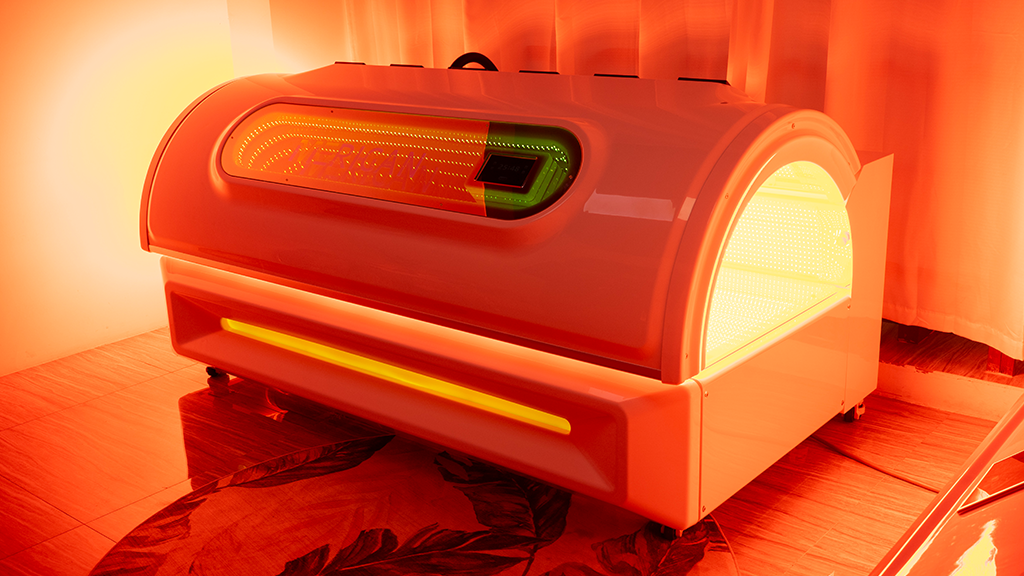
Terapia con la luce rossa (RLT) utilizza specifiche lunghezze d'onda della luce, in genere nel 630–670nm allineare, which are gentle on the eyes and support the body’s natural rhythms — especially when used in the evening.
Key Benefits for Children with ADHD:
1.Enhances Natural Melatonin Production
A differenza della luce blu (from screens) that suppresses melatonin, red light encourages melatonin release, helping children feel sleepy at the right time.
2.Regulates the Circadian Rhythm
Red light can help reset the child’s biological clock, which is often disrupted in those with ADHD. Regular evening sessions may lead to more consistent sleep-wake cycles.
3.Calms the Nervous System
Red light may help reduce physiological arousal and anxiety, both of which are common in ADHD and can interfere with sleep onset.
4.Non-Stimulating and Safe
Red light is non invasivo, senza farmaci, and doesn’t overstimulate the brain, making it an ideal nighttime tool for children who are sensitive to other treatments.
How to Use Red Light Therapy for ADHD Sleep Support
Per i migliori risultati, use red light therapy:
- 30–60 minutes before bedtime
- Nell'a low-light, quiet environment
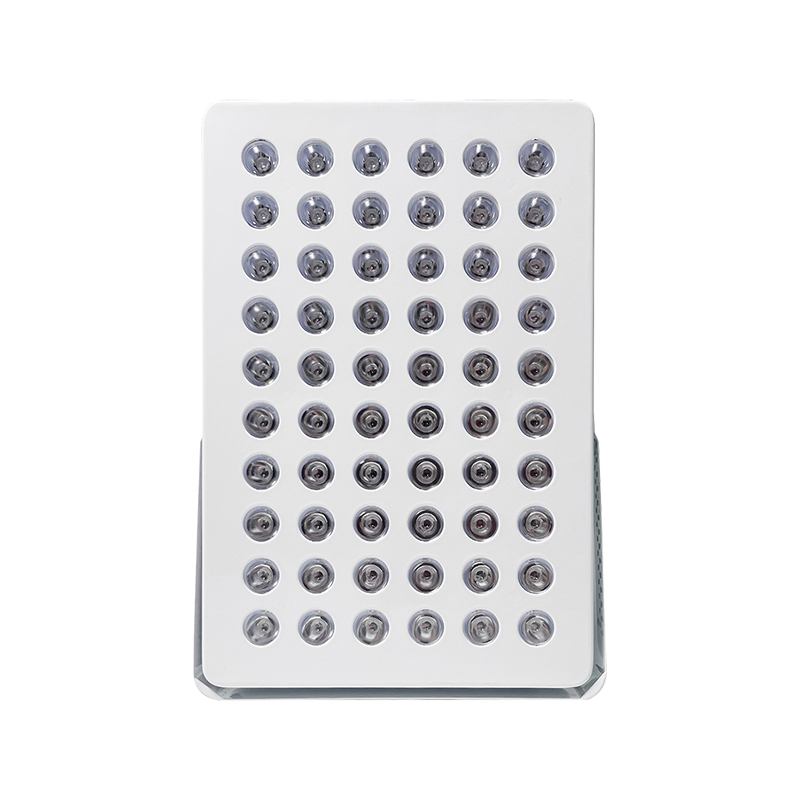
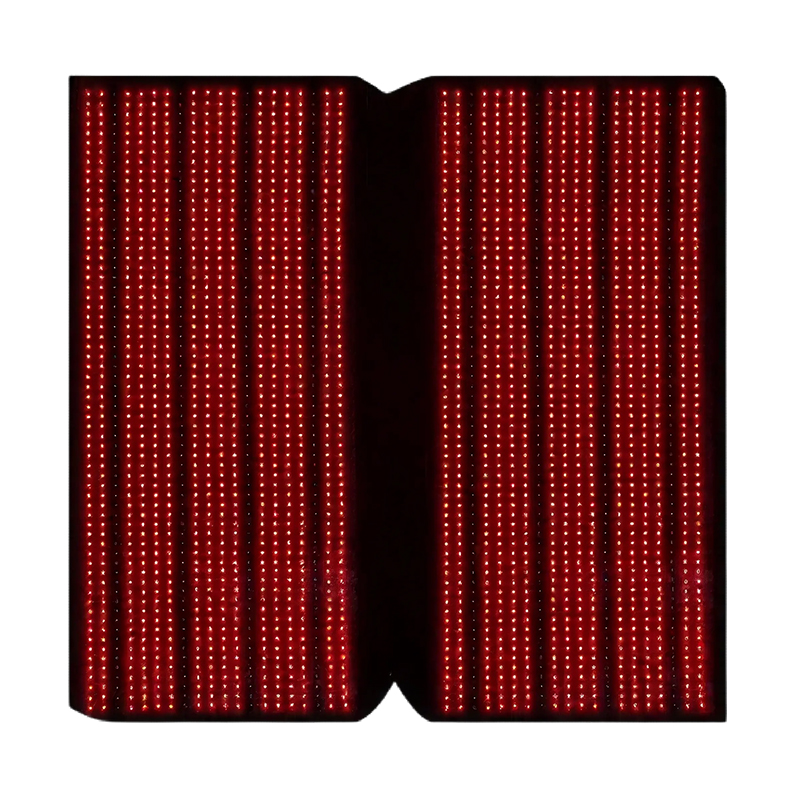
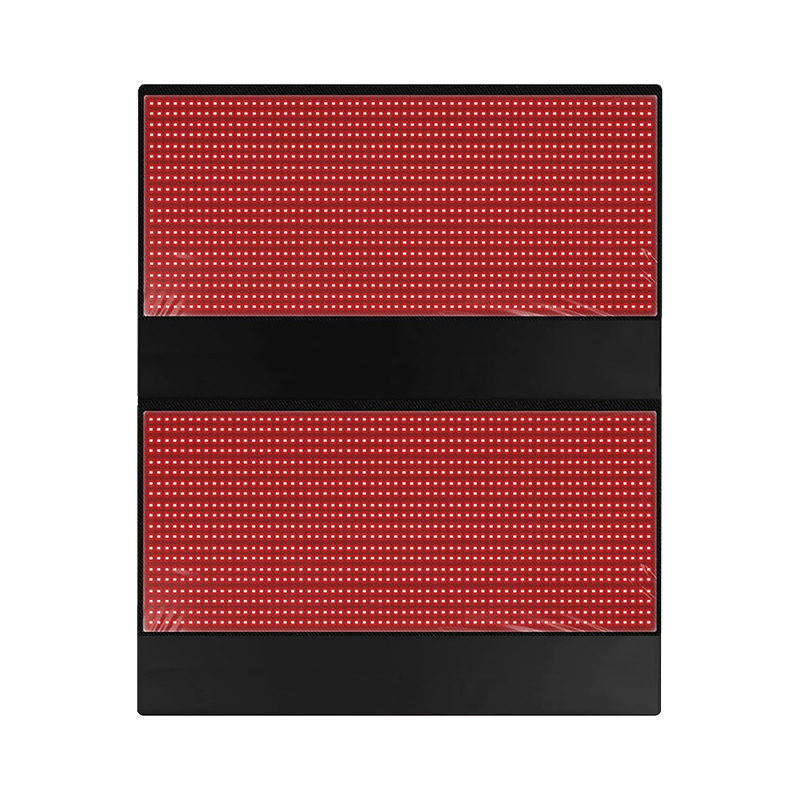
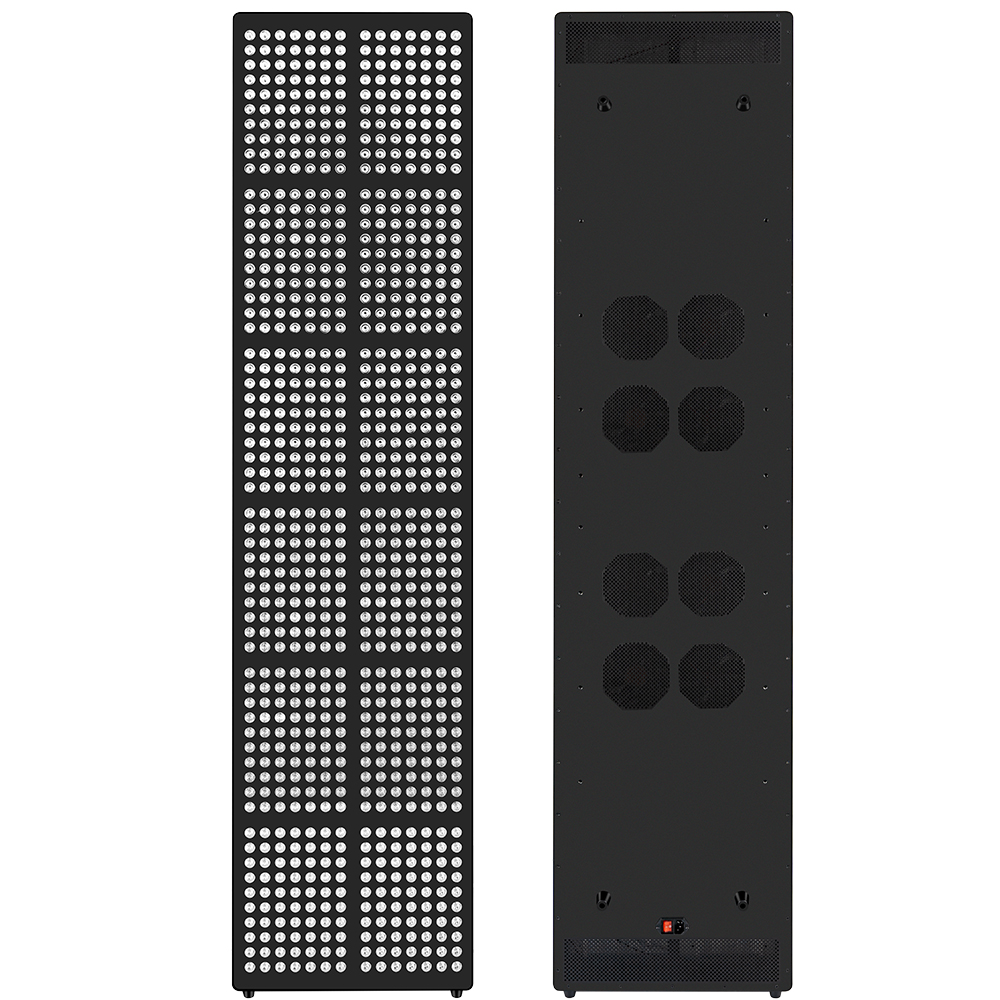
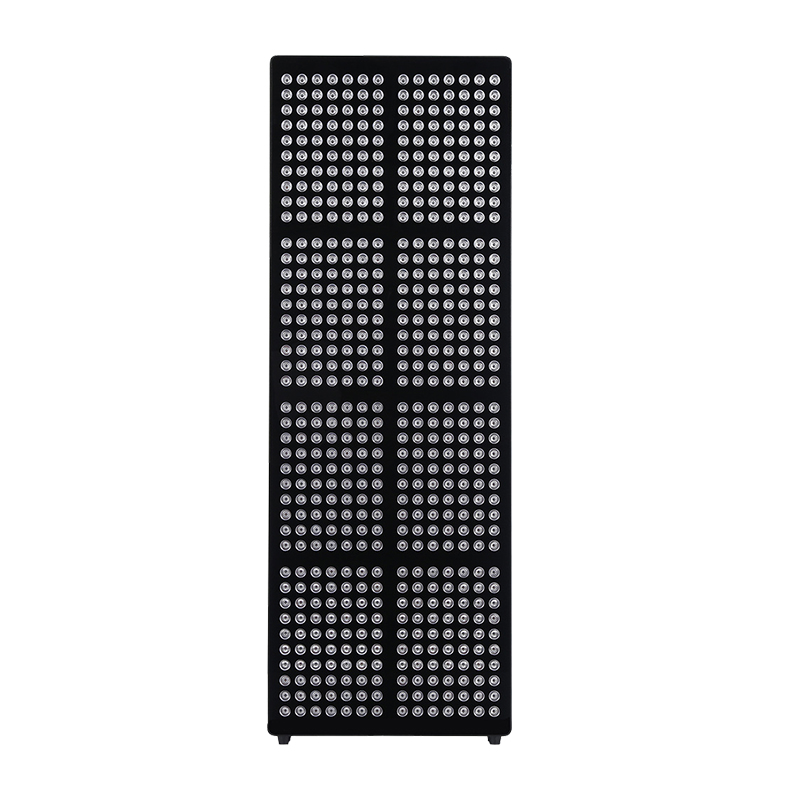
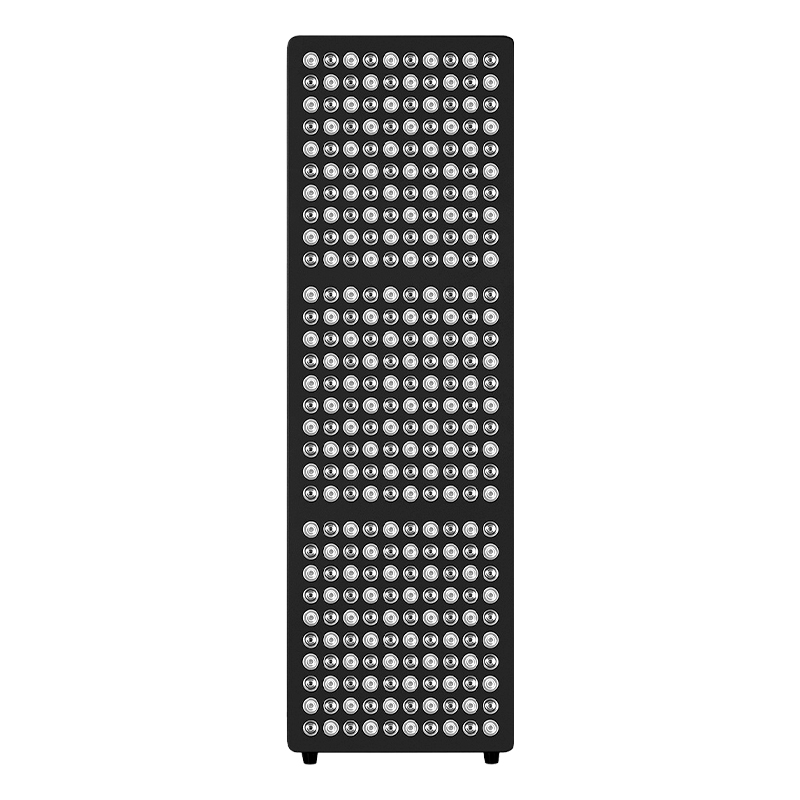
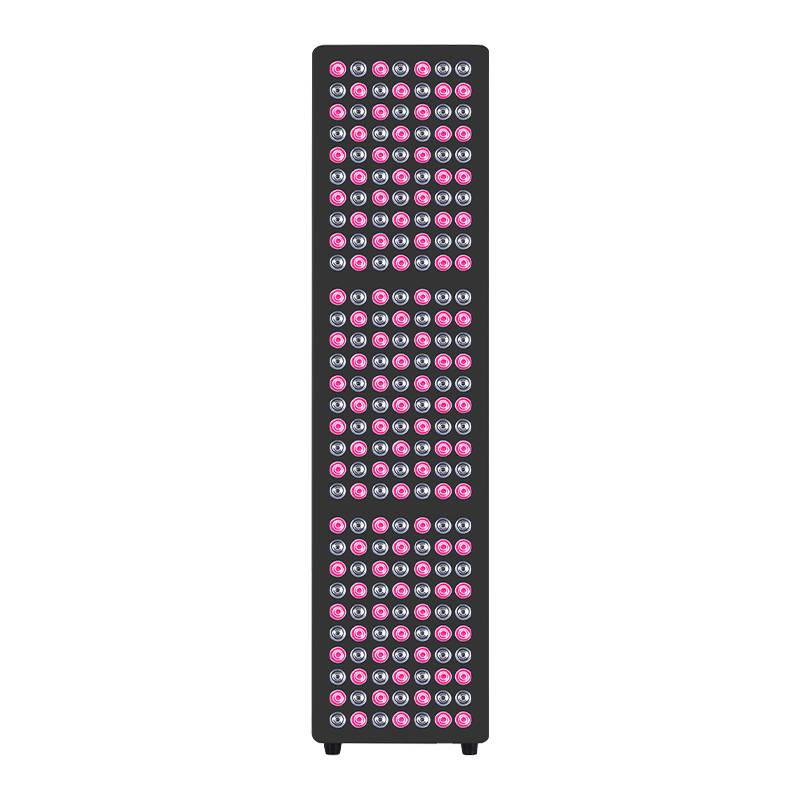
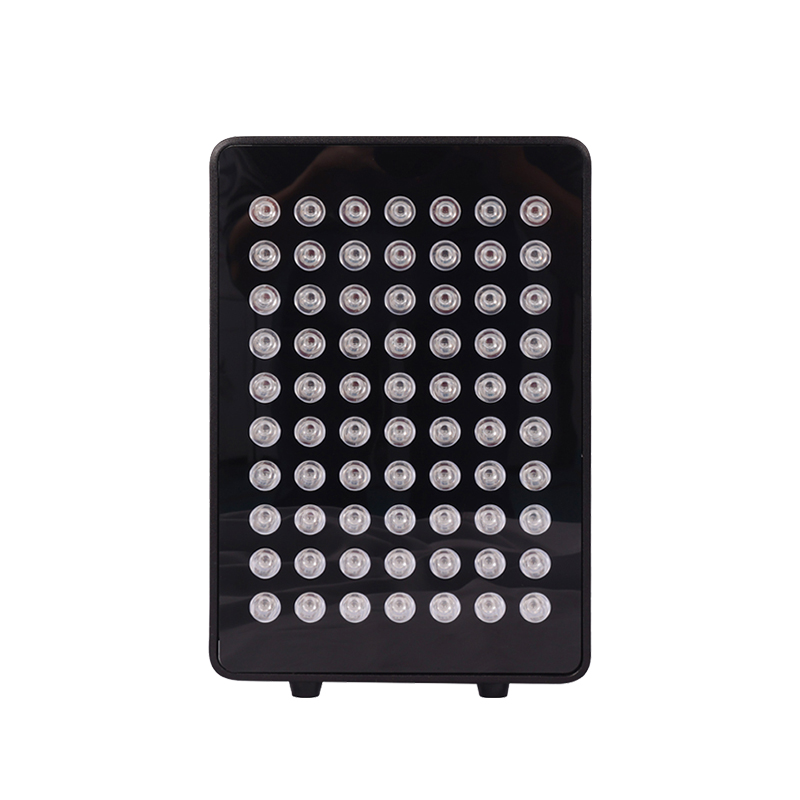
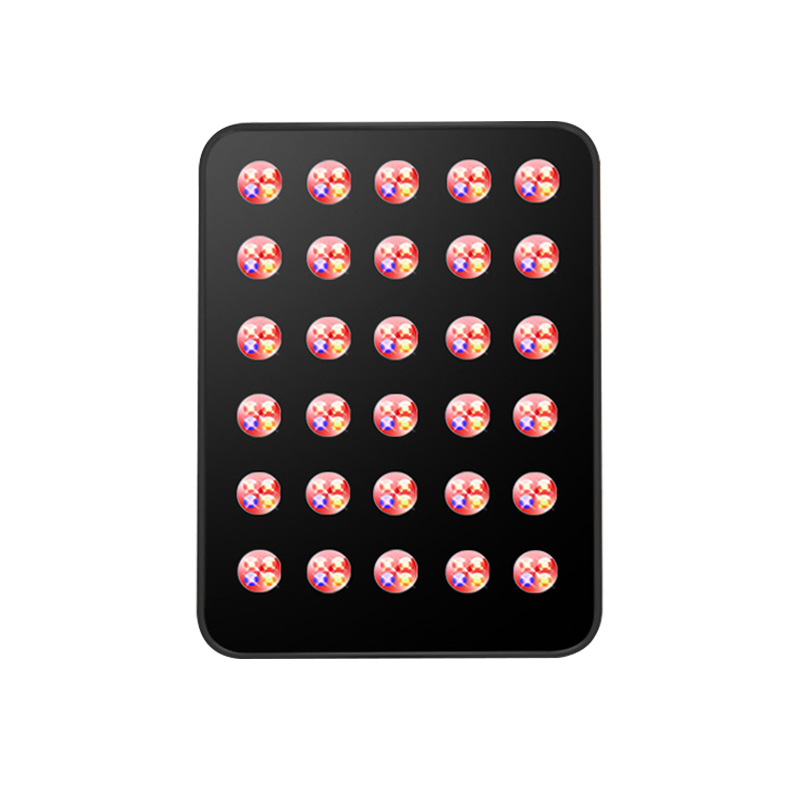
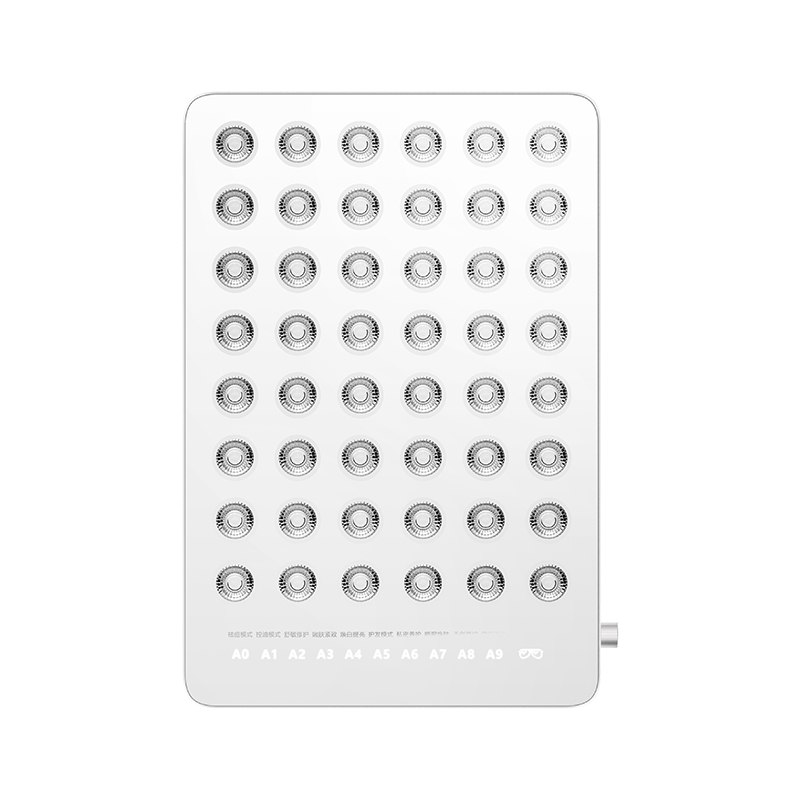
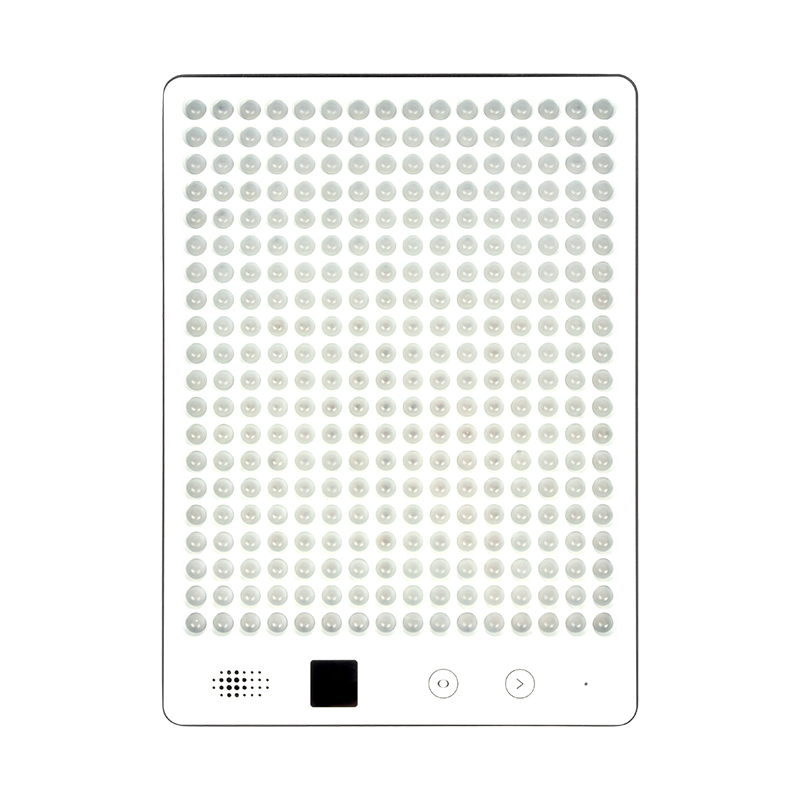
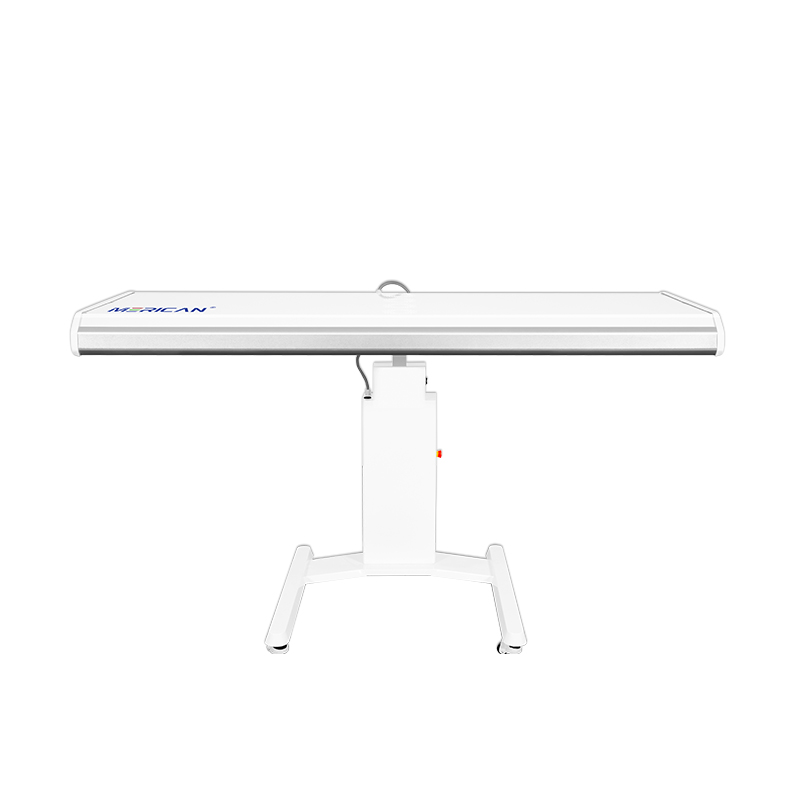
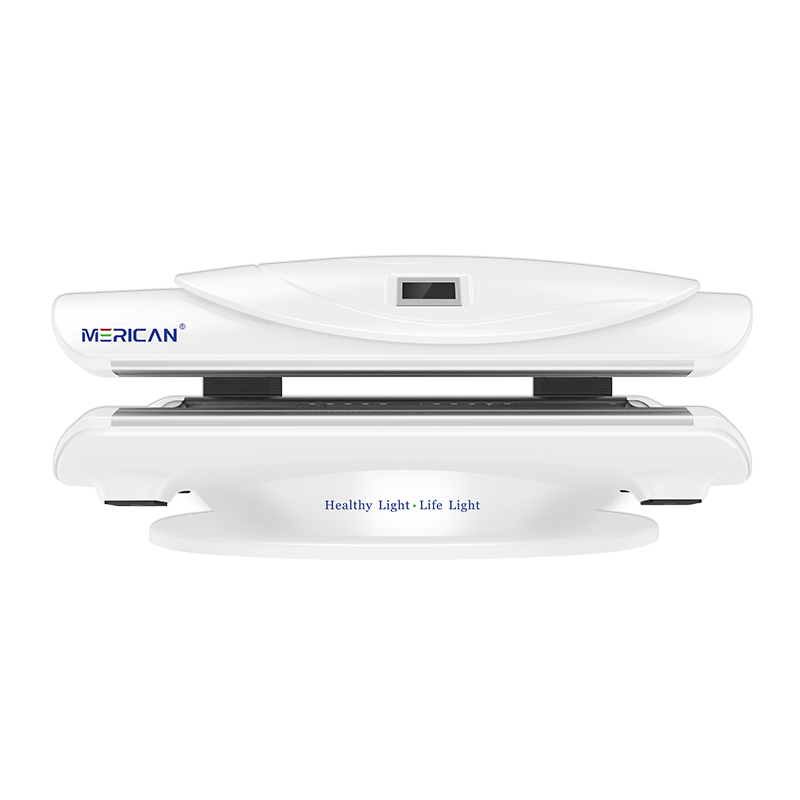
- With a red light panel, lamp, or ceiling light using wavelengths around 630–660nm
- Quotidiano, as part of a calming nighttime routine
Mancia: Avoid using bright white or blue lights in the bedroom, especially in the hour leading up to sleep.
Cosa dice la scienza?
While large-scale clinical trials on red light therapy specifically for children with ADHD are still limited, early findings and anecdotal reports are promising:
- UN 2012 studiare dentro The Journal of Affective Disorders trovato quello red light exposure helped improve sleep quality and melatonin levels in people with sleep disorders.
- In ADHD populations, researchers are increasingly investigating light-based therapies as safer alternatives to pharmacological sleep aids.
Is Red Light Therapy Safe for Children?
Yes — red light therapy is generally considered safe for children when used appropriately:
- No UV radiation
- No heat or pain
- No risk of eye damage when used at proper distances
- No medication side effects
That said, it’s best to consult with a pediatrician before starting any new therapy for a child with ADHD.
Pensieri finali
La terapia con luce rossa offre un trattamento delicato, natural way to support better sleep in children with ADHD. By promoting melatonin production, calming the nervous system, and encouraging a healthy sleep cycle, red light can help reduce bedtime battles and improve overall behavior and focus.
As awareness grows and more research emerges, red light therapy may become a valuable part of a holistic ADHD care plan — especially for parents seeking non-drug options that are safe, simple, ed efficace.