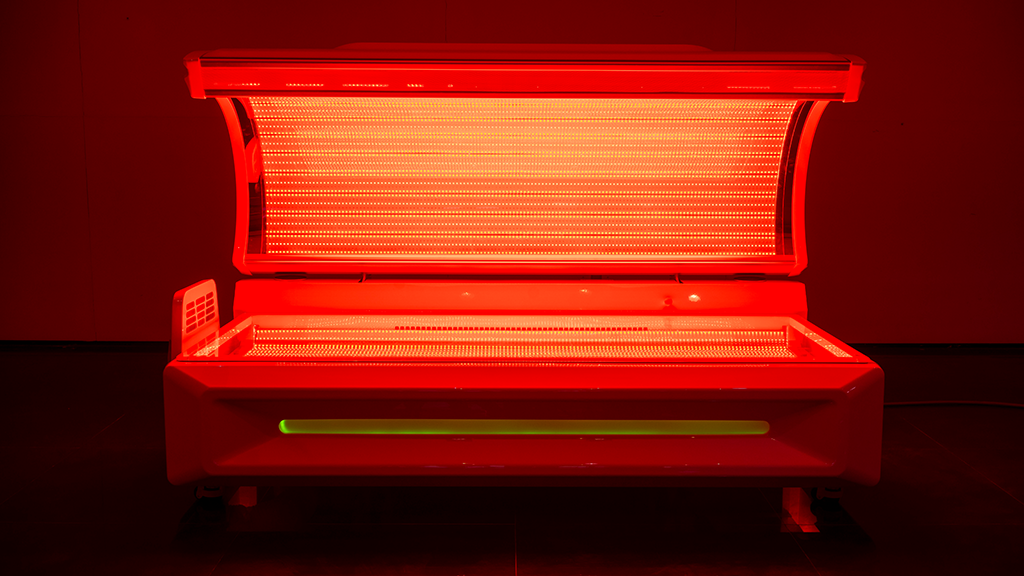
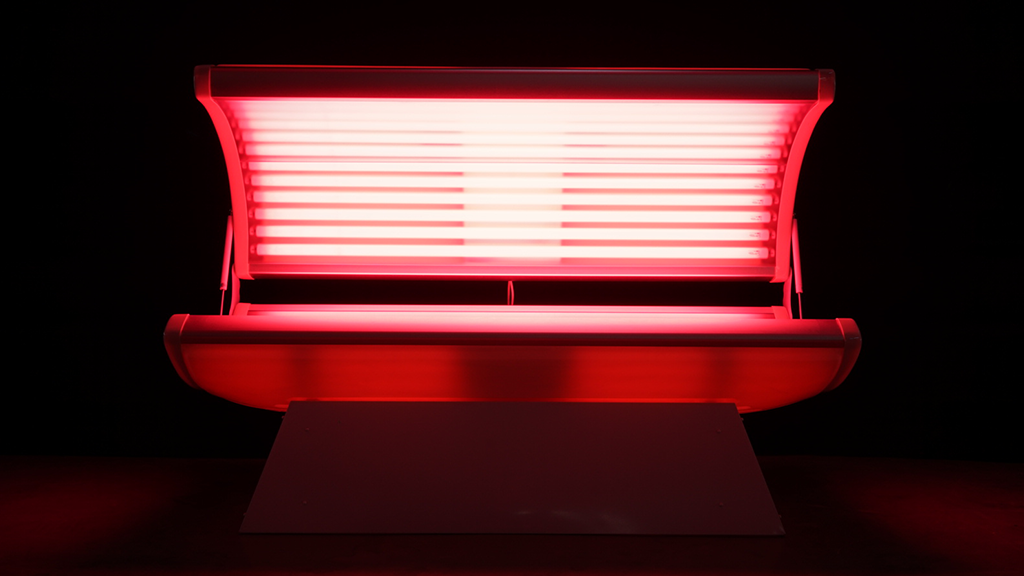
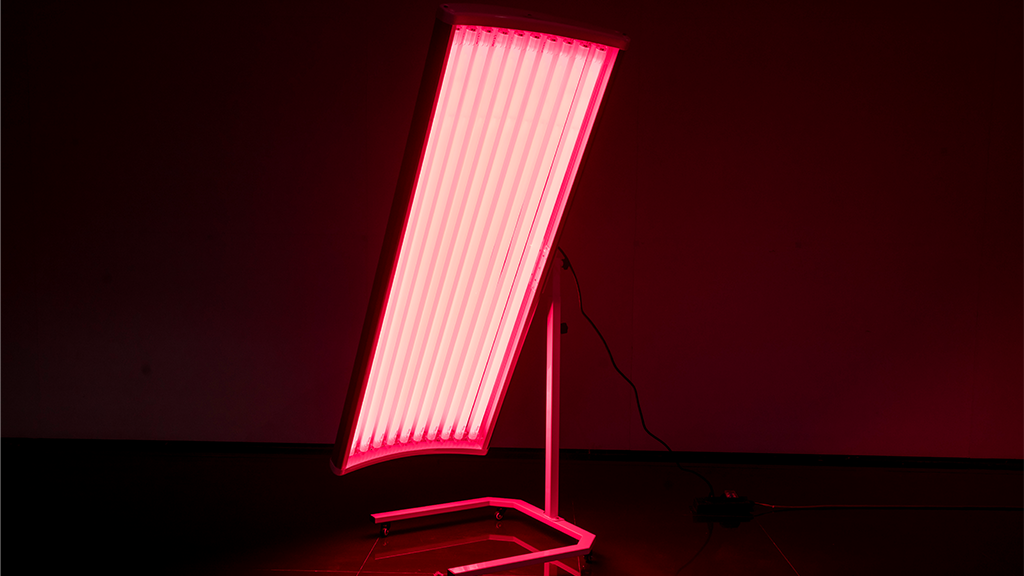
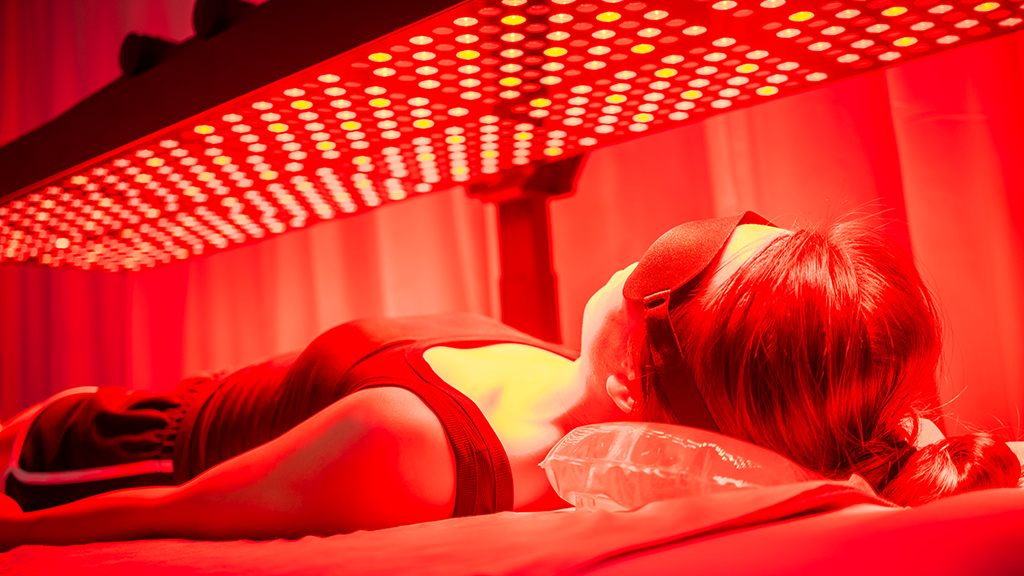
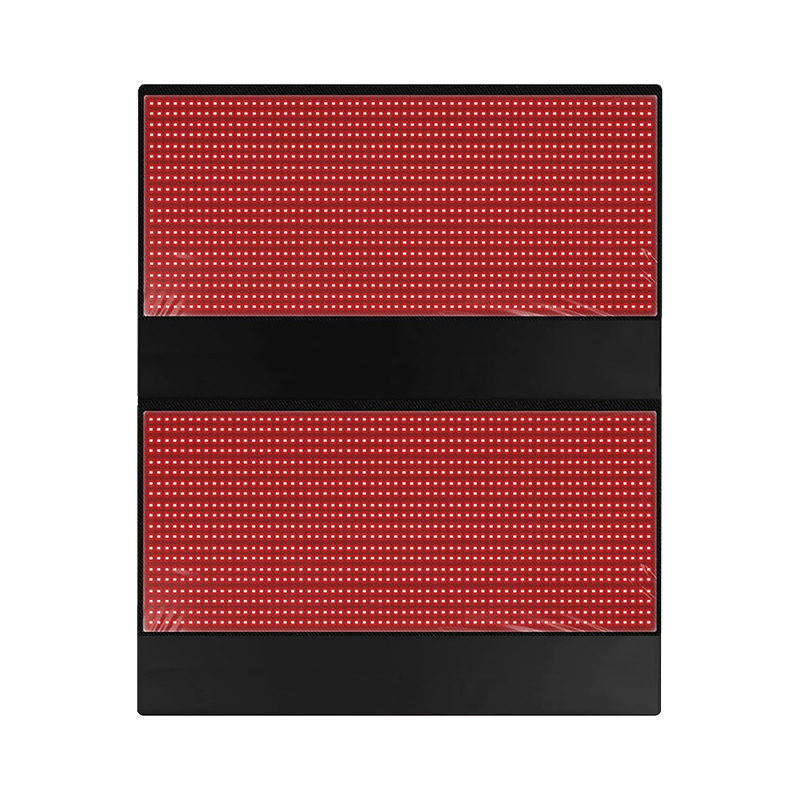
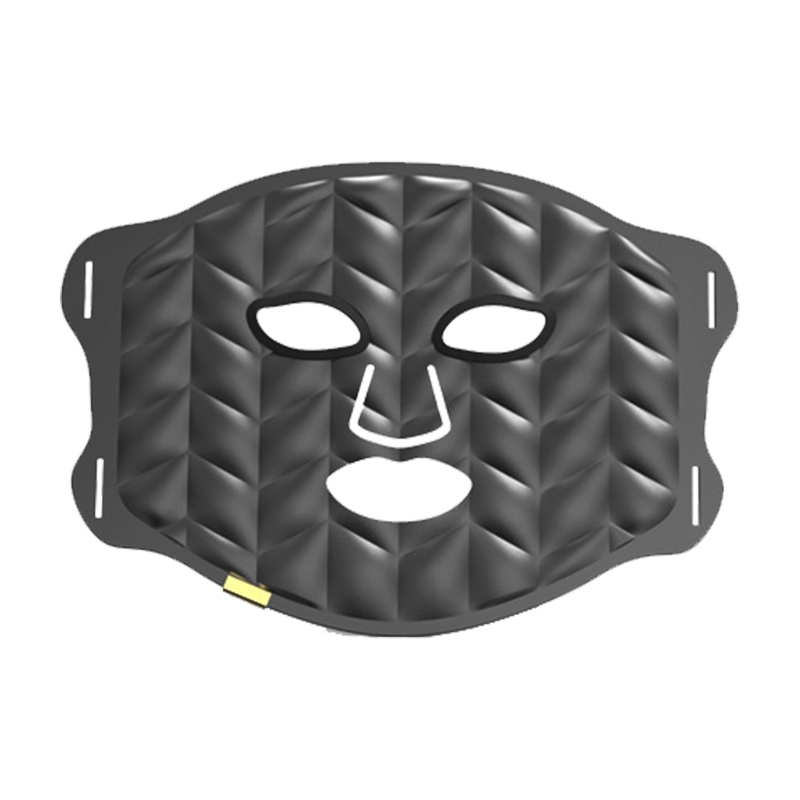
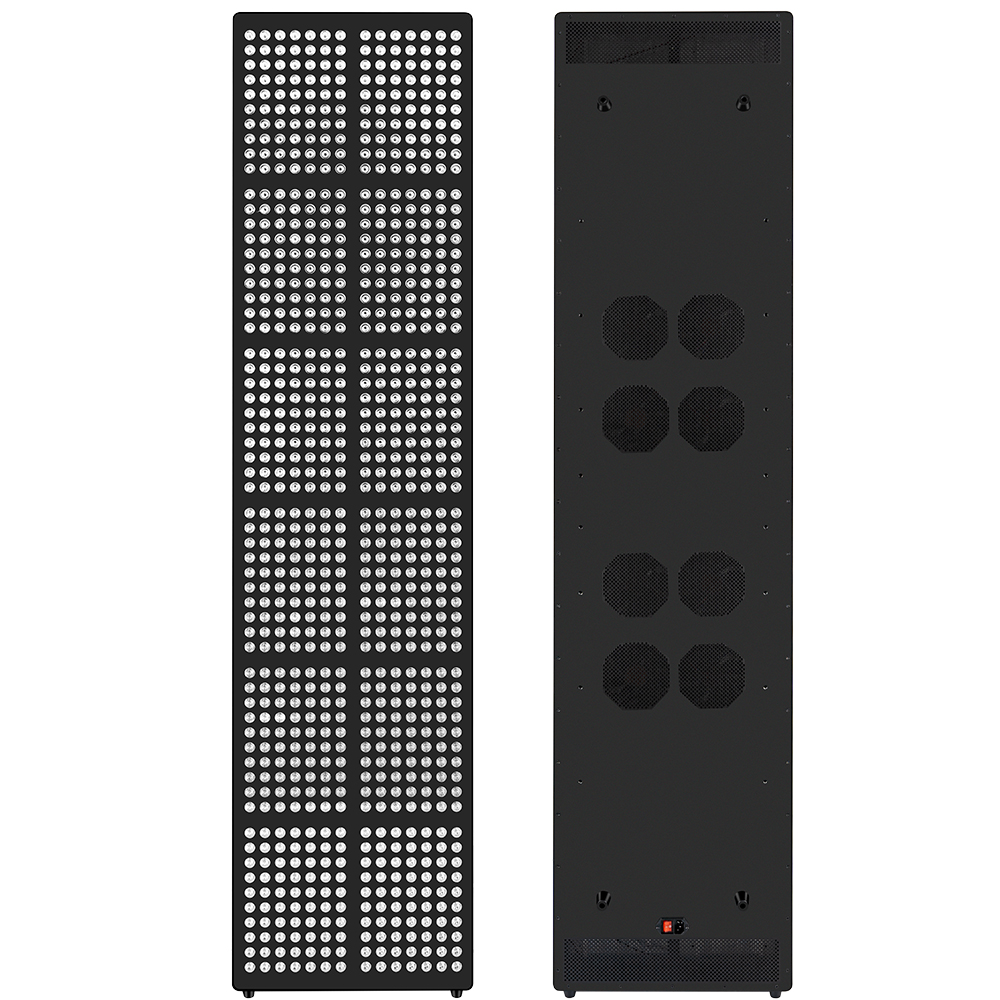
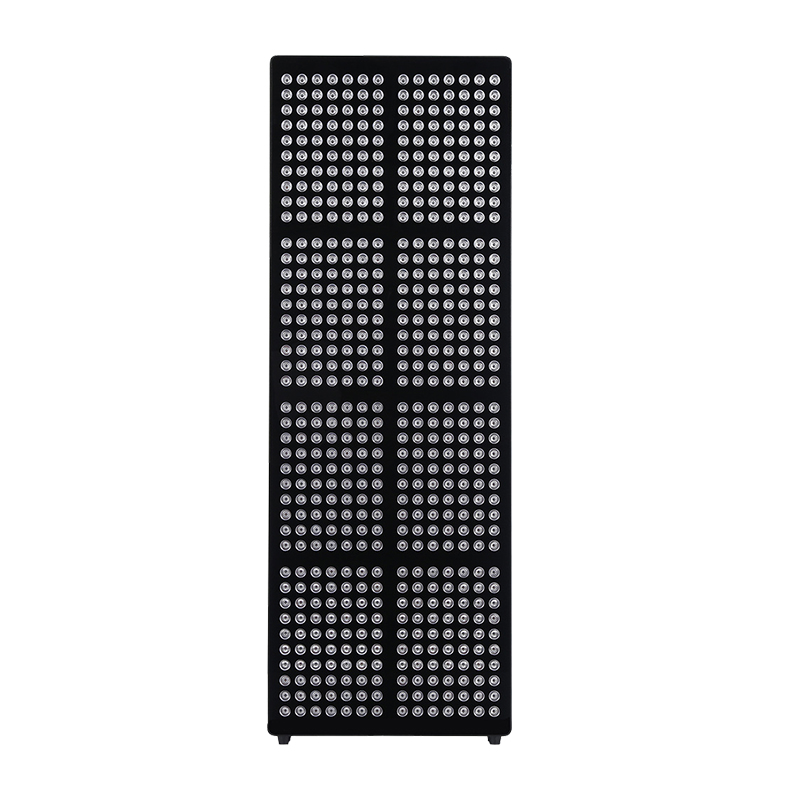
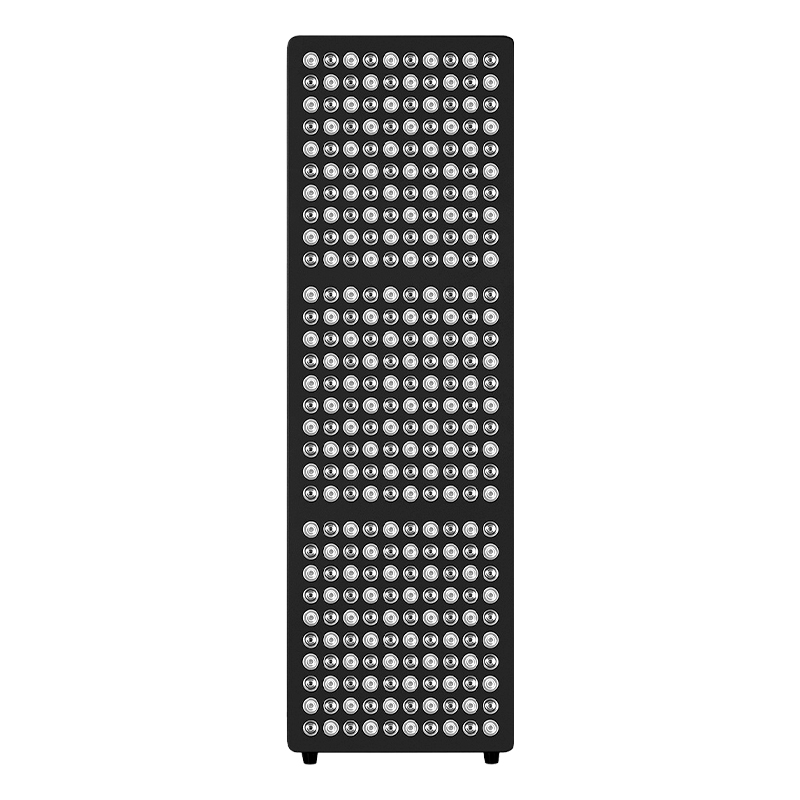
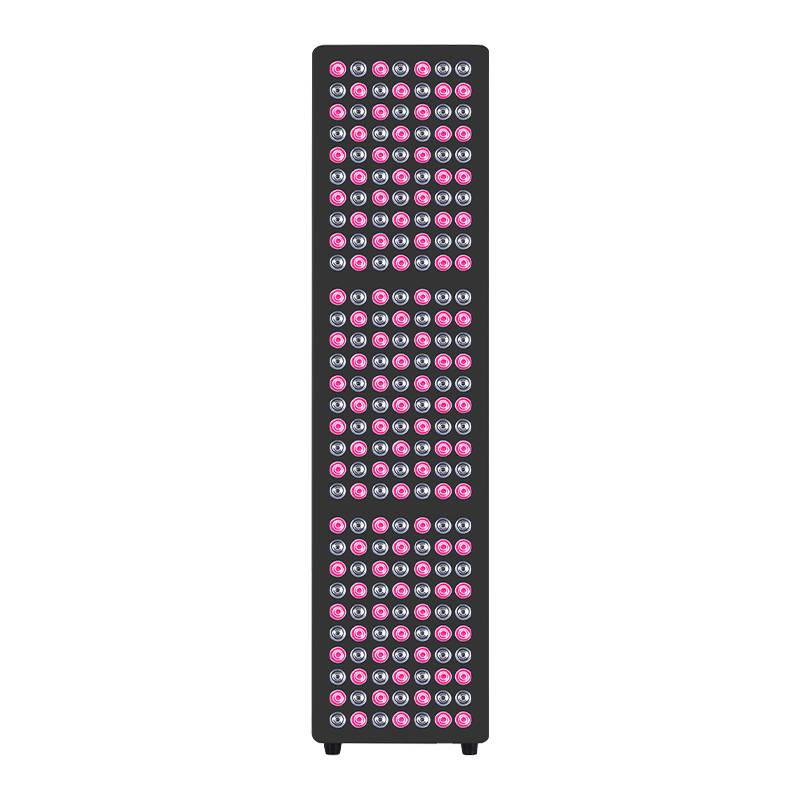
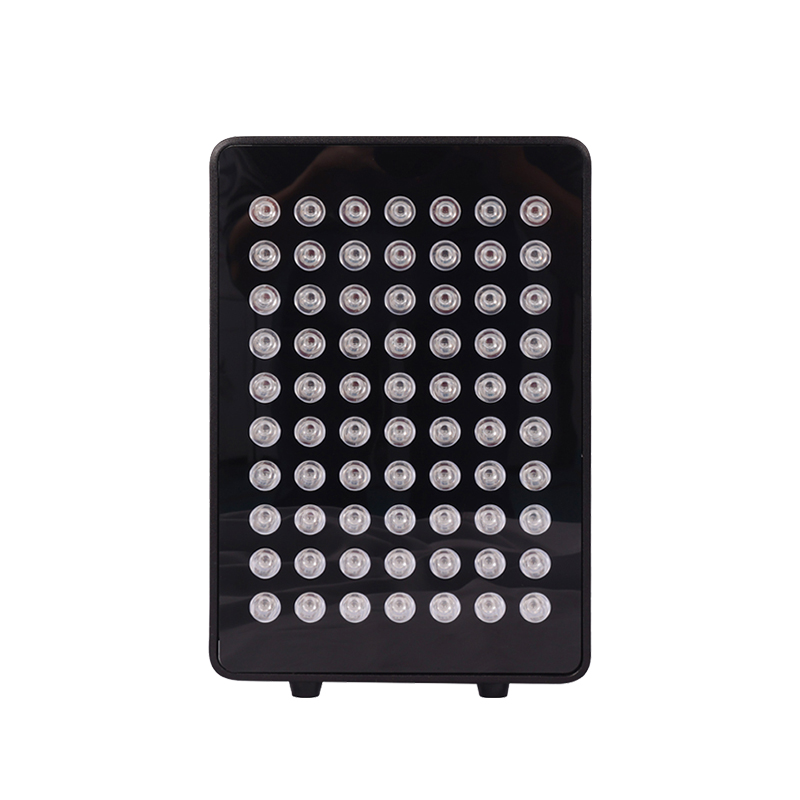
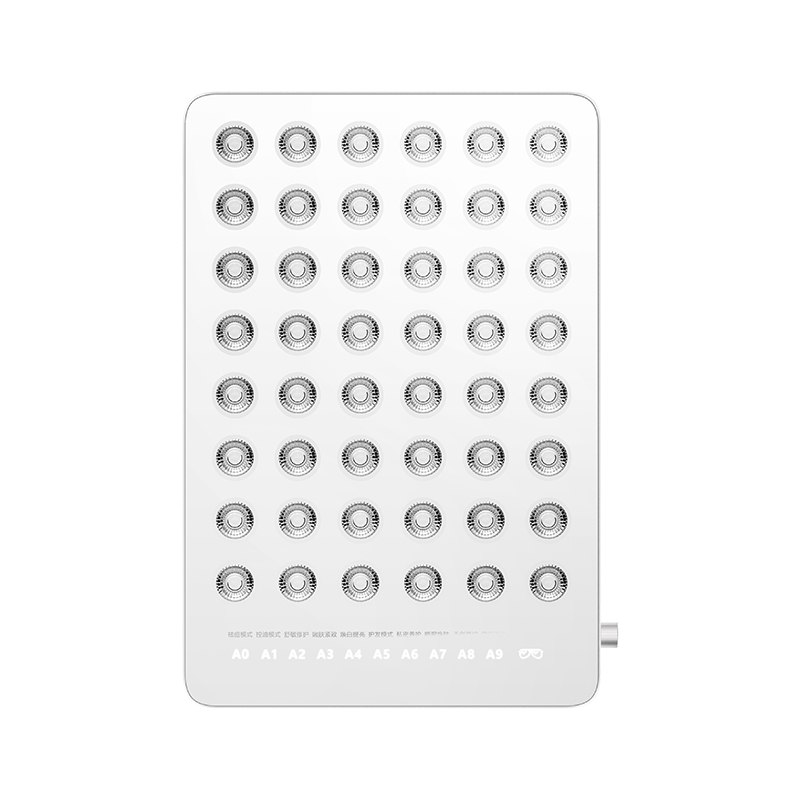
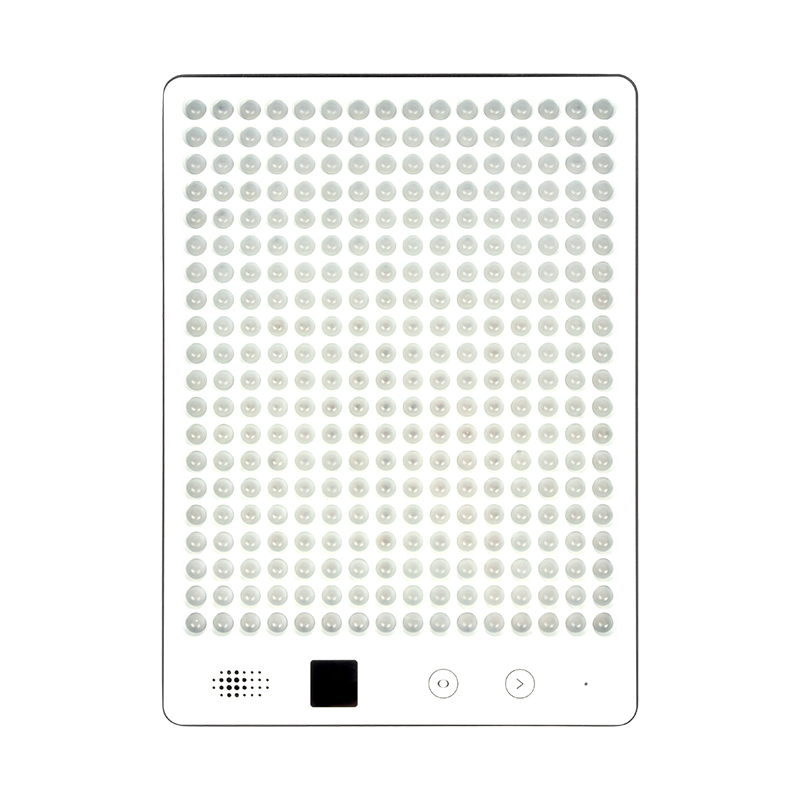
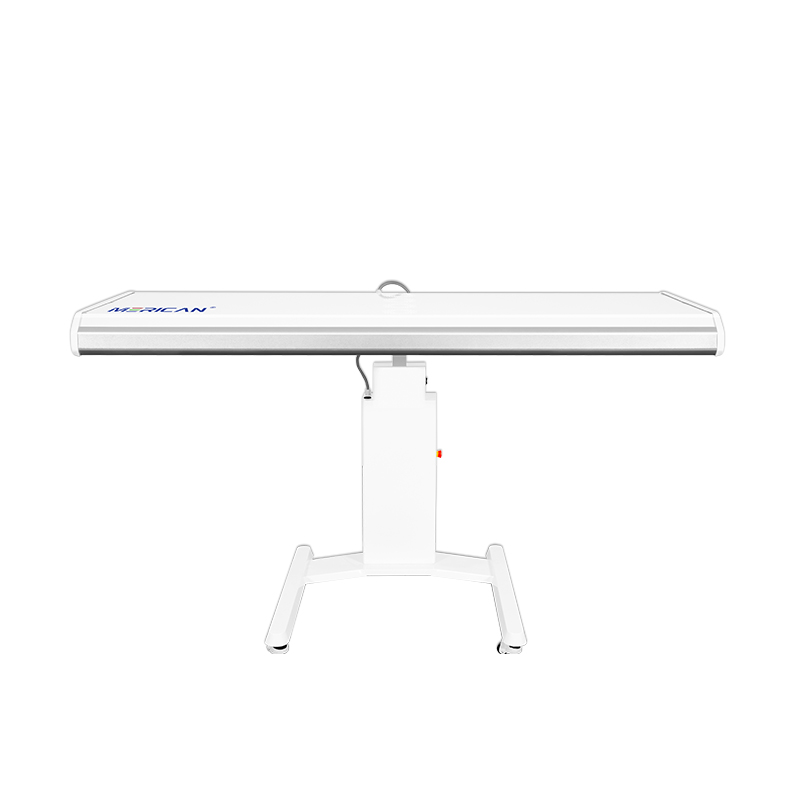
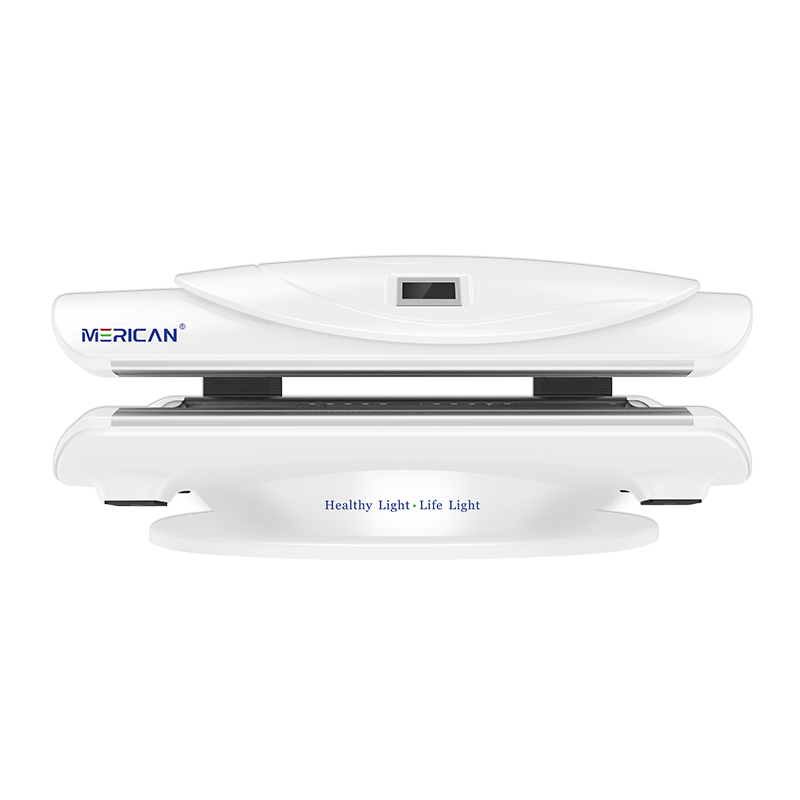
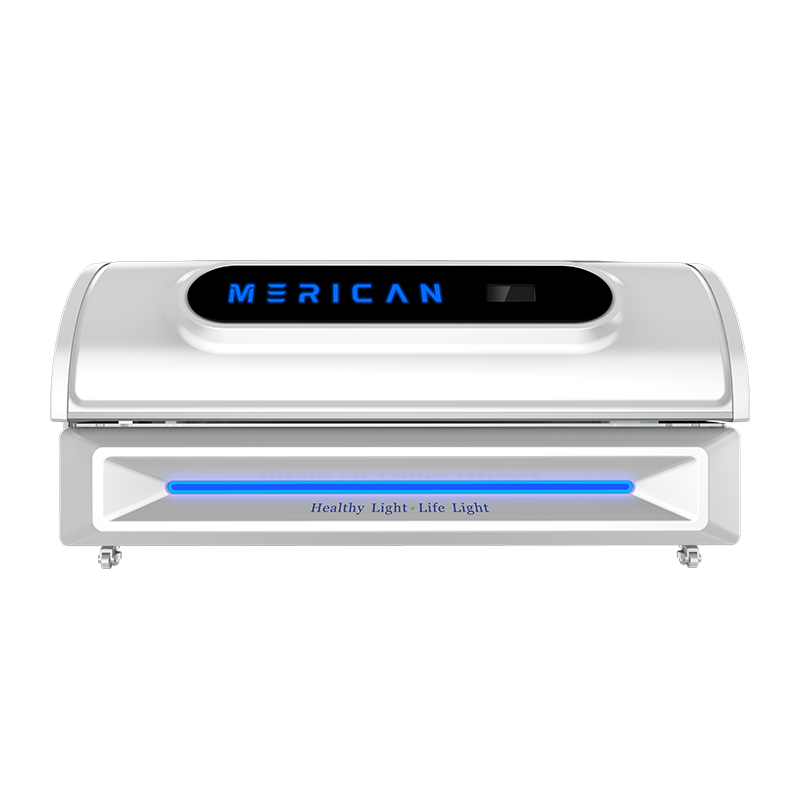
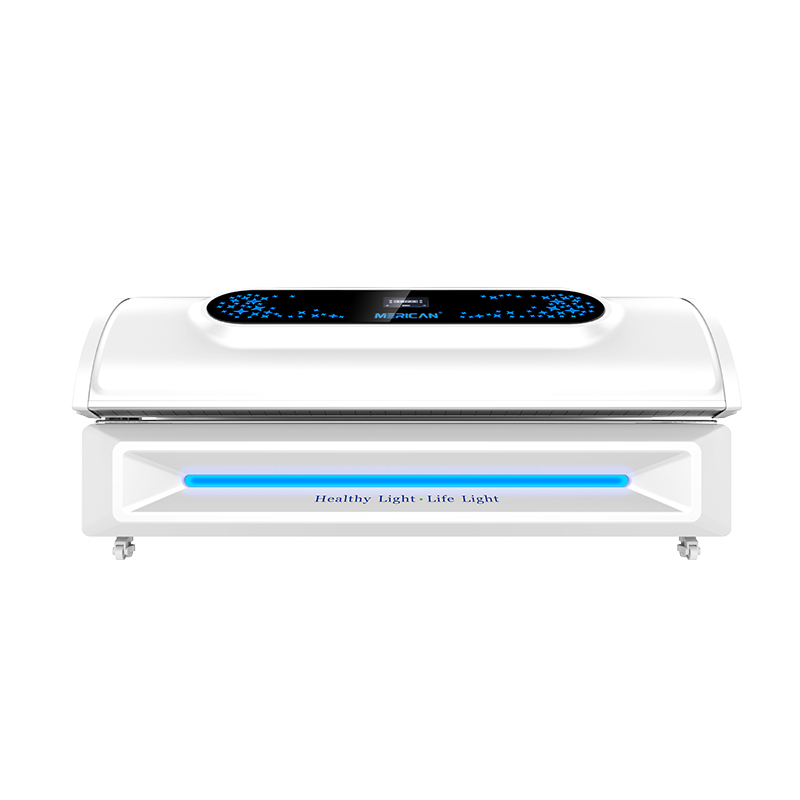
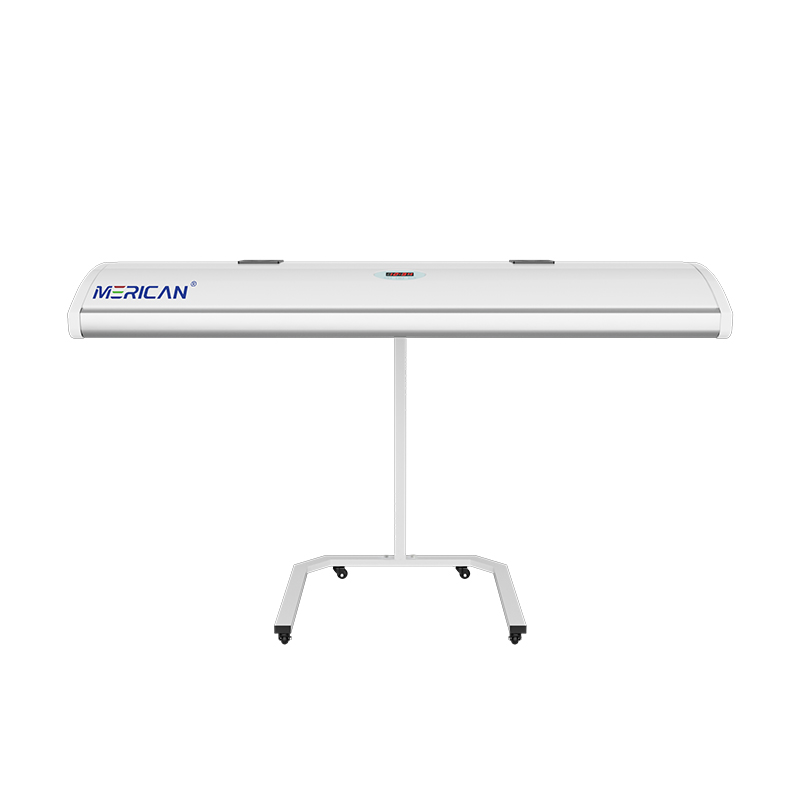
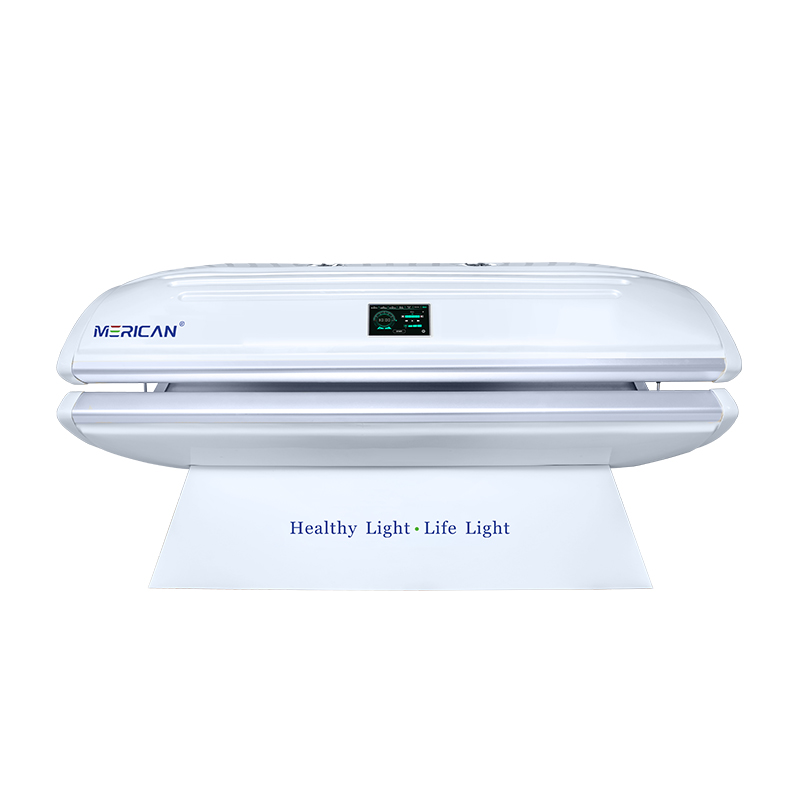
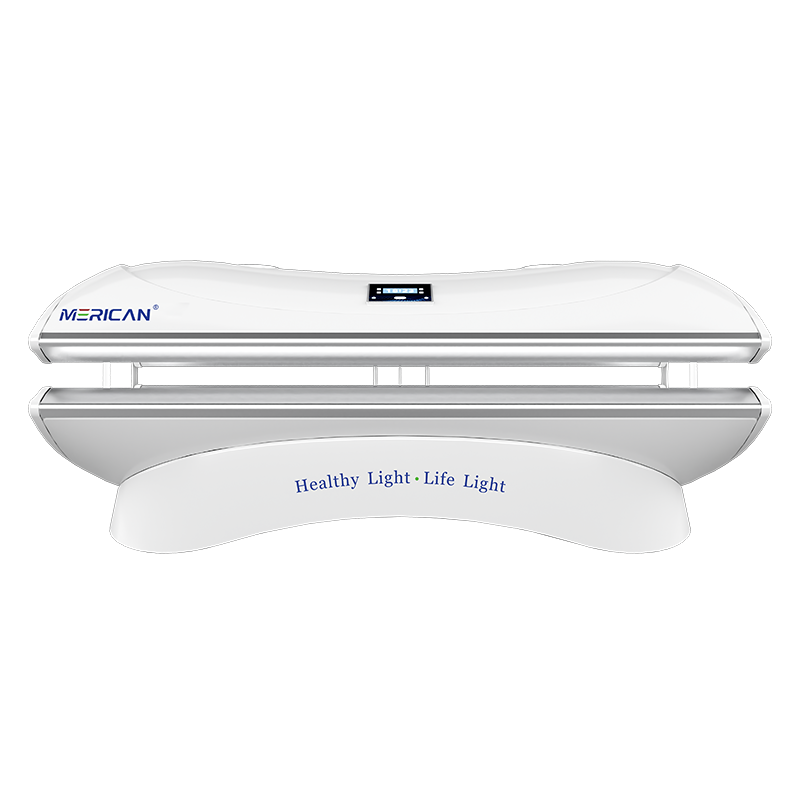
A common question about red light therapy is whether it can still be effective when used over clothing. The short answer is: red light therapy can partially work through clothes, but effectiveness is reduced.
1. How Red Light Therapy Penetrates the Body
Red light therapy uses red (630–660 nm) and near-infrared (810–880 nm) wavelengths. These wavelengths are known for their ability to penetrate human tissue more effectively than shorter wavelengths like blue light.
Near-infrared light, in particular, can reach deeper layers of muscle and connective tissue.
2. What Happens When Light Meets Clothing
Clothing acts as a physical barrier that can:
- Reflect part of the light
- Absorb certain wavelengths
- Scatter the remaining light energy
The degree of light loss depends on:
- Fabric thickness
- Color (dark colors absorb more light)
- Weave density
Thin, light-colored fabrics allow more light to pass through than thick or dark materials.
3. Red Light vs. Near-Infrared Through Clothes
- Red light (630–660 nm): More easily blocked by clothing
- Near-infrared (850 nm): Better penetration through both fabric and tissue
This is why devices that include near-infrared wavelengths tend to perform better when used over clothing.
4. Does Clothing Make Red Light Therapy Useless?
No—but it does reduce efficiency. Less light reaches the skin, meaning:
- Longer sessions may be needed
- The delivered dose is lower
- Results may be less consistent
For best results, direct skin exposure is generally recommended.
Conclusion
Red light therapy can work through clothes to some extent, especially when near-infrared light is involved. However, direct skin contact ensures more reliable and effective light delivery.