Hepetema 29 Ko te ra o te ngakau o te ao ia tau. E ai ki nga tatauranga a te World Health Organization, mate Cardiovascular take ki runga ki 18 miriona mate ia tau, kaute mo 32% o nga mate o te ao, e mohiotia ana ko te "kohuru nama kotahi". Na, me pehea te tiaki i te hauora o te ngakau?
Ko te mahi o te ngakau me te paopaotanga toto e mahi tahi ana ki a raua ano
Te ngakau, e mohiotia ana ko te "engine" o te tinana, he kawe toto ki nga wahanga katoa o te tinana i te ao me te po. Ko te toto e rere ana ka kawe te hāora me ngā momo matūkai ki ngā whekau me ngā pūtau katoa o te tinana, ka taea e ratou te mahi i o raatau mahi.
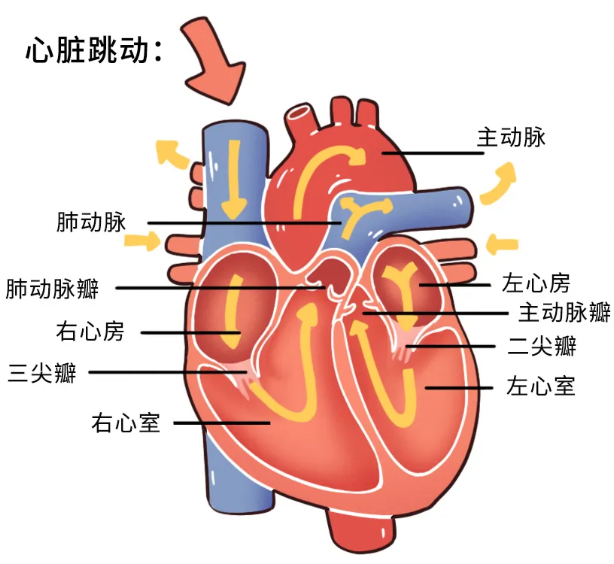
I taua wa ano, Ka taea hoki e te paopaotanga toto te whai paanga nui ki te mahi o te ngakau na roto i te kaha o te kaha o nga cardiomyocytes, te taumata hauora o nga arai coronary, me te taumata toto toto katoa. I te wa kua ngoikore te ngakau, kua paheke ranei, ka aukati i te tuku toto myocardial me te tuku hāora, ka pa ki nga mahi katoa o te pūtau me te whakaawe i nga momo mate ngakau, penei i te mate ngakau korokoro, cardiomyopathy, te mate whakapeka, atherosclerosis, me etahi atu.
Ko nga momo mahi kino kei te whakararu i te taumahatanga o te ngakau
He mea tika kia mahara ki te wareware ki te ngenge o te mahi me te ahotea, he maha nga tangata kei a ratou etahi tikanga kino e kino ana te hauora ngakau ……
1、Kai me te Inu Puke
Ko te kai me te inu ka nui ake te taumahatanga o te kopa gastrointestinal, Ko te tino kaha ki te whakaeke i te pancreatitis whakapeka, kia iti ai te tuku toto nahanaha, ka hua te ischemia myocardial me te mutunga ka paheke te mahi ngakau. I tua atu, ka puta hoki te piki ohorere i roto i te kohanga gastrointestinal, ka puta te diaphragm ki runga tata tonu ki te ngakau, ka kaha ake te mate ngakau.
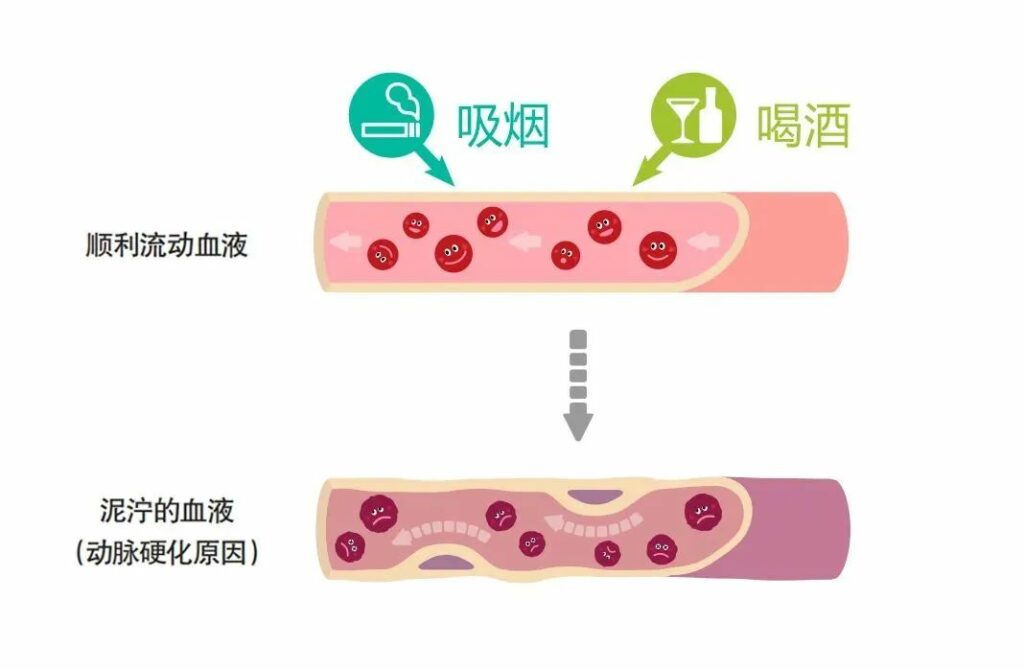
2、Kaua rawa e waiho te ringa o tetahi kaore he hikareti, he inu raneiKo te inu waipiro ka arahi ki te fibrosis o te cardiomyocytes me te fibrosis interstitial, na te whakaiti i te whakahekenga myocardial me te mahi diastolic. I tua atu, kei roto i te tupeka nga matū penei i te waikura nitric me nga rauropi kore utu, ka taea te pakaru i te endothelium o nga oko toto, ka pa ki te tuku matūkai me te rere o te toto ki te ngakau me te paheketanga o te lipid metabolism, te whakaoho i nga momo mate cardiovascular.
3、Te Noho Rore mo te Roa
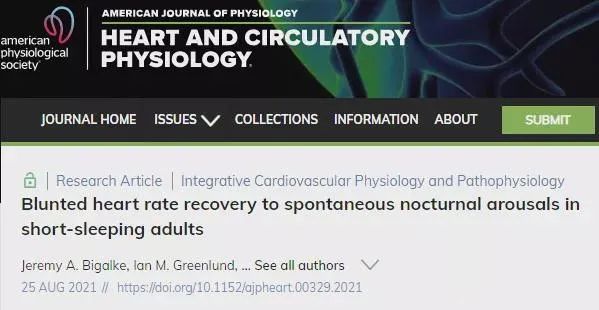
Ka hiahia te ngakau ki te okioki i nga wa katoa kia pai ai tana mahi, te roa o te po o te po ka arahi ki te tinana o te whakaihiihi nerve aroha na te piki haere o te toto, te taumaha o te ngakau, te manawataki o nga raruraru o te ngakau, a tae noa ki nga keehi kino ka pa ki te mate ohorere.
4、Te huru kino
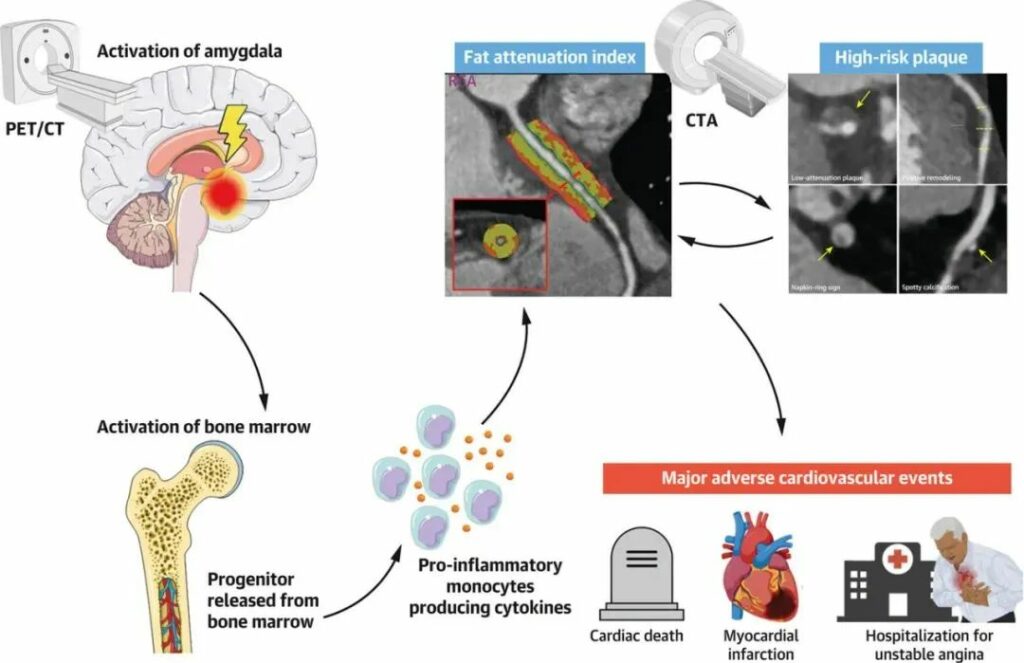
Ka huna ano hoki e te ngakau nga matū endocrine hei whakarite i te taurite metabolic. I te ahotea, te manukanuka, te riri ranei, ka taea e ia te whakaputa i te cortisol me te adrenaline, ka taea te arahi ki te ischemia myocardial, he mate e mohiotia ana i te rongoa ko te "stress cardiomyopathy".
Me pehea te kaha o te ngakau?
I tua atu i nga mea o runga ake nei, ko te puta mai o te mate cardiovascular he hononga tata hoki ki te noho noho, mōmona, mahi kaha, te whakaheke me etahi atu tikanga kino. No reira, hei tiaki i te hauora o te ngakau, from the formation of good habits to start!
1、Reasonable and Healthy Meals
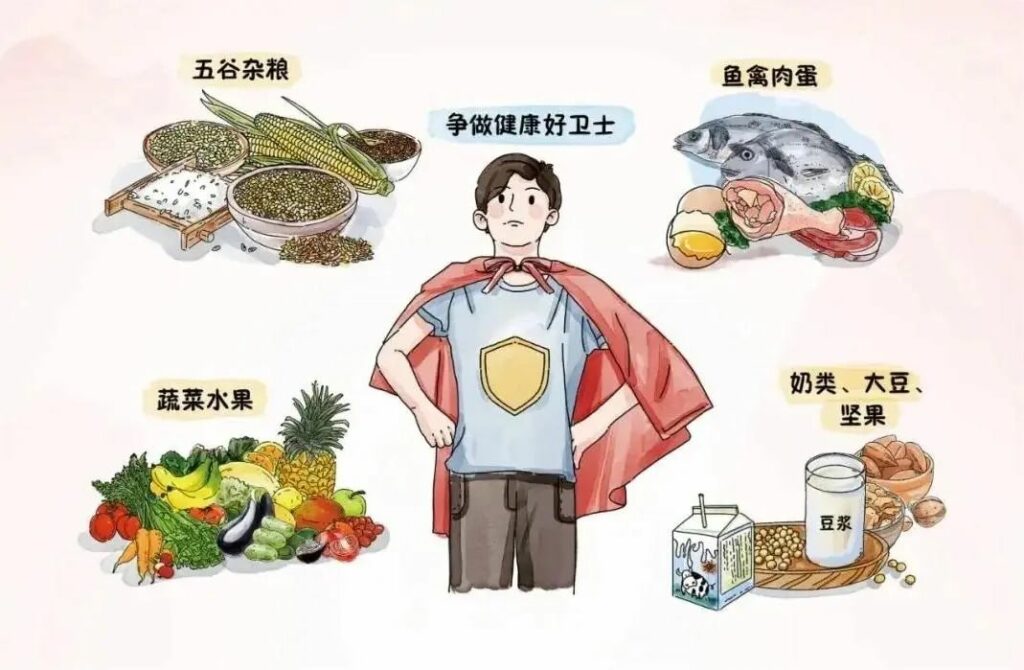
Pay attention to dietary patterns, maintain a healthy weight, avoid overeating, you can eat more food rich in dietary fiber, such as celery, spinach, etc., and pay attention to hydration.
2、Appropriate Regular Exercise
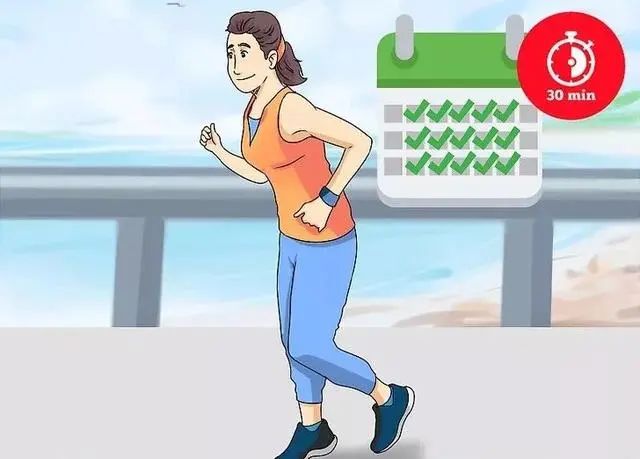
Appropriate exercise can enhance blood circulation, but should not be overdone. It is recommended to start with low-intensity exercise and gradually increase the amount of exercise in a gradual manner.
3、Learn to release pressure
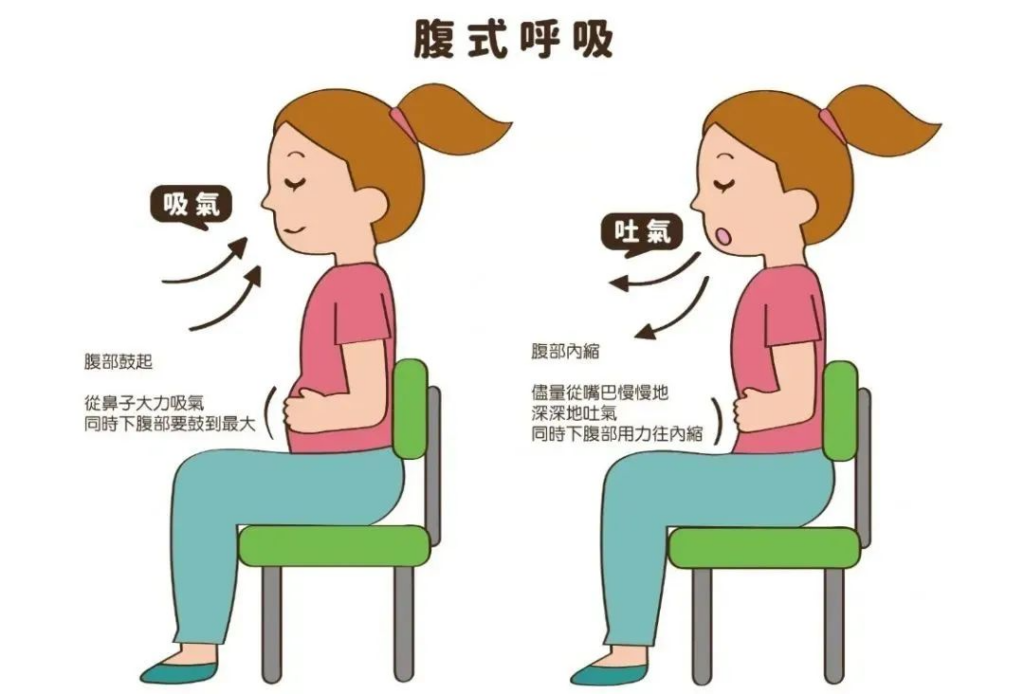
Choose your own way to relieve stress, such as listening to music, reading or confiding in family and friends, etc. You can also follow the rhythm of “two seconds to exhale, two seconds to inhale”, slowing down the breathing frequency, stimulating the brain to release the “decompression substances” endorphins, so that the body and mind to relax.
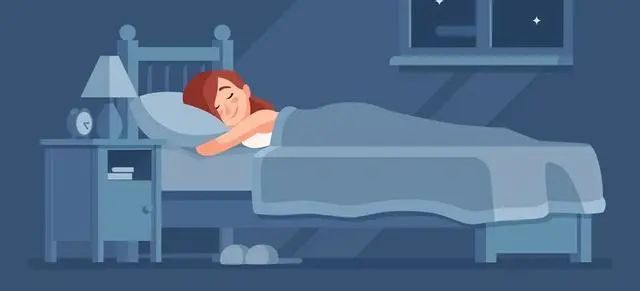
4、Kia nui te moe
Adjust your routine, avoid unnecessary late nights, and try to get enough sleep for 7 ki 8 haora.
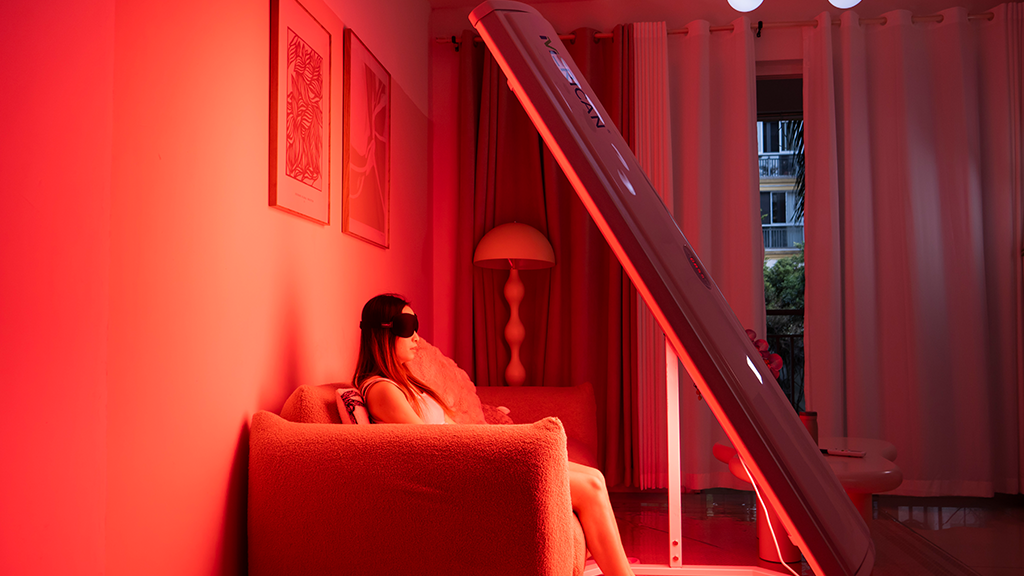
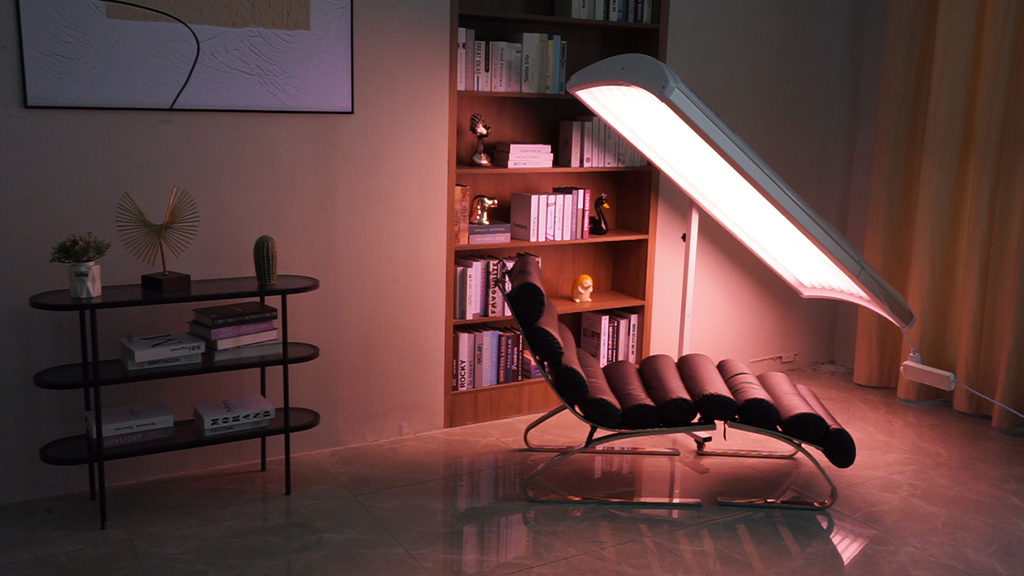
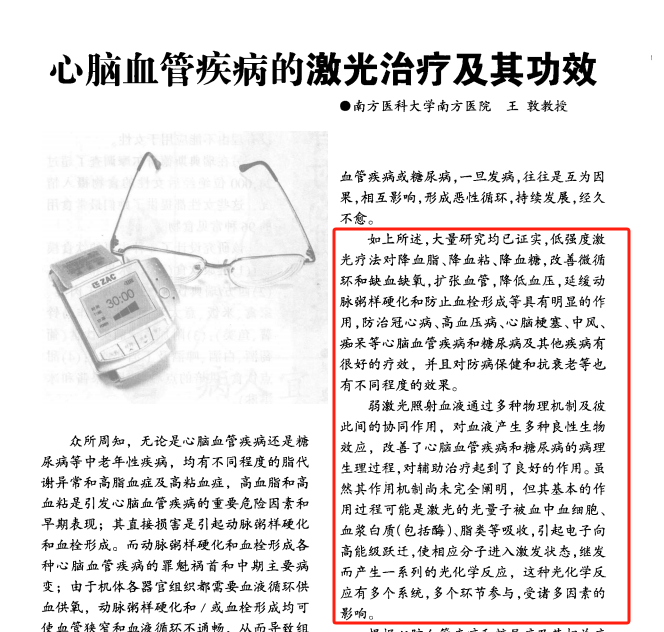
5、Daily illumination with red light effectively improves ischemic and hypoxic conditions
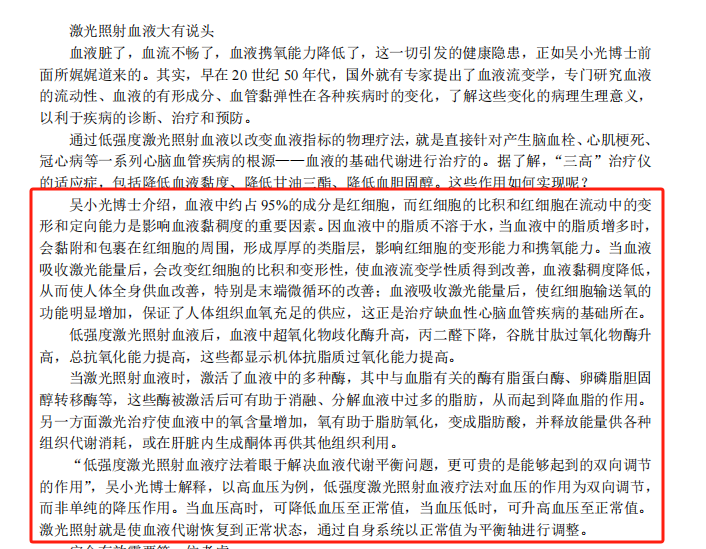
Numerous literature and clinical studies have shown that phototherapy can play a variety of biological roles, promote the proliferation of endothelial cells, microvascular expansion, and at the same time remove free radicals in the body, so that the blood viscosity decreases and the oxygen-carrying capacity increases significantly, improve the blood perfusion of the heart, roro, kidneys and so on, improve the ischemic and anoxic state, so as to restore or improve the function of the organs.
I tua atu, what is more valuable is that phototherapy plays a two-way regulatory role on the balance of blood metabolism, na roto i te whakahoe i nga momo enzyme i roto i te toto ki te mahi i tetahi mahi ture. Ina he tiketike rawa te pehanga toto, he iti rawa ranei, ka whakahokia e ia te paopaotanga o te toto ki te ahua noa, ka whakatika ma tana ake punaha me te uara noa hei tuaka toenga..
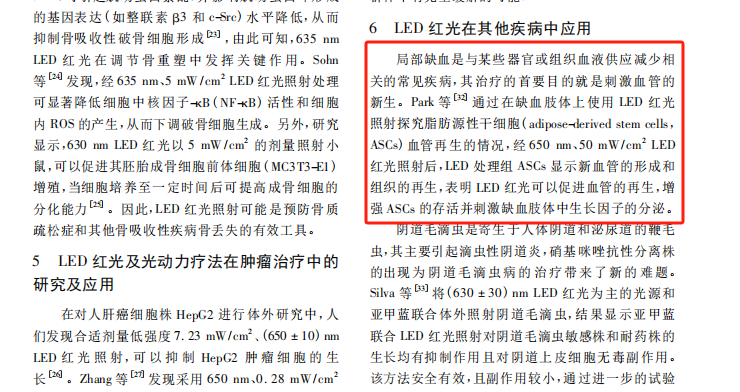
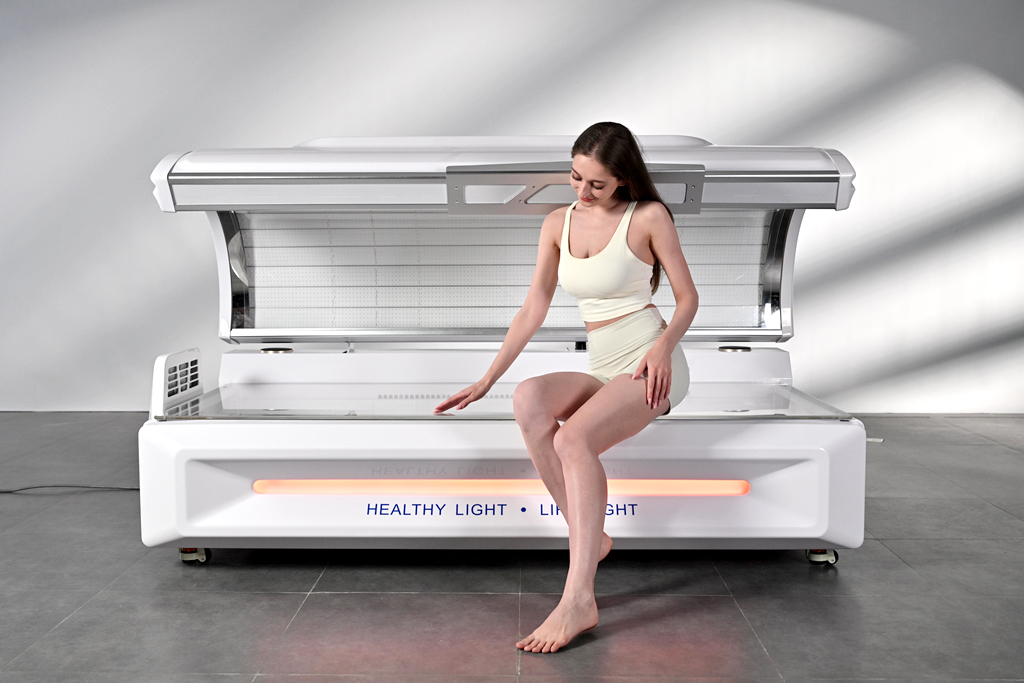
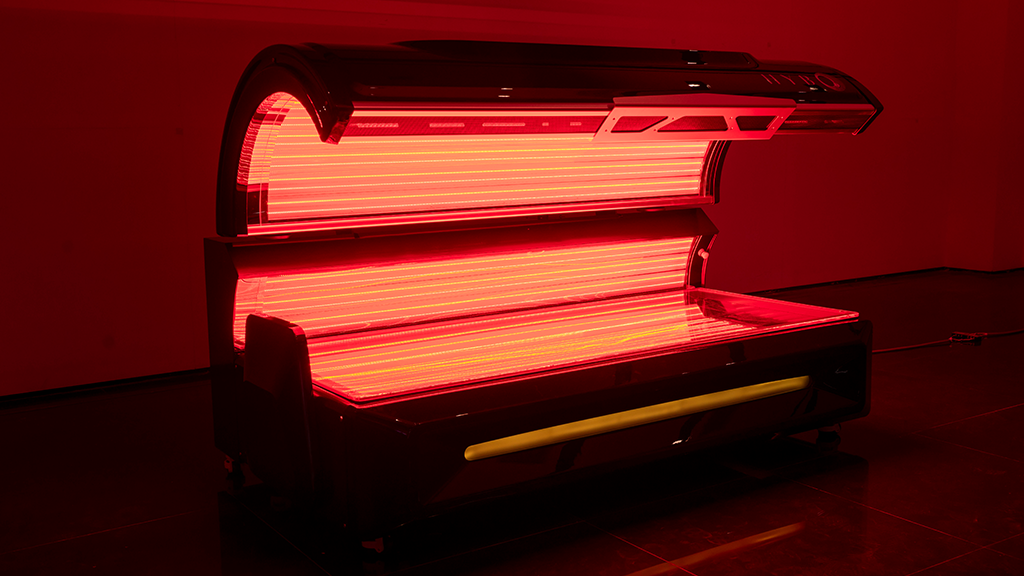
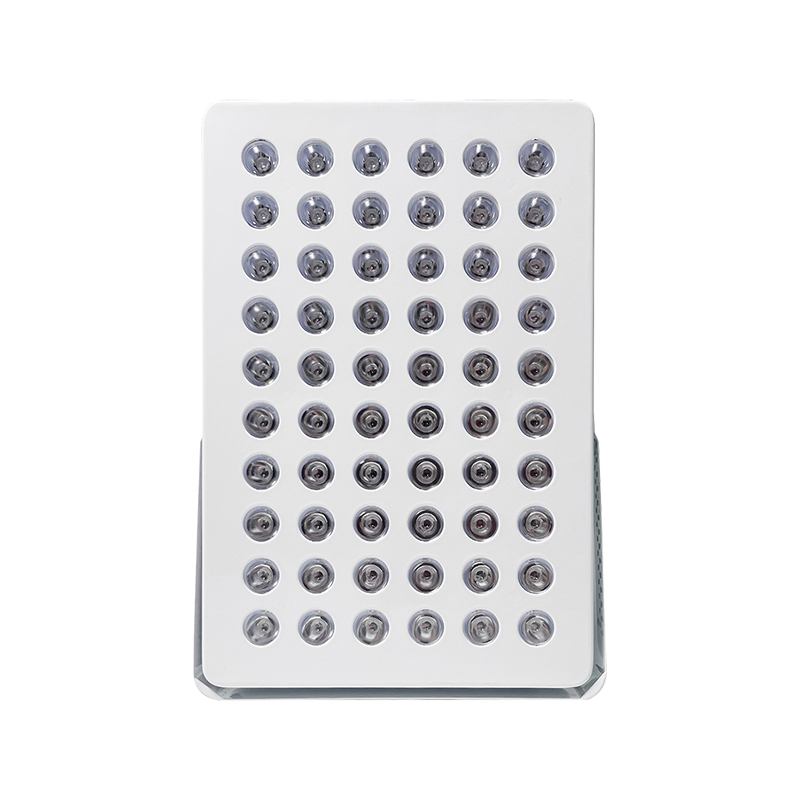
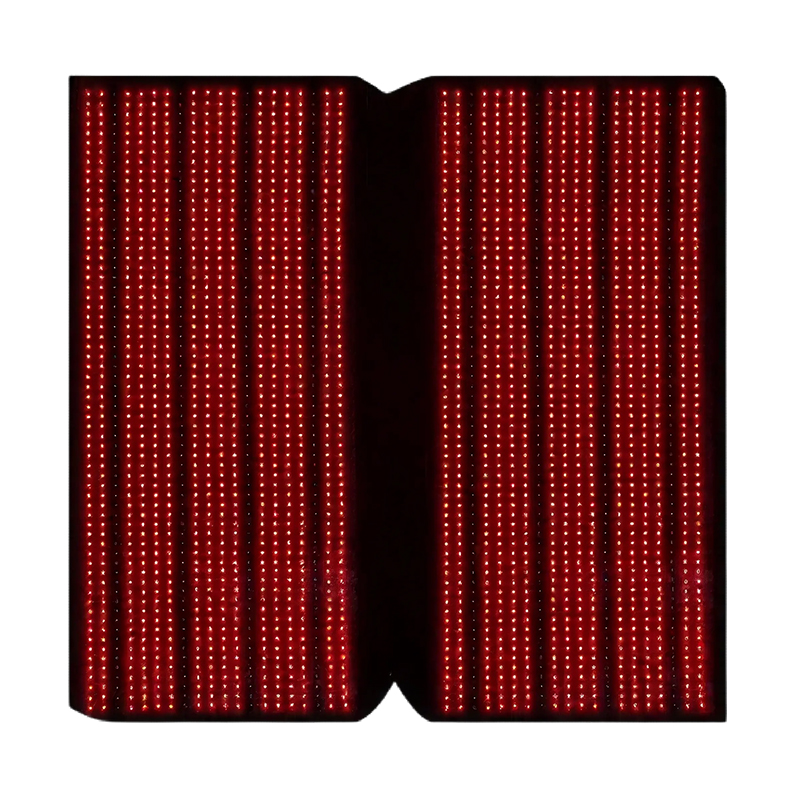
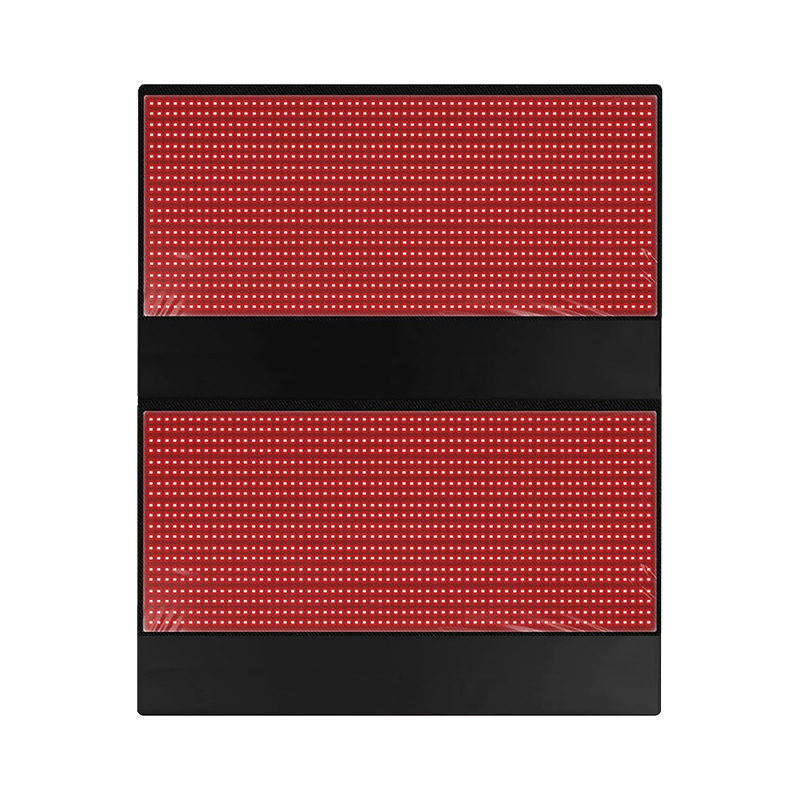
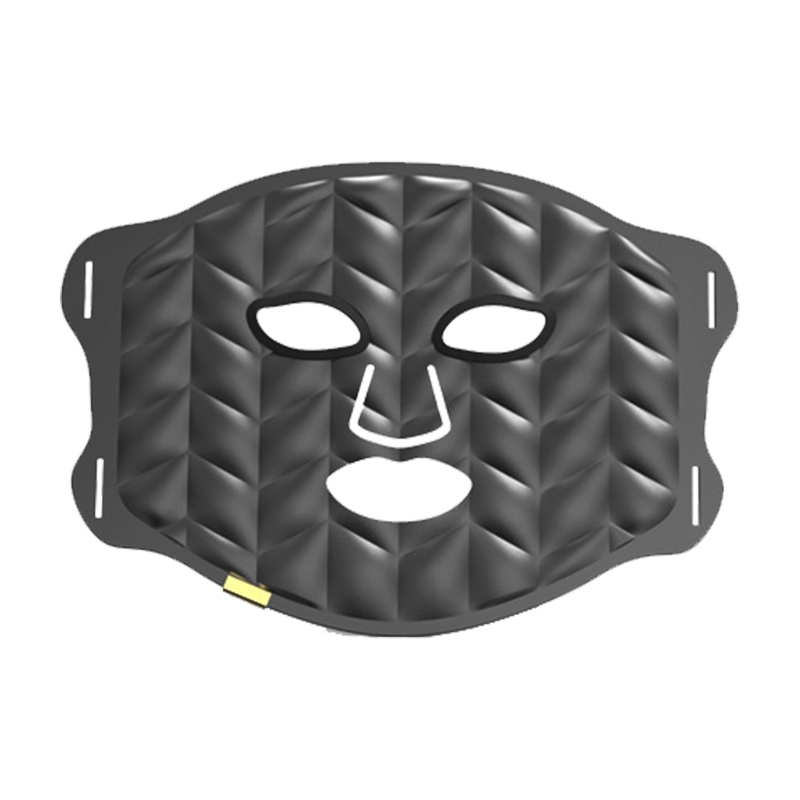
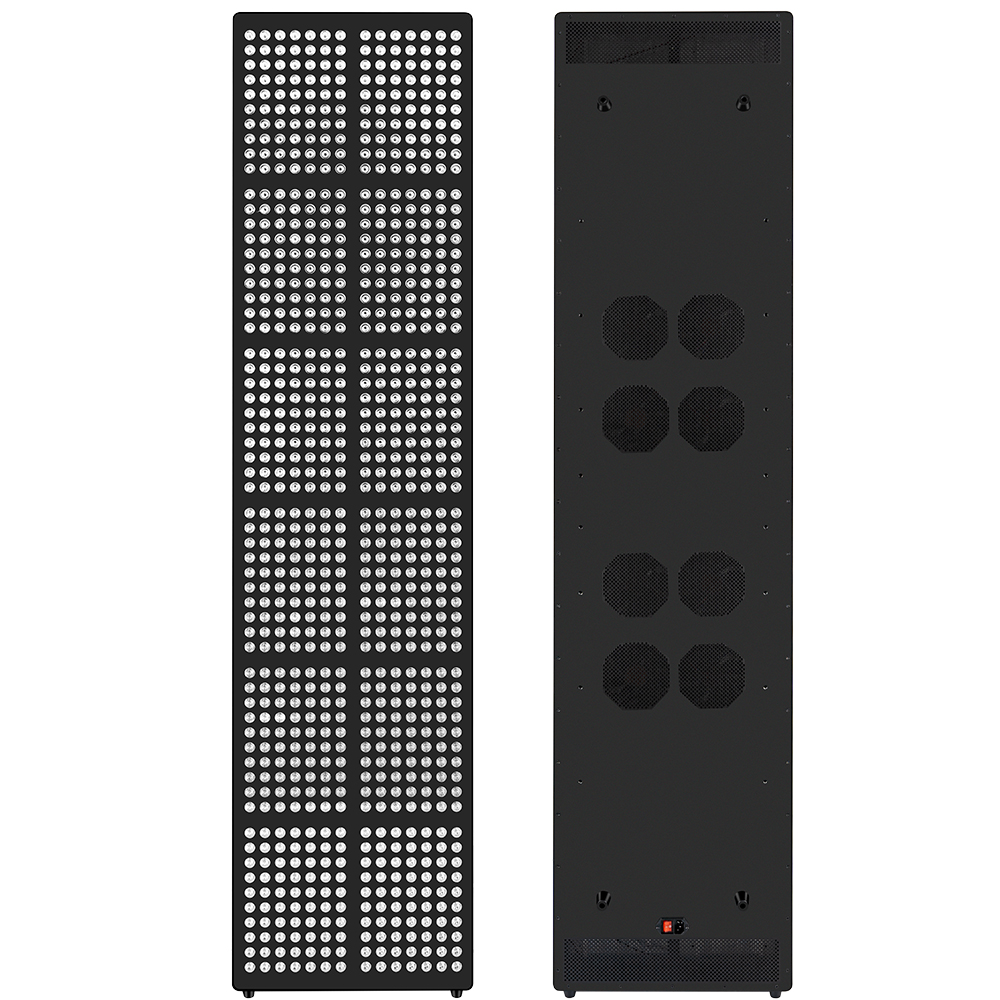
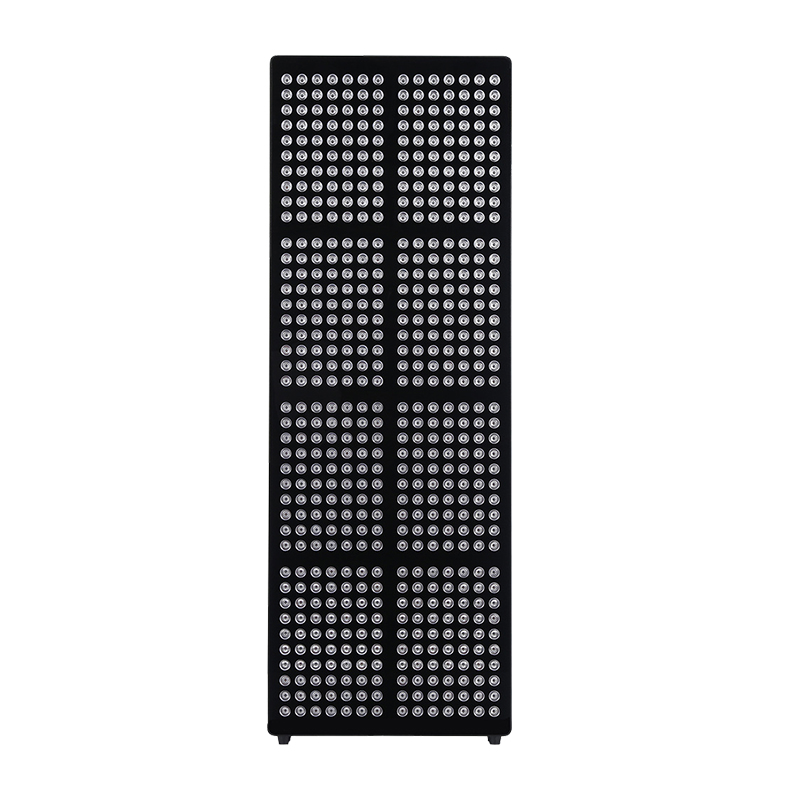
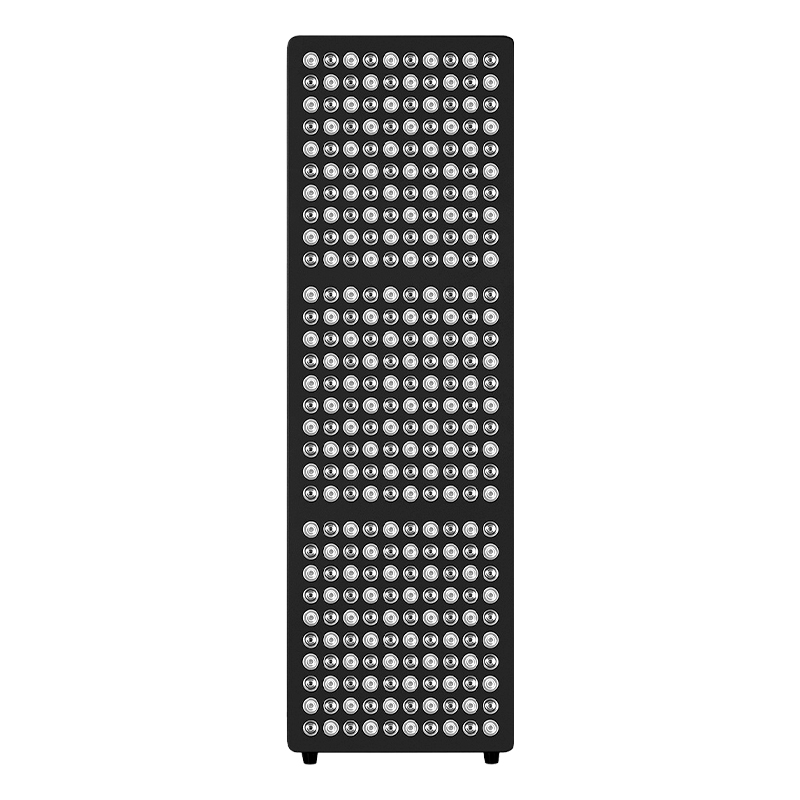
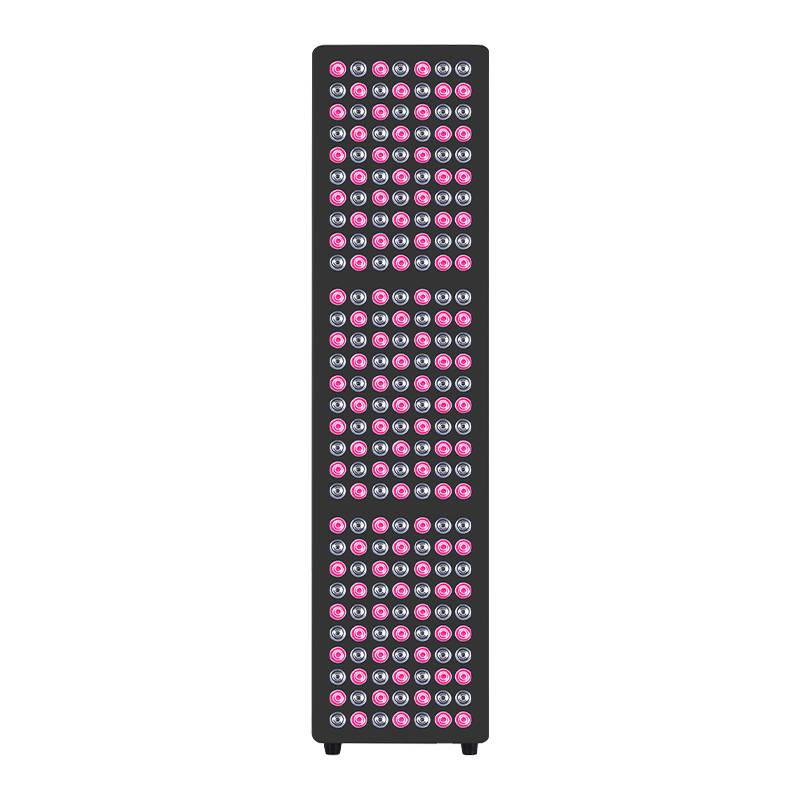
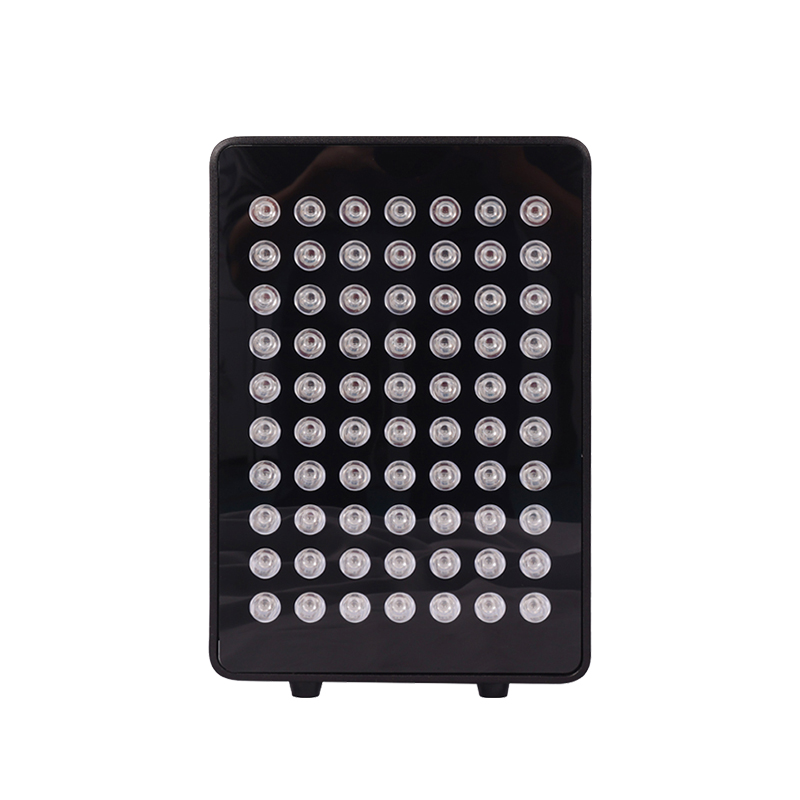
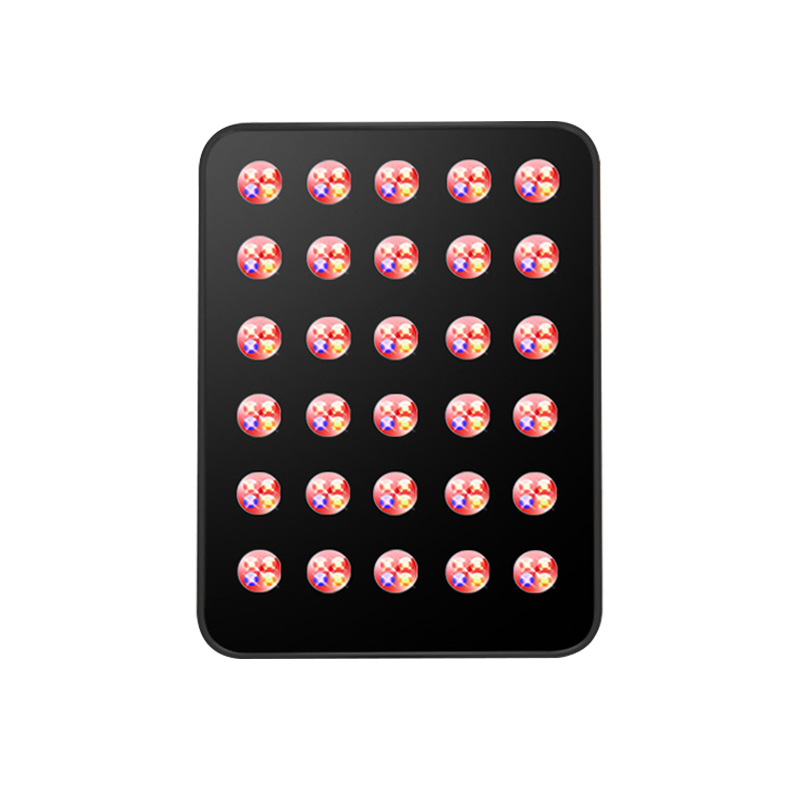
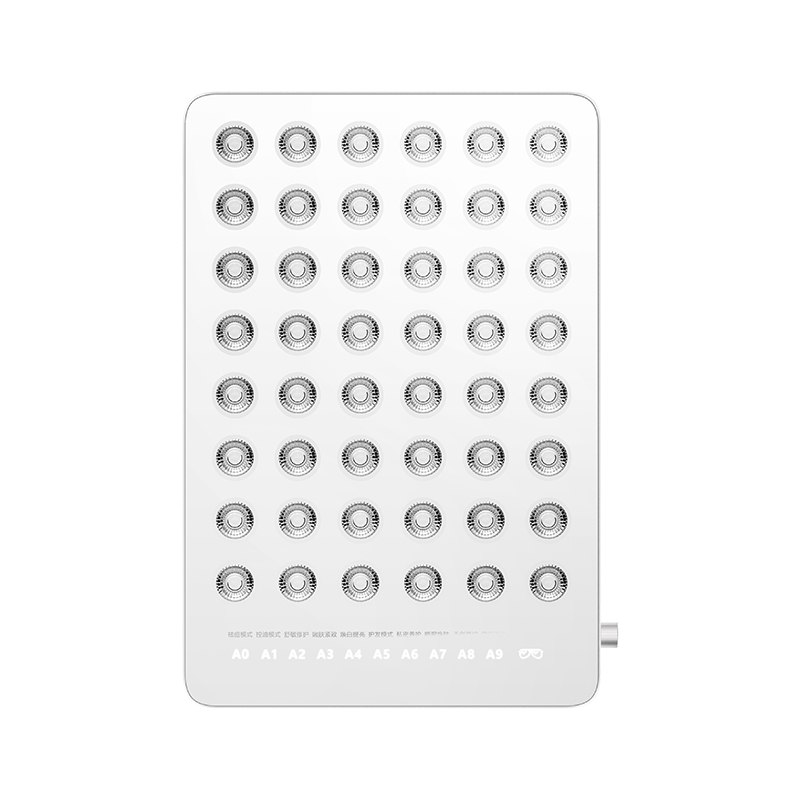
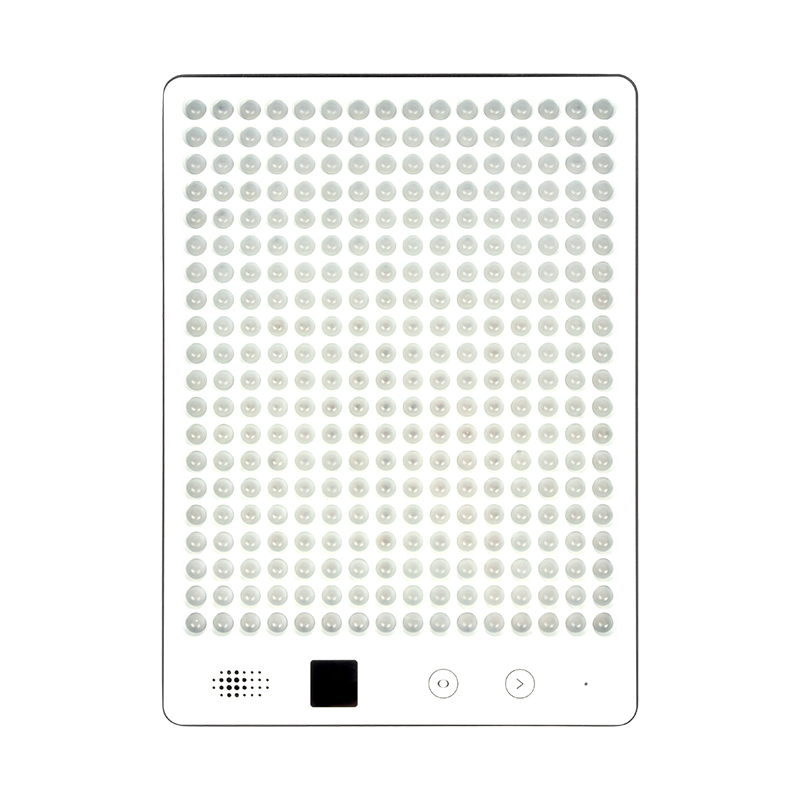
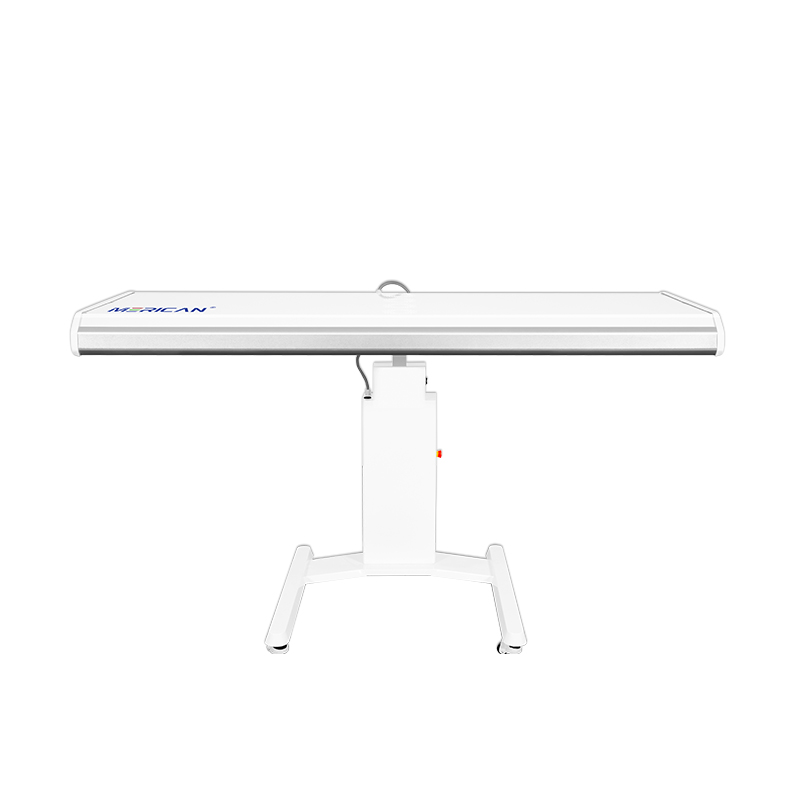
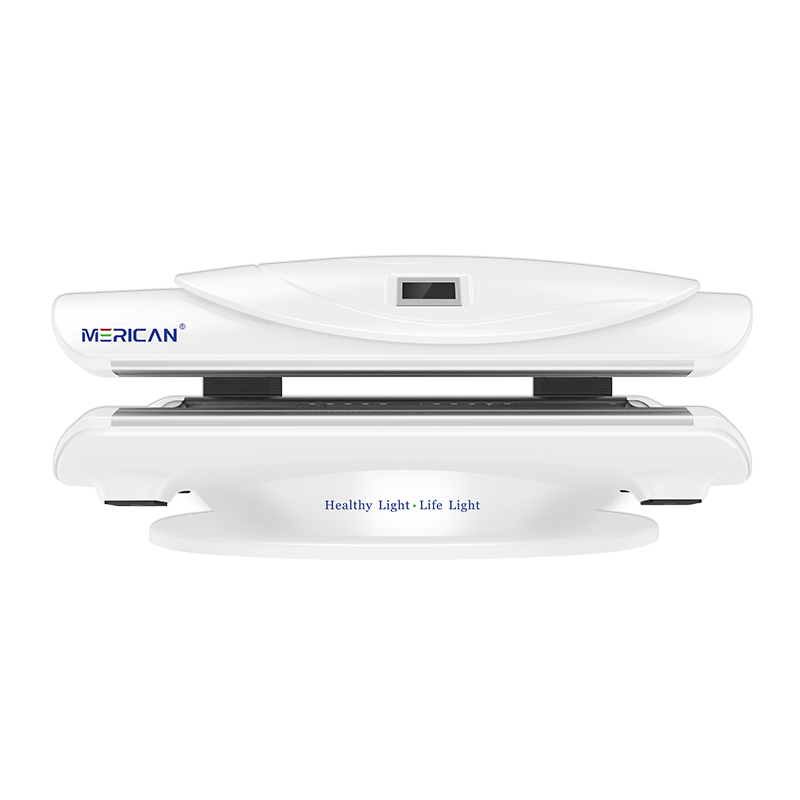
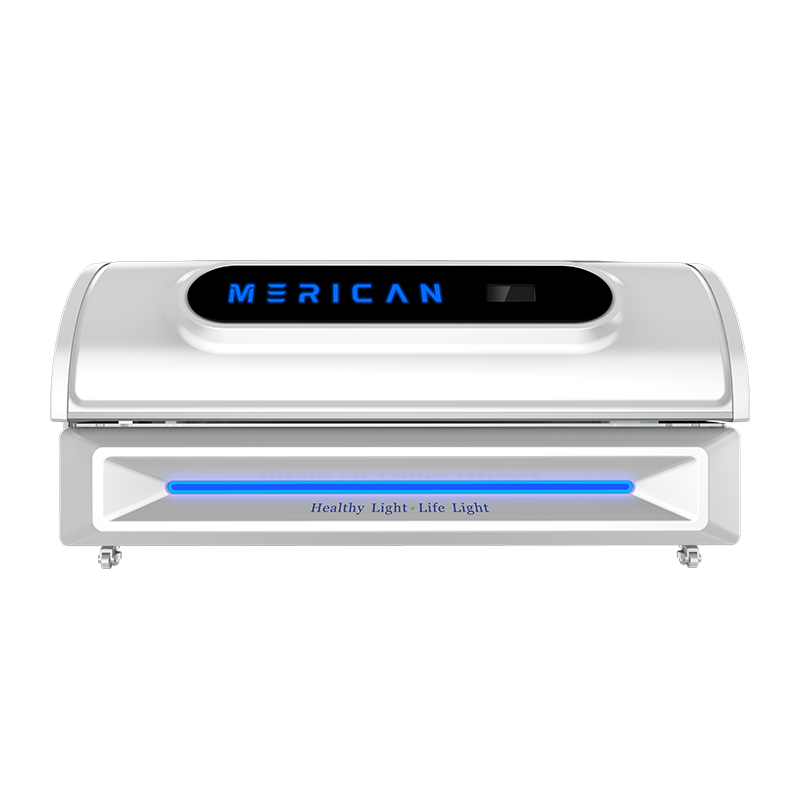
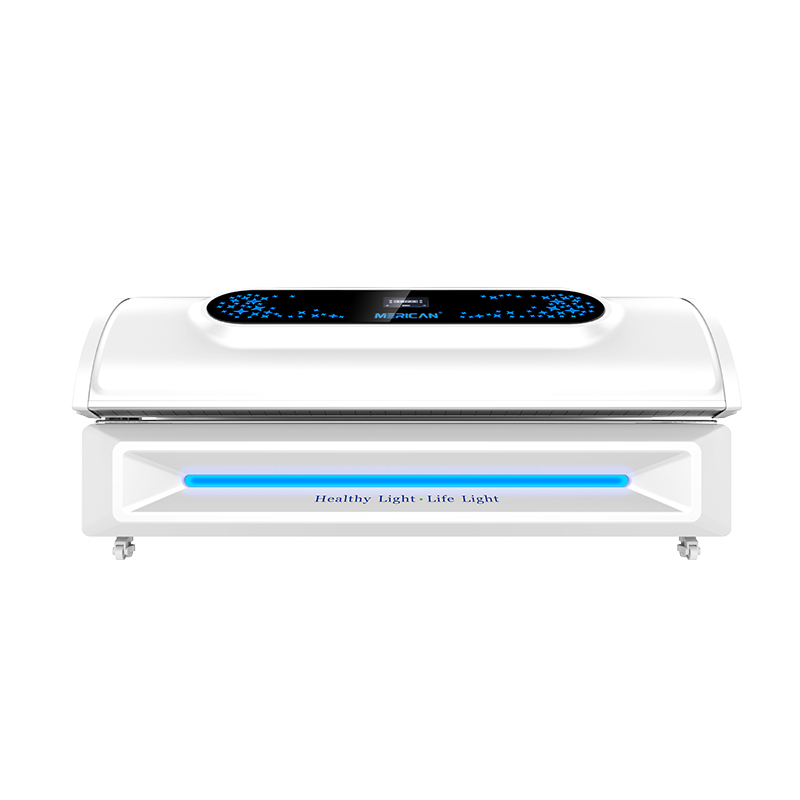
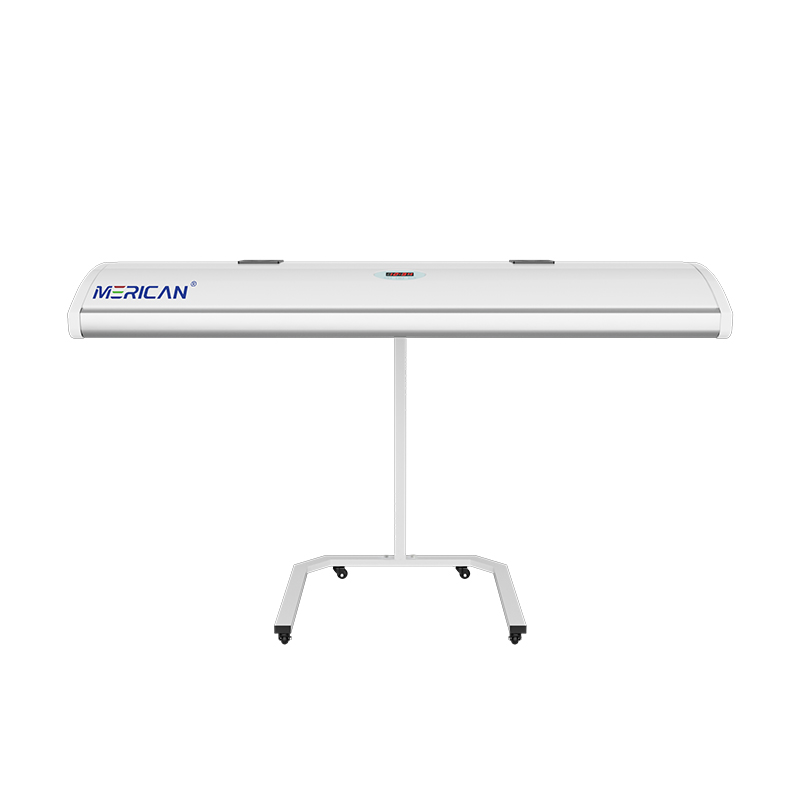
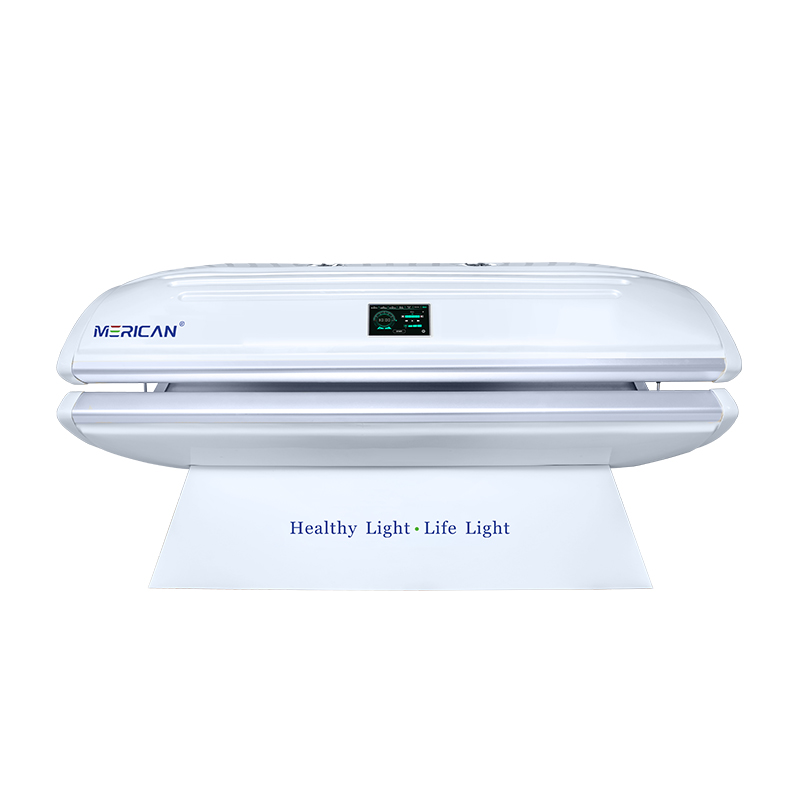
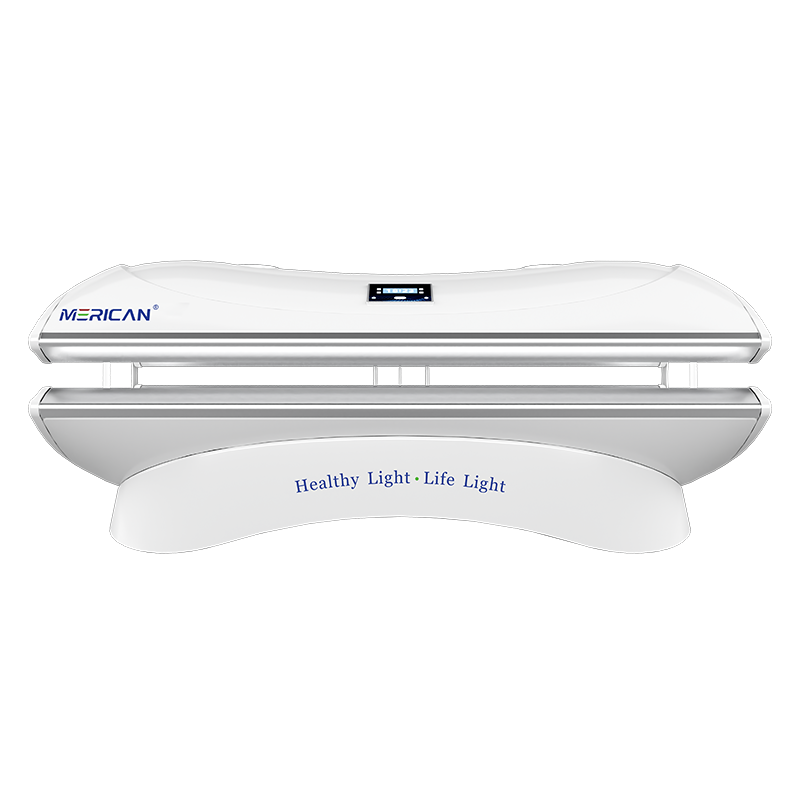
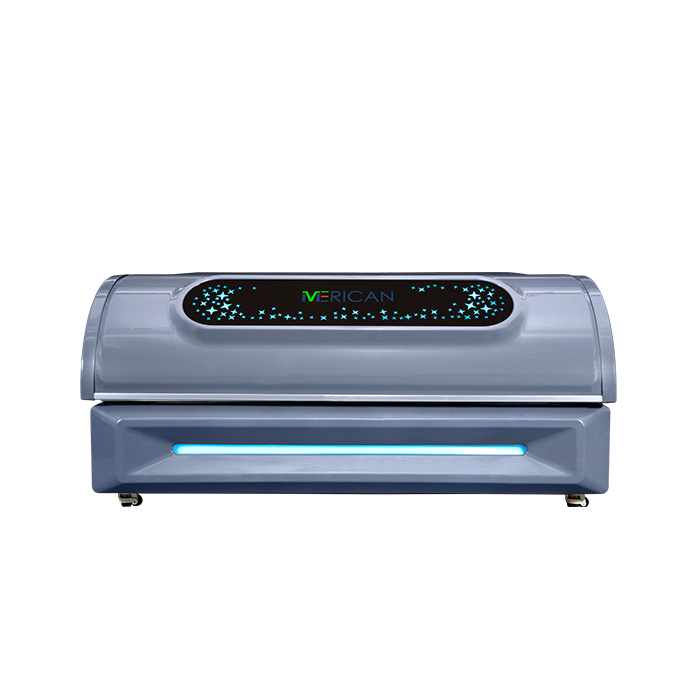
Te whakamahi whare hauora MERICAN, ka taea e ia te whakaputa i te mana o te ture photobiological ki runga i te tinana o te tangata na roto i te maha o nga roopu rama hiato, whakahohe i te mahi o nga erythrocytes toto, te whakanui ake i te mahi o te mitochondrial catalase, whakatere me te whakanui i te whakahiato o te ATP, whakarato i te kaha ake mo te tinana, te whakanui ake i te taumata haunga o te hāora toto, na te whakapai ake i te ahua o te coagulation iti o te toto, tino whakapai ake i te taumata o te microcirculation myocardial me te pākia, me te whakarei ake i te mahi o te papu ngakau, me te kaha ki te aukati i nga mate cardiovascular.
Ko te ra ngakau o te ao ehara i te ra motuhake anake, engari he whakamaumahara ano ko te ngakau kaha te ki o te oranga ora. I te ra o te ngakau o te ao, kia timata mai i te ngakau, kia tupato ki te hauora o te ngakau, whakawhanake i nga tikanga pai, whakaitihia te mate o te mate cardiovascular, me te pai ki te oranga ataahua.