Es la luz roja mala para tus ojos?
Para la mayoría de las personas, este es probablemente el sentido común no probado, y probablemente no sea prudente proyectar ninguna fuente de luz, Pero siempre hay excepciones. Terapia de luz roja es un seguro, natural, y tratamiento efectivo para una variedad de enfermedades y afecciones, incluido – lo adivinaste – tus ojos. A diferencia de otras fuentes de luz intensa, como el sol, La luz roja promueve específicamente el funcionamiento normal sin efectos secundarios negativos.. De hecho, Los estudios han demostrado que la luz roja puede proteger la visión e incluso ayudar a revertir las enfermedades oculares relacionadas con la edad., como la degeneración macular y el glaucoma, así como daño ocular.
Pero eso no significa que debas mirar fijamente una luz roja brillante durante largos períodos de tiempo.. Si bien esto no causará daños permanentes, puede causar irritación. Además, Ni siquiera necesitas abrir los ojos para disfrutar de los beneficios de la luz roja para la pérdida de visión..
¿Las luces rojas son malas para los ojos?
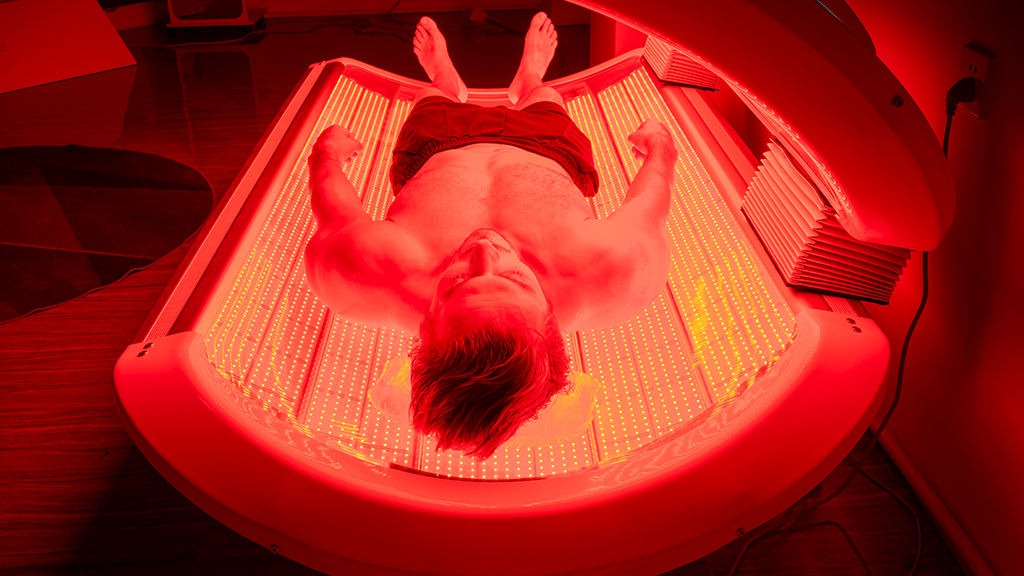
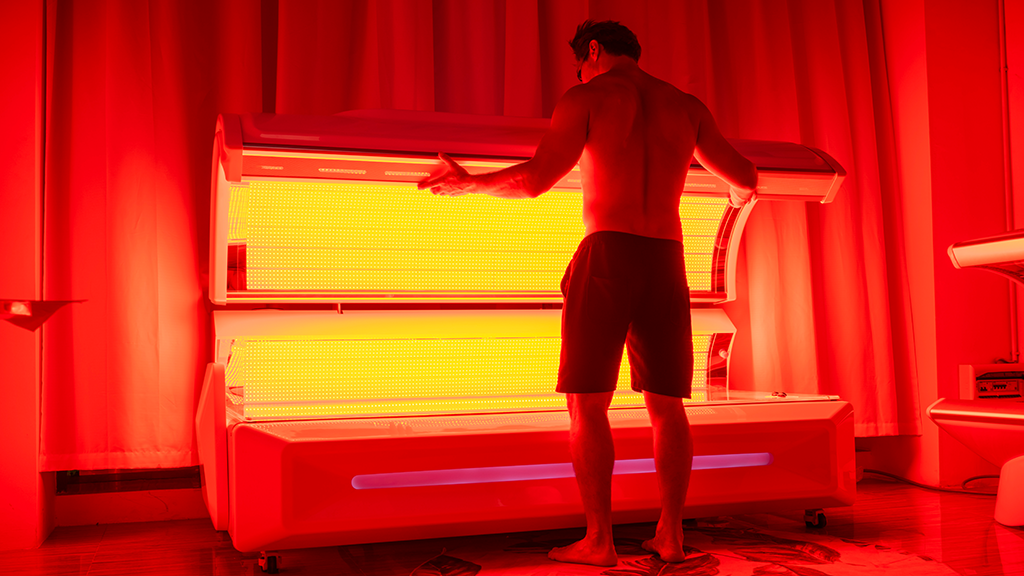
Terapia de luz roja (RLT) y las camas de bronceado implican la exposición a diferentes tipos de luz, pero tienen efectos muy diferentes en el cuerpo y específicamente en los ojos..
La terapia con luz roja utiliza niveles bajos de luz roja o infrarroja., que son tipos de energía que el cuerpo puede sentir como calor pero los ojos no pueden ver. Se ha demostrado que este tipo de luz tiene beneficios potenciales para la piel., tejido muscular, y otras partes del cuerpo, incluyendo los ojos. Los estudios han sugerido que RLT puede ser beneficioso para el sistema nervioso central y la retina., e incluso puede ayudar a mejorar la visión del color y el contraste en algunas personas. Por otro lado, Las camas de bronceado emiten rayos UVA., que son un tipo de radiación ultravioleta que puede dañar los ojos. Las estructuras internas y externas de los ojos son sensibles a la exposición a los rayos UV y requieren una protección adecuada., como gafas de seguridad especiales. La exposición a la radiación UVA de las camas de bronceado puede provocar enfermedades oculares como las cataratas, ceguera de la nieve, and even certain types of eye cancer.
En resumen, red light therapy is a safe and potentially beneficial treatment for the eyes and other parts of the body, while tanning beds pose a significant risk of eye damage and other health problems. It is important to be aware of the differences between these two types of light exposure and to make informed decisions about which treatments are right for you.
Can I Open My Eyes During Red Light Therapy?
It is crucial to keep your eyes closed during treatment sessions to enjoy the benefits of red light therapy for your eyes while minimizing risks. Además, it is highly recommended that you consult with an ophthalmologist to ensure that the therapy is appropriate for your eye condition and to receive guidance on the proper protocols. While red light therapy can be a valuable tool for eye health, it should be approached with care and under the supervision of a qualified professional.
Can LED Lights Damage Your Eyes?
Sí, it is true that exposure to certain types of light, including ultraviolet (UVA y UVB) luz, can damage the eyes. Sin embargo, when it comes to red light therapy (RLT), the research suggests that it is generally safe for the eyes as long as certain precautions are taken. As you mentioned, red light therapy does not emit UV radiation, which is the type of light that is most damaging to the eyes. En cambio, RLT uses low levels of red or infrared light, que son tipos de energía que el cuerpo puede sentir como calor pero los ojos no pueden ver.
Although red light therapy is generally considered safe for the eyes, it is important to take precautions to avoid excessive exposure. Most research on the ocular use of RLT has involved short durations of exposure, such as two minutes daily or every other day. It is also important to have RLT administered by a qualified healthcare professional, as they can ensure that the treatment is being administered safely and effectively.

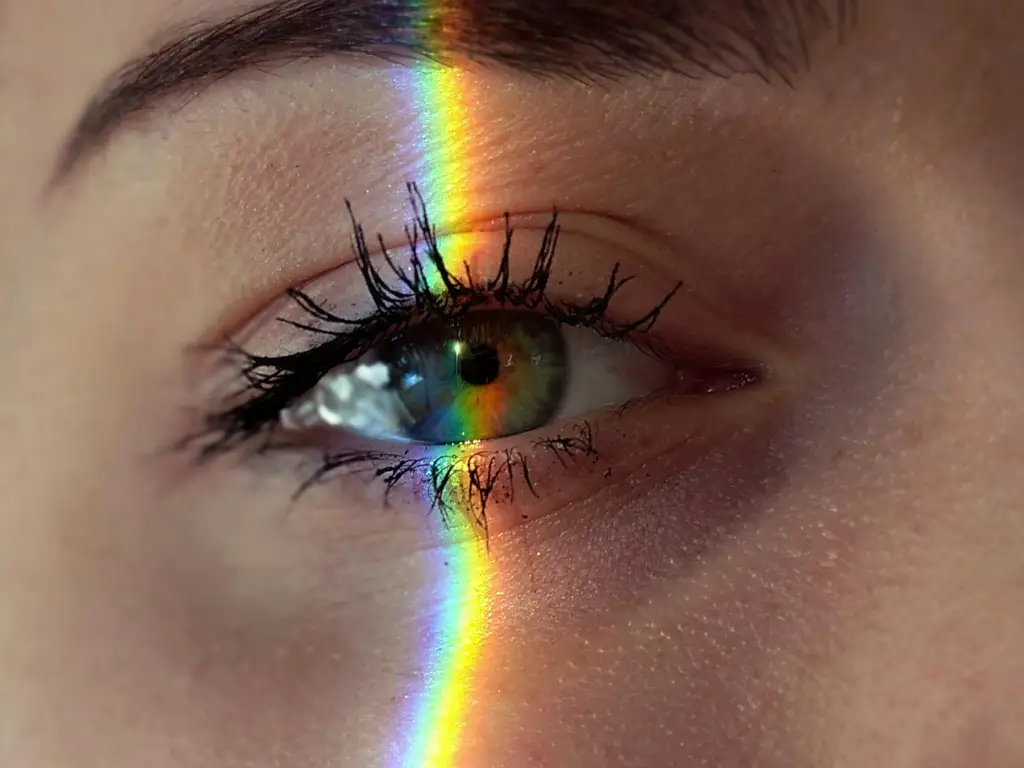
Natural sunlight appears to be colorless, but it is actually a virtual rainbow of colors: rojo, naranja, amarillo, verde, azul, y violeta. These colors combine to form a visible spectrum of light, or “white light,” which is measured in units called wavelengths. There are also invisible wavelengths of light: ultraviolet and infrared light.
The human body is powerfully affected by light. Por ejemplo, the blue wavelengths of natural sunlight (the wavelengths that make the sky look blue) influence the hypothalamus, which is a small region of the brain that plays a major role in hormone production. One essential function of the hypothalamus is regulating the sleep-wake cycle—and its ability to do that is adversely affected in the digital age. Red Light Therapy Eye Protection
Scientists also believe that excessive exposure to screens could contribute to macular degeneration, an age-related eye disease caused by damage to the light-sensitive cells in the retina. Before the digital age, people only received natural levels of any color light. Hoy, sin embargo, with the pervasive use of electronic gadgets, people spend hours staring at a screen, and exposure has risen dramatically. This has led to an increase in vision problems, including macular degeneration. That’s why the display screens of electronic devices such as computers, laptops, TVs, tablets, and smartphones can affect your body’s function. During the daytime, blue light from excessive screen use can increase alertness and cognitive functioning, and boost mood. But at night, it can be disruptive, interrupting sleep patterns and causing insomnia.
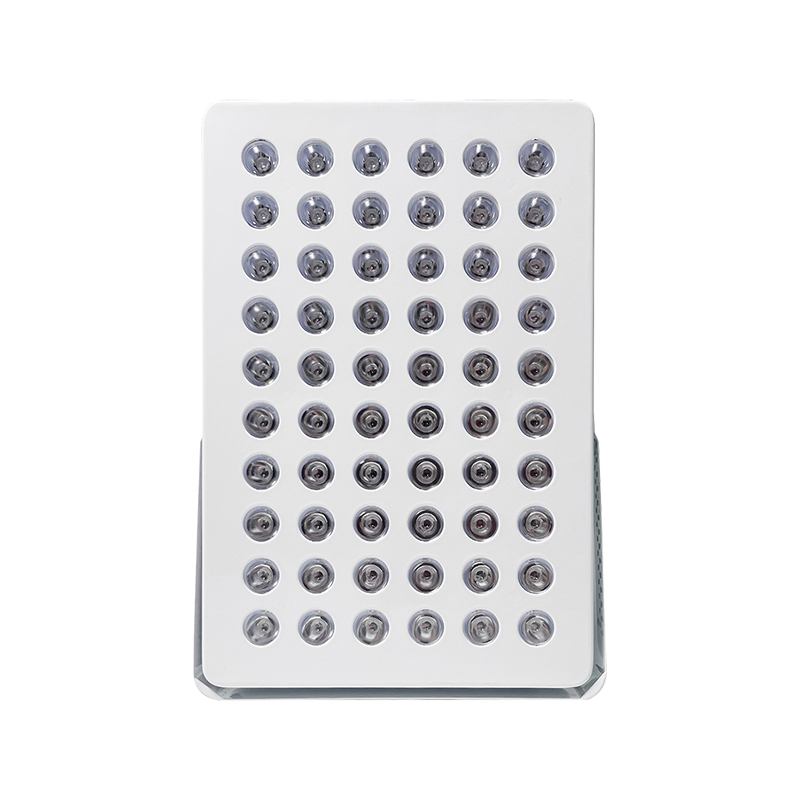
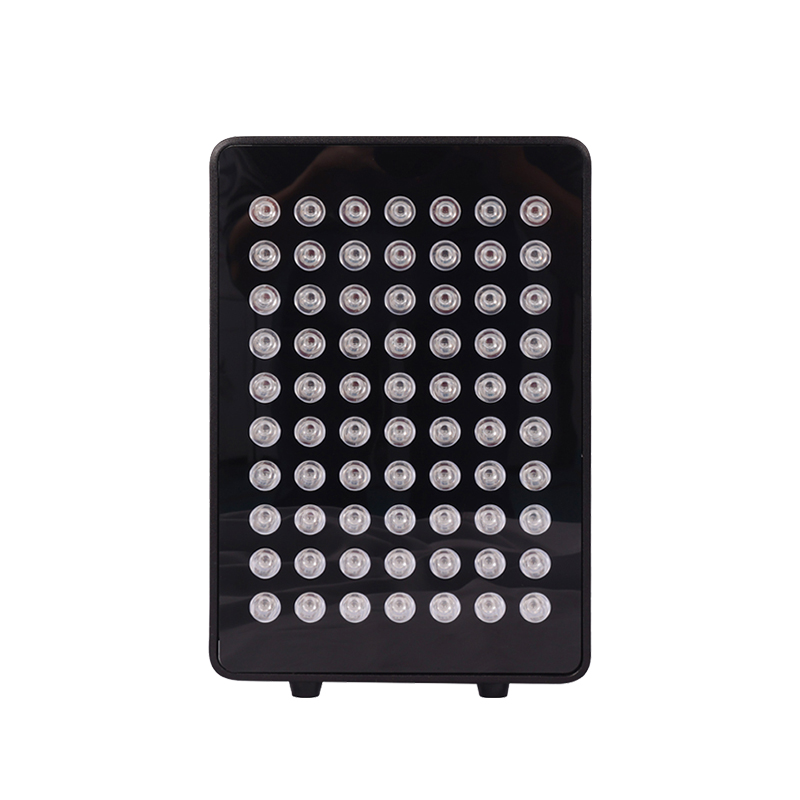
Red light is known for its beneficial properties for the body, incluyendo los ojos. Luz roja (630-660Nuevo Méjico) y luz de infrarrojo cercano (Nir) (810-850Nuevo Méjico) are considered the most therapeutic wavelengths with wide-reaching applications. Light treatment uses light-light emitting diode (CONDUJO) devices that shine red or NIR light into the eye: a painless and safe way to administer red light. Red light is absorbed in the outermost areas of the body which makes it ideal for treating eye conditions and skin surface conditions such as chronic skin disorders and hair loss. It can still penetrate the eyelids, which are relatively thin but won’t go through large masses of bone or muscle.
Por otro lado, NIR has a deeper absorption rate. It stimulates stem cell production, reduce la inflamación, and promotes healing from stroke, heridas, and diseases. Juntos, these two types of light work together to stimulate every part of your eyes, even if they’re closed.
Like blue light, red and NIR light also absorb into the retina, but with no known adverse effects. Red and NIR photons stimulate the mitochondria (energy centers in cells) to produce more adenosine triphosphate (atp), or cellular energy. The more energy your cells have, the better they function, repararse y regenerarse. Otro efecto beneficioso de la terapia con luz roja es su capacidad para reducir la inflamación., incluyendo inflamación de los ojos. Esto puede ocurrir después de una lesión ocular., o incluso complicaciones provocadas por el estrés crónico, y puede destruir el tejido ocular. Cuando el tejido ocular se daña o destruye, Puede provocar deterioro de la visión o incluso ceguera..
En resumen, Si bien es posible que cualquier tipo de luz cause daño a los ojos si se expone a cantidades excesivas., La investigación sugiere que la terapia con luz roja es generalmente segura para los ojos siempre que se tomen las precauciones adecuadas..