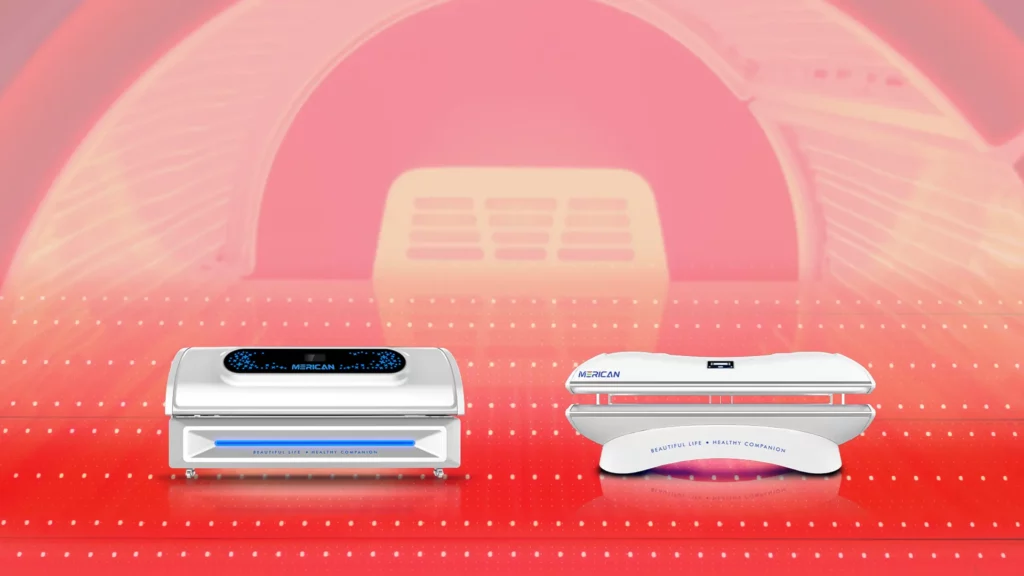
WHAKAMAHI MAMA
Ka taea te whakamahi i nga wa katoa, tae atu ki te po.
Ka taea te whakamahi ki roto, i roto i te tūmataiti.
Te utu tuatahi me te utu hiko
Te hihinga hauora o te marama
Ka taea te rereke te kaha
Kaore he rama UV kino
Karekau he huaora D
Ka pai ake pea te whakaputa hiko
Ka tino whakaiti te mamae
E kore e arai ki te ra tan
TE RARA MAURIA
Kaore i te waatea i nga wa katoa (huarere, po, etc.)
Kei waho anake
Taiao, kore utu
Te hiranga o te marama hauora me te kino
Kaore e taea te rereke te kaha
Ka taea e te rama UV te kino o te kiri etc
Ka awhina i te hanga huaora D
Ka whakaiti i te mamae
Ka arahina ki te ra tan
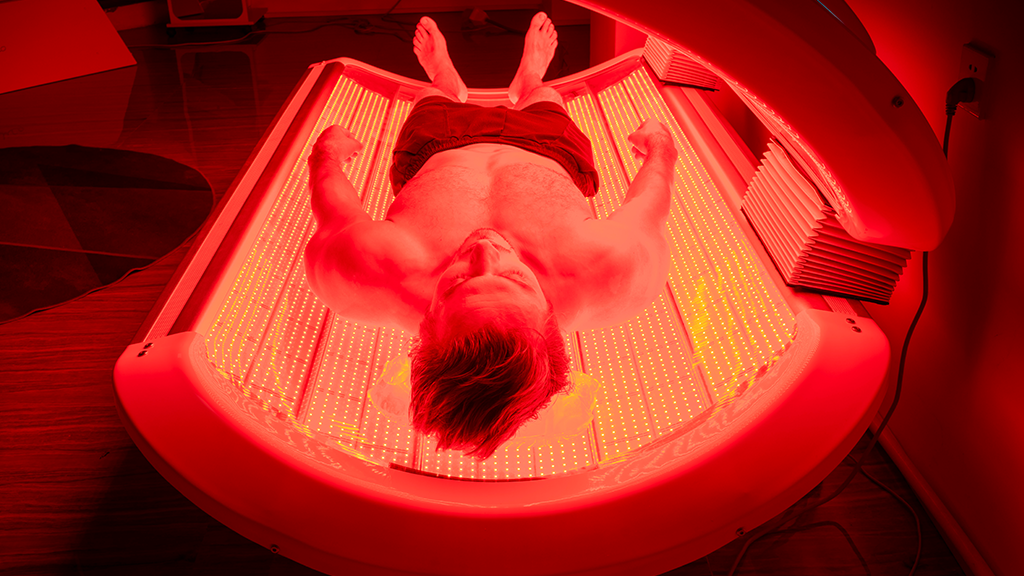
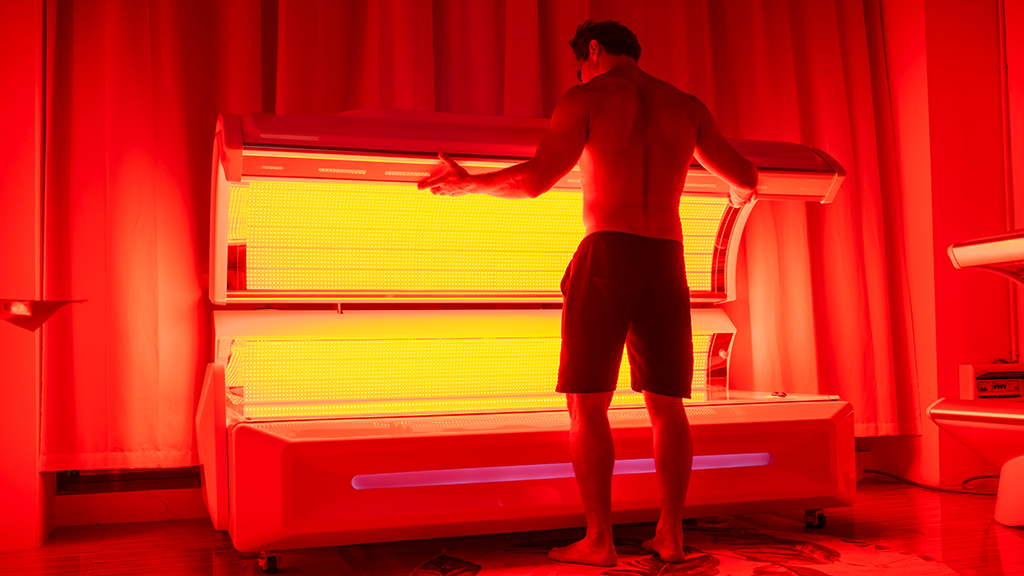
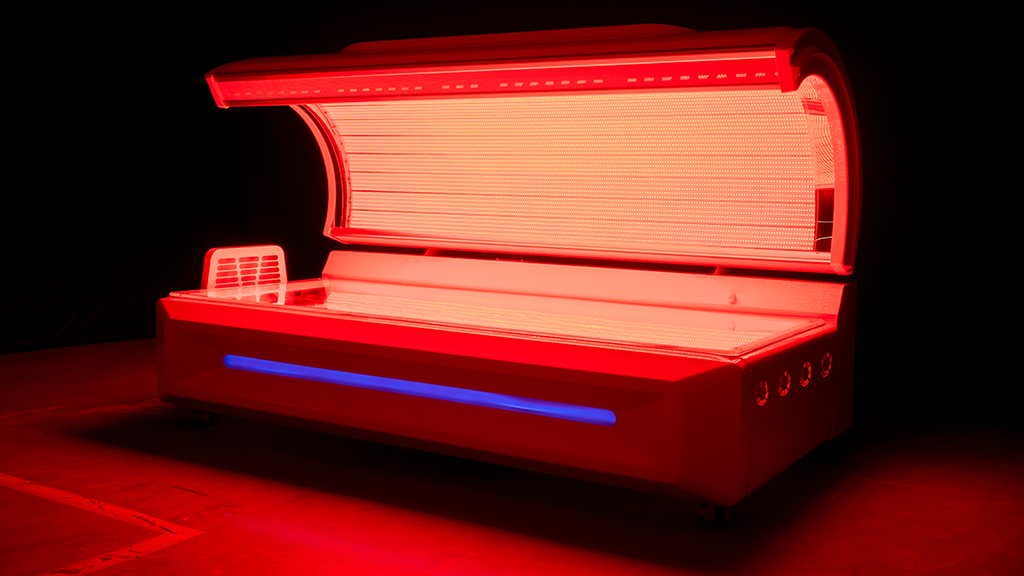
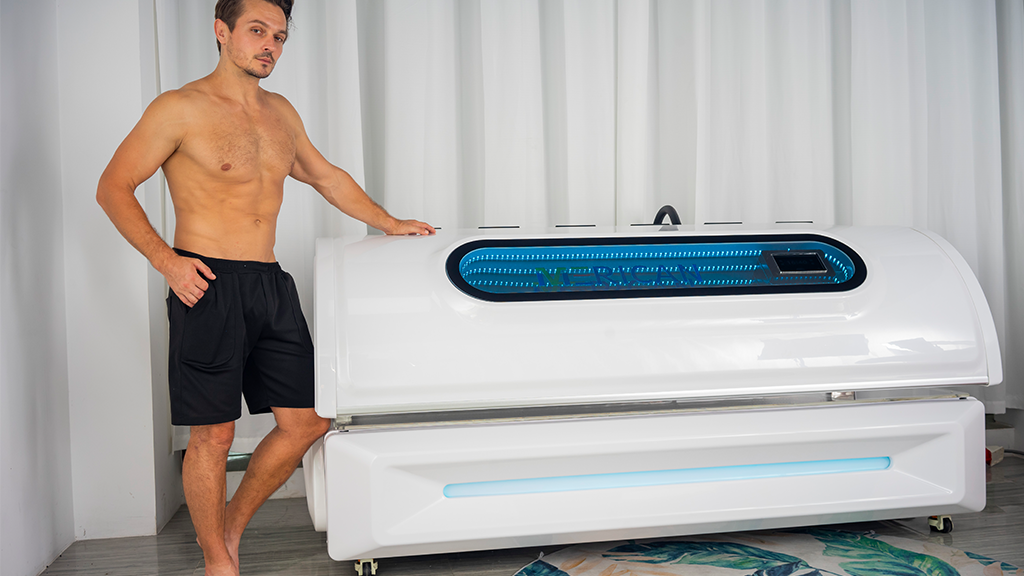
Ko te whakamaarama rama whero he taputapu kaha me te maha, engari he pai ake i te haere noa ki waho ki te ra?
Mena kei te noho koe i roto i te kapua, te taiao o te raki me te kore e uru ki te ra, katahi ka kore noa te whakamaarama rama whero - ka taea e te whakamaarama rama whero te utu mo te iti o te rama maori e waatea ana. Mo te hunga e noho ana i roto i nga waahi ngaru, i etahi atu taiao ranei e tata ana ki te uru atu ki nga ra o te ra, he uaua ake te whakautu.
Nga rereketanga nui i waenga i te ra me te rama whero
Kei roto i te ra te whanui whanui o te marama, mai i te rama ultraviolet ki te tata-infrared.
Kei roto i te hihinga o te ra ko nga roangaru hauora o te whero me te infrared (e whakanui ana i te whakaputanga kaha) me te rama UVb hoki (e whakaongaonga ana i te hanga huaora D). Heoi ano he roangaru kei roto i te ra he kino rawa atu, penei i te puru me te puru (e whakaiti ana i te whakaputanga kaha me te kino o nga kanohi) me te UVa (ka puta te wera o te ra/ra tan me te whakaahuatanga/mate pukupuku). This broad spectrum may be necessary for plant growth, photosynthesis and various effects on pigments in different species, but is not all beneficial for humans and mammals in general. This is the reason why sunblock and SPF sunscreens are necessary in strong sunlight.
Red light is a narrower, isolated spectrum, roughly ranging from 600-700nm – a tiny proportion of sunlight’s. Biologically active infrared ranges from 700-1000nm. So the wavelengths of light that stimulate energy production are between 600 and 1000nm. These specific wavelengths of red and infrared have exclusively beneficial effects with no known side effects or harmful components – making red light therapy a worry free type of therapy compared to sunlight exposure. No SPF creams or protective clothing are required.
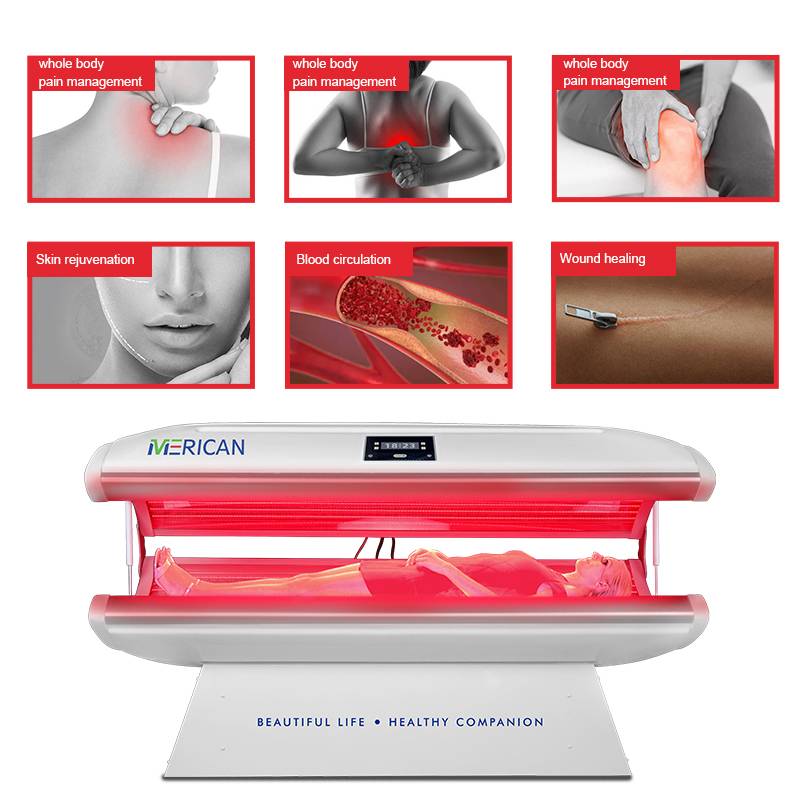
Whakarāpopototanga
The optimal situation would be to have access to both natural sunlight and some form of red light therapy. Get some sun exposure if you can, then use red light after.
Red light is studied is regards to sunburn and speeding up healing of UV radiation damage. Meaning that red light has a protective effect on the potential harm of sunlight. Heoi ano, red light alone won’t stimulate vitamin D production in the skin, which you need sunlight for.
Receiving moderate skin exposure to sunlight for vitamin D production, combined with red light therapy in the same day for cellular energy production is perhaps the most protective approach.