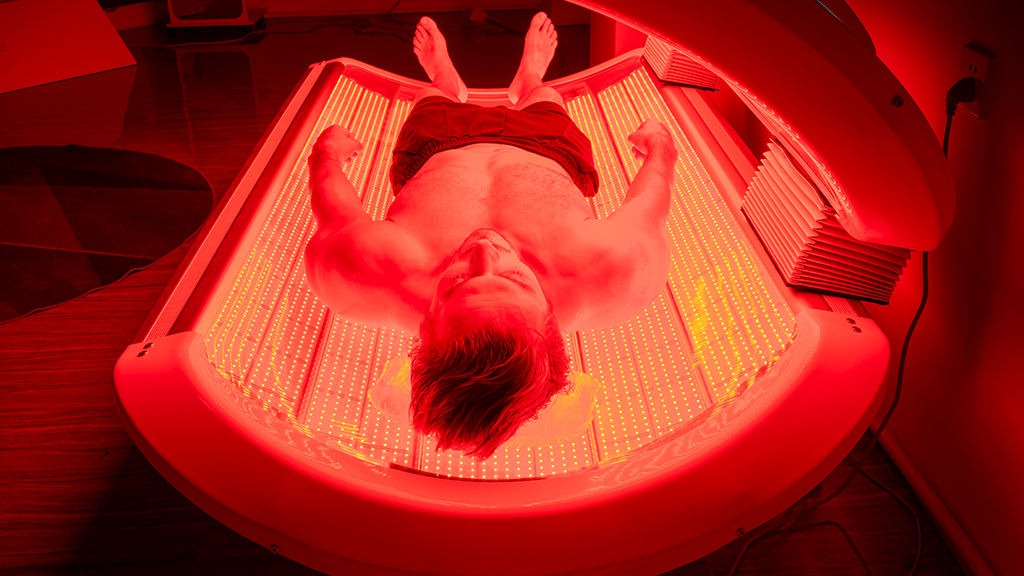
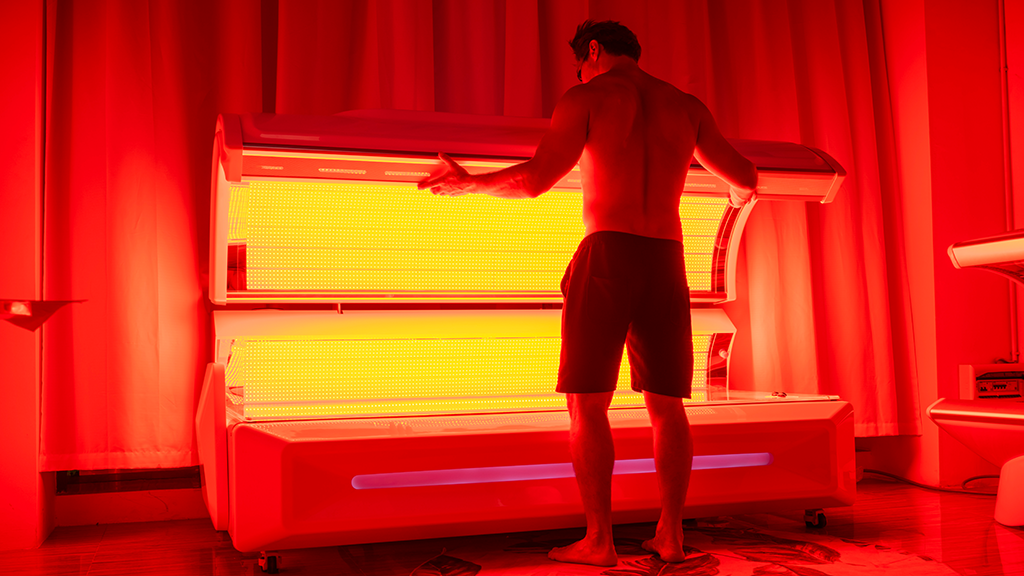
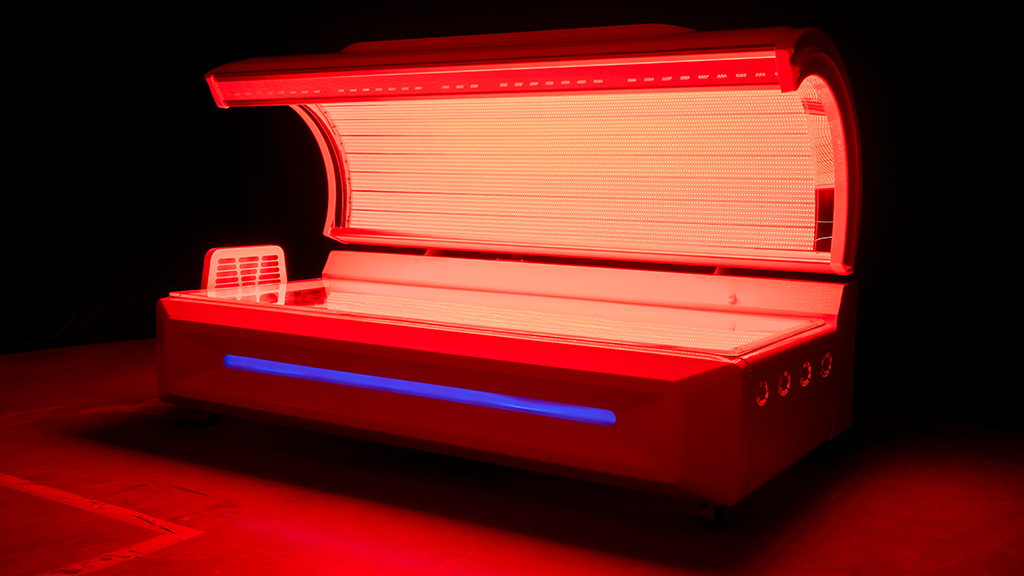
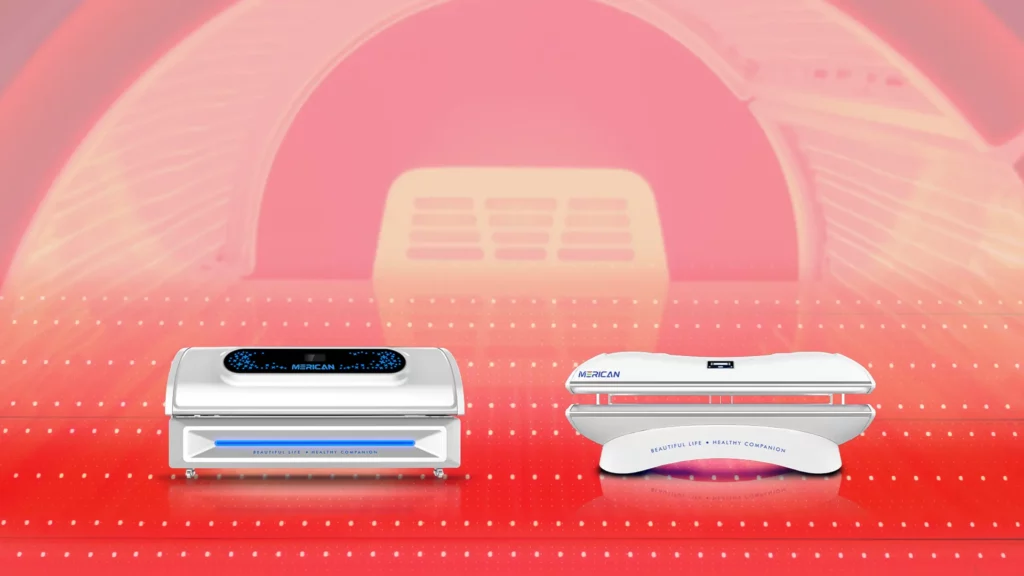
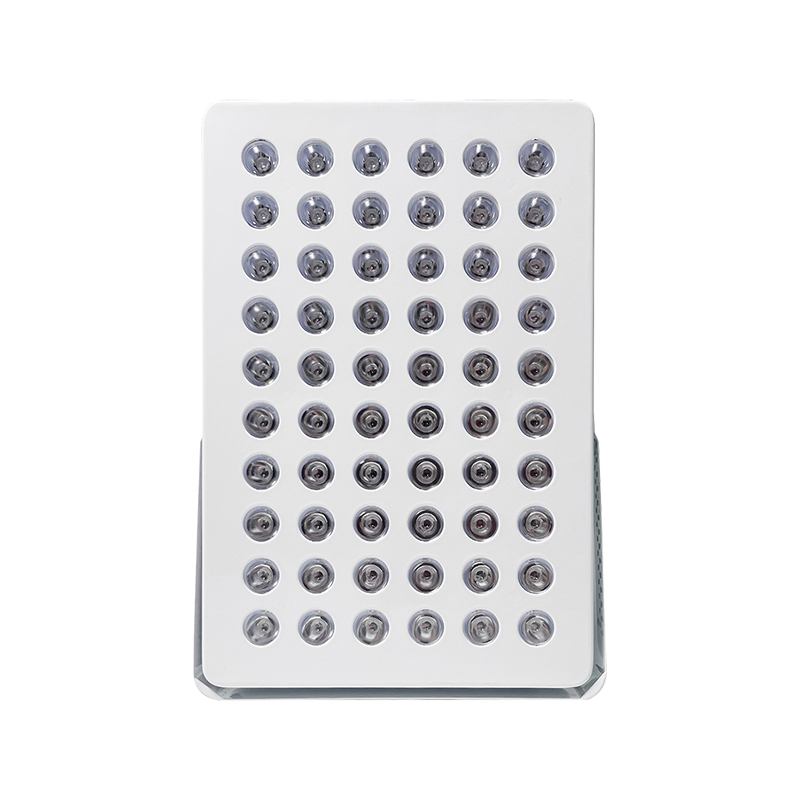
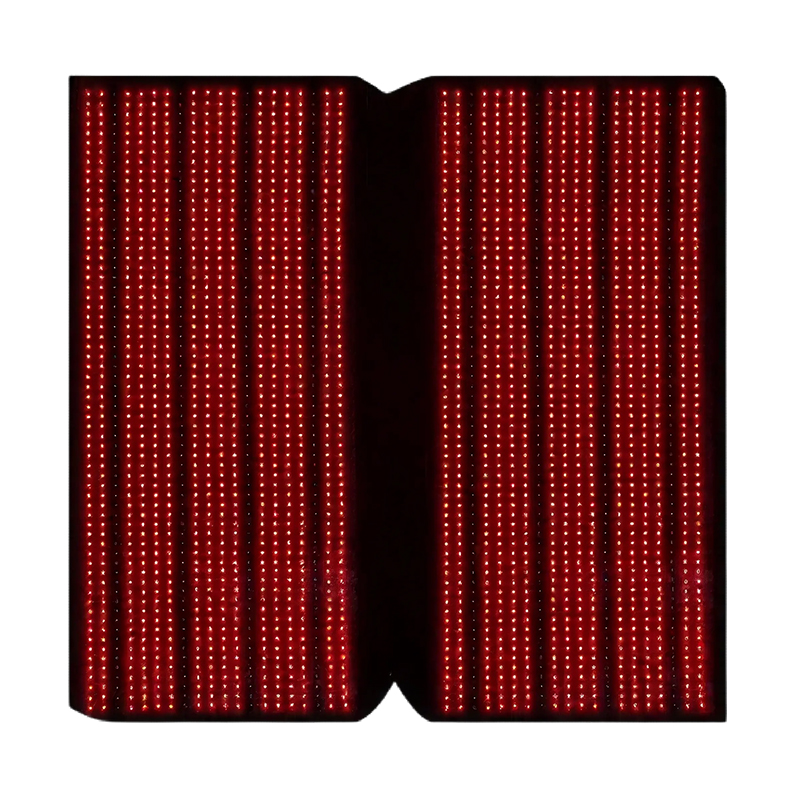
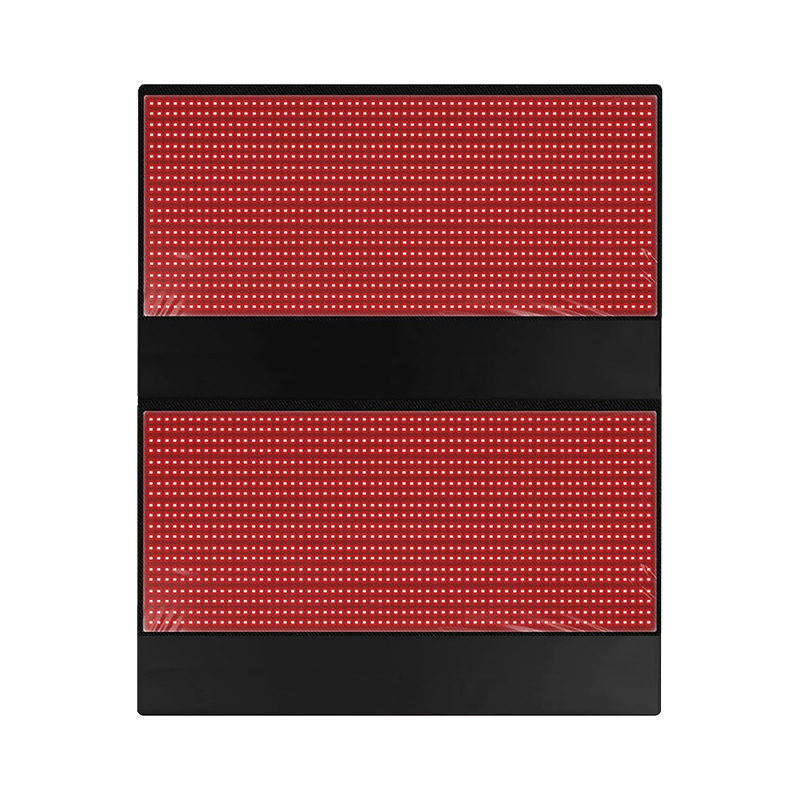
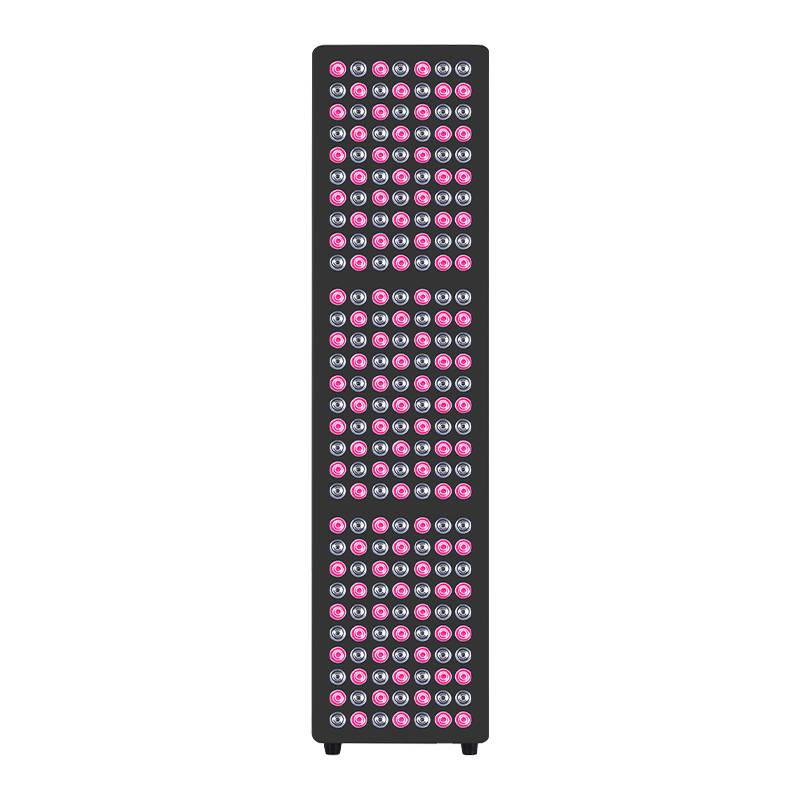
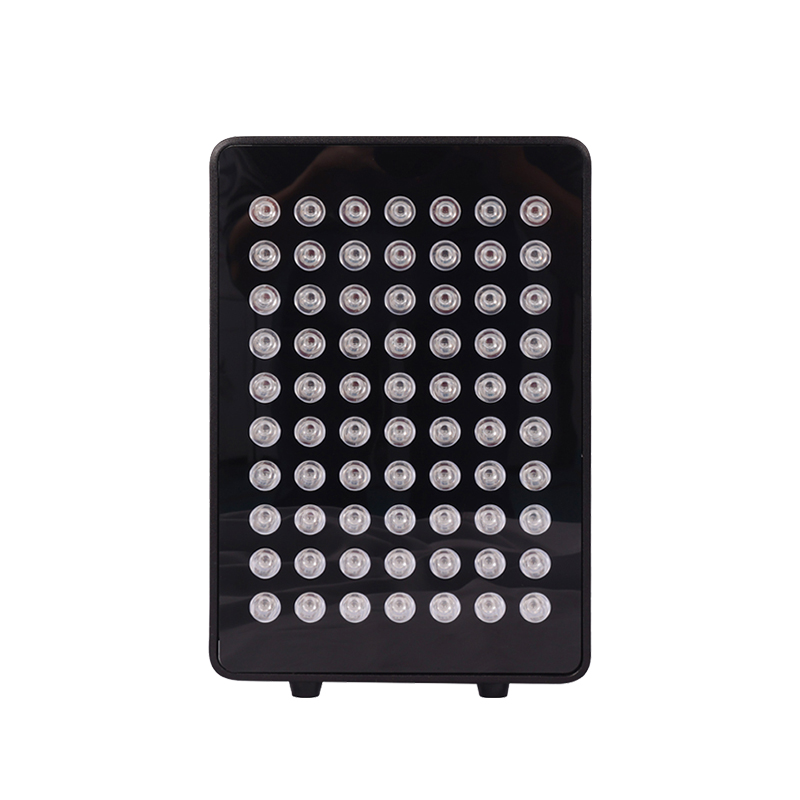
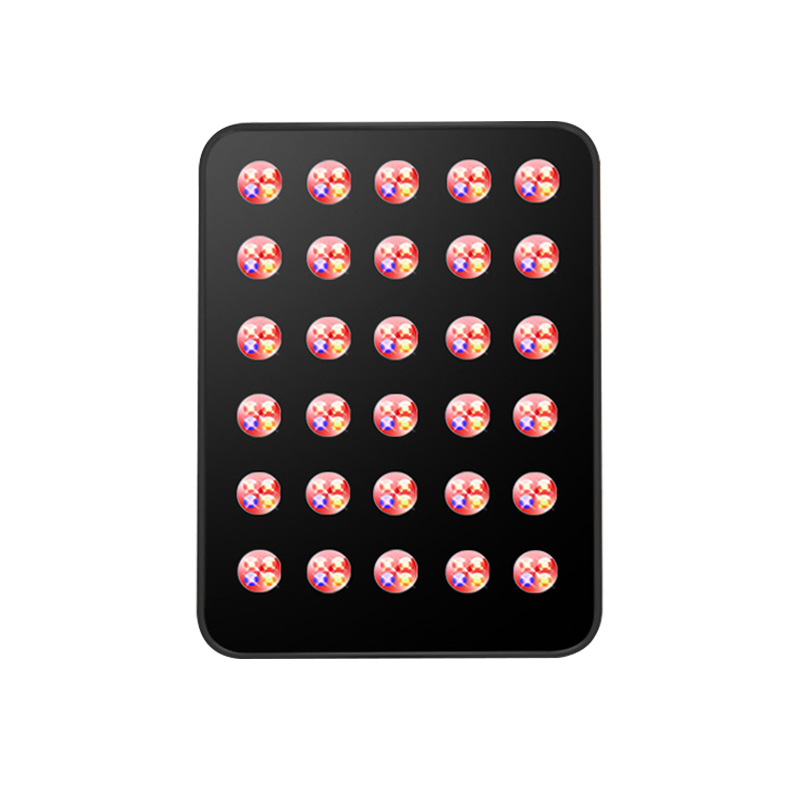
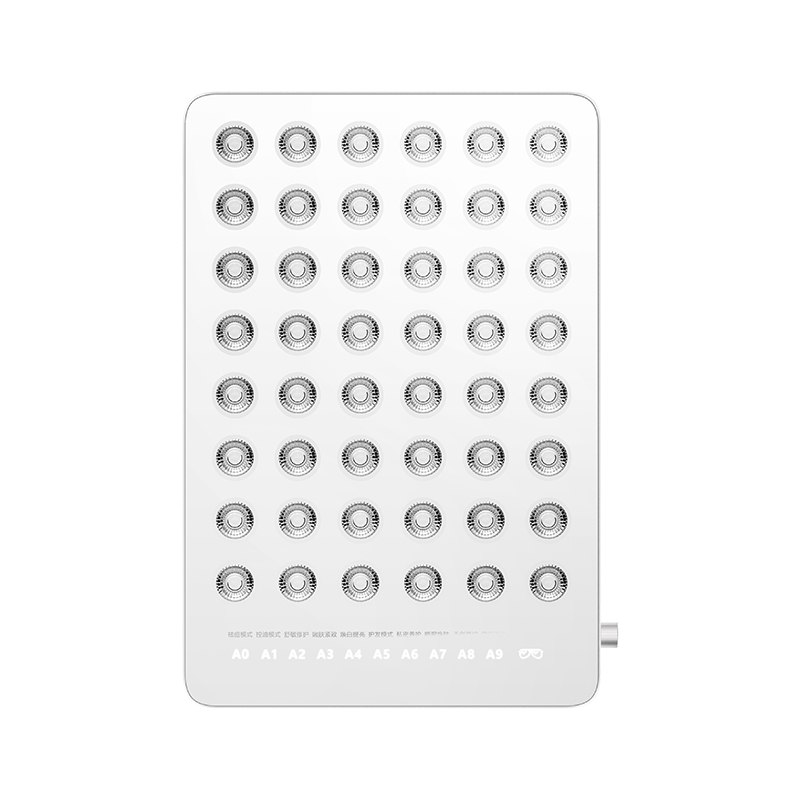
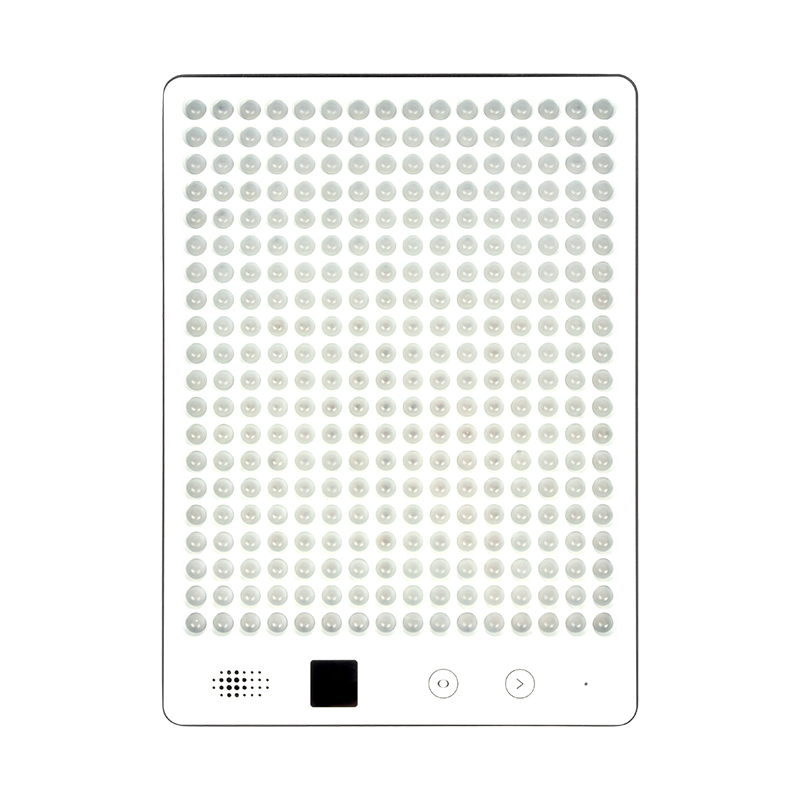
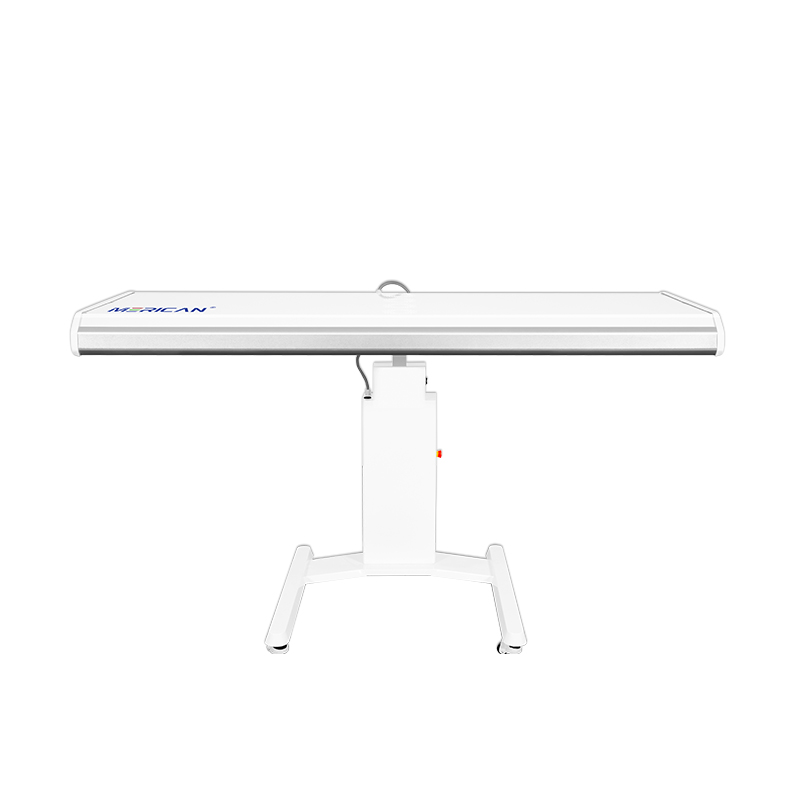
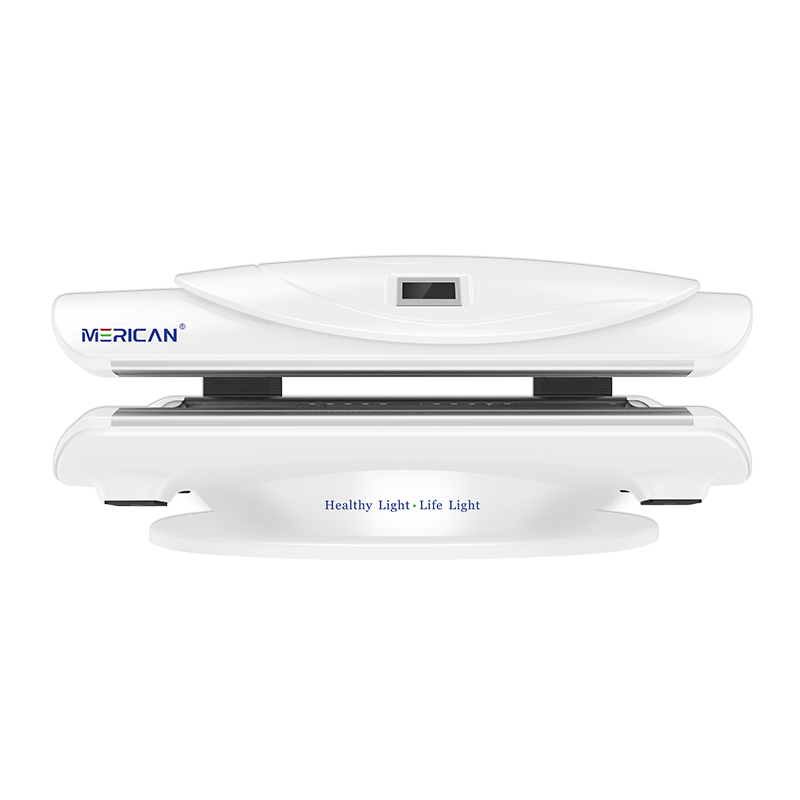
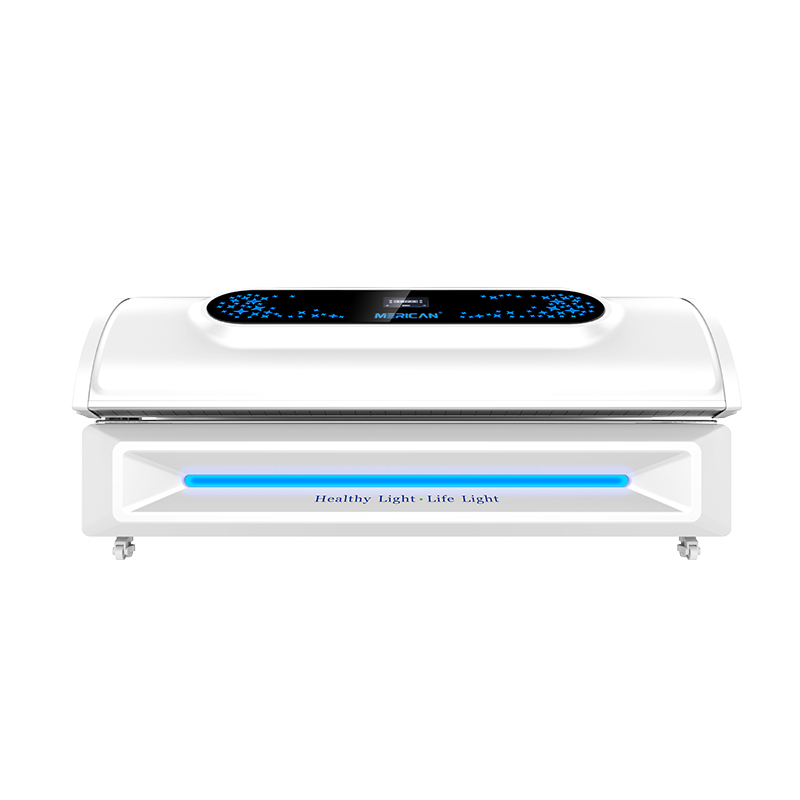
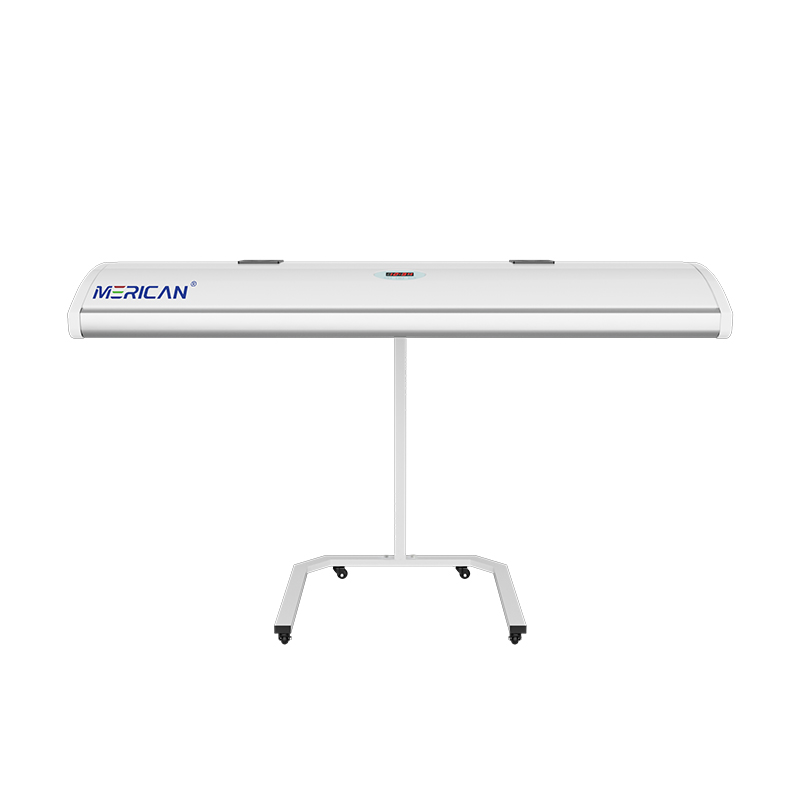
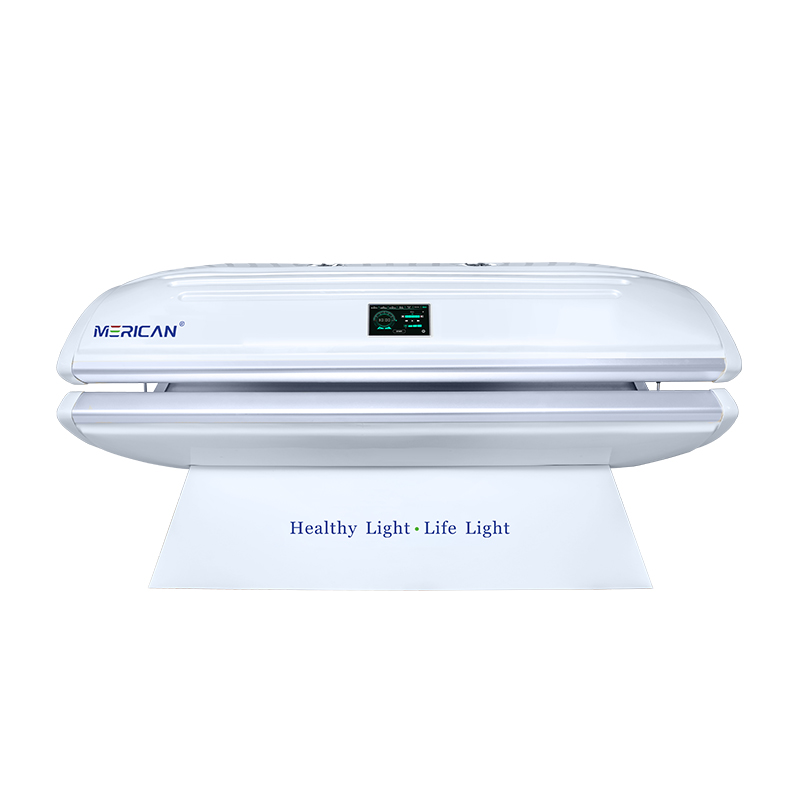
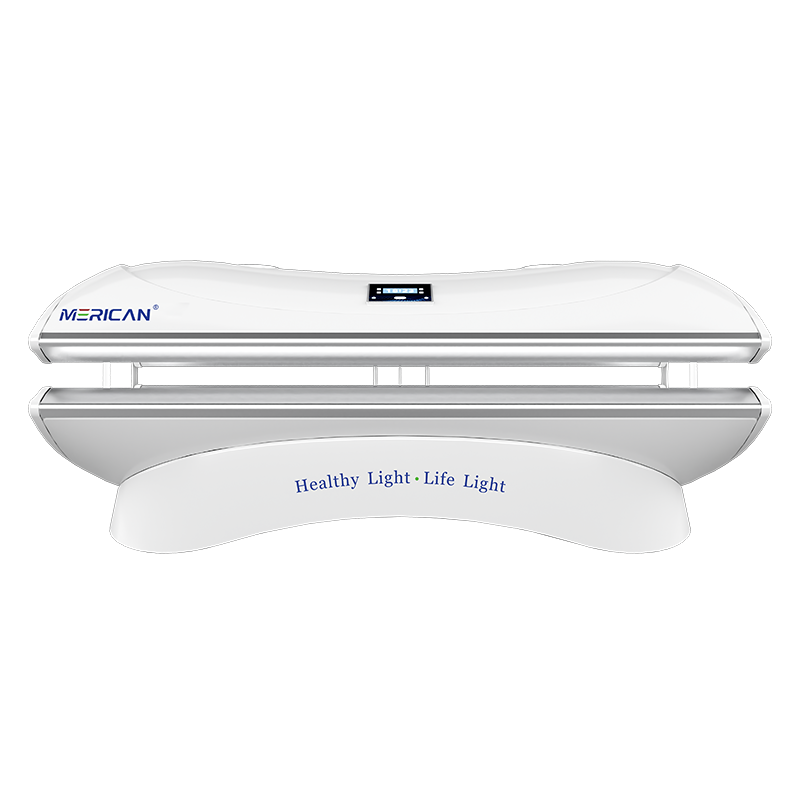
Roodlichttherapie leverages unique properties of certain wavelengths of red (zichtbaar) en nabij-infrarood (onzichtbaar) licht om het welzijn te bevorderen. Mensen gebruiken roodlichttherapie voor verschillende doeleinden, inclusief het tegengaan van huidveroudering, wondgenezing verbeteren, het energieniveau verhogen, ontstekingen verminderen, verbetering van de gezondheid van de gewrichten, en beter slapen.
The way red light therapy works is still an area of ongoing research. Many studies have shown that red light therapy has various potential benefits and that the use of red light therapy can be a safe and painless way to achieve health benefits.
The simple presence of light has been known to affect our biology in a variety of ways. Sleep hormones are regulated by the amount of light entering our eyes. Light affects how much pigmentation our skin produces. Certain wavelengths of light also stimulate our body to make vitamin D. Light is used to break down a chemical called bilirubin in some newborns and is used for this purpose in hospitals around the world. High-energy light can also be used to kill bacteria and disinfect surfaces.
Red light therapy uses specific wavelengths of light that are longer than other colors of light. Red light and near-infrared light can penetrate deeper into body tissues than other visible wavelengths of light and reach tissues that these other wavelengths will not.
One of the potential red light therapy benefits is improved sleep. Red light therapy has been used to help promote sleep for many years, but it is only recently that research has started to explore what kind of benefits red light therapy provides and how it works to promote sleep.
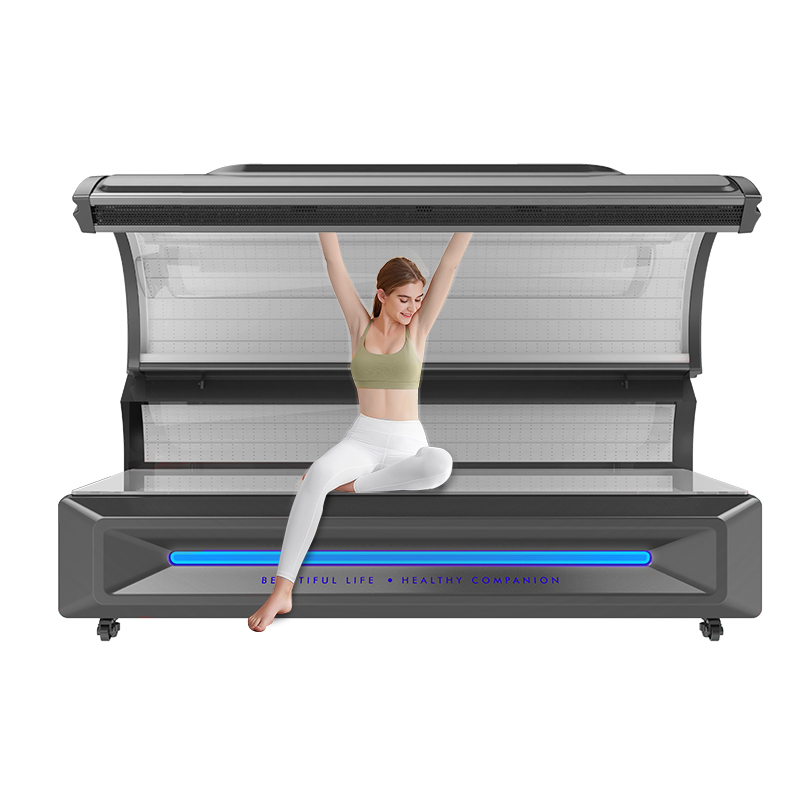
Slaap
Sleep is a vital part of health. We often do not consider the implications of sleep, but most people spend more time sleeping throughout their lives than any other activity. People who consistently sleep the recommended eight hours a night will spend one-third of their lives asleep.
Despite the high importance of sleep, the exact biological purpose it serves is still a medical mystery. Sleep has been shown to form and maintain neurological pathways in your brain, allowing you to think more clearly, concentrate better, and have better memory abilities. Sleep has also been shown to remove toxins that accumulate in your brain during the day.
Sleep Cycles
There are two basic types of sleep that everyone has. These two types of sleep occur in cycles and include rapid eye movement (REM) sleep and non-REM sleep.
Non-REM sleep occurs in three stages:
Stage 1: This stage of sleep is the transition from wakefulness into sleep. Brain waves begin to transition from an active stage into a slower sleep state.
Stage 2: During the second stage of sleep, your brain waves slow even more. Your eyes stop moving, your heart rate and breathing slow, and your body temperature decreases.
Stage 3: Brain waves become even slower in the deepest stage of sleep. Your body becomes very relaxed, and it would be difficult to wake up in this stage. This stage of sleep plays a large role in helping you to feel refreshed in the morning.
REM sleep occurs periodically while you are sleeping between the stages of non-REM sleep. Longer and deeper periods of REM sleep occur the longer that you sleep. REM sleep is the stage of sleep in which dreams occur. REM sleep happens more frequently as morning approaches and is the closest form of sleep to wakefulness.
Circadiaanse ritme
The circadian rhythm is the overall cycle that your body goes through in roughly a 24-hour period. While there are many important biological functions that the circadian rhythm influences, sleep is one of the most important. The circadian rhythm synchronizes to light, encouraging sleep when light levels fall.
The impact of light on the circadian rhythm is well established, and science has proven that exposure to light immediately before going to bed can disrupt sleep. Onlangs, it has become better understood that the wavelength of light plays an essential role in influencing this. Blauw licht, which has a higher energy and shorter wavelength, has been shown to suppress melatonin, a hormone that the circadian rhythm uses to promote sleep.
The negative effects of blue light on sleep are so impactful that smartphone makers have recently begun providing settings that can automatically reduce the amount of the blue, high energy light that your phone generates. People use these settings to reduce exposure to high-energy light at night and to sleep more soundly.
Sleep Disturbances
While sleep is regenerative and essential to good health, slaapstoornissen kunnen een diepgaand negatief effect hebben. Chronisch slaapgebrek is in verband gebracht met veel gezondheidsproblemen, inbegrepen:
Hoge bloeddruk
Hartziekte
Diabetes
Depressie
Obesitas
Mensen die moeite hebben om in slaap te komen of chronische slaapproblemen hebben, lopen een hoger risico op ziekte in vergelijking met mensen die goed slapen en kunnen op de lange termijn gezondheidsproblemen hebben die anders vermeden zouden kunnen worden.
Helpt roodlichttherapie bij het slapen??
Roodlichttherapie maakt gebruik van specifieke golflengten van rood en NIR-licht om cellen te helpen verjongen en de algehele gezondheid te bevorderen. Een van de populaire toepassingen van roodlichttherapie is om mensen te helpen een betere slaapkwaliteit te krijgen.
Terwijl het gebruik van roodlichttherapie om de slaapgezondheid te bevorderen een nieuwere technologie is, er zijn verschillende onderzoeken die voordelen hebben aangetoond bij het gebruik van roodlichttherapie. One of the first studies to examine this use of red light therapy technology examined the impact that it had on a group of elite female basketball players. In this study, the players were divided into two groups. One group was not given any red light therapy, while the other group was given full-body red light therapy for 30 minutes every night for two weeks.
The researchers then evaluated the athletic performance of the two groups, the quality of their sleep, and the levels of melatonin in their blood. Researchers found that the physical endurance of the group that received red-light therapy had improved more than the group that had not. The group that received the red light therapy also reported that the quality of their sleep improved after two weeks of therapy. De niveaus van melatonine in het bloed van degenen die de roodlichttherapie kregen, waren ook aanzienlijk hoger dan die van degenen die de roodlichttherapie niet kregen.
Naast meerdere kleine onderzoeken die aantonen dat roodlichttherapie positieve effecten heeft op de slaapkwaliteit, veel mensen melden anekdotisch dat het gebruik van roodlichttherapie hen helpt beter te slapen en zich verfrist te voelen na het ontwaken.
Hoewel er verschillende kleine onderzoeken zijn geweest die op dit gebied veelbelovend zijn, wetenschappers hebben nog geen van de grootschalige onderzoeken uitgevoerd die nodig zijn om de voordelen van roodlichttherapie voor de slaap overtuigend te bewijzen. Echter, ook al is er nog geen grootschalig onderzoek uitgevoerd, de eerste indicatoren die kleinere onderzoeken en anekdotisch bewijs opleveren, laten betekenisvolle voordelen zien en dat een grotere studie waarschijnlijk wijdverbreide positieve slaapvoordelen van roodlichttherapie zou aantonen.
Hoe bevordert roodlichttherapie de slaap?
Terwijl vroege onderzoeken naar roodlichttherapie aantonen dat het helpt een betere slaap te bevorderen, de vraag hoe dit gebeurt is er een die wetenschappers nog maar net beginnen te beantwoorden.
Een groep onderzoekers, onder leiding van onderzoekswetenschapper Dr. Ronnie Yeager, publiceerden een belangrijk artikel waarin ze hun wetenschappelijke hypothese schetsten over hoe roodlichttherapie de slaap verbetert. Deze hypothese hangt af van het hormoon melatonine. Melatonine speelt een cruciale rol bij het reguleren van het circadiane ritme en het bevorderen van de slaap. Van blauw licht is aangetoond dat het de melatoninespiegels onderdrukt, wat de belangrijkste reden is dat blauw licht wakkerheid bevordert.
De onderzoekers gaven inzicht in hoe roodlichttherapie zou kunnen interageren met cellen, het verhogen van het melatoninegehalte. Ze hebben ook mogelijke mechanismen opgehelderd die verklaren hoe de interactie van roodlichtgolflengten van licht die interageren met melatonine ook enkele van de andere gezondheidsvoordelen van rood licht zou kunnen verklaren die voorheen niet goed werden begrepen..
Als de hypothese van deze onderzoekers juist is, door het stimuleren van melatonine, roodlichttherapie kan het begin van de slaap bevorderen en ervoor zorgen dat de slaap langer aanhoudt zodra u in slaap valt. Hoewel verder onderzoek nodig is om dit initiële model te verifiëren, de fundamentele concepten van dit onderzoek verklaren intuïtief hoe roodlichttherapie de slaap effectief zou bevorderen.
Snelle tips om beter te slapen
Dus hoe kunnen we dit allemaal samenbrengen in enkele praktische acties die u kunt ondernemen om beter te slapen?
Hier zijn enkele suggesties:
1) Begin de dag door meteen naar buiten in de zon te gaan om te ‘rebooten’’ uw circadiane klok. Het is aangetoond dat blootstelling aan de vroege ochtendzon de slaap verbetert.
2) Indien mogelijk, ga de hele dag af en toe naar buiten in de zon. Zoals besproken in dit artikel uit Oxford, de kwaliteit en architectuur van de slaap wordt geassocieerd met voorafgaande blootstelling aan licht.
3) Vermijd het consumeren van cafeïne na de middag.
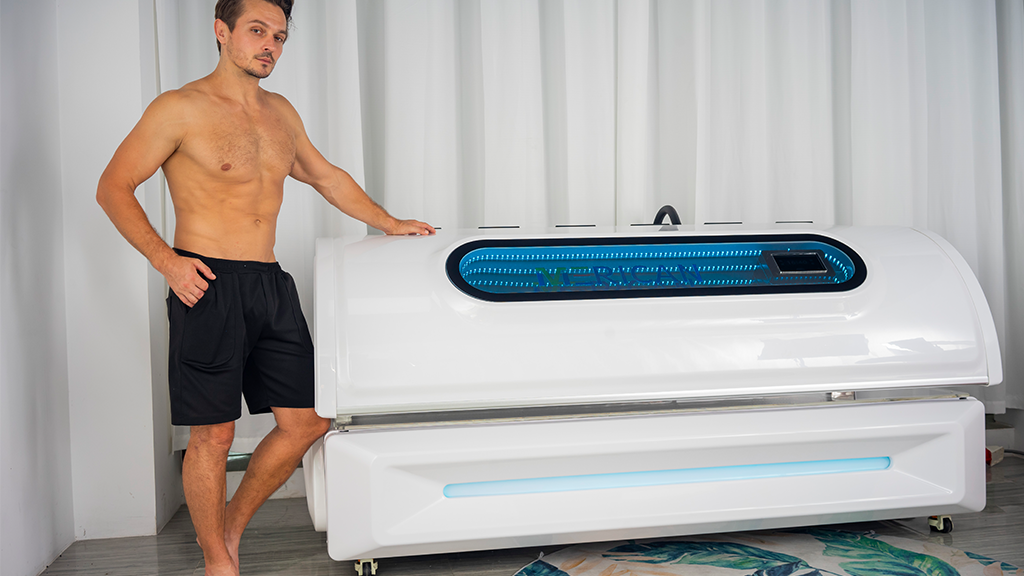
4) Probeer een MERIKAANS aanbevelen Roodlichttherapie Bed M6N ten minste 2-3 keer per week.
5) Verminder fel omgevingslicht in de avonduren door te kiezen voor amber/oranje/rode lampen.
6) Vermijd verder blauw/groen licht in de avond door een blauwblokkerende bril te dragen.
7) Use programs like iris and/or f.lux to automatically reduce blue/green light from computer/tablet/smartphone screens. Use driftTV to remove blue light from the TV.
8) Use black-out curtains to reduce ‘light pollution’ in the bedroom from outside sources.
These simple tips should help you to easily leverage your light environment to work WITH your biology to promote better sleep!