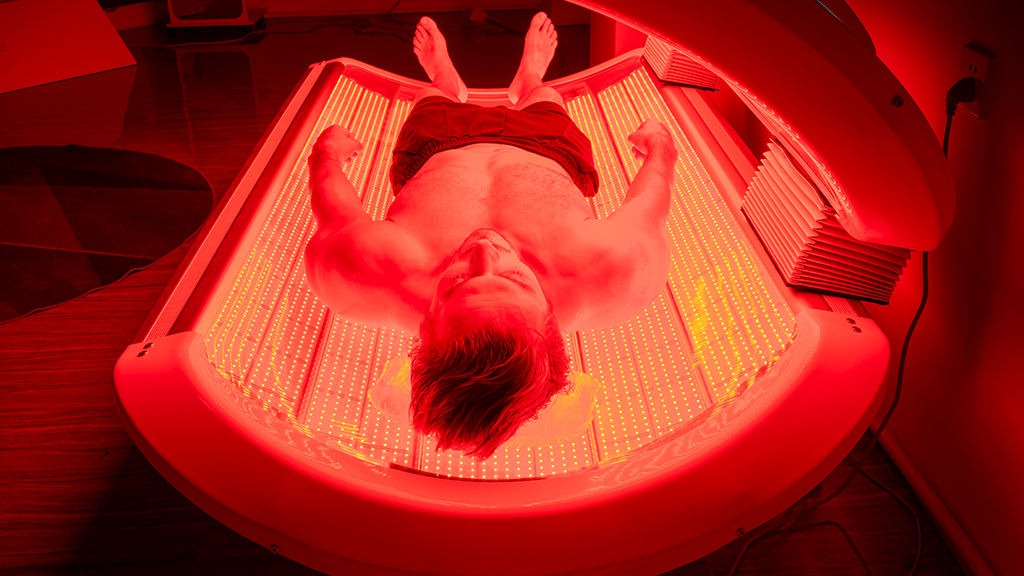
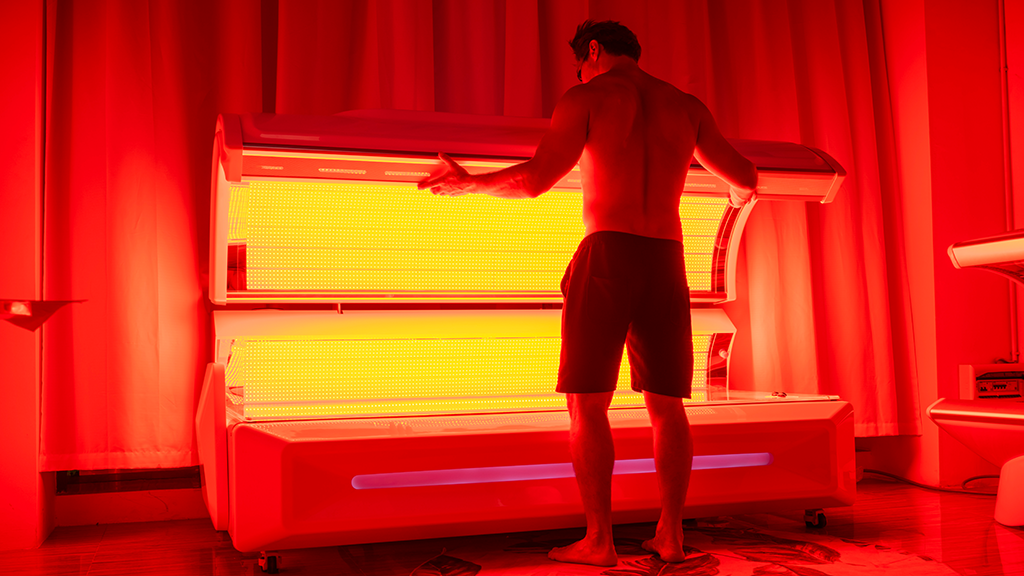
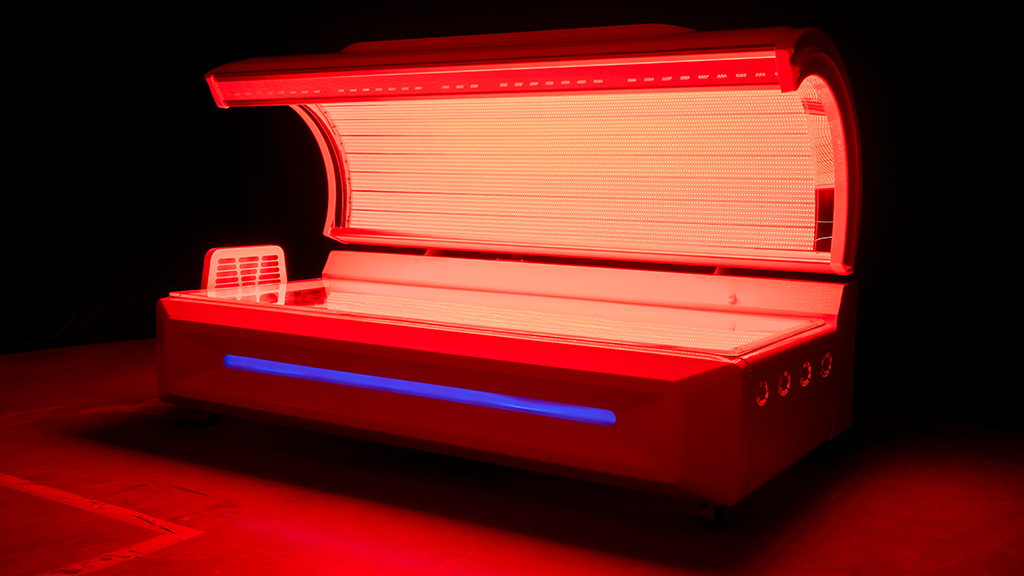
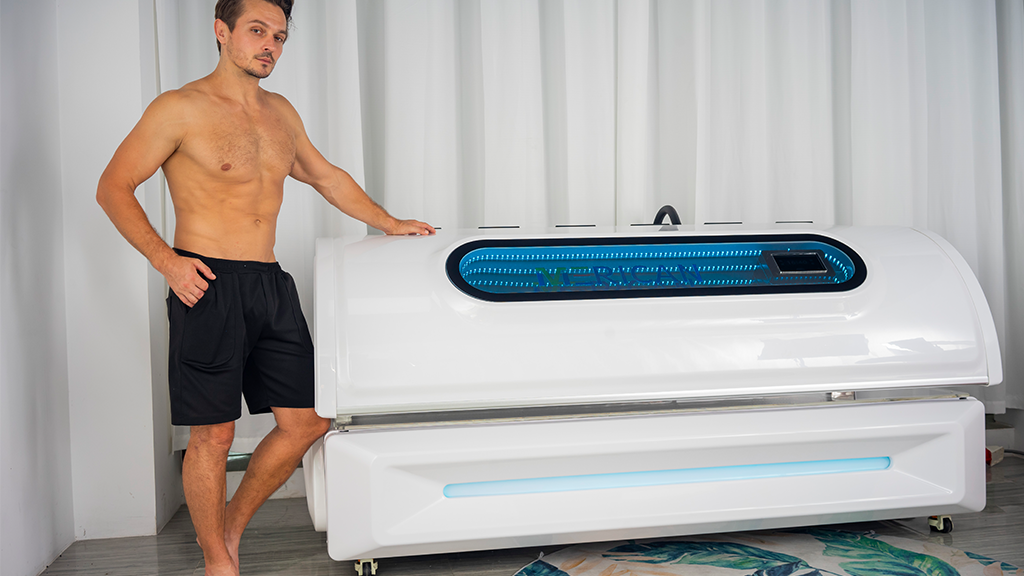
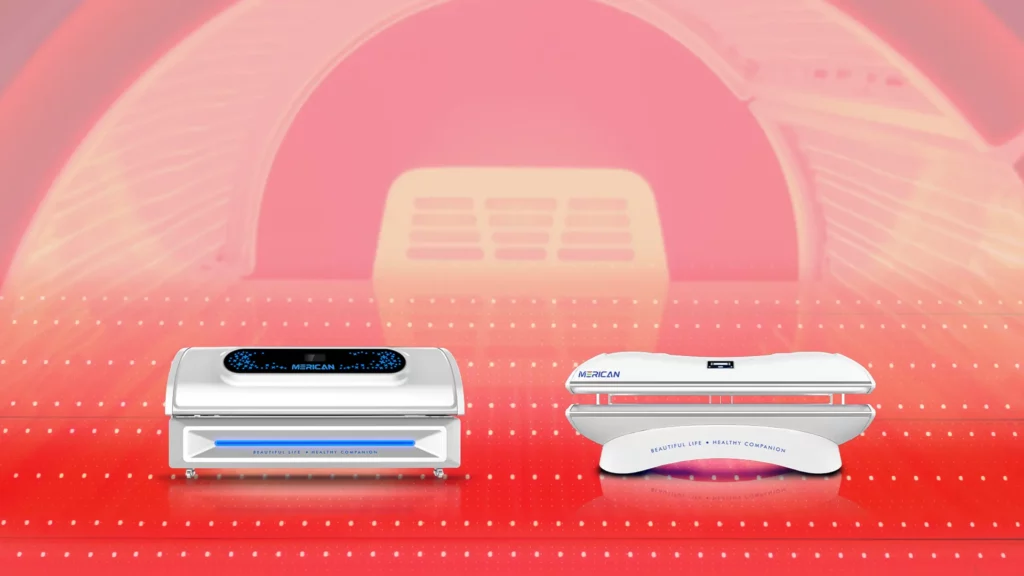
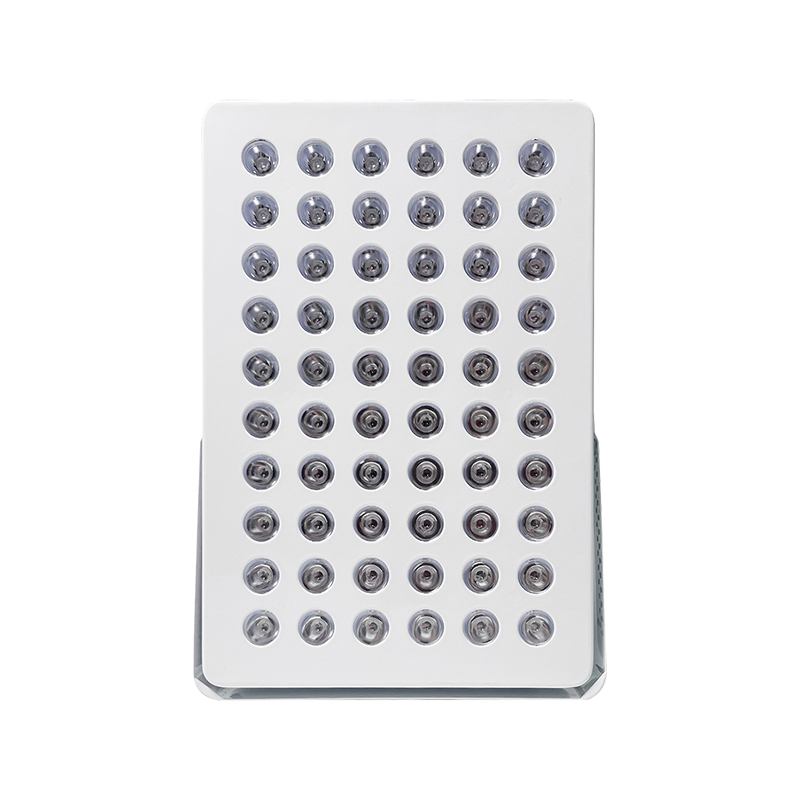
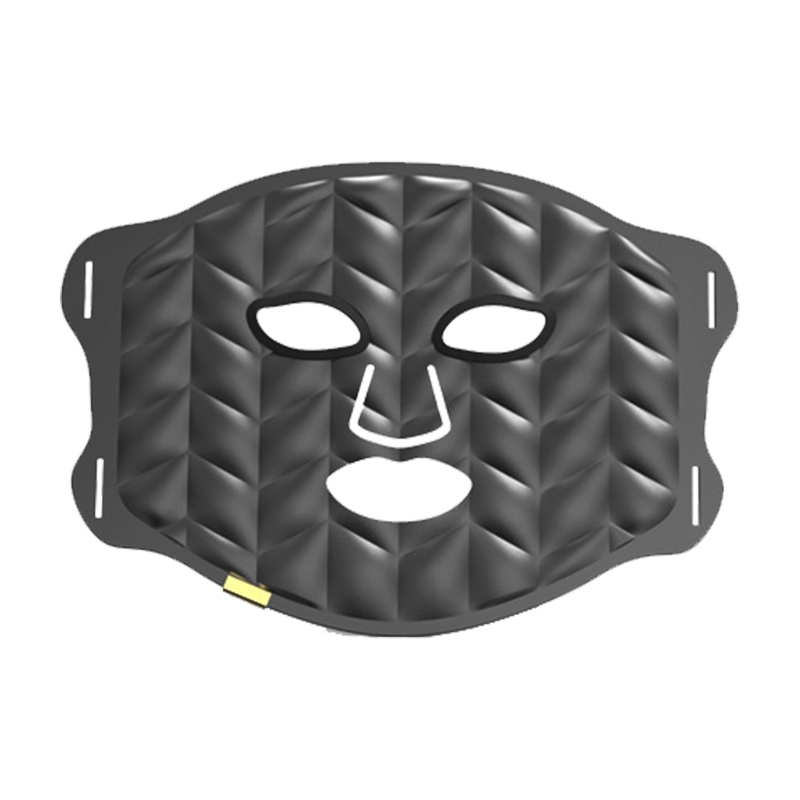
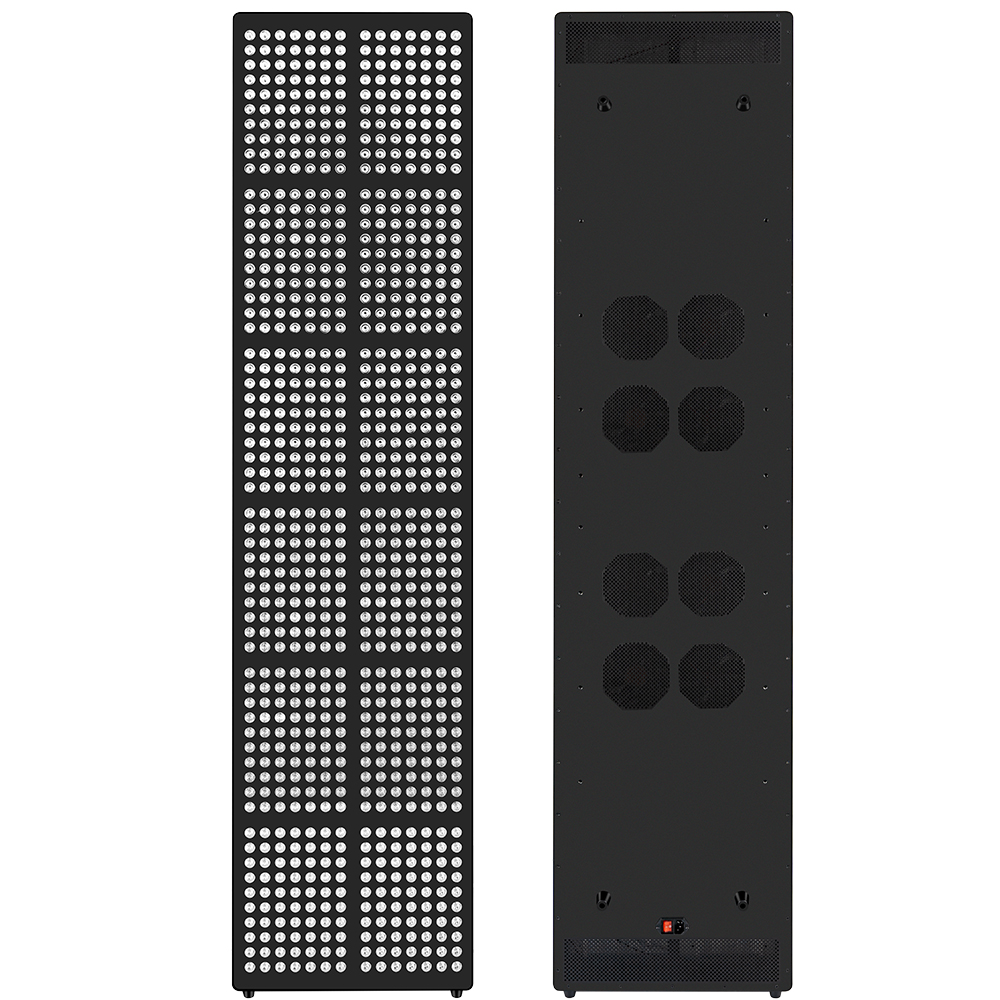
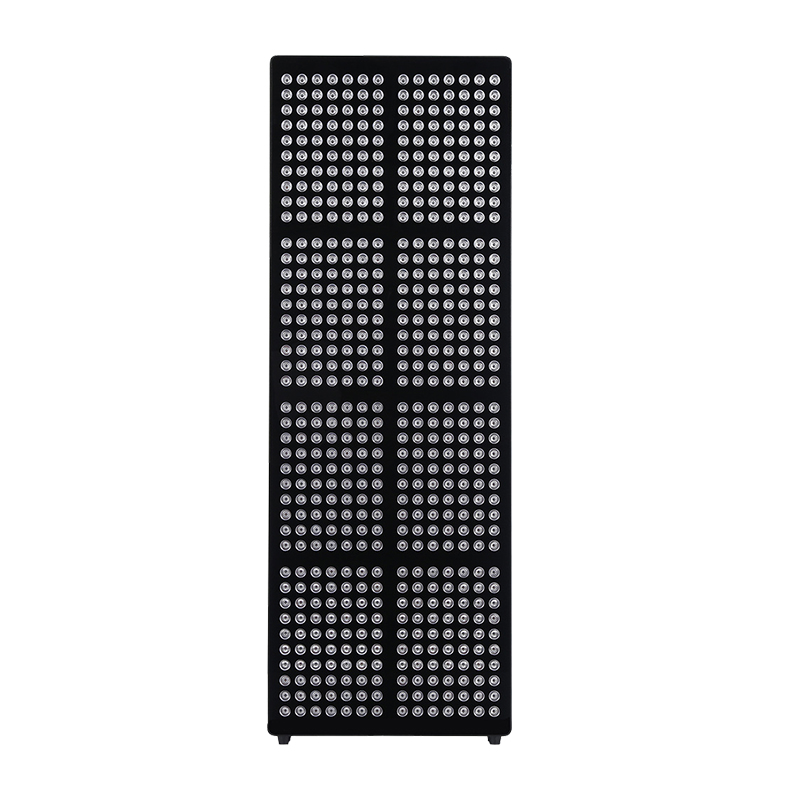
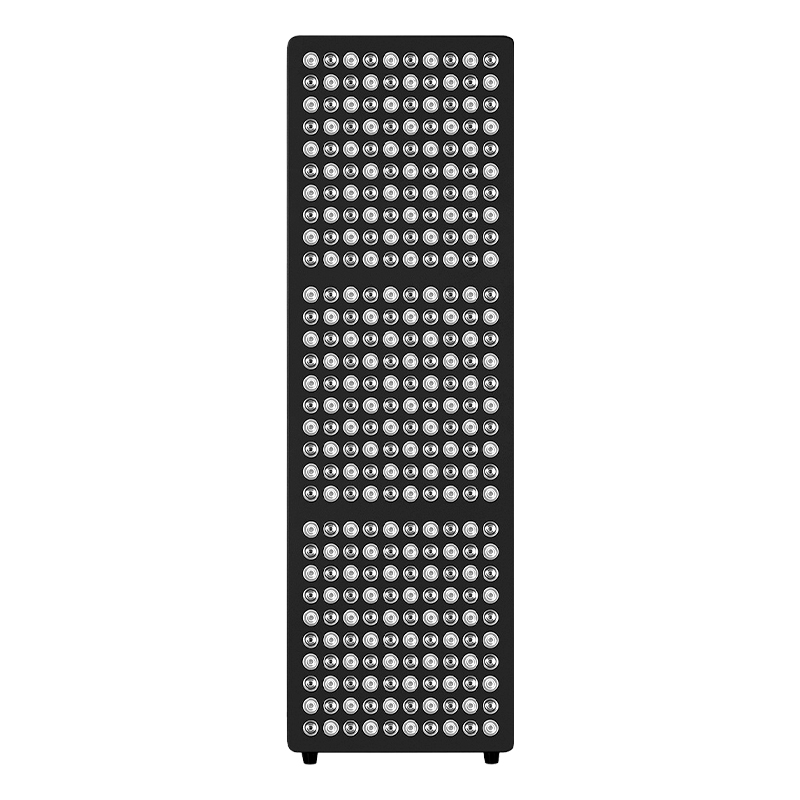
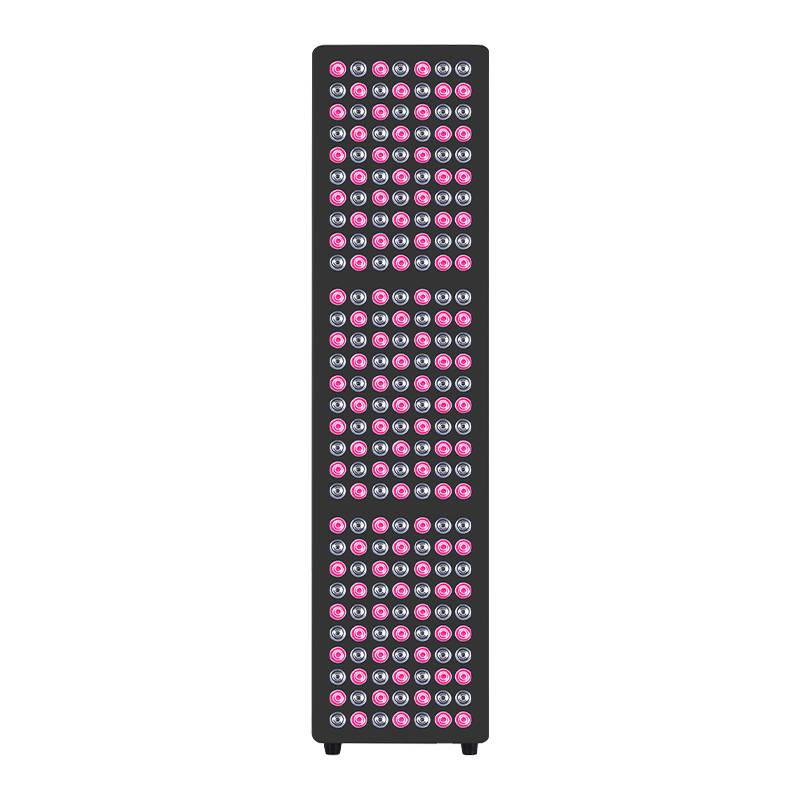
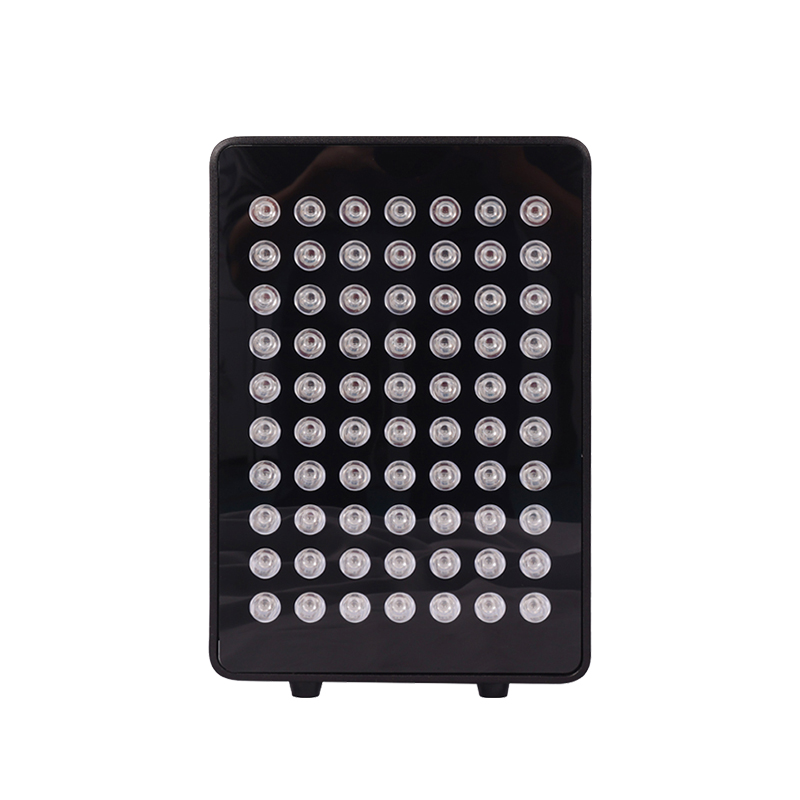
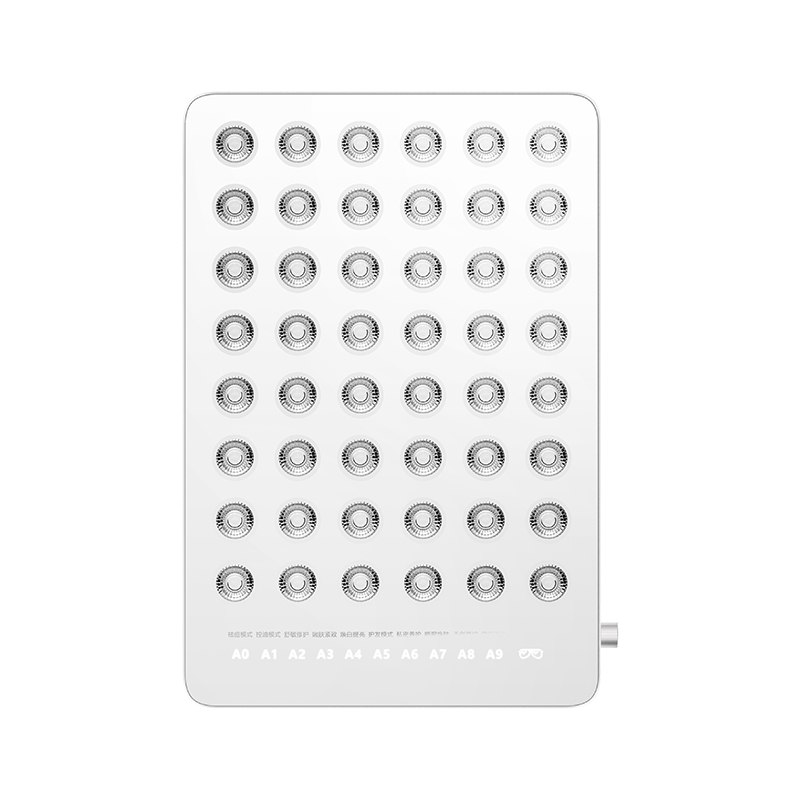
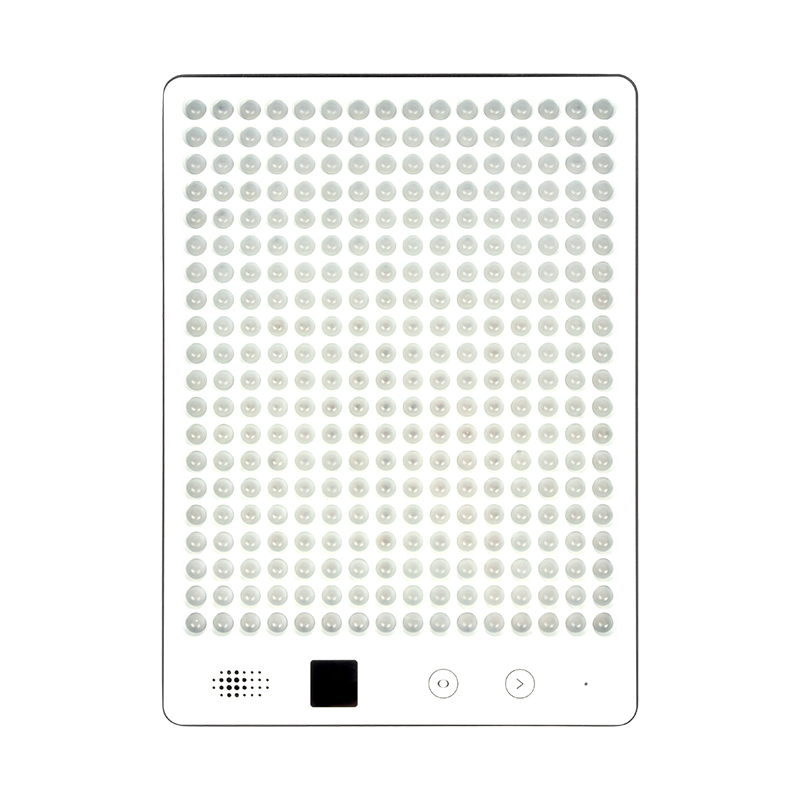
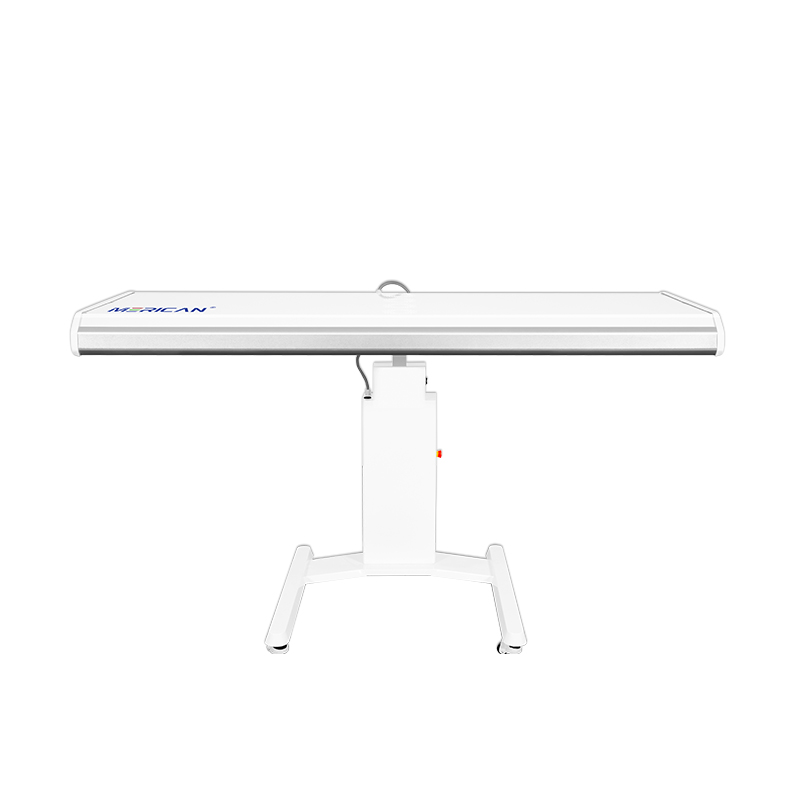
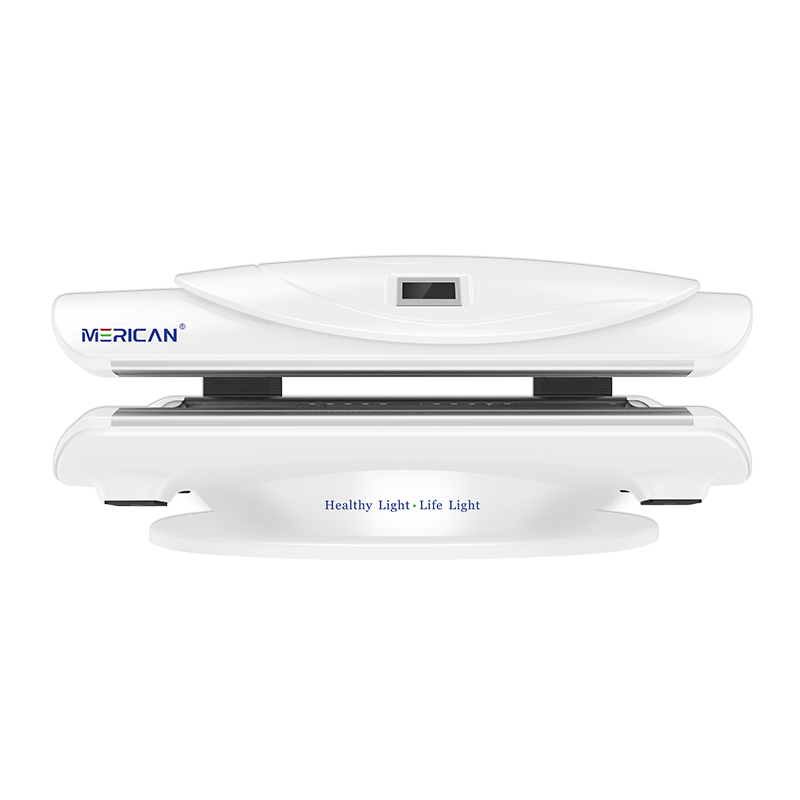
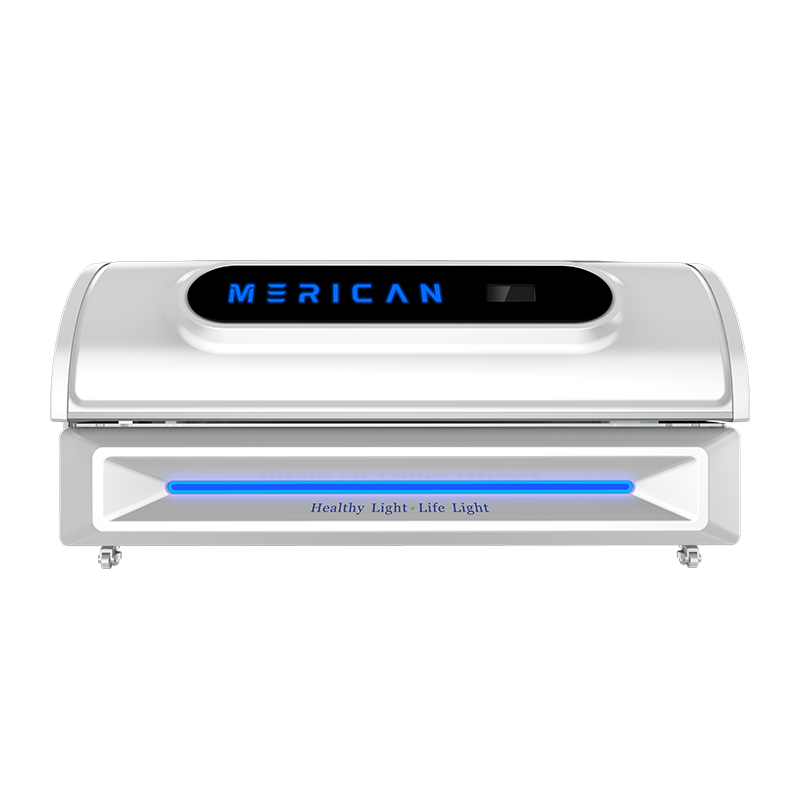
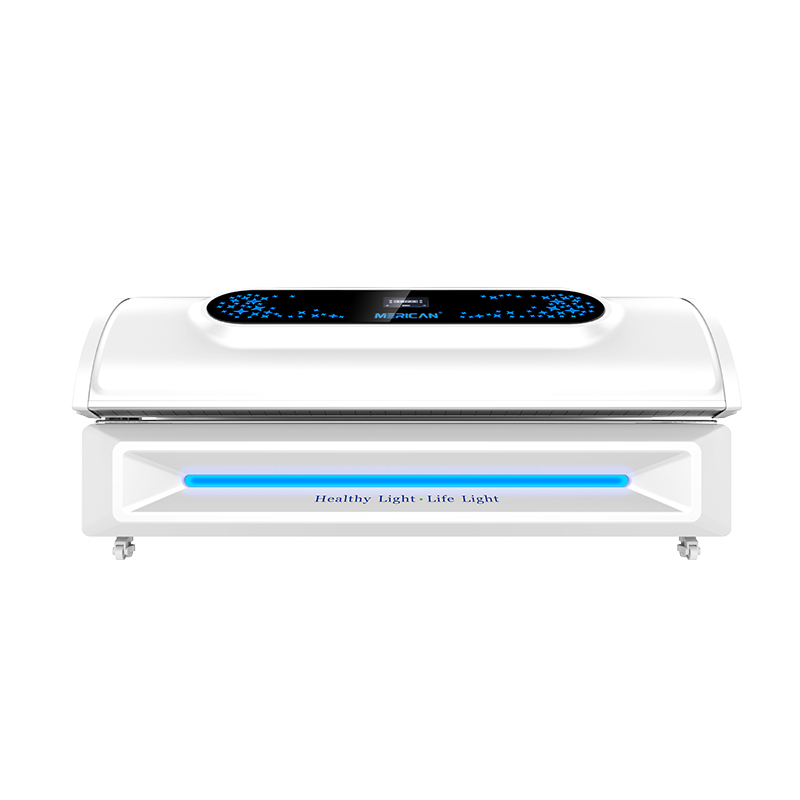
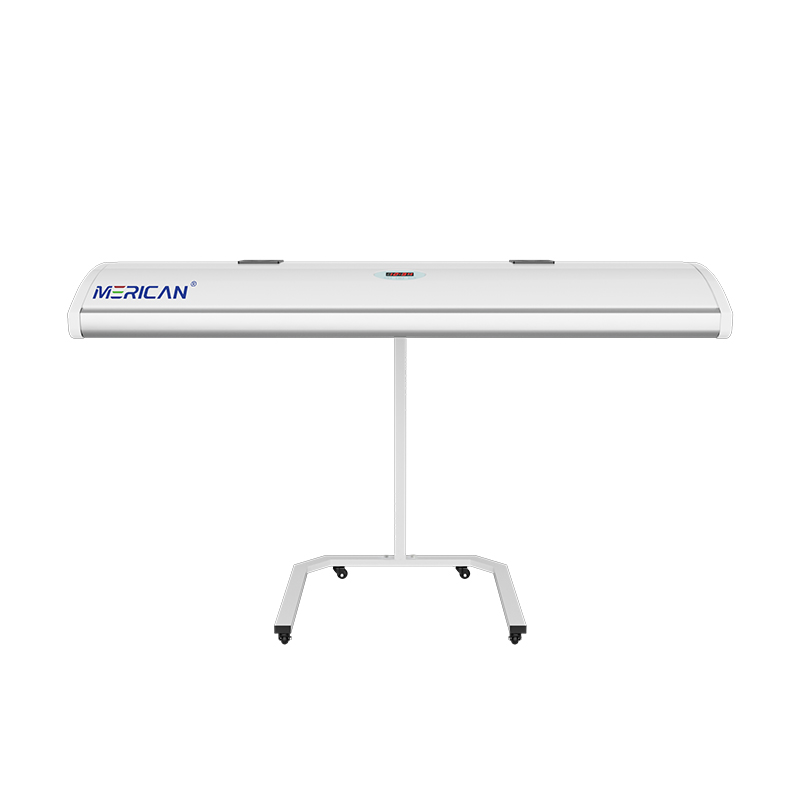
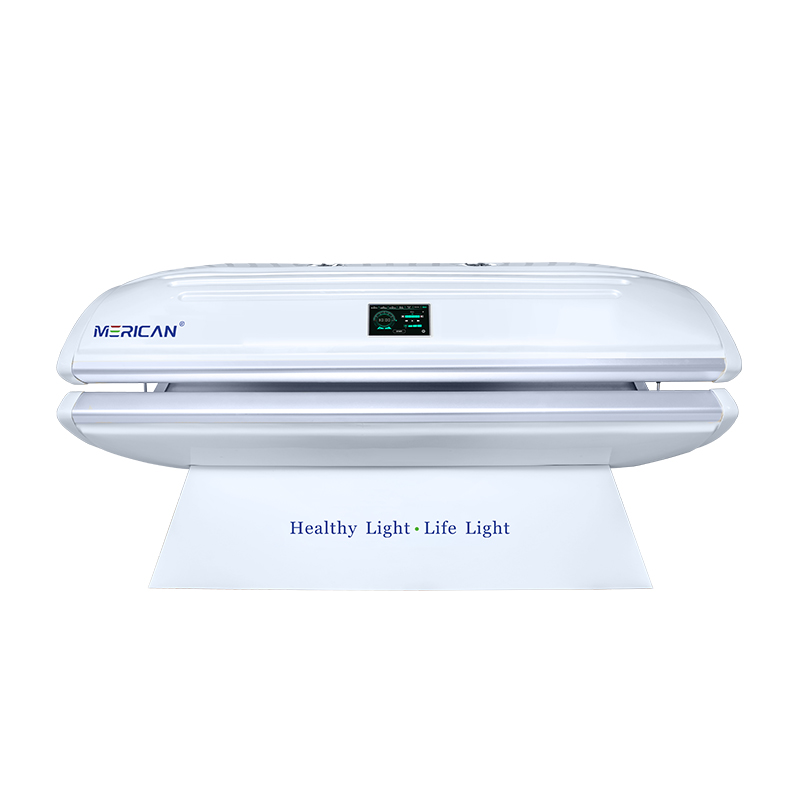
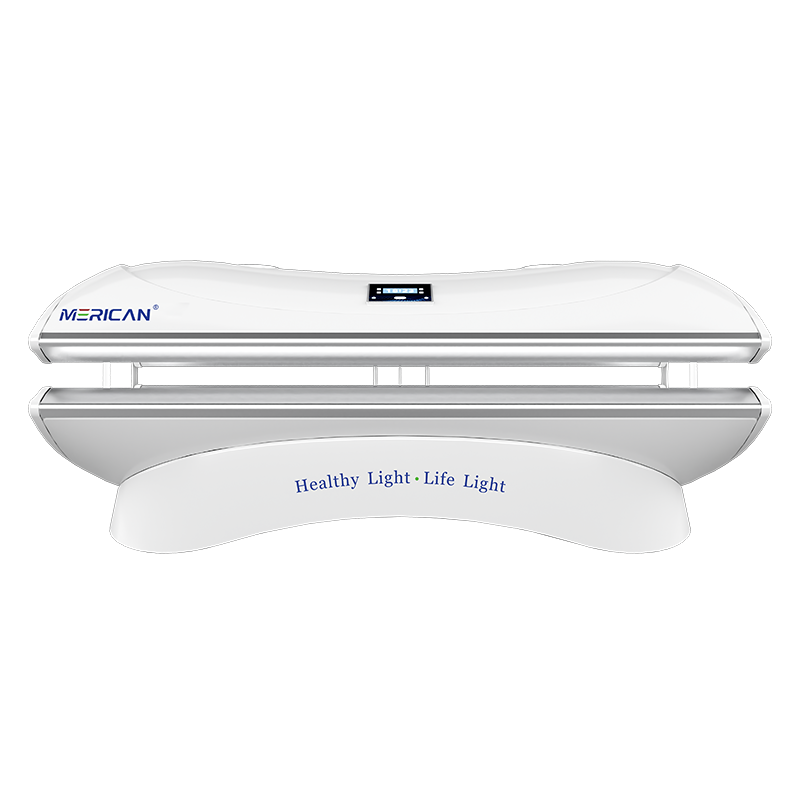
Effekten av rødt lys: bleking og foryngende hud, avtagende flekker, utjevning av rynker, oppstramming av huden, forbedre matthet, forsinke aldring,osv.
Indikasjoner:hudpleie, Høye blodlipider,høyt blodtrykk og høyt blodsukker,akne,ulike smerter,ulike betennelser,angst og depresjon,eksem,osv.
Hvordan rødt lys kan påvirke søvnen din
Døgnrytmer - kroppens indre klokke som kontrollerer søvn- og våkensyklusene våre - reagerer "på lys som et signal om å være våken", og mørk som et signal om å sovne," ifølge US Centers for Disease Control and Prevention.
Vi er mest følsomme for lys med blå bølgelengde - den typen som sendes ut fra telefonen, TV- og bærbare skjermer, så vel som solen - og det er lyset som har blitt funnet å undertrykke frigjøringen av søvnhormonet melatonin.
"I løpet av dagen, det er da du definitivt vil ha det blå lyset fordi du vil undertrykke melatonin i løpet av dagen når du burde være våken," sa Dasgupta. "Det er derfor vi alltid sier, "Kom deg ut og bli utsatt for godt sollys når du våkner om morgenen."
Forskning på rødt lys og søvn
Siden blått lys hemmer frigjøringen av melatonin, hypotesen som ligger til grunn for forskning på søvn og rødt lys - fargen på motsatt ende av spekteret - er at rødt lys kan oppmuntre til frigjøring av melatonin, sa Dasgupta.
Men det er bare noen få studier på friske menneskelige deltakere på rødt lys og søvn, de fleste er små i størrelse, alt fra 10 til 30 deltakere hver. Og det ser ut til at bare et par av disse studiene har funnet en slik sammenheng.
I en 2012 studere, Kina-baserte forskere vurderte effekten av rødt lysterapi på søvnkvaliteten og ytelsesutholdenheten til 20 kvinnelige basketballspillere. Halvparten av spillerne fikk 30 minutter med bestråling av hele kroppen fra en terapimaskin med rødt lys som ser ut som et solarium. Forskerne fant at denne gruppen hadde større forbedring i søvn og serummelatoninnivåer enn placebogruppen, som ikke fikk rødlysterapi.
Gitt den begrensede forskningen, "dette er en av de situasjonene der det er et søvnhack,' men det er ingen bevis bak det egentlig," sa Joshua Tal, en New York City-basert psykolog som spesialiserer seg på søvnproblemer. "Jeg ser ikke fordelen."
Og andre studier har funnet en helt annen effekt. "Vi har vist at du faktisk kan varsle hjernen ved å utsette folk for det mettede røde lyset,sa Mariana Figueiro, direktør for Mount Sinai Light and Health Research Center i New York City.
EN 2019 studie ledet av Figueiro undersøkte om det å levere rødt lys til lukkede øyne under søvn – ved bruk av en rød lysmaske – og å åpne øynene ved oppvåkning – via røde lysbriller – reduserte søvntregheten blant 30 voksne. Søvntreghet er en døgnkontinuerlig prosess som modulerer hukommelsen, humør, reaksjonstid og årvåkenhet ved oppvåkning, ifølge a 2015 studere. Noen mennesker opplever svekket ytelse og grogginess over denne perioden, og effekten av søvntreghet avtar vanligvis etter 15 til 60 minutter, men kan vare opptil noen timer.
I Figueiros studie, Forfatterne samlet inn data om deltakernes søvnighet - som de selv rapporterte - så vel som auditiv ytelse og kortisolnivåer på tre fredagskvelder over tre påfølgende uker. De fant rødt lys levert gjennom lukkede øyne mens deltakerne sov, redusert søvntreghet når de våknet.
To andre små studier av Figueiro har også funnet rødt lys for å indusere årvåkenhet.
«Jeg vil ikke påstå det (rødt lys) fremmer søvn,sa Figueiro, som også er professor i avdelingen for befolkningshelsevitenskap og politikk ved Icahn School of Medicine ved Mount Sinai.
Rødt lys påvirker søvnen
De som fremholder rødt lys som gunstig for søvnen, har sannsynligvis blandet rødt lyss lave tendens til å undertrykke melatonin med å forbedre søvnen - noe som ikke er det samme, sa Figueiro.
“The only thing that you could argue is that what it’s doing is, if you give that red light in the evening prior to sleep, you’re minimizing the disruption of the circadian system, because disruption of the circadian system occurs with bright or blue light," sa Figueiro. Med andre ord, it might be that any benefits come from replacing the light you’re exposed to before sleep with red light, heller enn å legge til sistnevnte under søvn. “And that may be what leads to better sleep.”
Since red light doesn’t affect the circadian system, potensialet for rødt lys for å indusere årvåkenhet, som Figueiro fant i sin forskning, er "mest sannsynlig påvirker hjernen din gjennom andre veier enn den biologiske klokken," sa hun. Døgnsystemet og hjernens årvåkenhet er ikke det samme.
For at melatonin eller døgnrytmen skal påvirkes av lys, det må være et lys som går gjennom de suprachiasmatiske kjernene - hjernestrukturen der den biologiske klokken befinner seg - og fremkaller en døgnreaksjon, Figueiro la til.
Rødt lys gjør vanligvis ikke det, så "det vi tror skjer er (rødt lys) påvirker faktisk deler av hjernen assosiert, for eksempel, med det visuelle systemet," sa Figueiro. "Eller det kan være assosiert med amygdala eller andre deler av hjernen som ikke nødvendigvis er gjennom den biologiske klokken."
Totalt sett, mens rødt lys ikke nødvendigvis fremmer søvn, det er mindre forstyrrende enn andre typer lys, sa eksperter.
Poenget er at når det kommer til søvn, «Det som er bedre enn rødt lys er ikke noe lys," sa Dasgupta. Men hvis du skal ha lys, for eksempel et nattlys, på uansett grunn mens du sover, du kan like godt bruke de som vil være mer gunstige for søvn, la han til - det er der rødt lys kan komme godt med.